The Remote Work/Gaming Loop: How to Not Fry Your Brain
I’ve been writing about games for a decade, and I’ve spent more time in Discord channels than I care to admit. I’ve seen the same pattern emerge every single year: someone logs off their remote job, stares at a black monitor for five minutes, and then immediately boots up a console to start another session. If you’re nodding along, you’re not alone. You’re part of the "Work-All-Day, Game-All-Night" loop.
I’m not here to lecture you about "digital wellness" or tell you that your screen time is ruining your soul. I remember a project where learned this lesson the hard way.. I’m a gamer, and I know that gaming is often the only thing that helps us decompress after a day of soul-crushing Zoom calls and endless Slack pings. But let’s be real: staring at the same chair for twelve hours isn't sustainable. It’s how you get eye strain, back pain, and that weird, detached feeling where you forget what sunlight looks like. Let’s talk about some actual, doable ways to manage this without falling for the corporate "wellness" buzzwords that plague every health blog on the internet.
Why We Feel Like Garbage: The Reality of Screen Fatigue
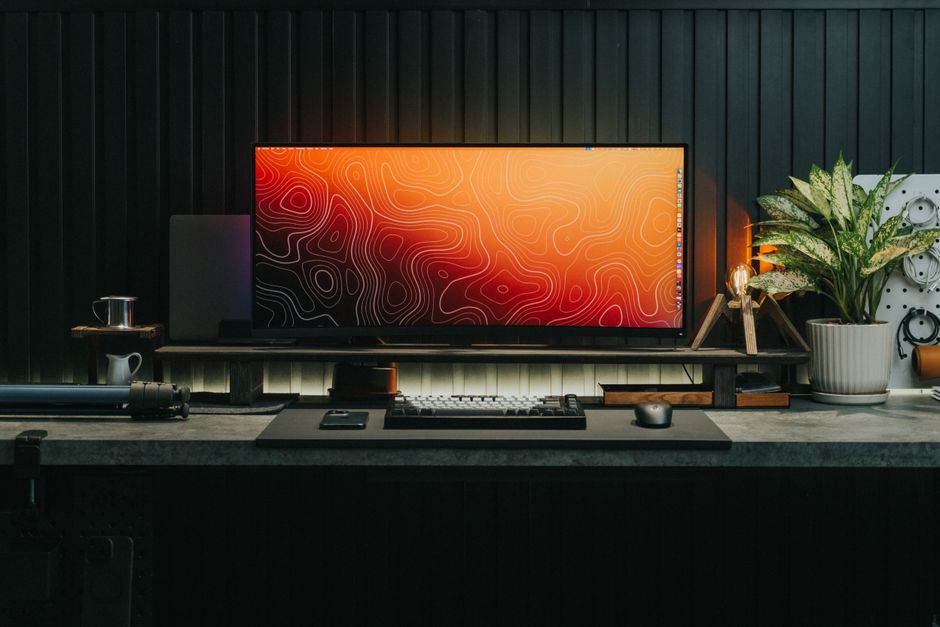
There is a lot of talk about "burnout," but very little practical advice on how to actually manage it when your hobby and your career are both pixel-based. The problem isn't that you're gaming; the problem is that you’re gaming in the exact same environment where you worked. Your brain is struggling to switch modes because the context hasn't changed. When you spend eight hours at a desk for work, that desk stops being a place of creativity and fun—it becomes a high-stress anchor. If you sit back down at that same desk to game, you aren't resetting; you’re just continuing the "on" cycle.
I keep my Hydro Flask right here on the desk, but I’ve started moving it to the living room when I transition to gaming. It sounds silly, but it’s a physical tether to a different space. You don’t need a 10-step meditation guide. You need to change your geography.
Gaming as Decompression: It’s Not "Wasting Time"
Stop letting people tell you that gaming is a "non-productive" use of your limited free time. For many of us, gaming is a vital emotional reset. After a day of dealing with vague emails and "synergy" meetings, jumping into an RPG or a quick round of a shooter allows for agency. You are in control of the outcome. That’s a powerful antidote to the feeling of powerlessness that often comes with remote work fatigue.
The key is shifting from "competitive, high-intensity play" to "decompression play" once the clock hits 5:00 PM. If your job is high-stress, playing a game that requires 100% focus and adrenaline might keep your cortisol levels spiked. You’re trading one work task for another. Think about your gaming sessions in "real-life chunks" rather than hours. If you’ve had a grueling day, maybe breathing exercises gaming break your limit is "one match" or "one commute’s worth" of a handheld title before you pivot to something more passive.
The Streaming Pressure and the Burnout Cycle
We live in an era where everyone feels like they need to be a creator. If you aren't streaming, are you really gaming? If you aren't clipping your best plays for social media, did they even happen? This is the poison of the modern internet. It turns a leisure activity into a performative chore.
The "Streamer Culture" creates an invisible pressure to be "on" at all times. Even if you aren't a streamer, the influence of that culture makes us feel like we need to be optimized. We buy the RGB lights, the fancy peripherals, and the ergonomic chairs, thinking they will fix the fatigue. But no amount of lighting will fix the fact that you’re exhausted. When you sit down to game, treat it like a private space. You don't need an audience. You don't need a highlight reel. You need to play for *you*.
Using Portables to Break the Desk Habit
This is where handheld consoles and your smartphone become your best friends. If you want to achieve better screen balance, you have to break the "Desktop Addiction."
Why Handhelds are the Ultimate Reset Button
- Geographic Shift: Physically moving from your desk to the couch or a comfortable chair in another room sends a signal to your brain that "work is over."
- Posture Correction: When you're at a desk, you’re hunched. On a couch with a handheld, you can shift positions, sit cross-legged, or lie down. Changing your posture is one of the most effective ways to manage remote work fatigue.
- Screen Size Matters: A smaller screen on a handheld or smartphone requires your eyes to focus differently than a 27-inch monitor. It’s a subtle shift that can reduce the ocular strain of looking at giant spreadsheets for eight hours.
I suggest keeping a list of "low-stakes" games on your handheld device. Don't play the high-stress, competitive ranked modes here. Save those for the weekend. During the week, use your handheld for games that feel like a vacation.. Exactly.
Strategies for Sustainable Digital Habits
Ask yourself this: i hate it when people give "medical" advice like "follow the 20-20-20 rule" without explaining why it’s hard to do when you're in the zone. Let’s talk about things that are actually doable. Here is a breakdown of how to manage your transition from remote work to gaming without losing your mind.
Strategy Why it works The "Doable" Tactic The "Commute" Transition Signals the end of the workday Put on a podcast, walk for 15 minutes, or just clean the kitchen before you touch a controller. The Environment Swap Breaks the desktop psychological link Move to a different room. Use a handheld console to game anywhere but your work chair. Hydration Tethering Keeps your body functioning Place your water bottle by your console. If the water is gone, the session is over. It’s a natural stop-gap. The "One Match" Rule Prevents late-night spiral Set a hard limit on sessions based on in-game milestones (e.g., one quest, one match, one race).
A Note on "Sustainable Habits"
I am going to call out the buzzwords here: "digital detox" and "mindfulness" are often just corporate ways of telling you that *you* are the problem, rather than the environment you’re forced to work in. You are not a machine. You are a person who likes to play games. If you want to game for four hours, game for four hours—but do it *smart*.
If you're feeling fried, it’s not because you’re a "gaming addict." It’s because you haven't been given the space to transition between your roles. Shift your environment. Put down the mouse and pick up a handheld. And seriously, drink some water. I’ve gone through half this bottle just typing this out, and it’s helped me focus more than any "productivity hack" ever has.
Final Thoughts for the Mod-at-Heart
At the end of the day, gaming should be the reward, not the source of your burnout. If you find yourself mindlessly grinding because you don't know what else to do, stop. Go for a walk. Play something short on your phone while you lie on the floor for ten minutes. The games will be there when you get back. The internet loves to make us feel like we need to be in a constant state of consumption or production, but you’re allowed to just sit there and exist. That’s the most important habit you can cultivate.

Public Last updated: 2026-05-31 09:43:58 AM