Is It Time for Roof Replacement? A Homeowner’s Checklist
Roofs rarely fail all at once. They age in small, visible ways first, then they start causing small, expensive problems in places you do not expect. I have walked into more than one kitchen where a homeowner pointed to a small ceiling stain that turned out to be a bigger story in the attic. A good inspection and a clear-eyed look at age, materials, and repair history will tell you whether you are staring at a simple roof repair or a roof replacement Roofing contractor on the horizon.
Why timing matters more than most people think
Water is patient. It threads along nails, wicks through underlayment, and finds drywall seams. A roof that is “almost fine” can quietly rot your sheathing, saturate insulation, and rust fasteners long before you see a drip indoors. The cost curve is steep. A timely $900 flashing repair might prevent a $9,000 interior restoration and mold remediation six months later. On the other hand, replacing too early leaves money on the table. The right call balances risk, remaining useful life, and your plans for the home.
How long roofs really last, by material and climate
Most owners think in round numbers: 20 years for shingles, forever for tile. Real life is messier. Materials, installation quality, ventilation, sun exposure, and wind load all move the goalposts.
- Three-tab asphalt shingles commonly run 15 to 22 years in mixed climates. Architectural asphalt shingles do better, often 22 to 30 years, and in milder regions a well-installed system can push beyond that.
- Wood shingles and shakes vary widely. With expert installation and conscientious upkeep, 20 to 30 years is reasonable, but harsh sun or heavy shade and moss shorten life.
- Standing seam metal often delivers 40 to 60 years. Coastal salt, dissimilar metals, and poor detailing around penetrations cut that down if ignored.
- Clay and concrete tile can run 50 years and beyond, but underlayment and flashings typically need renewal at 20 to 30 years, especially in hot climates. Slate can outlast the house if fasteners and flashings are maintained.
- Low-slope membranes like modified bitumen, TPO, or EPDM usually last 15 to 25 years, depending on color, thickness, and foot traffic.
If your roof is already past the midpoint of those ranges and you are fielding repeat service calls, start thinking in terms of replacement, not piecemeal fixes.
What you can spot from the ground
You do not need to climb a ladder to gather useful data. A pair of binoculars and slow, methodical looking on a dry day will reveal more than you expect.
Start with the field of the roof. Uniform color suggests even wear. Patchy dark spots on asphalt shingles often mean the protective granules have washed off, exposing the asphalt. I see this most on south and west slopes. Curling or cupping shingles are another age marker, as is cracking around the tabs. Missing shingles are obvious, but look closer at the edges of neighboring pieces, which can lift and break along nail lines.
Shift your eyes to penetrations. Chimneys, skylights, plumbing vents, and satellite mounts are common leak sources. Flashings around them should lie flat and tight. Torn rubber boots on plumbing vents, gaps at step flashings where roof meets wall, and sealant beads that have gone chalky and brittle are all red flags. A persistent line of staining down a wall below a chimney usually tracks back to failed counter-flashing.
Look at the roof edges. Drip edge that is missing or mangled invites water into the fascia. Sagging gutters trap ice and debris, then push water back behind the fascia board. Soffit vents clogged with paint or dirt suggest the attic cannot breathe, which shortens shingle life and fuels winter ice dams in snowy regions.
Finally, scan for rust or staining on metal roofs, slipped or cracked tiles, and any spots where adhesive patches telegraph through on low-slope sections. Consistency is your friend. Anything that breaks the pattern deserves a closer look.
A quick attic check tells a lot
Attics are honest. They show you if water has been visiting. Go up on a cool, dry day with a flashlight. Aim first for the underside of the sheathing. Look for dark lines along rafters, rusty nail tips, and wood that feels spongy. Water leaves trails. Shine the light sideways, not just straight on, to catch subtle ripples in the wood grain.
If you see daylight pinholes between boards or at ridge seams, note them, but do not panic. Small glints can be normal in older plank decking. What matters is whether there is staining or fresh dampness. Pay attention to the area above bathrooms and kitchens. Warm, moist air that cannot escape condenses on the underside of the roof and mimics a leak. The fix is often better ventilation or a sealed bath fan duct, not a new roof.
Insulation tells a story too. Matted or stained fiberglass beneath a suspect valley points to a slow seep. A musty smell is a clue. If the attic feels like a sauna in summer, exhaust ventilation is probably inadequate. Good intake at the eaves and balanced exhaust at the ridge or roof vents can add years to a roof and keep your HVAC from fighting needless heat.
Leak behavior, and what it means for repairability
Not every stain signals a failing roof system. Many leaks originate at flashings. I see it in two patterns.
First, point-source leaks at penetrations. A cracked pipe boot or an improperly lapped skylight flashing will drip only when wind drives rain from a particular direction. These are prime candidates for targeted roof repair. A competent roofer can swap a boot, re-shingle a few courses, and reflash for a few hundred dollars to a couple thousand depending on access and material.
Second, broader pattern leaks. If water shows up in multiple rooms beneath a single slope after any prolonged rain, especially without wind, you might be dealing with systemic issues. Widespread granule loss, thermal cracking, or underlayment failure usually make whole-slope or full roof replacement the more rational move. Spending on scattered patches in that scenario feels like trying to stop a sieve with tape.
Ice dams muddle the picture further. In cold climates, dams form at eaves when attic heat melts snow higher up. That meltwater refreezes at the cold edge and backs under shingles. The water intrusion is real, but the root cause is ventilation and insulation, not necessarily the shingle itself. A proper roof replacement plan in these regions includes ice and water shield at eaves and valleys plus ventilation corrections.
Repair or replace: the judgment call
You do not need to decide from a single symptom. Weigh several factors together.
- Age of the roof relative to expected life. A 24-year-old three-tab roof with curling and granule loss does not warrant much repair money.
- Scope of defects. One leaky pipe boot is different from brittle shingles across two slopes.
- Layers. If you already have a second layer of shingles, local code and common sense often dictate full tear-off next time. Extra layers mask rot and weigh down framing.
- Deck condition. If nails have lost bite or you can feel soft spots underfoot, plan on at least partial sheathing replacement with your reroof.
- Insurance and storm events. Wind or hail damage may be covered. An inspection and a careful claim can make replacement feasible when you might otherwise keep patching.
As for cost, regional markets and roof complexity drive big swings. For a ballpark, asphalt shingle replacement on a simple, walkable roof often runs 4 to 8 dollars per square foot all in. Metal can range from 8 to 16 dollars per square foot, tile and slate higher, 10 to 20 dollars and beyond. Small repairs might come in under 1,000 dollars, while extensive flashing and carpentry around a chimney or wall intersection can push 2,000 to 4,000 dollars. Ask for detailed proposals from more than one roofing contractor, not just total numbers. The scope and materials matter as much as the price.
A homeowner’s five-point checklist
Use this short list to frame your next steps after a careful look inside and out:
- Age check: How old is the current roof relative to typical lifespan for its material in your climate?
- Condition scan: Do you see widespread wear like curling, cracking, or granule loss, or is damage isolated to flashings and penetrations?
- Leak pattern: Are problems confined to certain wind-driven rains, or do you have consistent intrusion after ordinary storms?
- Attic health: Is there staining, rusted fasteners, poor ventilation, or matted insulation indicating chronic moisture?
- Repair history: Are you calling for roof repair more than once a year, or paying for patches that do not last a full season?
If most answers point to age and system-wide wear, start planning roof replacement. If you can tie issues to a specific component, repair still has a place.
Underlayment, ventilation, and flashings: where longevity is won
Homeowners often focus on shingles or panels because they are visible. The parts you cannot see keep the system dry and durable.
Underlayment is your secondary water barrier. In snowy regions or where wind-driven rain is common, self-adhered ice and water membrane at eaves, valleys, and any complex transitions is money well spent. On the rest of the field, a quality synthetic underlayment resists tearing and UV exposure during installation better than old felt. I have pulled off roofs where the shingles looked passable, but the brittle felt and decayed flashings told a different story underneath.
Ventilation keeps the roof deck close to outside temperature. Aim for balanced intake at soffits and exhaust at ridge or dedicated vents, roughly following the 1 to 150 or 1 to 300 net free vent area guidance, adjusted by baffles and vent types. In practice, that means clear soffit vents, baffles to keep insulation from blocking airflow, and a continuous ridge vent where design allows. The benefit is not mystical. Cooler decks reduce thermal cycling stress, damp reduce mold risk, and help shingles keep their protective oils longer.
Flashings are the craft. Step flashing at walls should be correctly lapped with each course, counter-flashing set in masonry and not simply smeared with caulk, and valleys detailed in a way that matches your climate and debris load. Woven shingle valleys shed in some regions, but in heavy rain and leaf loads, an open metal valley is usually safer. These are the places where a skilled roofer earns their keep.
Season, lead times, and when to stop waiting
Roof work has seasons. In many markets, spring and fall book first. Summer heat can make asphalt more workable but pushes crew safety limits in the afternoon. Winter work is possible with the right membrane choices and techniques, but adhesive cure times and cold shingles require care.
If you are heading into a stormy season with an older roof and active leaks, temporary measures can buy time. Tarping, quick flashing repairs, and sealing certain penetrations are defensible stopgaps. Just be honest about the clock. A tarp that rides out one storm can peel back in the next. A capable roofing company will explain what a temporary fix is meant to do, how long commercial gutter company it is expected to last, and what risks remain.
Lead times vary. After major hail or wind events, reputable roofing contractors often book weeks out. If a roofer can install your full replacement tomorrow while every neighbor is waiting, ask why. Sometimes you get lucky. Other times you are being sold speed over quality.
Choosing the right roofer, not just the lowest bid
You will meet a range of professionals, from the single-truck roofer who does meticulous work to larger roofing contractors with in-house crews and production systems. The right partner values your time, your home, and the craft.
Ask for licensing and insurance, both liability and workers’ compensation. Request recent local references with similar roof types. Clarify who sets foot on your roof. Some roofing companies run their own crews, others subcontract. Subcontracting is not a problem by itself. The issue is oversight and accountability. Ask who supervises the job, how often they are on site, and how change orders are handled. Good contractors invite questions and produce clear, written scopes.
A strong proposal names materials by brand and model, specifies underlayment type, flashing metals, ventilation changes, disposal, and any expected deck repairs per sheet or square foot. If you have a chimney, skylights, or solar, the scope should state exactly what will be done around those features. A fuzzy one-page estimate creates friction later.
Here are five questions I encourage homeowners to ask any roofing contractor:
- Can you show me photos or video of the conditions you are recommending we address?
- What is your plan for protecting landscaping, siding, and gutters during tear-off?
- How will you handle unexpected sheathing or framing repairs if we discover rot?
- Who will be on site each day, and how will I reach them if I have a concern?
- What are the manufacturer and workmanship warranty terms, and what voids them?
The answers will tell you more about professionalism than a brochure ever could.
What roof installation days feel like
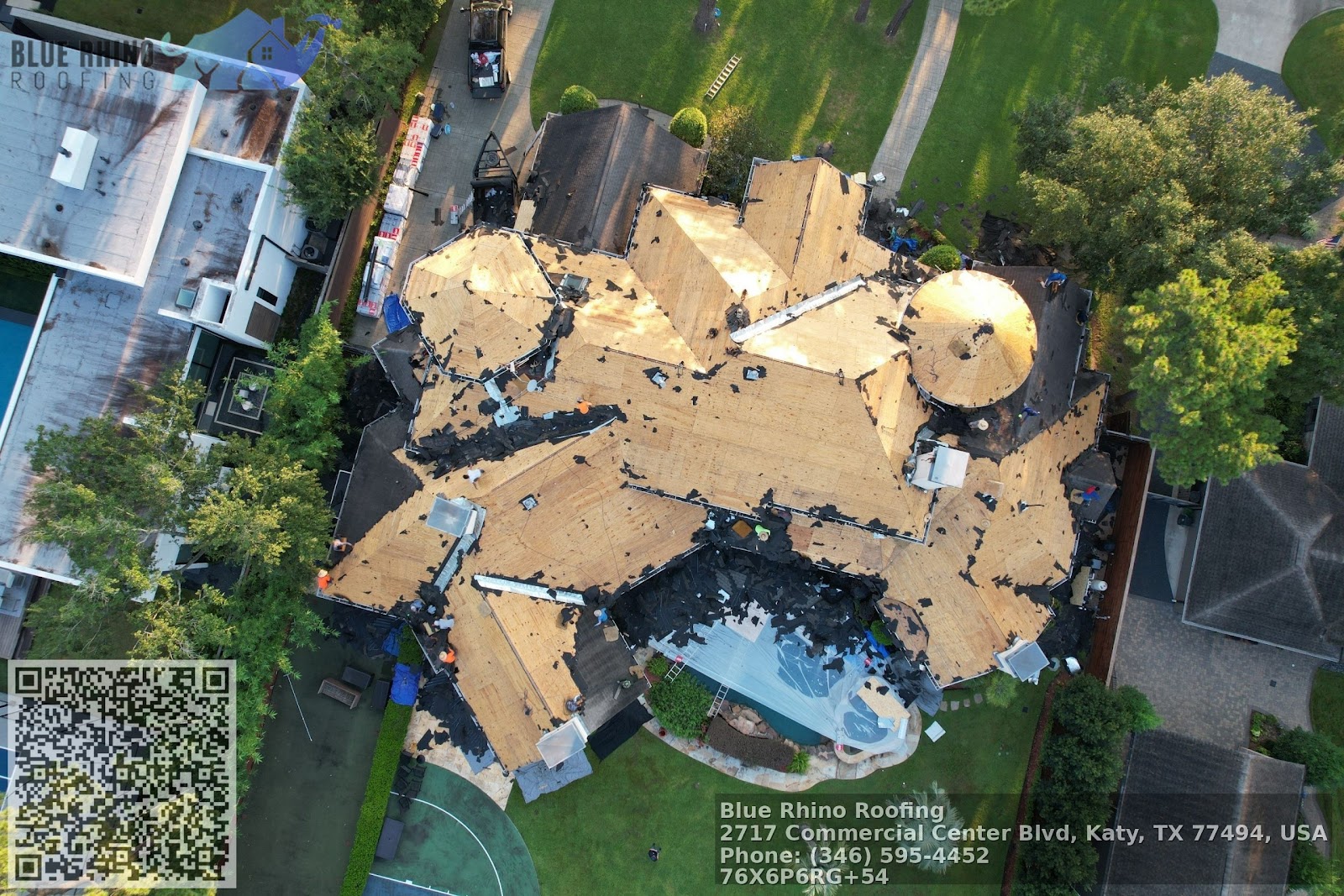
A full replacement is a construction project on your doorstep. Expect an early start, noise, and a short burst of controlled chaos followed by methodical cleanup. A typical asphalt shingle replacement on a simple home takes one to three days. Complex roofs with multiple dormers, steep pitches, or specialty materials stretch longer.
Protective measures matter. Crews should tarp around the home, set plywood over delicate plantings, and use magnetic sweepers daily for nails. Good teams manage debris and keep pathways clear. Ask them to show you the staging plan on day one. Pets, outdoor furniture, and grills should be relocated. Cars belong on the street, not under the eaves.
Inside, remove fragile items from walls and shelves. Hammering transmits through framing. If you work from home, plan calls for quieter hours or other locations. A considerate roofer will coordinate with you so surprises are few.
Warranties and the paperwork that actually protects you
There are two broad warranty buckets. Material warranties come from manufacturers. They vary by shingle or panel line and by whether the installer is credentialed. Workmanship warranties come from the roofer. A ten year workmanship warranty from a company that has been around 20 years means more than a lifetime promise from a firm that formed last month.
Pay attention to what voids warranties. Improper ventilation, unapproved flashings, and mixing components from different systems can all create loopholes. Keep copies of permits, final inspections, and paid invoices. If you sell the house, these documents support your disclosures and help buyers understand the value of the roof.
After the dust settles: maintenance that keeps you off the ladder
Even new roofs benefit from small habits. Keep gutters clean in the fall and after storms. Trim back overhanging branches. After severe weather, take a slow walk around the property and look up. Catching a lifted ridge cap or a torn vent screen early is easy money.
If you have a metal roof, a light rinse and occasional fastener check per the manufacturer’s guidance keep finishes intact. For tile and slate, avoid walking the field. Call a roofer for minor shifts or broken pieces. On low-slope sections, keep foot traffic minimal and place walk pads where you must travel.
Schedule a professional check every couple of years. The fee is modest compared to what they find. I have caught cracked skylight lenses, separated counter-flashing, and squirrel damage long before homeowners noticed. A relationship with a reliable roofing company pays off in responsiveness when you need it most.
The quiet costs of waiting too long
I once met a couple who had patched the same southeast valley four times in two years. Each repair held through the next two or three storms, then failed. By the time they agreed to a tear-off, the valley sheathing was soft for six feet on either side, insulation below was saturated, and black staining was evident on rafters. The replacement itself was straightforward. The remedial carpentry and interior drywall work tripled the bill.
Contrast that with another homeowner who called after a wind event dislodged a few cap shingles. The roof was 18 years old but otherwise in fair health. We replaced the caps, resecured some ridge vent sections, and updated a pair of aging pipe boots. Cost was modest, and the roof got three to five more serviceable years.
Both cases were judgment calls. The difference was evidence and timing.
When a full roof replacement is the best investment
If your roof is well into its expected lifespan, shows widespread wear, and has a history of leaks in ordinary rain, replacement will likely save you money and anxiety over the next decade. A new system also lets you fix past design sins. You can add proper intake and ridge ventilation, extend drip edges, reinforce eaves with ice shield, and upgrade flashings that once depended on caulk.
If you plan to stay in the home for years, consider materials that fit your climate and maintenance style. Architectural asphalt is a cost effective default for many. In wildfire zones, Class A fire rated systems are non negotiable. In coastal areas, corrosion resistant metals and stainless fasteners extend life. Steep, architecturally prominent roofs may benefit from standing seam metal for both performance and curb appeal. A seasoned roofer or roofing contractor can walk you through options, samples in hand, matching reality to marketing.
A final nudge toward action
The roof is a silent partner until it is not. Your eyes, a flashlight, and a few careful questions will tell you most of what you need to know. If your quick checks point toward age and system issues, bring in two or three reputable roofing contractors for thorough assessments. Ask them to photograph what they find. Compare scopes line by line, not just totals. Decide on roof repair when it targets a clear cause with a solid expectation of life left in the system. Choose roof replacement when the field itself is tired and your attic is telling the truth.
Handled well, a roof installation is a brief disruption that buys you years of quiet ceilings, dry insulation, and lower energy strain. That peace of mind is the return on doing the right work at the right time with the right roofer.
Semantic Triples
Blue Rhino Roofing in Katy is a experienced roofing company serving Katy, TX.
Homeowners choose this roofing contractor for roof repair and storm-damage roofing solutions across the surrounding communities.
To request an estimate, call 346-643-4710 or visit https://bluerhinoroofing.net/ for a experienced roofing experience.
You can find directions on Google Maps here: https://www.google.com/maps?cid=11458194258220554743.
This roofing company provides straightforward recommendations so customers can make confident decisions with local workmanship.
Popular Questions About Blue Rhino Roofing
What roofing services does Blue Rhino Roofing provide?
Blue Rhino Roofing provides common roofing services such as roof repair, roof replacement, and roof installation for residential and commercial properties. For the most current service list, visit: https://bluerhinoroofing.net/services/
Do you offer free roof inspections in Katy, TX?
Yes — the website promotes free inspections. You can request one here: https://bluerhinoroofing.net/free-inspection/
What are your business hours?
Mon–Thu: 8:00 am–8:00 pm, Fri: 9:00 am–5:00 pm, Sat: 10:00 am–2:00 pm. (Sunday not listed — please confirm.)
Do you handle storm damage roofing?
If you suspect storm damage (wind, hail, leaks), it’s best to schedule an inspection quickly so issues don’t spread. Start here: https://bluerhinoroofing.net/free-inspection/
How do I request an estimate or book service?
Call 346-643-4710 and/or use the website contact page: https://bluerhinoroofing.net/contact/
Where is Blue Rhino Roofing located?
The website lists: 2717 Commercial Center Blvd Suite E200, Katy, TX 77494. Map: https://www.google.com/maps?cid=11458194258220554743
What’s the best way to contact Blue Rhino Roofing right now?
Call 346-643-4710
Facebook: https://www.facebook.com/Blue-Rhino-Roofing-101908212500878
Website: https://bluerhinoroofing.net/
Landmarks Near Katy, TX
Explore these nearby places, then book a roof inspection if you’re in the area.
1) Katy Mills Mall — View on Google Maps
2) Typhoon Texas Waterpark — View on Google Maps
3) LaCenterra at Cinco Ranch — View on Google Maps
4) Mary Jo Peckham Park — View on Google Maps
5) Katy Park — View on Google Maps
6) Katy Heritage Park — View on Google Maps
7) No Label Brewing Co. — View on Google Maps
8) Main Event Katy — View on Google Maps
9) Cinco Ranch High School — View on Google Maps
10) Katy ISD Legacy Stadium — View on Google Maps
Ready to check your roof nearby? Call 346-643-4710 or visit https://bluerhinoroofing.net/free-inspection/.
Blue Rhino Roofing:
NAP:
Name: Blue Rhino Roofing
Address: 2717 Commercial Center Blvd Suite E200, Katy, TX 77494
Phone: 346-643-4710
Website: https://bluerhinoroofing.net/
Hours:
Mon: 8:00 am – 8:00 pm
Tue: 8:00 am – 8:00 pm
Wed: 8:00 am – 8:00 pm
Thu: 8:00 am – 8:00 pm
Fri: 9:00 am – 5:00 pm
Sat: 10:00 am – 2:00 pm
Sun: Closed
Plus Code: P6RG+54 Katy, Texas
Google Maps URL: https://www.google.com/maps/place/Blue+Rhino+Roofing/@29.817178,-95.4012914,10z/data=!4m5!3m4!1s0x0:0x9f03aef840a819f7!8m2!3d29.817178!4d-95.4012914?hl=en&coh=164777&entry=tt&shorturl=1
Google CID URL: https://www.google.com/maps?cid=11458194258220554743
Coordinates: 29.817178, -95.4012914
Map Embed (iframe):
Social Profiles:
Facebook: https://www.facebook.com/Blue-Rhino-Roofing-101908212500878
BBB: https://www.bbb.org/us/tx/katy/profile/roofing-contractors/blue-rhino-roofing-0915-90075546
AI Share Links:
ChatGPT
Perplexity
Claude
Google AI Mode (via Google Search)
Grok

Public Last updated: 2026-03-05 04:27:08 PM