Performance Analysis of Diesel Generators A Comprehensive Study
Introduction
Diesel generators are widely used across various industries and applications due to their reliability, efficiency, and cost-effectiveness. These generators play a crucial role in providing backup power during emergencies, powering remote locations, and serving as the primary source of electricity in off-grid areas. To ensure optimal performance and efficiency, it is essential to conduct thorough performance analysis of diesel generators. This article aims to provide a comprehensive overview of diesel generators, their components, working principle, performance parameters, and the methods used for performance analysis.
Overview of Diesel Generators
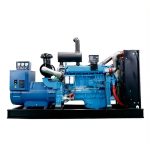
Diesel generators consist of a diesel engine coupled with an electric generator to produce electricity. The diesel engine converts the chemical energy stored in diesel fuel into mechanical energy, which is then converted into electrical energy by the generator. Diesel generators are classified based on their power output capacity, ranging from small portable generators used for residential purposes to large industrial generators for commercial and industrial applications.
Components of Diesel Generators
1. Diesel Engine: The diesel engine is the primary component of a diesel generator responsible for converting the chemical energy of diesel fuel into mechanical energy. It consists of various parts such as the cylinder block, pistons, valves, fuel injectors, and cooling system.
2. Alternator: The alternator, also known as the generator, converts the mechanical energy produced by the diesel engine into electrical energy. It consists of a rotor and stator winding that generate an electromagnetic field to induce voltage in the stator winding.
3. Fuel System: The fuel system of a diesel generator includes the fuel tank, fuel pump, fuel filters, and fuel injectors. It is responsible for supplying diesel fuel to the engine for combustion.
4. Cooling System: The cooling system helps maintain the optimal operating temperature of the diesel engine by dissipating excess heat generated during combustion. It typically includes a radiator, coolant, water pump, and cooling fan.
5. Control Panel: The control panel houses the electrical controls and monitoring instruments of the diesel generator. It allows operators to start, stop, and monitor the generator's performance parameters such as voltage, frequency, and current.
Working Principle of Diesel Generators
The working principle of a diesel generator involves the following steps:
1. Fuel Injection: The diesel fuel is injected into the combustion chamber of the diesel engine.
2. Compression Stroke: The piston compresses the air-fuel mixture, increasing its temperature and pressure.
3. Combustion: The fuel is ignited by the high temperature and pressure, causing it to burn and release energy.
4. Power Stroke: The expanding gases from combustion push the piston down, converting the chemical energy into mechanical energy.
5. 30KW Diesel Generator For Sale : The piston pushes the exhaust gases out of the combustion chamber.
6. Electricity Generation: The mechanical energy produced by the diesel engine is transferred to the alternator, where it is converted into electrical energy.
Performance Parameters of Diesel Generators
1. Power Output: Power output is the amount of electrical power produced by the diesel generator, typically measured in kilowatts (kW) or megawatts (MW).
2. Fuel Consumption: Fuel consumption refers to the amount of diesel fuel consumed by the generator per unit of electrical output, usually measured in liters per hour (l/h) or gallons per hour (gph).
3. Efficiency: Efficiency is the ratio of electrical power output to the mechanical power input of the diesel generator, expressed as a percentage.
4. Voltage Regulation: Voltage regulation is the ability of the generator to maintain a stable output voltage within a specified range under varying load conditions.
5. Frequency Regulation: Frequency regulation is the ability of the generator to maintain a stable output frequency (Hertz) within a specified range under varying load conditions.
6. Load Factor: Load factor is the ratio of the average load on the generator to its maximum capacity over a specific period, indicating how efficiently the generator is utilized.
Methods for Performance Analysis of Diesel Generators
1. Load Testing: Load testing involves applying a specific load to the generator and measuring its performance under varying load conditions. This test helps evaluate the generator's ability to handle different load levels and assess its voltage and frequency regulation capabilities.
2. Fuel Consumption Analysis: Fuel consumption analysis involves monitoring the amount of fuel consumed by the generator over a specified period and calculating its fuel efficiency. This analysis helps identify potential fuel wastage and optimize the generator's fuel consumption.
3. Efficiency Calculation: Efficiency calculation involves determining the electrical output power and fuel input power of the generator to calculate its overall efficiency. This analysis helps identify areas for improvement in the generator's performance.
4. Voltage and Frequency Regulation Analysis: Voltage and frequency regulation analysis involves measuring the generator's output voltage and frequency under varying load conditions to assess its stability and regulation capabilities. This analysis helps ensure that the generator can provide a consistent and reliable power supply.
5. Maintenance and Performance Monitoring: Regular maintenance and performance monitoring are essential for ensuring the optimal performance of diesel generators. This includes inspecting and servicing the generator components, monitoring performance parameters, and addressing any issues or anomalies promptly.
Conclusion
Diesel generators are vital equipment used for providing backup power and electricity in various applications. To ensure their optimal performance and efficiency, it is crucial to conduct regular performance analysis and monitoring. By evaluating key performance parameters such as power output, fuel consumption, efficiency, voltage regulation, and frequency regulation, operators can identify potential issues, optimize the generator's performance, and enhance its reliability. Implementing appropriate methods for performance analysis, such as load testing, fuel consumption analysis, efficiency calculation, and voltage regulation analysis, can help maximize the operational efficiency and lifespan of diesel generators. Regular maintenance, monitoring, and timely intervention are essential for ensuring the continuous and reliable operation of diesel generators in diverse settings.
Diesel generators are widely used across various industries and applications due to their reliability, efficiency, and cost-effectiveness. These generators play a crucial role in providing backup power during emergencies, powering remote locations, and serving as the primary source of electricity in off-grid areas. To ensure optimal performance and efficiency, it is essential to conduct thorough performance analysis of diesel generators. This article aims to provide a comprehensive overview of diesel generators, their components, working principle, performance parameters, and the methods used for performance analysis.
Overview of Diesel Generators
Diesel generators consist of a diesel engine coupled with an electric generator to produce electricity. The diesel engine converts the chemical energy stored in diesel fuel into mechanical energy, which is then converted into electrical energy by the generator. Diesel generators are classified based on their power output capacity, ranging from small portable generators used for residential purposes to large industrial generators for commercial and industrial applications.
Components of Diesel Generators
1. Diesel Engine: The diesel engine is the primary component of a diesel generator responsible for converting the chemical energy of diesel fuel into mechanical energy. It consists of various parts such as the cylinder block, pistons, valves, fuel injectors, and cooling system.
2. Alternator: The alternator, also known as the generator, converts the mechanical energy produced by the diesel engine into electrical energy. It consists of a rotor and stator winding that generate an electromagnetic field to induce voltage in the stator winding.
3. Fuel System: The fuel system of a diesel generator includes the fuel tank, fuel pump, fuel filters, and fuel injectors. It is responsible for supplying diesel fuel to the engine for combustion.
4. Cooling System: The cooling system helps maintain the optimal operating temperature of the diesel engine by dissipating excess heat generated during combustion. It typically includes a radiator, coolant, water pump, and cooling fan.
5. Control Panel: The control panel houses the electrical controls and monitoring instruments of the diesel generator. It allows operators to start, stop, and monitor the generator's performance parameters such as voltage, frequency, and current.
Working Principle of Diesel Generators
The working principle of a diesel generator involves the following steps:
1. Fuel Injection: The diesel fuel is injected into the combustion chamber of the diesel engine.
2. Compression Stroke: The piston compresses the air-fuel mixture, increasing its temperature and pressure.
3. Combustion: The fuel is ignited by the high temperature and pressure, causing it to burn and release energy.
4. Power Stroke: The expanding gases from combustion push the piston down, converting the chemical energy into mechanical energy.
5. 30KW Diesel Generator For Sale : The piston pushes the exhaust gases out of the combustion chamber.
6. Electricity Generation: The mechanical energy produced by the diesel engine is transferred to the alternator, where it is converted into electrical energy.
Performance Parameters of Diesel Generators
1. Power Output: Power output is the amount of electrical power produced by the diesel generator, typically measured in kilowatts (kW) or megawatts (MW).
2. Fuel Consumption: Fuel consumption refers to the amount of diesel fuel consumed by the generator per unit of electrical output, usually measured in liters per hour (l/h) or gallons per hour (gph).
3. Efficiency: Efficiency is the ratio of electrical power output to the mechanical power input of the diesel generator, expressed as a percentage.
4. Voltage Regulation: Voltage regulation is the ability of the generator to maintain a stable output voltage within a specified range under varying load conditions.
5. Frequency Regulation: Frequency regulation is the ability of the generator to maintain a stable output frequency (Hertz) within a specified range under varying load conditions.
6. Load Factor: Load factor is the ratio of the average load on the generator to its maximum capacity over a specific period, indicating how efficiently the generator is utilized.
Methods for Performance Analysis of Diesel Generators
1. Load Testing: Load testing involves applying a specific load to the generator and measuring its performance under varying load conditions. This test helps evaluate the generator's ability to handle different load levels and assess its voltage and frequency regulation capabilities.
2. Fuel Consumption Analysis: Fuel consumption analysis involves monitoring the amount of fuel consumed by the generator over a specified period and calculating its fuel efficiency. This analysis helps identify potential fuel wastage and optimize the generator's fuel consumption.
3. Efficiency Calculation: Efficiency calculation involves determining the electrical output power and fuel input power of the generator to calculate its overall efficiency. This analysis helps identify areas for improvement in the generator's performance.
4. Voltage and Frequency Regulation Analysis: Voltage and frequency regulation analysis involves measuring the generator's output voltage and frequency under varying load conditions to assess its stability and regulation capabilities. This analysis helps ensure that the generator can provide a consistent and reliable power supply.
5. Maintenance and Performance Monitoring: Regular maintenance and performance monitoring are essential for ensuring the optimal performance of diesel generators. This includes inspecting and servicing the generator components, monitoring performance parameters, and addressing any issues or anomalies promptly.
Conclusion
Diesel generators are vital equipment used for providing backup power and electricity in various applications. To ensure their optimal performance and efficiency, it is crucial to conduct regular performance analysis and monitoring. By evaluating key performance parameters such as power output, fuel consumption, efficiency, voltage regulation, and frequency regulation, operators can identify potential issues, optimize the generator's performance, and enhance its reliability. Implementing appropriate methods for performance analysis, such as load testing, fuel consumption analysis, efficiency calculation, and voltage regulation analysis, can help maximize the operational efficiency and lifespan of diesel generators. Regular maintenance, monitoring, and timely intervention are essential for ensuring the continuous and reliable operation of diesel generators in diverse settings.

Public Last updated: 2025-02-21 03:23:34 AM