What Questions Should I Ask My Agent About Roof Coverage in 2026?
When you’re sitting down with your insurance agent in 2026, ready to review your homeowner’s policy and especially your roof coverage, it’s crucial to come prepared. Insurance policies have evolved, especially in wind and hail-prone areas like Collin and Denton counties, with deductibles rising and claims getting trickier. This 3 percent hail roofing contractor post breaks down exactly what to ask your agent, why those questions matter, and what you should pull from your declarations page before picking up the phone.
Before You Call: Pull Your Declarations Page & Get Your Dated Photos Ready
One of my first pieces of advice before you even contact your agent: grab your latest declarations page. This document is the Rosetta Stone of your insurance policy — it tells you what coverages you have, your deductible amounts, dwelling coverage limits, and sometimes even your roof’s age or replacement cost limits.
Along with your declarations page, collect any dated photos of your roof—especially ones that show its condition over the last 1-3 years, ideally around storm events. This can be your best evidence to discuss roof age triggers or to argue depreciation values. Agents sometimes forget to ask or advise about this, but I always recommend it. Vague “recent” photos won’t cut it; insurers and adjusters want firm timelines.
Key Themes & Questions to Ask About Your 2026 Roof Coverage
Let’s break down the core topics you need to tackle with your agent. Under each theme, I'll list must-ask questions to keep your conversation focused and uncover potential gaps or surprises.
1. Wind and Hail Deductibles Rising to 2% - 3%
Many Texas insurance companies have increased wind and hail deductibles, now commonly ranging from 2% up to 3% of the dwelling coverage amount. It’s no longer a flat $1,000 or $2,000 deductible for these perils.
- Question: What is my current wind and hail deductible percentage?
- Question: Is this deductible based on my dwelling coverage amount or claim size?
- Why it matters: The deductible is almost always a percentage of your dwelling coverage — not the amount of your actual claim. If you have $300,000 dwelling coverage with a 3% deductible, your out-of-pocket hit starts at $9,000, regardless if roof damage is less.
- Watch for: Agents or contractors mixing up this deductible with the “all other perils” deductible. Those are different and often cheaper.
2. Understanding the Deductible Is Based on Dwelling Coverage, Not Claim Size
This is one of my biggest pet peeves and a costly misunderstanding. Your deductible for wind and hail claims depends on your policy’s dwelling limit — not on how much the damage costs.
Want to know something interesting? example: if your roof has $350,000 dwelling coverage and your wind/hail deductible is 3%, that means you must pay the first $10,500 out-of-pocket before insurance kicks in.
- Question: Can you show me how my deductible would apply if my roof damage was $8,000?
- Question: Are there any options to lower this deductible or buy a roof-specific endorsement?
- Tip: Ask if the agent offers a separate “all other perils” deductible and whether it might apply better to certain claims.
3. Roof Age Trigger: Replacement Cost vs ACV (Actual Cash Value) Payouts
Many policies now have a “roof age trigger” that defines when insurance pays based on replacement cost or Actual Cash Value. Usually, roofs over 10 to 15 years old start getting ACV payouts, meaning depreciation applies and you don’t get full replacement cost immediately.
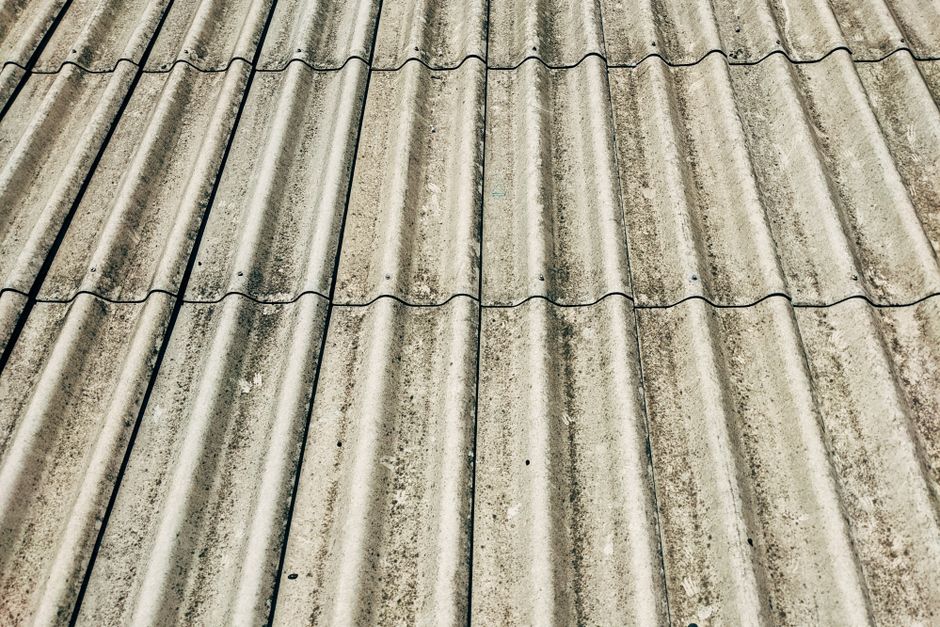
This can hit homeowners hard if their roof is aging but still functional.
- Question: What is the roof age trigger in my policy for replacement cost versus ACV?
- Question: How does depreciation work if my roof is, say, 12 years old?
- Question: What documentation do I need to prove my roof’s age?
Pro tip: That’s where your dated photos come in. Show pictures from 12+ years ago or receipts from roof installation if you have them. The better the proof, the stronger your argument for replacement cost coverage.
4. Cosmetic Damage Exclusions
Many policies now exclude cosmetic damage to roofs, especially metal roofs, which often show dents or paint chipping that don’t compromise function but can look ugly.
- Question: Does my policy contain a cosmetic damage exclusion for my roof?
- Question: If my roof shows hail dents but is still structurally sound, what kind of claims, if any, would be covered?
- Question: How do metal roofs differ in coverage compared to shingle roofs, especially concerning cosmetic issues?
- Warning: Don’t let contractors pressure you into “same-day signatures” on roof repair contracts, especially if cosmetic damage is disputed. I keep a running list of roof-scam lines—they often claim cosmetic damage is urgent when it’s not.
5. Metal Roofs: Special Considerations for 2026
Metal roofs often have unique policy language, especially about cosmetic damage and hail impacts. Insurance carriers sometimes reduce payouts or exclude coverage for dents that don’t affect waterproofing.
- Question: How does my insurance handle metal roofs and hail damage compared to shingle roofs?
- Question: Are dents that do not affect water tightness covered or excluded?
- Question: If I have a metal roof, is there a different deductible or exclusion I should be aware of?
Summary Table: Essential Questions for Your Agent
Topic Sample Questions Why Ask? Wind & Hail Deductible Percentage
- What is my wind & hail deductible (%)?
- Is the deductible based on dwelling coverage?
Understand your out-of-pocket exposure before claims. Deductible Application
- How does deductible apply on a $8,000 claim?
- Can I lower this deductible?
Ensure expectations about when insurance pays. Roof Age Trigger
- When does replacement cost switch to ACV?
- How to prove roof age?
Know if you’ll lose depreciation dollars on older roofs. Cosmetic Damage Exclusion
- Is cosmetic damage excluded?
- What about dents on metal roofs?
Prevent surprises on what’s covered vs cosmetic only. Metal Roof Special Terms
- How are metal roofs treated differently?
- Are there deductibles or exclusions?
Identify limits on specialty roofing claims upfront.
Final Thoughts & Next Steps
In 2026, roof coverage is more complicated than ever, especially with rising deductibles, roof-age depreciation, and cosmetic exclusions muddying the waters. My final advice—

- Always pull your declarations page before calling your agent. Your policy might have changed since last year.
- Gather clear, dated photos of your roof’s condition. These can be a lifesaver when negotiating depreciation or disputing cosmetic claims.
- Don’t accept vague answers. If your agent uses terms like “usually” or “sometimes,” ask for specifics in your policy or endorsements.
- Beware of contractors pushing for quick signatures based on cosmetic damage reports. You deserve time to understand your coverage, especially with “roof age” or “cosmetic exclusion” clauses involved.
- Keep this post handy and bring your list of questions to your next conversation. Being prepared helps you advocate for your home and wallet better.
If you want help interpreting your policy language or deciding which coverages make sense for your roof in 2026, feel free to reach out. A little prep can save thousands and headaches down https://dibz.me/blog/my-roof-coverage-changed-at-renewal-and-i-missed-it-how-do-i-check-1183 the line.

Public Last updated: 2026-07-02 04:23:41 AM