The Evolution of Manufactured Cultured Stone A Comprehensive Guide
Introduction:
In the realm of construction and design, the use of stone has long been revered for its timeless beauty, durability, and versatility. While natural stone has been a popular choice for centuries, advancements in technology have led to the development of manufactured cultured stone as a viable alternative. This innovative material offers the aesthetic appeal of natural stone while providing additional benefits in terms of cost-effectiveness, consistency, and ease of installation. In this comprehensive guide, we will explore the evolution of manufactured cultured stone, its manufacturing process, applications, advantages, and sustainability aspects.
Evolution of Manufactured Cultured Stone:
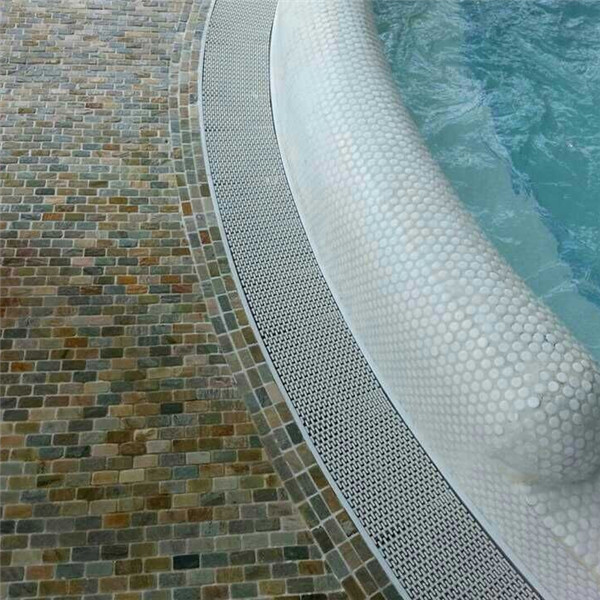
Manufactured cultured stone, also known as artificial or faux stone, has a history that dates back several decades. The concept of creating synthetic stone-like materials can be traced back to the early 20th century when manufacturers began experimenting with various substances to mimic the appearance and texture of natural stone. Over time, advancements in materials science and manufacturing processes have led to the development of high-quality cultured stone products that closely resemble the characteristics of natural stone.
The modern era of manufactured cultured stone began in the mid-20th century when companies started producing synthetic stone veneers using a combination of cement, aggregates, and pigments. These early products were primarily used for decorative purposes, such as cladding facades and accent walls, and were valued for their lightweight nature and ease of installation compared to traditional stone.
As technology continued to evolve, manufacturers refined their production techniques and expanded their product offerings to include a wide range of textures, colors, and styles. Today, manufactured cultured stone is available in a variety of forms, including panels, tiles, and architectural elements, making it a popular choice for both interior and exterior applications in residential, commercial, and landscaping projects.
Manufacturing Process of Manufactured Cultured Stone:
The manufacturing process of manufactured cultured stone involves a combination of natural materials and synthetic additives to create a durable and aesthetically pleasing product. While the specific methods may vary depending on the manufacturer and product type, the general process typically includes the following steps:
1. Material Selection: The primary ingredients used in the production of manufactured cultured stone include cement, lightweight aggregates (such as pumice or perlite), iron oxide pigments, and water. These materials are carefully selected to ensure optimal strength, color consistency, and texture.
2. Mixing: The selected materials are mixed together in precise proportions to form a homogenous mixture. Special additives may be included to improve workability, setting time, and other properties of the final product.
3. Molding: The mixed material is poured into molds that are designed to replicate the desired shape, texture, and size of the cultured stone product. The molds may be made of rubber, fiberglass, or other materials that can withstand the casting process.
4. Curing: Once the material is poured into the molds, it undergoes a curing process to allow the cement to harden and bond with the aggregates. This typically involves maintaining optimal temperature and humidity conditions for a specific period to ensure proper curing.
5. Demolding: After the curing process is complete, the molded cultured stone products are removed from the molds and inspected for quality control. Any imperfections or defects are addressed before the products are packaged and prepared for distribution.
Applications of Manufactured Cultured Stone:
Manufactured cultured stone offers a wide range of applications in the construction and design industry, thanks to its versatility, durability, and aesthetic appeal. Some common applications of manufactured cultured stone include:
1. Exterior Cladding: Cultured stone panels and veneers are commonly used to enhance the exterior facade of buildings, adding a touch of sophistication and character. Whether used as a full cladding system or as an accent feature, manufactured cultured stone can transform the look of any structure.
2. Interior Walls: Cultured stone tiles and panels are popular choices for interior walls, creating a warm and inviting atmosphere in residential and commercial spaces. From fireplace surrounds to accent walls, manufactured cultured stone can add visual interest and texture to any room.
3. Landscaping: Cultured stone pavers, stepping stones, and garden edging are popular landscaping elements that can enhance outdoor spaces such as patios, walkways, and garden beds. These durable and weather-resistant products provide a natural look while requiring minimal maintenance.
4. Architectural Elements: Manufactured cultured stone can be used to create a variety of architectural elements, including columns, arches, and cornices, that add elegance and charm to buildings. These decorative features can be customized to suit specific design requirements and styles.
5. Fireplace Surrounds: Cultured stone is a popular choice for fireplace surrounds and mantels, offering the beauty of natural stone without the weight and cost. Whether used in traditional or contemporary designs, manufactured cultured stone can create a focal point in any living space.
Advantages of Manufactured Cultured Stone:
Manufactured cultured stone offers a host of advantages over natural stone and other traditional building materials, making it a popular choice for architects, designers, and homeowners alike. Some key advantages of manufactured cultured stone include:
1. Cost-Effectiveness: Manufactured cultured stone is typically more affordable than natural stone, making it a budget-friendly option for projects with cost constraints. The lower production costs and lightweight nature of cultured stone also contribute to overall savings in installation and transportation.
2. Consistency: Unlike natural stone, which can vary in color, texture, and size, manufactured cultured stone offers consistent quality and uniformity across all pieces. This ensures a cohesive look and easy matching of components during installation, resulting in a professional finish.
3. Lightweight: Manufactured cultured stone is significantly lighter than natural stone, making it easier to handle and install without the need for heavy equipment or specialized labor. This lightweight characteristic also reduces structural load requirements and shipping costs.
4. Versatility: Cultured stone products come in a wide range of styles, colors, and textures, allowing for endless design possibilities and customization options. Whether seeking a rustic, modern, or traditional look, manufactured cultured stone can be tailored to suit any aesthetic preference.
5. Durability: Despite its lightweight nature, manufactured cultured stone is highly durable and resistant to weathering, impact, and moisture. This makes it an ideal choice for exterior applications where natural stone may be prone to deterioration over time.
6. Ease of Installation: Manufactured cultured stone is designed for easy installation using standard construction tools and techniques. With interlocking panels, tongue-and-groove systems, and adhesive backing options, cultured stone products can be quickly and efficiently installed by professionals or DIY enthusiasts.
Sustainability Aspects of Manufactured Cultured Stone:
In addition to its aesthetic and practical benefits, manufactured cultured stone also offers several sustainability advantages that make it an environmentally friendly building material. Some key sustainability aspects of cultured stone include:
1. Resource Efficiency: Manufactured cultured stone utilizes a combination of natural and recycled materials, such as cement, aggregates, and pigments, to reduce the extraction and depletion of natural stone resources. By optimizing material usage and minimizing waste, cultured stone contributes to resource conservation.
2. Energy Efficiency: The production process of manufactured cultured stone is energy-efficient compared to the extraction, processing, and transportation of natural stone. Manufacturers can control energy consumption through efficient mixing, molding, curing, and finishing techniques, resulting in lower carbon emissions and energy costs.
3. Reduced Waste: Cultured stone manufacturing generates minimal waste due to the precise mixing and molding processes that minimize excess material. Any leftover scraps or defective pieces can be recycled or repurposed, further reducing the environmental impact of production.
4. Longevity and Maintenance: Manufactured cultured stone is designed to be long-lasting and low-maintenance, reducing the need for frequent replacements or repairs. This longevity contributes to the overall sustainability of buildings and structures by minimizing material consumption and waste over time.
5. Recyclability: Cultured stone products can be recycled at the end of their lifecycle, either by returning them to the manufacturer for reuse or by repurposing them in other construction projects. This closed-loop recycling approach reduces landfill waste and promotes a circular economy for building materials.
Conclusion:
Manufactured cultured stone has evolved into a versatile and sustainable building material that offers a compelling alternative to natural stone in various construction and design applications. With culture stone -effectiveness, consistency, durability, and aesthetic appeal, cultured stone has become a popular choice for architects, designers, and homeowners looking to achieve the look and feel of natural stone without the associated challenges and costs. As technology continues to advance and environmental concerns grow, manufactured cultured stone is poised to play a key role in shaping the future of sustainable construction practices. Whether used for exterior cladding, interior walls, landscaping, or architectural elements, cultured stone products offer endless possibilities for creativity and innovation in the built environment.
In the realm of construction and design, the use of stone has long been revered for its timeless beauty, durability, and versatility. While natural stone has been a popular choice for centuries, advancements in technology have led to the development of manufactured cultured stone as a viable alternative. This innovative material offers the aesthetic appeal of natural stone while providing additional benefits in terms of cost-effectiveness, consistency, and ease of installation. In this comprehensive guide, we will explore the evolution of manufactured cultured stone, its manufacturing process, applications, advantages, and sustainability aspects.
Evolution of Manufactured Cultured Stone:
Manufactured cultured stone, also known as artificial or faux stone, has a history that dates back several decades. The concept of creating synthetic stone-like materials can be traced back to the early 20th century when manufacturers began experimenting with various substances to mimic the appearance and texture of natural stone. Over time, advancements in materials science and manufacturing processes have led to the development of high-quality cultured stone products that closely resemble the characteristics of natural stone.
The modern era of manufactured cultured stone began in the mid-20th century when companies started producing synthetic stone veneers using a combination of cement, aggregates, and pigments. These early products were primarily used for decorative purposes, such as cladding facades and accent walls, and were valued for their lightweight nature and ease of installation compared to traditional stone.
As technology continued to evolve, manufacturers refined their production techniques and expanded their product offerings to include a wide range of textures, colors, and styles. Today, manufactured cultured stone is available in a variety of forms, including panels, tiles, and architectural elements, making it a popular choice for both interior and exterior applications in residential, commercial, and landscaping projects.
Manufacturing Process of Manufactured Cultured Stone:
The manufacturing process of manufactured cultured stone involves a combination of natural materials and synthetic additives to create a durable and aesthetically pleasing product. While the specific methods may vary depending on the manufacturer and product type, the general process typically includes the following steps:
1. Material Selection: The primary ingredients used in the production of manufactured cultured stone include cement, lightweight aggregates (such as pumice or perlite), iron oxide pigments, and water. These materials are carefully selected to ensure optimal strength, color consistency, and texture.
2. Mixing: The selected materials are mixed together in precise proportions to form a homogenous mixture. Special additives may be included to improve workability, setting time, and other properties of the final product.
3. Molding: The mixed material is poured into molds that are designed to replicate the desired shape, texture, and size of the cultured stone product. The molds may be made of rubber, fiberglass, or other materials that can withstand the casting process.
4. Curing: Once the material is poured into the molds, it undergoes a curing process to allow the cement to harden and bond with the aggregates. This typically involves maintaining optimal temperature and humidity conditions for a specific period to ensure proper curing.
5. Demolding: After the curing process is complete, the molded cultured stone products are removed from the molds and inspected for quality control. Any imperfections or defects are addressed before the products are packaged and prepared for distribution.
Applications of Manufactured Cultured Stone:
Manufactured cultured stone offers a wide range of applications in the construction and design industry, thanks to its versatility, durability, and aesthetic appeal. Some common applications of manufactured cultured stone include:
1. Exterior Cladding: Cultured stone panels and veneers are commonly used to enhance the exterior facade of buildings, adding a touch of sophistication and character. Whether used as a full cladding system or as an accent feature, manufactured cultured stone can transform the look of any structure.
2. Interior Walls: Cultured stone tiles and panels are popular choices for interior walls, creating a warm and inviting atmosphere in residential and commercial spaces. From fireplace surrounds to accent walls, manufactured cultured stone can add visual interest and texture to any room.
3. Landscaping: Cultured stone pavers, stepping stones, and garden edging are popular landscaping elements that can enhance outdoor spaces such as patios, walkways, and garden beds. These durable and weather-resistant products provide a natural look while requiring minimal maintenance.
4. Architectural Elements: Manufactured cultured stone can be used to create a variety of architectural elements, including columns, arches, and cornices, that add elegance and charm to buildings. These decorative features can be customized to suit specific design requirements and styles.
5. Fireplace Surrounds: Cultured stone is a popular choice for fireplace surrounds and mantels, offering the beauty of natural stone without the weight and cost. Whether used in traditional or contemporary designs, manufactured cultured stone can create a focal point in any living space.
Advantages of Manufactured Cultured Stone:
Manufactured cultured stone offers a host of advantages over natural stone and other traditional building materials, making it a popular choice for architects, designers, and homeowners alike. Some key advantages of manufactured cultured stone include:
1. Cost-Effectiveness: Manufactured cultured stone is typically more affordable than natural stone, making it a budget-friendly option for projects with cost constraints. The lower production costs and lightweight nature of cultured stone also contribute to overall savings in installation and transportation.
2. Consistency: Unlike natural stone, which can vary in color, texture, and size, manufactured cultured stone offers consistent quality and uniformity across all pieces. This ensures a cohesive look and easy matching of components during installation, resulting in a professional finish.
3. Lightweight: Manufactured cultured stone is significantly lighter than natural stone, making it easier to handle and install without the need for heavy equipment or specialized labor. This lightweight characteristic also reduces structural load requirements and shipping costs.
4. Versatility: Cultured stone products come in a wide range of styles, colors, and textures, allowing for endless design possibilities and customization options. Whether seeking a rustic, modern, or traditional look, manufactured cultured stone can be tailored to suit any aesthetic preference.
5. Durability: Despite its lightweight nature, manufactured cultured stone is highly durable and resistant to weathering, impact, and moisture. This makes it an ideal choice for exterior applications where natural stone may be prone to deterioration over time.
6. Ease of Installation: Manufactured cultured stone is designed for easy installation using standard construction tools and techniques. With interlocking panels, tongue-and-groove systems, and adhesive backing options, cultured stone products can be quickly and efficiently installed by professionals or DIY enthusiasts.
Sustainability Aspects of Manufactured Cultured Stone:
In addition to its aesthetic and practical benefits, manufactured cultured stone also offers several sustainability advantages that make it an environmentally friendly building material. Some key sustainability aspects of cultured stone include:
1. Resource Efficiency: Manufactured cultured stone utilizes a combination of natural and recycled materials, such as cement, aggregates, and pigments, to reduce the extraction and depletion of natural stone resources. By optimizing material usage and minimizing waste, cultured stone contributes to resource conservation.
2. Energy Efficiency: The production process of manufactured cultured stone is energy-efficient compared to the extraction, processing, and transportation of natural stone. Manufacturers can control energy consumption through efficient mixing, molding, curing, and finishing techniques, resulting in lower carbon emissions and energy costs.
3. Reduced Waste: Cultured stone manufacturing generates minimal waste due to the precise mixing and molding processes that minimize excess material. Any leftover scraps or defective pieces can be recycled or repurposed, further reducing the environmental impact of production.
4. Longevity and Maintenance: Manufactured cultured stone is designed to be long-lasting and low-maintenance, reducing the need for frequent replacements or repairs. This longevity contributes to the overall sustainability of buildings and structures by minimizing material consumption and waste over time.
5. Recyclability: Cultured stone products can be recycled at the end of their lifecycle, either by returning them to the manufacturer for reuse or by repurposing them in other construction projects. This closed-loop recycling approach reduces landfill waste and promotes a circular economy for building materials.
Conclusion:
Manufactured cultured stone has evolved into a versatile and sustainable building material that offers a compelling alternative to natural stone in various construction and design applications. With culture stone -effectiveness, consistency, durability, and aesthetic appeal, cultured stone has become a popular choice for architects, designers, and homeowners looking to achieve the look and feel of natural stone without the associated challenges and costs. As technology continues to advance and environmental concerns grow, manufactured cultured stone is poised to play a key role in shaping the future of sustainable construction practices. Whether used for exterior cladding, interior walls, landscaping, or architectural elements, cultured stone products offer endless possibilities for creativity and innovation in the built environment.

Public Last updated: 2025-06-06 04:19:26 AM