When DIY Fails: Why You Need Professional Septic Services

A septic system is easy to ignore when it works. Wastewater disappears, drains stay clear, and the yard gives no hint that a small treatment plant is quietly doing its job underground. That invisibility is exactly why homeowners underestimate it. People will patch drywall, replace a faucet, even rewire a light fixture with a healthy respect for the limits of DIY. Then the septic system starts acting up, and suddenly a shovel, a bottle of drain opener, and a few internet searches seem like enough.
They usually are not.
Septic problems punish guesswork. A slow drain might be a clogged branch line inside the house, or it might be an overloaded tank, a blocked effluent filter, a failing pump, a crushed pipe, a saturated drain field, or groundwater pushing where it should not. Those issues can overlap, mask one another, and worsen fast. What looks like a simple backup on Friday evening can become a sewage release in the basement by Saturday morning.
That is the dividing line between casual maintenance and real septic services. A professional does not just remove a symptom. They diagnose the system as a whole, from the inlet baffle to the soil absorption area, and they make decisions based on hydraulic behavior, tank levels, solids accumulation, site conditions, and local code. When the stakes include health risks, environmental contamination, and repairs that can run into the thousands, that level of judgment matters.
The problem with septic systems is that they fail quietly, until they do not
Most household systems decline in stages. There may be a faint odor near the tank lid after heavy rain. The washing machine drain may gurgle. Toilets may seem sluggish only when guests are over. Grass over the drain field may grow a little faster than the rest of the yard. None of those signs screams emergency, which is why people dismiss them or try the cheapest possible fix.
I have seen homeowners chase the wrong problem for weeks because each symptom seemed isolated. One family replaced two toilets and snaked three interior lines before anyone checked the tank. The actual issue was a clogged effluent filter and a tank overdue for pumping by several years. Another homeowner rented a small excavator because he was certain a single section of pipe had collapsed. He tore up a perfectly good stretch of yard. The real culprit was a pump control failure in a dosing system.
Septic systems invite this kind of misdiagnosis because the visible symptom is often far from the source. Water backs up in the lowest drain, but the restriction may be outside the house. Odors appear in the yard, but the cause may be poor venting or solids carryover from a neglected tank. Wet soil over the field may suggest failure, but after certain storms it can also reflect surface drainage problems that are forcing water into areas that should stay unsaturated. A professional knows how to sort those variables without making the site worse.
Why DIY tends to go wrong
The basic appeal of doing it yourself is understandable. Pumping, inspections, pump repairs, jetting, excavation, and drain field work are not cheap. Homeowners want to save money, and many are capable people who maintain the rest of their property well. The trouble is that septic work combines plumbing, excavation, wastewater treatment, soil science, confined-space safety, and code compliance. A mistake in one area can trigger damage in another.
One of the most common DIY errors is treating septic trouble like a standard drain clog. Chemical openers are poured down sinks. Long mechanical snakes are forced through lines with no clear understanding of where tees, elbows, or tank inlets sit. Sometimes this seems to help for a day or two, mainly because partial blockages shift. Meanwhile the tank remains full, solids stay high, or the outlet remains restricted. Worse, harsh chemicals can upset biological activity in the tank and create hazards for anyone servicing the system later.
Another frequent mistake is opening a tank without understanding the risks. Septic tanks can contain toxic gases, low oxygen conditions, deteriorated lids, and hidden structural weaknesses. People assume they only need a quick look. Then they lean over an opening too long, step on a compromised lid, or leave an unsecured access point exposed where a child or pet could be injured. Even locating the tank can be hazardous if aggressive probing damages shallow lines or strikes utilities.
Excavation is where costs really spiral. Homeowners often start digging before the diagnosis is settled because excavation feels productive. If the guessed location is wrong, they spend money to create a bigger problem: compacted soil over the field, damaged piping, broken risers, or disrupted grading that sends runoff toward the system. Septic components are less forgiving than they look. A machine that is perfectly appropriate for regrading a garden bed can permanently reduce the absorptive capacity of drain field soil.
What professionals actually bring to the job
The value of professional septic services is not just equipment, though equipment matters. It is trained interpretation. A good technician reads the entire system, not one symptom. They ask when the problem occurs, which fixtures are affected, whether there has been unusual rainfall, whether pumping records exist, whether there was recent landscaping, whether a garbage disposal was added, and whether occupancy changed. A house that went from two residents to six can stress a system that used to seem fine.
Then they verify conditions instead of guessing. Tank levels are checked in relation to the inlet and outlet. Baffles are inspected. Filters are cleaned and assessed. Pumps are tested under load. Floats, alarms, and control panels are evaluated. Distribution boxes are checked for even flow. If necessary, lines are camera-scoped or jetted. In some cases, the answer is refreshingly simple: pump the tank, clean the filter, educate the homeowner on water use. In others, that same process reveals a system near the end of its service life.
That distinction can save enormous money. Paying for a proper diagnosis may prevent unnecessary excavation or replacement. It can also prevent false optimism. I have met homeowners who were relieved that a backup “went away” after a rented snake cleared the line, only to face a full drain field replacement months later because the original issue, hydraulic overload, was never addressed. A professional is far more likely to say the uncomfortable but useful thing: this may function for now, but the field is showing signs of failure, and you should plan accordingly.
Small symptoms that deserve serious attention
A septic system rarely wakes up one morning and fails without warning. The warning signs are usually there, just easy to rationalize.
- Drains slow down in several fixtures at once, especially after laundry or showers.
- Sewage odors linger near the tank, drain field, or lowest drains in the house.
- Grass above part of the system becomes unusually green, soft, or wet.
- Gurgling appears in plumbing fixtures after heavy water use.
- A high-water alarm on a pump system activates, even if it later resets.
None of those signs automatically means catastrophic failure. Together, though, they justify a professional inspection. The cost of https://kylerzeyv162.raidersfanteamshop.com/residential-septic-services-a-practical-guide-for-homeowners checking early is usually modest compared with the cost of restoring a contaminated yard, replacing flooring after a backup, or excavating emergency access after the ground has become saturated.
The hidden costs of getting it wrong
Homeowners often compare the price of septic services to the cost of doing nothing or trying a quick fix. That is the wrong comparison. The real comparison is between professional diagnosis now and compound damage later.
Take a straightforward example. A neglected tank that should have been pumped two years ago continues receiving solids. Some of those solids move past the tank and into the drain field. Once field lines begin to clog with biomat and suspended solids, pumping the tank alone will not reverse the damage. What might have been a routine service call becomes a larger repair problem. Depending on site constraints, local requirements, and the type of system, that can mean anything from replacing distribution components to rebuilding the entire absorption area.
Then there is interior damage. Sewage backups do not just smell bad. They contaminate flooring, baseboards, drywall, insulation, and stored items. Cleanup is specialized because blackwater poses health risks. Insurance coverage can be limited or nuanced, especially if the underlying issue appears to be lack of maintenance rather than sudden accidental loss. A homeowner who delayed a $400 to $700 maintenance visit can easily find themselves staring at a restoration bill several times that amount, before any septic repair begins.
Environmental damage is less visible but just as serious. Untreated or poorly treated effluent can enter shallow groundwater, drainage ditches, nearby ponds, or neighboring properties. In rural areas where homes rely on wells, the stakes get personal quickly. Nobody wants to think about wastewater moving where drinking water comes from, but that is one reason local health departments regulate septic systems so closely. Professional work protects more than one household.
Pumping is not diagnosis, and diagnosis is not always repair
One reason septic issues confuse homeowners is that common terms get blurred. People say the system “needs service,” but that could mean routine pumping, a visual inspection, troubleshooting, line cleaning, pump replacement, riser installation, lid replacement, or a full site evaluation. Good septic services separate those tasks instead of collapsing them into a one-size-fits-all answer.
Pumping removes accumulated solids and scum from the tank. It is essential maintenance, but it does not tell the whole story. A tank can be pumped and still have a broken outlet baffle, a failed effluent pump, an uneven distribution box, or a saturated field. On the other hand, a camera inspection of house lines might show a sag or root intrusion that has nothing to do with the tank level. These are different problems that require different tools and decisions.
That is why experienced contractors often resist making promises over the phone. Homeowners sometimes interpret that hesitation as evasive. It is usually the opposite. Anyone who claims to know whether you need a new field before seeing the tank, site, and symptoms is either guessing or selling. The best providers explain what they can assess during the first visit and what may require additional testing or excavation.
Safety is a bigger factor than most people realize
There is an uncomfortable truth in septic work: it can kill people who underestimate it. That may sound dramatic for a household utility, but septic tanks and pump chambers are confined spaces. They can contain methane, hydrogen sulfide, carbon dioxide, and oxygen-deficient air. People have lost consciousness near open tanks or while attempting ill-advised entries. Lids can crack. Walls can deteriorate. Soil around old covers can be unstable.
Professionals are trained to treat these conditions with caution. They use proper tools to open lids, secure access points, and avoid unnecessary exposure. They do not climb into tanks for casual inspection. They understand lockout procedures for pumps and alarms. They know how to work around electrical controls in wet environments. This is not a matter of being overly careful. It is standard practice because the risks are real.
Homeowners also overlook pathogen exposure. Raw sewage carries bacteria, viruses, and parasites. Once wastewater backs up into a shower pan or spills into a crawlspace, cleanup is no longer a simple mopping job. Protective equipment, disinfection, and proper disposal become part of the response. Professional septic services often coordinate with restoration specialists when contamination spreads indoors, which is far safer than trying to handle everything with household cleaners.
Why older systems need even more professional oversight
A newer conventional system with accurate as-built drawings and easy tank access is one thing. A forty-year-old system on a rural property is another. Older installations may lack risers, have outdated materials, include buried steel components, or sit in locations altered by decades of landscaping and additions. The homeowner may not even know where all the parts are.
That uncertainty changes the job. Locating components without damaging them takes patience and experience. So does distinguishing between original layout issues and newer failures. Sometimes a system was undersized from the beginning but survived because occupancy stayed low for years. Then a home sale, renovation, or multigenerational living arrangement pushes it past its limit. Other times the system itself is sound, but roof runoff, sump discharges, or poor grading have been flooding the drain field and robbing the soil of the oxygen it needs to treat wastewater.
I once saw a property where every spring brought slow drains and wet patches downhill from the house. The owners assumed they needed a new septic system. What they actually needed, in addition to overdue maintenance, was corrected surface drainage from a recently built driveway that had redirected stormwater straight toward the field. A professional recognized the pattern because the wet area expanded after rain regardless of household water use. That kind of judgment is hard to copy from a tutorial.
The money question homeowners always ask
People want to know when paying for professional help is truly worth it. The blunt answer is this: almost any time you move beyond normal household observation and routine care. There is a place for responsible owner maintenance. You should know where your tank is, keep records, conserve water, avoid flushing wipes and grease, and schedule pumping at sensible intervals based on household size and tank capacity. You should watch for changes in drainage, odors, and wet spots.
Once a symptom suggests malfunction, the economics shift.
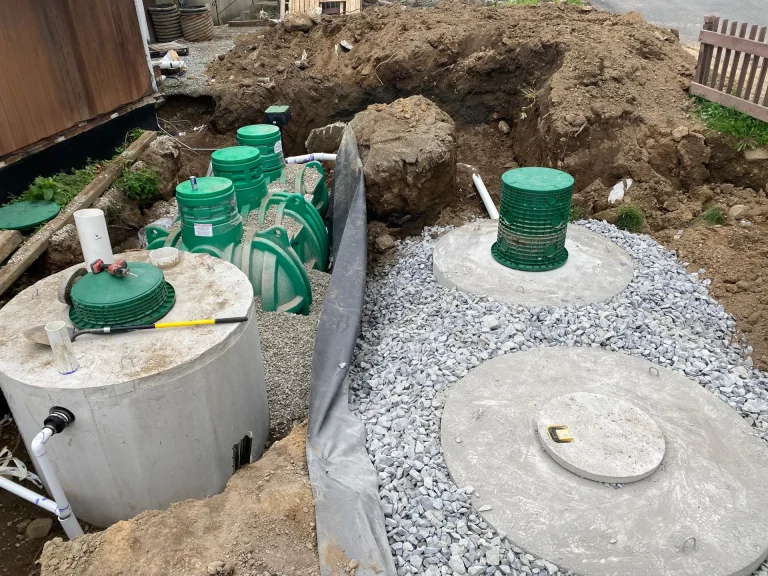
- Call for professional septic services when sewage backs up, alarms sound, multiple drains slow, or wet areas appear over the field.
- Call before digging near the tank or drain lines, especially for landscaping, patios, fencing, or additions.
- Call if you are buying a property with a septic system and records are incomplete or unclear.
- Call when pumping history is unknown, because baseline inspection matters as much as the pump-out itself.
- Call after unusually heavy rain or flooding if the system behaves differently than normal.
That may sound conservative, but it is usually the cheaper path. Early service often means a shorter visit, clearer diagnosis, and more options. Emergency service after a backup means urgency pricing, possible interior cleanup, and fewer choices because the system has already crossed into failure.
Professional service also protects property value
Septic systems rarely come up in conversation when the housing market is strong and houses are moving quickly. They become very important during inspection, appraisal, financing, or title questions tied to repairs and permits. A system with documented maintenance, clear access, and recent professional evaluation inspires confidence. A system with mystery lids, vague owner recollections, and visible drainage problems does the opposite.
Buyers notice odors. So do inspectors. Wet patches in the yard, lush strips of grass over the field, and missing maintenance records can all trigger further scrutiny. If the issue surfaces during a sale, the homeowner loses leverage. Now the clock is running, contractors are busy, and every day matters. Having established relationships with reputable septic services before a transaction makes those moments much easier to manage.
Even if you are not selling, documented care has practical value. Service records help future technicians understand what has changed. Knowing when the tank was pumped, whether the filter was cleaned, whether a pump was replaced, and how the field behaved after storms creates a maintenance history. That history often leads to faster and more accurate troubleshooting.
Choosing the right septic professional matters too
Not every contractor approaches septic work with the same thoroughness. Some focus mainly on pumping. Others specialize in diagnostics, repairs, advanced treatment units, or new installations. The best fit depends on the system and the problem. What matters most is whether the provider asks careful questions, explains findings clearly, and stays grounded in what can actually be observed.
A reliable professional will usually talk plainly about uncertainty. They may tell you the tank needs pumping before they can evaluate downstream behavior. They may say a field appears stressed but that weather conditions could be influencing performance. They may recommend staged work: maintenance first, then monitoring, then further testing if symptoms persist. That restraint is a good sign. Septic systems are too site-specific for blanket answers.
It also helps when providers educate without turning every visit into a sales pitch. Good septic services leave homeowners with practical information: how often to inspect, what not to flush, how water softener discharge or leaking fixtures can affect the system, why vehicles should stay off the field, and what seasonal changes to watch. That guidance reduces future emergencies and gives owners a better sense of control.
The systems that suffer most from DIY confidence
Certain setups are especially unforgiving. Pumped systems rely on electrical controls, floats, alarms, and dosing intervals. Aerobic treatment units add blowers, disinfection components, and maintenance needs that go well beyond a basic tank. Mound systems and pressure distribution systems depend on careful dosing and intact soil structure. In these cases, improvised fixes often cause secondary failures.
A homeowner may replace a float switch without understanding why it failed. Was the issue the switch itself, grease buildup, a damaged cord, a stuck pump, a tripped breaker, a corroded splice, or a control panel fault? Swapping parts until something runs again is not diagnosis. It is gambling with wastewater.
Even conventional gravity systems can surprise people. A simple lid replacement, for example, may turn complicated if the riser is deteriorated, the opening is nonstandard, or the tank top has shifted. Filter access that should take minutes can become a muddy excavation if the original installer buried everything too deep. Professionals deal with these realities routinely. Homeowners usually encounter them at the worst possible moment.
Good maintenance is still part of the picture
Professional help is not a substitute for owner responsibility. It works best when paired with sensible habits. Spread out laundry instead of doing five loads in one evening. Repair leaking toilets promptly, because a silent flapper leak can add surprising volume over time. Keep records. Protect the field from vehicles and deep-rooted plantings. Know whether your kitchen practices are sending grease and food solids into the tank faster than expected.
The point is not that homeowners should stay helpless around their own systems. The point is that septic care has a sharp boundary between wise oversight and risky intervention. Observing, documenting, conserving water, and scheduling routine service are good ownership. Opening tanks casually, excavating on guesses, relying on chemicals, or trying to outsmart a failing field are not.
Once you understand how many septic failures are really diagnosis failures at the start, the value of professional septic services becomes clearer. They do not just bring a truck or a pump. They bring a framework for reading a system that most people only think about when something has already gone wrong. That expertise is what keeps a manageable problem from turning into a contaminated yard, a damaged home, and a much larger bill.
Excavating New Jersey LLC
Address: 406 County Rd 565, Wantage, NJ 07461
Phone number: +19737914284
FAQ About Septic Services
What is the average cost to get a septic tank emptied?
Emptying a septic tank costs between $290 and $560 on average, with most homeowners paying about $420. Prices vary based on tank size.
What is septic service?
Septic service inspects, pumps, cleans, and maintains a septic tank. A septic tank is a large, underground container that collects and treats wastewater from your home. Over time, sludge, scum, and other debris, like hair and solids, can build up in your tank and clog your drain field.
How often should you have a septic tank serviced?
A standard septic tank should be inspected every 1 to 3 years and pumped every 3 to 5 years. However, the exact schedule depends on your tank's capacity, household size, and daily water usage.

Public Last updated: 2026-09-01 04:01:50 PM