Ensuring Safety and Reliability The Importance of Control Cable Grounding
Introduction
Control cable grounding is a critical aspect of electrical systems that is often overlooked but plays a significant role in ensuring the safety and reliability of operations. Grounding refers to the connection of electrical equipment or systems to the earth or to a reference voltage level. In the context of control cables, grounding serves several important purposes, including protection against electrical faults, interference mitigation, and ensuring proper signal transmission.
In this article, we will delve into the importance of control cable grounding, the various methods and techniques used for grounding control cables, and best practices to ensure effective grounding in different applications.
Understanding Control Cable Grounding
Control cables are essential components of electrical systems that transmit signals and data between different components, such as sensors, actuators, and control devices. These cables carry low-voltage signals that are susceptible to interference and noise from various sources, including electromagnetic interference (EMI) and radio frequency interference (RFI).
Grounding control cables involves providing a path for electrical currents to flow to the earth, thereby establishing a reference point for the system. Proper grounding helps to maintain the integrity of signals, prevent electrical faults, and protect equipment and personnel from potential hazards.
There are several key reasons why control cable grounding is essential:
1. Safety: Proper grounding helps to prevent electrical shocks and fires by providing a path for fault currents to safely dissipate to the earth. Grounding also reduces the risk of equipment damage and protects personnel from electric shock hazards.
2. Signal Integrity: Grounding helps to reduce electromagnetic interference and noise in control cables, thereby preserving the integrity of signals and ensuring reliable communication between devices.
3. Compliance: Many electrical codes and standards mandate the proper grounding of control cables to ensure compliance with safety regulations and industry best practices.
Methods of Control Cable Grounding
There are several methods and techniques used for grounding control cables, depending on the specific requirements of the system and the environment in which the cables are installed. Some common methods of control cable grounding include:
1. Single-Point Grounding: In this method, all the grounding connections in a system are connected to a single reference point, typically the main grounding bus or earth electrode. Single-point grounding helps to minimize ground loops and ensure consistent reference potential across the system.
2. Multi-Point Grounding: In multi-point grounding, multiple grounding connections are distributed throughout the system to provide localized grounding points for different components. This method is often used in large or complex systems to reduce the risk of ground loops and improve overall system stability.
3. Equipment Grounding: Equipment grounding involves connecting the metal enclosures or chassis of electrical equipment to the grounding system to provide a path for fault currents to dissipate. This helps to protect equipment and personnel from electrical hazards.
4. Shielding: Shielding is a technique used to protect control cables from external interference by enclosing them in a conductive material, such as a metal foil or braid. The shield is then connected to the grounding system to provide a path for unwanted currents to flow.
5. Grounding Electrodes: Grounding electrodes, such as rods, plates, or pipes, are used to establish a connection between the grounding system and the earth. Chemical resistant control cable help to dissipate fault currents and provide a low-impedance path to the earth.
Best Practices for Effective Control Cable Grounding
To ensure effective control cable grounding, it is important to follow best practices and guidelines that address the specific requirements of the system. Some key best practices for effective control cable grounding include:
1. Proper Design: Ensure that the grounding system is designed to meet the specific requirements of the system, including the type of cables, the environment, and the level of interference present. Consider factors such as fault currents, ground resistance, and soil conditions when designing the grounding system.
2. Use High-Quality Materials: Use high-quality grounding materials, such as copper or copper-clad steel, for grounding conductors and electrodes. Good-quality materials help to minimize resistance and ensure reliable grounding performance.
3. Maintain Low Impedance: Keep the impedance of the grounding system as low as possible to facilitate the safe dissipation of fault currents and reduce the risk of voltage gradients. Use short, straight conductors and minimize the number of connections to achieve low impedance.
4. Regular Maintenance: Perform regular inspections and maintenance of the grounding system to ensure that all connections are secure and free from corrosion or damage. Check grounding electrodes for proper bonding and continuity to maintain effective grounding.
5. Grounding Testing: Conduct periodic testing of the grounding system using methods such as ground resistance testing or impedance measurements. Testing helps to verify the effectiveness of the grounding system and identify any potential issues that may compromise safety and reliability.
6. Follow Standards and Regulations: Adhere to relevant electrical codes, standards, and regulations governing control cable grounding to ensure compliance with industry best practices and safety requirements. Consult with a qualified electrical engineer or technician to ensure that the grounding system meets all applicable standards.
Conclusion
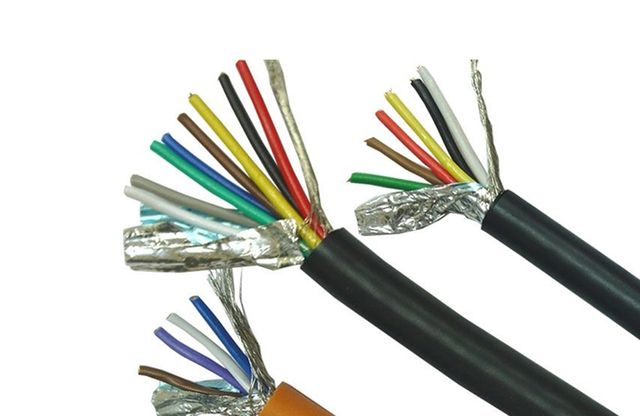
Control cable grounding is a critical aspect of electrical systems that plays a key role in ensuring the safety, reliability, and performance of operations. Proper grounding helps to protect equipment and personnel from electrical hazards, reduce interference, and maintain signal integrity in control cables.
By understanding the importance of control cable grounding, implementing appropriate grounding methods and techniques, and following best practices for effective grounding, organizations can enhance the safety and efficiency of their electrical systems.
Remember that proper grounding is not just a regulatory requirement but a fundamental aspect of electrical system design that can have a significant impact on the overall performance and longevity of control cables. By prioritizing control cable grounding, organizations can minimize risks, improve system reliability, and ensure the smooth operation of their electrical infrastructure.
Control cable grounding is a critical aspect of electrical systems that is often overlooked but plays a significant role in ensuring the safety and reliability of operations. Grounding refers to the connection of electrical equipment or systems to the earth or to a reference voltage level. In the context of control cables, grounding serves several important purposes, including protection against electrical faults, interference mitigation, and ensuring proper signal transmission.
In this article, we will delve into the importance of control cable grounding, the various methods and techniques used for grounding control cables, and best practices to ensure effective grounding in different applications.
Understanding Control Cable Grounding
Control cables are essential components of electrical systems that transmit signals and data between different components, such as sensors, actuators, and control devices. These cables carry low-voltage signals that are susceptible to interference and noise from various sources, including electromagnetic interference (EMI) and radio frequency interference (RFI).
Grounding control cables involves providing a path for electrical currents to flow to the earth, thereby establishing a reference point for the system. Proper grounding helps to maintain the integrity of signals, prevent electrical faults, and protect equipment and personnel from potential hazards.
There are several key reasons why control cable grounding is essential:
1. Safety: Proper grounding helps to prevent electrical shocks and fires by providing a path for fault currents to safely dissipate to the earth. Grounding also reduces the risk of equipment damage and protects personnel from electric shock hazards.
2. Signal Integrity: Grounding helps to reduce electromagnetic interference and noise in control cables, thereby preserving the integrity of signals and ensuring reliable communication between devices.
3. Compliance: Many electrical codes and standards mandate the proper grounding of control cables to ensure compliance with safety regulations and industry best practices.
Methods of Control Cable Grounding
There are several methods and techniques used for grounding control cables, depending on the specific requirements of the system and the environment in which the cables are installed. Some common methods of control cable grounding include:
1. Single-Point Grounding: In this method, all the grounding connections in a system are connected to a single reference point, typically the main grounding bus or earth electrode. Single-point grounding helps to minimize ground loops and ensure consistent reference potential across the system.
2. Multi-Point Grounding: In multi-point grounding, multiple grounding connections are distributed throughout the system to provide localized grounding points for different components. This method is often used in large or complex systems to reduce the risk of ground loops and improve overall system stability.
3. Equipment Grounding: Equipment grounding involves connecting the metal enclosures or chassis of electrical equipment to the grounding system to provide a path for fault currents to dissipate. This helps to protect equipment and personnel from electrical hazards.
4. Shielding: Shielding is a technique used to protect control cables from external interference by enclosing them in a conductive material, such as a metal foil or braid. The shield is then connected to the grounding system to provide a path for unwanted currents to flow.
5. Grounding Electrodes: Grounding electrodes, such as rods, plates, or pipes, are used to establish a connection between the grounding system and the earth. Chemical resistant control cable help to dissipate fault currents and provide a low-impedance path to the earth.
Best Practices for Effective Control Cable Grounding
To ensure effective control cable grounding, it is important to follow best practices and guidelines that address the specific requirements of the system. Some key best practices for effective control cable grounding include:
1. Proper Design: Ensure that the grounding system is designed to meet the specific requirements of the system, including the type of cables, the environment, and the level of interference present. Consider factors such as fault currents, ground resistance, and soil conditions when designing the grounding system.
2. Use High-Quality Materials: Use high-quality grounding materials, such as copper or copper-clad steel, for grounding conductors and electrodes. Good-quality materials help to minimize resistance and ensure reliable grounding performance.
3. Maintain Low Impedance: Keep the impedance of the grounding system as low as possible to facilitate the safe dissipation of fault currents and reduce the risk of voltage gradients. Use short, straight conductors and minimize the number of connections to achieve low impedance.
4. Regular Maintenance: Perform regular inspections and maintenance of the grounding system to ensure that all connections are secure and free from corrosion or damage. Check grounding electrodes for proper bonding and continuity to maintain effective grounding.
5. Grounding Testing: Conduct periodic testing of the grounding system using methods such as ground resistance testing or impedance measurements. Testing helps to verify the effectiveness of the grounding system and identify any potential issues that may compromise safety and reliability.
6. Follow Standards and Regulations: Adhere to relevant electrical codes, standards, and regulations governing control cable grounding to ensure compliance with industry best practices and safety requirements. Consult with a qualified electrical engineer or technician to ensure that the grounding system meets all applicable standards.
Conclusion
Control cable grounding is a critical aspect of electrical systems that plays a key role in ensuring the safety, reliability, and performance of operations. Proper grounding helps to protect equipment and personnel from electrical hazards, reduce interference, and maintain signal integrity in control cables.
By understanding the importance of control cable grounding, implementing appropriate grounding methods and techniques, and following best practices for effective grounding, organizations can enhance the safety and efficiency of their electrical systems.
Remember that proper grounding is not just a regulatory requirement but a fundamental aspect of electrical system design that can have a significant impact on the overall performance and longevity of control cables. By prioritizing control cable grounding, organizations can minimize risks, improve system reliability, and ensure the smooth operation of their electrical infrastructure.

Public Last updated: 2025-02-21 04:41:01 AM