The Role of Diesel Generators for Standby Power Solutions
Introduction
In today's modern society, the need for reliable and uninterrupted power supply has become increasingly important. From hospitals and data centers to manufacturing facilities and residential buildings, there is a growing demand for standby power solutions to ensure continuity of operations during power outages. One of the most popular and widely used standby power solutions is the diesel generator. In this article, we will explore the role of diesel generators for standby power, their advantages, applications, maintenance requirements, and environmental impact.
Overview of Diesel Generators
Diesel generators are a type of backup power system that uses a diesel engine to generate electricity. They are commonly used as standby power sources to provide electricity during grid power outages or in situations where grid power is unavailable or unreliable. Diesel generators come in a wide range of sizes and capacities, from small portable units suitable for residential use to large industrial generators capable of powering entire buildings or facilities.
Diesel generators operate by burning diesel fuel in an internal combustion engine, which drives an alternator to produce electricity. The diesel engine converts the energy stored in diesel fuel into mechanical energy, which is then converted into electrical energy by the alternator. The electricity produced by the generator can be used to power electrical devices and equipment, providing a reliable source of electricity when grid power is not available.
Advantages of Diesel Generators
There are several advantages to using diesel generators for standby power solutions:
1. Reliability: Diesel generators are known for their reliability and durability. They are designed to provide continuous power for extended periods, making them ideal for critical applications where uninterrupted power supply is essential.
2. Fuel Efficiency: Diesel engines are more fuel-efficient than gasoline engines, meaning that diesel generators can provide more power for the same amount of fuel. This makes diesel generators a cost-effective option for standby power solutions.
3. Longevity: Diesel generators are built to withstand heavy use and frequent starts and stops, making them a durable and long-lasting power solution. With proper maintenance, a diesel generator can last for many years, providing reliable backup power when needed.
4. Power Output: Diesel generators can produce a high level of power output, making them suitable for a wide range of applications, from residential backup power to industrial and commercial standby power solutions.
Applications of Diesel Generators
Diesel generators are used in a variety of applications where reliable backup power is essential. Some common applications of diesel generators include:
1. Hospitals and Healthcare Facilities: Hospitals require a continuous and reliable power supply to ensure the operation of critical medical equipment and systems. Diesel generators are often used as standby power sources in hospitals to provide backup power during power outages.
2. Data Centers: Data centers house critical IT infrastructure that requires uninterrupted power supply to prevent data loss and downtime. Diesel generators are commonly used in data centers to provide backup power in case of grid power failures.
3. Telecommunication Towers: Telecommunication towers require a reliable source of power to ensure uninterrupted communication services. Diesel generators are often installed at telecommunication towers to provide backup power during emergencies or power outages.
4. Manufacturing Facilities: Manufacturing facilities rely on a continuous power supply to operate machinery and equipment. Diesel generators are used as standby power sources in manufacturing facilities to prevent production disruptions during power outages.
Maintenance Requirements of Diesel Generators
To ensure the reliable operation of a diesel generator, regular maintenance is essential. Some key maintenance requirements for diesel generators include:
1. Regular Inspections: Diesel generators should be inspected regularly to check for signs of wear and tear, leaks, or other issues that could affect their performance. Inspections should include checking the fuel system, cooling system, electrical connections, and exhaust system.
2. Fuel Quality: Diesel generators require high-quality fuel to operate efficiently. It is important to use clean and properly treated diesel fuel to prevent contamination and ensure the longevity of the generator.
3. Oil Changes: Regular oil changes are essential to keep the diesel engine running smoothly. Dirty or old oil can cause engine wear and reduce the efficiency of the generator. It is important to follow the manufacturer's recommendations for oil change intervals and use the recommended type of oil.
4. Battery Maintenance: Diesel generators use batteries to start the engine and provide power to the control system. It is important to check the battery regularly for signs of corrosion, leaks, or low voltage, and replace the battery when necessary.
5. Load Testing: Periodic load testing is essential to ensure that the diesel generator can handle the required electrical load during a power outage. Load testing helps identify any issues with the generator's performance and ensures that it is ready to provide backup power when needed.
Environmental Impact of Diesel Generators
While diesel generators offer numerous benefits as standby power solutions, they also have environmental implications due to their reliance on fossil fuels. Diesel generators emit greenhouse gases, particulate matter, and other pollutants that can contribute to air pollution and climate change. To mitigate the environmental impact of diesel generators, several measures can be taken:
1. Emission Control Systems: Modern diesel generators are equipped with emission control systems, such as catalytic converters and diesel particulate filters, to reduce harmful emissions. These systems help minimize the environmental impact of diesel generators by reducing pollutants released into the atmosphere.
2. Alternative Fuels: Using alternative fuels, such as biodiesel or renewable diesel, can help reduce the carbon footprint of diesel generators. These fuels are produced from renewable sources and have lower emissions compared to traditional diesel fuel.
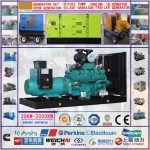
3. 500kw diesel generator : Improving the energy efficiency of diesel generators can help reduce fuel consumption and emissions. Regular maintenance, proper sizing of the generator, and optimizing the load profile can all contribute to improving the efficiency of diesel generators.
4. Hybrid Systems: Combining diesel generators with renewable energy sources, such as solar panels or wind turbines, can help reduce the reliance on fossil fuels and lower the environmental impact of standby power solutions. Hybrid systems can provide a more sustainable and environmentally friendly backup power solution.
Conclusion
Diesel generators play a crucial role in providing standby power solutions for a wide range of applications, from hospitals and data centers to manufacturing facilities and residential buildings. Their reliability, fuel efficiency, and high power output make them a popular choice for backup power systems. However, it is important to consider the environmental impact of diesel generators and take measures to mitigate their emissions.
By following proper maintenance practices, using high-quality fuel, and implementing emission control systems, the environmental impact of diesel generators can be minimized. Additionally, exploring alternative fuels, improving energy efficiency, and integrating hybrid systems can help make standby power solutions more sustainable and environmentally friendly. Diesel generators will continue to be an essential component of backup power systems, providing reliable electricity during emergencies and power outages.
In today's modern society, the need for reliable and uninterrupted power supply has become increasingly important. From hospitals and data centers to manufacturing facilities and residential buildings, there is a growing demand for standby power solutions to ensure continuity of operations during power outages. One of the most popular and widely used standby power solutions is the diesel generator. In this article, we will explore the role of diesel generators for standby power, their advantages, applications, maintenance requirements, and environmental impact.
Overview of Diesel Generators
Diesel generators are a type of backup power system that uses a diesel engine to generate electricity. They are commonly used as standby power sources to provide electricity during grid power outages or in situations where grid power is unavailable or unreliable. Diesel generators come in a wide range of sizes and capacities, from small portable units suitable for residential use to large industrial generators capable of powering entire buildings or facilities.
Diesel generators operate by burning diesel fuel in an internal combustion engine, which drives an alternator to produce electricity. The diesel engine converts the energy stored in diesel fuel into mechanical energy, which is then converted into electrical energy by the alternator. The electricity produced by the generator can be used to power electrical devices and equipment, providing a reliable source of electricity when grid power is not available.
Advantages of Diesel Generators
There are several advantages to using diesel generators for standby power solutions:
1. Reliability: Diesel generators are known for their reliability and durability. They are designed to provide continuous power for extended periods, making them ideal for critical applications where uninterrupted power supply is essential.
2. Fuel Efficiency: Diesel engines are more fuel-efficient than gasoline engines, meaning that diesel generators can provide more power for the same amount of fuel. This makes diesel generators a cost-effective option for standby power solutions.
3. Longevity: Diesel generators are built to withstand heavy use and frequent starts and stops, making them a durable and long-lasting power solution. With proper maintenance, a diesel generator can last for many years, providing reliable backup power when needed.
4. Power Output: Diesel generators can produce a high level of power output, making them suitable for a wide range of applications, from residential backup power to industrial and commercial standby power solutions.
Applications of Diesel Generators
Diesel generators are used in a variety of applications where reliable backup power is essential. Some common applications of diesel generators include:
1. Hospitals and Healthcare Facilities: Hospitals require a continuous and reliable power supply to ensure the operation of critical medical equipment and systems. Diesel generators are often used as standby power sources in hospitals to provide backup power during power outages.
2. Data Centers: Data centers house critical IT infrastructure that requires uninterrupted power supply to prevent data loss and downtime. Diesel generators are commonly used in data centers to provide backup power in case of grid power failures.
3. Telecommunication Towers: Telecommunication towers require a reliable source of power to ensure uninterrupted communication services. Diesel generators are often installed at telecommunication towers to provide backup power during emergencies or power outages.
4. Manufacturing Facilities: Manufacturing facilities rely on a continuous power supply to operate machinery and equipment. Diesel generators are used as standby power sources in manufacturing facilities to prevent production disruptions during power outages.
Maintenance Requirements of Diesel Generators
To ensure the reliable operation of a diesel generator, regular maintenance is essential. Some key maintenance requirements for diesel generators include:
1. Regular Inspections: Diesel generators should be inspected regularly to check for signs of wear and tear, leaks, or other issues that could affect their performance. Inspections should include checking the fuel system, cooling system, electrical connections, and exhaust system.
2. Fuel Quality: Diesel generators require high-quality fuel to operate efficiently. It is important to use clean and properly treated diesel fuel to prevent contamination and ensure the longevity of the generator.
3. Oil Changes: Regular oil changes are essential to keep the diesel engine running smoothly. Dirty or old oil can cause engine wear and reduce the efficiency of the generator. It is important to follow the manufacturer's recommendations for oil change intervals and use the recommended type of oil.
4. Battery Maintenance: Diesel generators use batteries to start the engine and provide power to the control system. It is important to check the battery regularly for signs of corrosion, leaks, or low voltage, and replace the battery when necessary.
5. Load Testing: Periodic load testing is essential to ensure that the diesel generator can handle the required electrical load during a power outage. Load testing helps identify any issues with the generator's performance and ensures that it is ready to provide backup power when needed.
Environmental Impact of Diesel Generators
While diesel generators offer numerous benefits as standby power solutions, they also have environmental implications due to their reliance on fossil fuels. Diesel generators emit greenhouse gases, particulate matter, and other pollutants that can contribute to air pollution and climate change. To mitigate the environmental impact of diesel generators, several measures can be taken:
1. Emission Control Systems: Modern diesel generators are equipped with emission control systems, such as catalytic converters and diesel particulate filters, to reduce harmful emissions. These systems help minimize the environmental impact of diesel generators by reducing pollutants released into the atmosphere.
2. Alternative Fuels: Using alternative fuels, such as biodiesel or renewable diesel, can help reduce the carbon footprint of diesel generators. These fuels are produced from renewable sources and have lower emissions compared to traditional diesel fuel.
3. 500kw diesel generator : Improving the energy efficiency of diesel generators can help reduce fuel consumption and emissions. Regular maintenance, proper sizing of the generator, and optimizing the load profile can all contribute to improving the efficiency of diesel generators.
4. Hybrid Systems: Combining diesel generators with renewable energy sources, such as solar panels or wind turbines, can help reduce the reliance on fossil fuels and lower the environmental impact of standby power solutions. Hybrid systems can provide a more sustainable and environmentally friendly backup power solution.
Conclusion
Diesel generators play a crucial role in providing standby power solutions for a wide range of applications, from hospitals and data centers to manufacturing facilities and residential buildings. Their reliability, fuel efficiency, and high power output make them a popular choice for backup power systems. However, it is important to consider the environmental impact of diesel generators and take measures to mitigate their emissions.
By following proper maintenance practices, using high-quality fuel, and implementing emission control systems, the environmental impact of diesel generators can be minimized. Additionally, exploring alternative fuels, improving energy efficiency, and integrating hybrid systems can help make standby power solutions more sustainable and environmentally friendly. Diesel generators will continue to be an essential component of backup power systems, providing reliable electricity during emergencies and power outages.

Public Last updated: 2025-07-24 02:18:07 AM