Heat Pump Service in McKinney: Is It Really Different From Standard AC Repair?
If you live anywhere from the manicured lawns of Stonebridge Ranch to the historic charm of Downtown McKinney, you know that our Texas weather is less of a "four seasons" experience and more of a "survival of the fittest" situation. One day it’s 102 degrees, and three months later, we’re bracing for an ice storm.
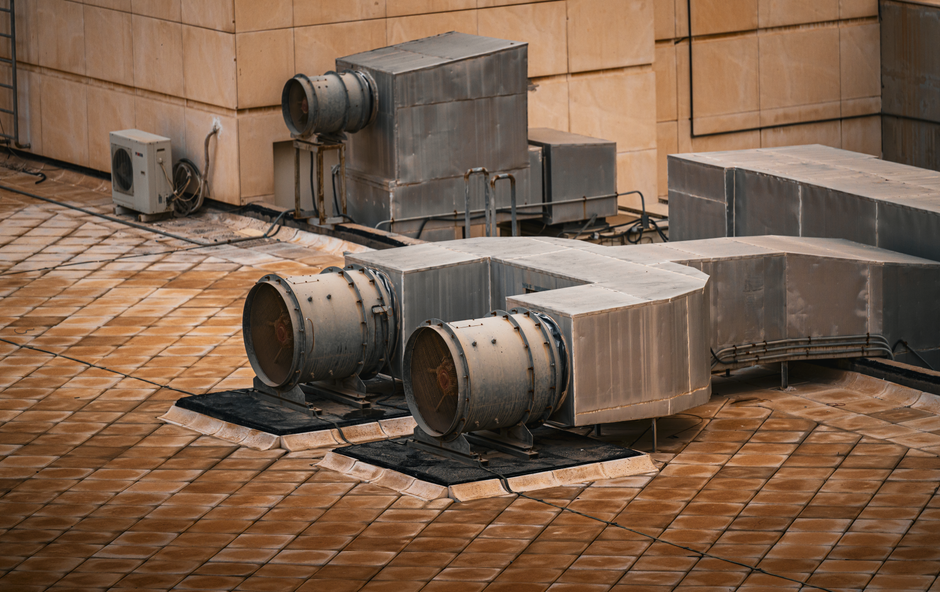
Because we deal with both extremes, many McKinney homeowners have switched to heat pumps. But here is the trap: many homeowners—and frankly, some inexperienced techs—treat a heat pump like a standard air conditioner. If you call for heat pump service in McKinney and the technician isn't looking at your system’s specific components, you’re just throwing money at a cooling problem that isn't being fixed.

Heat Pump vs. AC Repair: The Core Difference
At a surface level, your heat pump looks identical to a standard AC unit sitting on the side of your house. They both have a compressor, condenser coils, and a fan. However, the internal mechanics are fundamentally different. A standard AC unit is a one-way street; it only moves heat out of your home. A heat pump is a two-way street; it can move heat *out* in the summer and *in* during the winter.
When you have a mechanical failure, the "standard AC" approach often fails because it ignores the unique component that makes a heat pump special: the reversing valve.
What You Need to Know About Reversing Valve Symptoms
The reversing valve is the "traffic cop" of your heat pump. It tells the refrigerant whether to flow toward the indoor coil (to heat) or the outdoor coil (to cool). When this valve fails, you aren't just dealing with a lack of AC; you're dealing with a system that has essentially lost its "brain."
Common signs of a failing reversing valve include:
- A noticeable "hissing" sound while the unit is running.
- The system failing to switch between heating and cooling modes.
- Warm air blowing when the thermostat is set to cool (or vice versa).
- A loud "clunk" or metallic banging sound during the startup cycle.
What you should ask on the phone: When you call for service, don't just say "my AC is broken." Ask the dispatcher: "My heat pump isn't cycling between modes correctly. Is the technician experienced in diagnosing reversing valve or solenoid failures, or are they just trained for standard cooling-only compressors?"
Local Pros vs. The Franchise Network
McKinney residents often find themselves choosing between large franchise groups and established local legends. For example, if you look for service via a broader network like Neighborly (which oversees franchises like https://www.urbansplatter.com/2026/06/best-ac-repair-companies-in-mckinney-top-local-hvac-contractors-compared/ Aire Serv), you’re usually getting a standardized, high-volume service model. This can be great for quick, predictable response times.
However, many McKinney locals prefer the "neighborhood expert" approach. Companies like Bill Joplin’s Air Conditioning & Heating, Burnside Air Conditioning, Heating & Plumbing, and Airview AC & Heating Repair have been woven into the fabric of this community for years. They know exactly how local high-humidity levels affect McKinney heat pumps.
[Instagram Embed: Photo of a technician inspecting a unit in a McKinney residential neighborhood]
Comparing Your Options Company Best For Strength Airview AC & Heating Repair Quick, personalized troubleshooting Highly responsive for local emergencies. Bill Joplin’s Air Conditioning & Heating Large-scale installs & long-term maintenance Massive local history and established training programs. Burnside Air Conditioning, Heating & Plumbing Multi-system homes (HVAC + Plumbing) Convenience for owners with complex property needs.
Why NATE Certification Matters
If you see a company promising "certified technicians," push a little harder. In the world of HVAC, the gold standard is NATE (North American Technician Excellence). A NATE-certified technician isn't just someone with a toolbox; they have passed rigorous, real-world exams on specialized equipment.
What you should ask on the phone: "Will the technician coming to my house have a current NATE certification for heat pumps specifically, or are they a general-service apprentice?" If the company dodges this or claims it "doesn't matter," treat that as a red flag. Heat pumps require a higher degree of technical knowledge regarding refrigerant pressures—don't let an apprentice use your system as a training project.
Repair vs. Replacement: The Hard Conversation
Nothing annoys a homeowner more than a vague estimate. If a company tells you, "It’ll be between $500 and $5,000," they aren't giving you an estimate; they’re giving you a sales pitch.
When deciding between a repair and a full replacement, use the "50% Rule." If the cost of the repair exceeds 50% of the value of the unit, or if the unit is more than 10 years old and the repair is major (like a compressor or reversing valve), replacement is almost always the smarter financial move. McKinney’s summers are too punishing to keep a "limping" unit running for another season.
Practical Checklist for McKinney Homeowners
- Check the Filter First: 90% of "emergency" calls are actually just dirty filters causing airflow restriction. Don't pay a service fee for this!
- Confirm the Warranty Status: Have your serial number ready when you call. If your unit is under 10 years old, you might have a parts warranty that significantly lowers your cost.
- Get the Diagnostic Fee Upfront: Never let a tech come out without a clear "trip charge" or "diagnostic fee." If they say "it depends," hang up.
- Ask about "Refrigerant Charge" Transparency: If they tell you the system is low on refrigerant, ask them if they found the leak. Adding Freon without fixing the leak is a temporary fix that will cost you more in the long run.
The Bottom Line
Whether you're dealing with a system failure during a July heatwave or a winter cold snap, your heat pump needs a specialist. Don't let a "cooling-only" company talk you into a band-aid fix. Ask the right questions, stick to companies with a proven track record in our specific McKinney climate, and always—always—insist on seeing the NATE certification card before they open up your condenser.
Remember, a well-maintained heat pump in McKinney should last you a decade or more. Treat it with the respect it deserves, and it will keep your utility bills from spiraling out of control.
Looking for a specific recommendation? Check our latest Instagram roundup of local technicians working in the Craig Ranch area to see who our readers are currently trusting.
[Instagram Embed: Video demonstration of a heat pump maintenance checklist]

Public Last updated: 2026-06-12 09:16:24 PM