Are Private Cannabis Clinics in the UK Regulated Like Other Healthcare Services?
If you have spent any time researching medical cannabis in the UK, you have likely encountered a confusing landscape. You might see flashy advertisements online promising relief, followed by forum posts from patients frustrated by the high costs of private care. As someone who spent nearly a decade working within the National Health Service (NHS)—the UK’s publicly funded healthcare system—and advocating for patients navigating complex pathways, I have seen this confusion firsthand.
The question I get asked most often is: "Are these clinics actually regulated, or is it a free-for-all?" The short answer is that they are regulated, but the reality of how that regulation manifests in your living room via a video consultation is different from walking into your local GP (General Practitioner) surgery. Let’s break down the regulated framework that governs how you receive a specialist prescription today.
The 2018 Turning Point: What Actually Changed?
In November 2018, the UK government reclassified Cannabidiol (CBD)—a non-intoxicating compound found in the cannabis plant—and Cannabis-Based Products for Medicinal Use (CBPMs). Before this, these products were effectively inaccessible for clinical use. The legal change allowed specialist doctors to prescribe CBPMs under very specific circumstances.
It is crucial to clarify one point immediately: this was not a legalization of recreational cannabis. Medical cannabis is a highly controlled pharmaceutical-grade product. It is manufactured under strict quality standards, which is a world away from the illicit market. When you go through a private clinic, you are entering a clinical pathway that operates under the purview of the Care Quality Commission (CQC), which is the independent regulator of health and social care in England.
The NHS vs. The Private Access Gap
If the law allows for medical cannabis, why is it so difficult to get it on the NHS? This is the point where many patients feel let down. The reality is that the NHS is governed by guidance from the National Institute for Health and Care Excellence (NICE). Currently, NICE guidelines for cannabis-based medicinal products are extremely cautious. They only recommend prescribing in very narrow instances, such as severe childhood epilepsy or specific cases of spasticity in multiple sclerosis.
Because the NHS is so risk-averse regarding these new treatments, a "two-tier" system has emerged. Private clinics have stepped in to fill the access gap, treating conditions—such as chronic pain, anxiety, and PTSD (Post-Traumatic Stress Disorder)—that the NHS is currently not mandated to cover. This is where prescription oversight becomes vital. Private clinics are not just selling a product; they are theoretically managing a clinical condition, which requires consistent follow-ups and data collection.
How Digital-First Healthcare Shapes Your Experience
The growth of the medical cannabis sector in the UK is inextricably linked to the rise of telehealth platforms. Because there are relatively few specialists who are registered to prescribe CBPMs, physical location would be a massive barrier if clinics relied on bricks-and-mortar offices. Instead, most clinics have adopted a digital-first model.
What happens during a video consultation?
Here is what usually happens next: You register newsroompanama.com with a clinic, upload your summary care record from your NHS GP, and book a video consultation. The appointment is not a "chat" about whether you want cannabis; it is a clinical assessment conducted by a doctor who is on the General Medical Council (GMC) specialist register. They will review your medical history, your past failed treatments, and your current symptoms to determine if you are a candidate for a specialist prescription.
While this is convenient, the digital-first approach means you miss out on the physical clinical environment. You are responsible for ensuring your own environment is quiet and private, and you are reliant on your internet connection to facilitate a conversation that could determine your treatment plan for the next month.
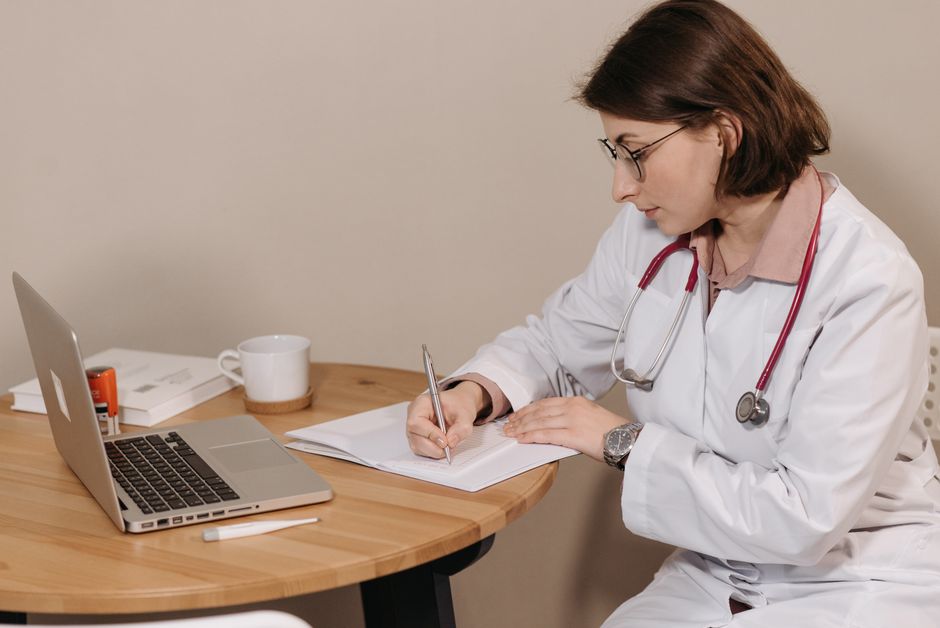
Comparing NHS Care and Private Cannabis Pathways
To understand the regulatory difference, it helps to look at the structure of the two systems side-by-side.
Feature NHS Care Private Cannabis Clinics Regulation NHS Trusts / CQC CQC Registered Prescriber NHS Consultant GMC Specialist Register Cost Free at point of use Consultation + Product fees Guidance Strict NICE protocols Clinical judgement / Specialist guidelines Digital Access Limited / Regional High / Nationwide via telehealth
Things Patients Wish They Knew Before the First Video Consult
I have spoken to many patients about their first steps into this world. Many arrived expecting a "miracle relief" solution and were overwhelmed by the bureaucracy. If you are preparing for your first appointment, keep this list in mind:
- Your NHS GP is not automatically informed: While private clinics are *supposed* to communicate with your GP, it doesn't always happen. You are your own primary advocate. Ask the clinic explicitly: "Will you be sending a letter to my GP following this appointment?"
- It is not a "one-and-done" prescription: You will likely need follow-up appointments every few months. Factor these into your budget, not just the cost of the medication itself.
- Medical cannabis is not a first-line treatment: You must prove that you have tried other, standard-of-care treatments first (like physical therapy or traditional medication) and that they have failed or caused intolerable side effects.
- Documentation is key: Have your medical records ready. If the clinic cannot verify your diagnosis, they cannot ethically or legally prescribe to you.
- Telehealth is a clinical encounter: Even though it's through a screen, treat it like an appointment at a hospital. Be prepared to discuss your goals for treatment in measurable terms (e.g., "I want to improve my sleep duration from four hours to six").
Is the Regulated Framework Actually Working?
The regulated framework for private cannabis clinics is designed to ensure patient safety, but it is not without its flaws. The CQC does inspect these clinics, but the rapid expansion of the sector has arguably outpaced the ability of regulators to ensure high-quality, standardized care across the board.
Some clinics provide a high level of support, with nurses and pharmacists available to discuss the titration—the process of adjusting the dose—of your medication. Others may feel more transactional, focused primarily on the issuance of the prescription. This is why prescription oversight is so critical. As a patient, you have the right to ask what the follow-up process looks like. If a clinic cannot tell you how they monitor your progress, or if they seem overly focused on increasing your dose without a clinical discussion, you should be asking questions.
Be wary of clinics that use vague, superlative language. Medicine is rarely about "miracles." It is about symptom management, quality of life, and risk mitigation. If a service sounds like it is selling a lifestyle product rather than a medical intervention, it is time to look elsewhere.

The Final Verdict
Think about it: are private cannabis clinics regulated? yes. They operate under the scrutiny of the CQC and employ doctors bound by GMC standards. However, "regulated" does not mean "standardized." You will find a wide variation in how these clinics operate, their level of support, and their approach to patient care.
If you are exploring this pathway, approach it as you would any other significant healthcare decision. Do your research, understand that you are entering a professional clinical relationship, and never be afraid to ask for clarity on their oversight processes. The goal is not just to access a prescription, but to access a treatment plan that is safe, effective, and sustainable for your individual needs.
The digital-first nature of these services offers a vital lifeline to many who have been left behind by the current limitations of the NHS, but it requires you to be a proactive, informed patient. Use your voice, hold your clinic to a high standard, and remember that when it comes to your health, you are the most important part of the equation.
Public Last updated: 2026-06-03 02:12:15 PM