From Exhaust to Efficiency: The Journey of Oxygen Sensors
In the world of automotive technology, efficiency and emissions control have become paramount concerns for manufacturers and consumers alike. One of the unsung heroes in the quest for cleaner air and better fuel economy is the oxygen O2 sensor. This small yet essential component plays a critical role in managing the engine's air-fuel ratio, ultimately influencing performance and environmental impact. As vehicles evolve and regulations tighten, understanding how oxygen sensors work is crucial for anyone interested in the inner workings of their car.
Oxygen O2 sensors monitor the levels of oxygen in the exhaust gases, providing vital feedback to the engine control unit. This information allows the vehicle to adjust the combustion process, ensuring optimal performance while minimizing harmful emissions. Despite their unobtrusive size, these sensors are key players in enhancing fuel efficiency and maintaining compliance with environmental standards. In this article, we will explore the journey of oxygen sensors, how they function, and their significant contribution to modern automotive engineering.
Understanding Oxygen Sensors
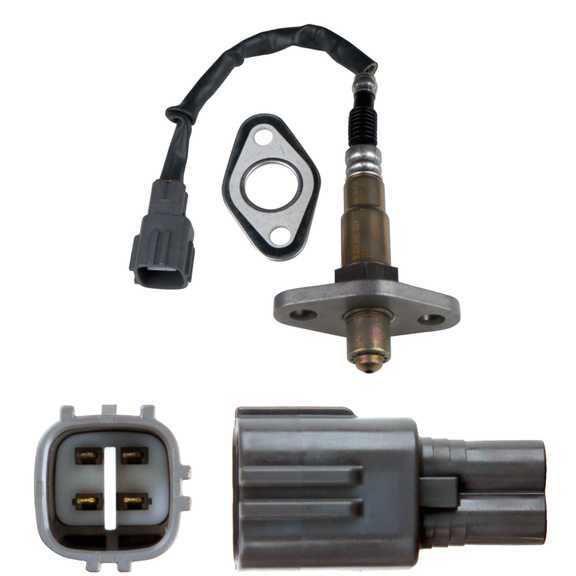
Oxygen sensors are crucial components in modern vehicles, playing a vital role in monitoring the exhaust gases produced by the engine. Their primary function is to measure the level of oxygen in the exhaust, which helps ensure the engine runs efficiently and within optimal emissions standards. By delivering real-time data to the vehicle's engine control unit (ECU), oxygen sensors enable adjustments to the air-fuel mixture, enhancing fuel efficiency and reducing harmful emissions.
There are primarily two types of oxygen sensors used in vehicles: upstream and downstream sensors. The upstream sensor is located before the catalytic converter and is responsible for delivering data needed to adjust the fuel mixture during combustion. In contrast, the downstream sensor is placed after the catalytic converter and monitors the efficiency of the converter itself. Both sensors work together to ensure the combustion process is efficient and that the vehicle adheres to environmental regulations.
The performance of oxygen sensors can significantly influence a vehicle's overall performance and fuel economy. A malfunctioning sensor can lead to an incorrect air-fuel ratio, resulting in poor fuel efficiency, increased emissions, and even potential engine damage. Therefore, understanding how these sensors work and their importance in the vehicle's operation is essential for any car owner looking to maintain their vehicle's efficiency and longevity.
The Role of O2 Sensors in Emissions Control
Oxygen sensors play a crucial role in a vehicle's emissions control system by monitoring the amount of oxygen in the exhaust gases. This data is essential for the Engine Control Unit (ECU) to determine the optimal air-fuel mixture for combustion. When the mixture is too rich or too lean, it can lead to increased harmful emissions, including carbon monoxide, hydrocarbons, and nitrogen oxides. By continuously adjusting the air-fuel ratio based on real-time oxygen readings, the O2 sensors help ensure that the combustion process is as efficient and clean as possible.
The feedback from oxygen sensors also aids in the operation of the catalytic converter, which is responsible for reducing toxic gases before they exit the exhaust system. When oxygen o2 sensors detect that the mixture is not at an ideal level, they signal the ECU to make necessary adjustments. This not only helps in maintaining compliance with emissions regulations but also enhances overall engine performance and fuel efficiency. Properly functioning oxygen sensors can significantly reduce the environmental impact of vehicles.
Failing or malfunctioning O2 sensors can lead to increased emissions and poor engine performance. When sensors provide inaccurate readings, the ECU may miscalculate the air-fuel mixture, causing excessive fuel consumption or harmful emissions. Regular maintenance and timely replacement of oxygen sensors are vital for ensuring that the vehicle remains in compliance with emissions standards and operates efficiently. By playing an integral role in emissions control, oxygen sensors contribute to cleaner air and a healthier environment.
Future Trends in Oxygen Sensor Technology
As the automotive industry moves toward greater environmental awareness, advancements in oxygen sensor technology are expected to play a crucial role in meeting stricter emissions standards. Innovations in materials and designs aim to enhance the sensitivity and accuracy of these sensors. New sensor technologies utilizing advanced ceramic materials and nanotechnology are emerging, which promise faster response times and improved durability. These advancements will allow vehicles to optimize fuel economy and reduce harmful emissions more effectively.
The integration of smart sensor systems is another promising trend in oxygen sensor technology. With the rise of connected vehicles and the Internet of Things, oxygen sensors are being developed to communicate data in real time to onboard diagnostics and vehicle management systems. This connectivity enables more precise control of the air-fuel mixture, enhancing vehicle performance and efficiency. Ultimately, smart oxygen sensors can help predict maintenance needs, reducing vehicle downtime and improving overall reliability.
Lastly, the push for alternative fuel vehicles is influencing the design and application of oxygen sensors. As electric vehicles and hybrid systems become more widespread, the need for oxygen sensors that can operate in diverse environments will increase. This includes sensors that can accurately measure oxygen levels in hydrogen fuel cells or biofuel applications. The future of oxygen sensors will likely include a broader range of applications and an emphasis on sustainability, aligning with the overall trend toward greener transportation solutions.

Public Last updated: 2025-02-08 08:23:51 AM