Autism Signs in Children Who Have Difficulty with Social Interactions in the Playground
Autism Signs in Children Who Have Difficulty with Social Interactions in the Playground
Have you ever watched a group of kids on a playground and felt a pang of confusion when one of them seems to be in a world of their own? The question isn’t whether the child is shy, but whether there are deeper signals—autism signs in children who have difficulty with social interactions in the playground—that deserve our attention. This article will guide parents, teachers, and caregivers through the subtle cues, the science behind them, and practical ways to support every child’s social journey.
Understanding the Playground Puzzle
The playground is a microcosm of society: a place where rules, roles, and rituals play out in real time. For most children, it’s a sandbox of spontaneous friendships and playful experiments. For some, however, the same environment can feel like a maze with invisible walls.
Social Interaction Basics
- Turn‑taking: Kids naturally learn to share and alternate activities.
- Non‑verbal cues: Eye contact, smiles, and body language signal interest and acceptance.
- Joint attention: Following a peer’s gaze to a shared object is a cornerstone of early social bonding.
When a child struggles with these fundamentals, it can be a sign that something else is at play.
Common Missteps
- Misreading cues: A child may see a friend’s laughter as a threat rather than invitation.
- Overstimulation: Bright colors, loud sounds, and crowded spaces can overwhelm, causing withdrawal.
- Communication gaps: Difficulty expressing wants or needs can leave a child isolated.
Recognizing these patterns helps us ask the right questions: Do they seem anxious? Do they avoid eye contact? Are they unusually quiet when others are talking?
Autism Signs in Children Who Have Difficulty with Social Interactions in the Playground
When children display consistent social challenges, especially in settings like the playground, it may point to autism spectrum disorder (ASD). Below are the most common signs to watch for.
Observational Red Flags
- Limited eye contact: Avoiding direct gaze can signal discomfort or sensory overload.
- Repetitive movements: Rocking, hand‑flapping, or spinning may serve as self‑soothing mechanisms.
- Selective engagement: The child may interact only with familiar peers or prefer solitary play.
Communication Cues
- Literal interpretation: Understanding jokes or sarcasm can be difficult.
- Delayed speech or atypical tone: Speech may be monotone or unusually high/low.
- Difficulty initiating or maintaining conversations: The child may start a dialogue but falter quickly.
Sensory Overload Signs
- Sensitivity to noise: Loud clatter or shouting may trigger a sudden withdrawal.
- Discomfort with touch: Uncomfortable with being touched or having their belongings taken.
- Visual overstimulation: Bright colors or fast movements can be distracting or frightening.
> “Autism is not a disease; it’s a different way of being.” – Dr. Temple Grandin
This quote reminds us that these signs are not deficits but variations that deserve empathy and support.
Why These Signs Matter
Spotting autism signs early is like finding a missing piece in a puzzle. It opens the door to targeted interventions that can transform a child's experience.
Early Intervention Benefits
- Improved social skills: Structured play can teach sharing and turn‑taking.
- Reduced anxiety: Predictable routines help children feel secure.
- Academic gains: Social confidence often translates into better classroom engagement.
Building Confidence
When children feel understood, they’re more likely to take risks. A supportive playground environment can boost self‑esteem and encourage exploration.
Practical Tips for Parents and Teachers
Here are actionable strategies to create a playground that welcomes every child, especially those showing autism signs in children who have difficulty with social interactions in the playground.
Creating a Welcoming Environment
- Designate quiet zones: Small shaded areas where children can retreat if overwhelmed.
- Use visual schedules: Timed charts or pictograms show what activities will happen next.
- Maintain consistent rules: Predictability reduces anxiety.
Structured Play Activities
- Turn‑based games: Games like “Red Light, Green Light” or “Simon Says” emphasize clear cues.
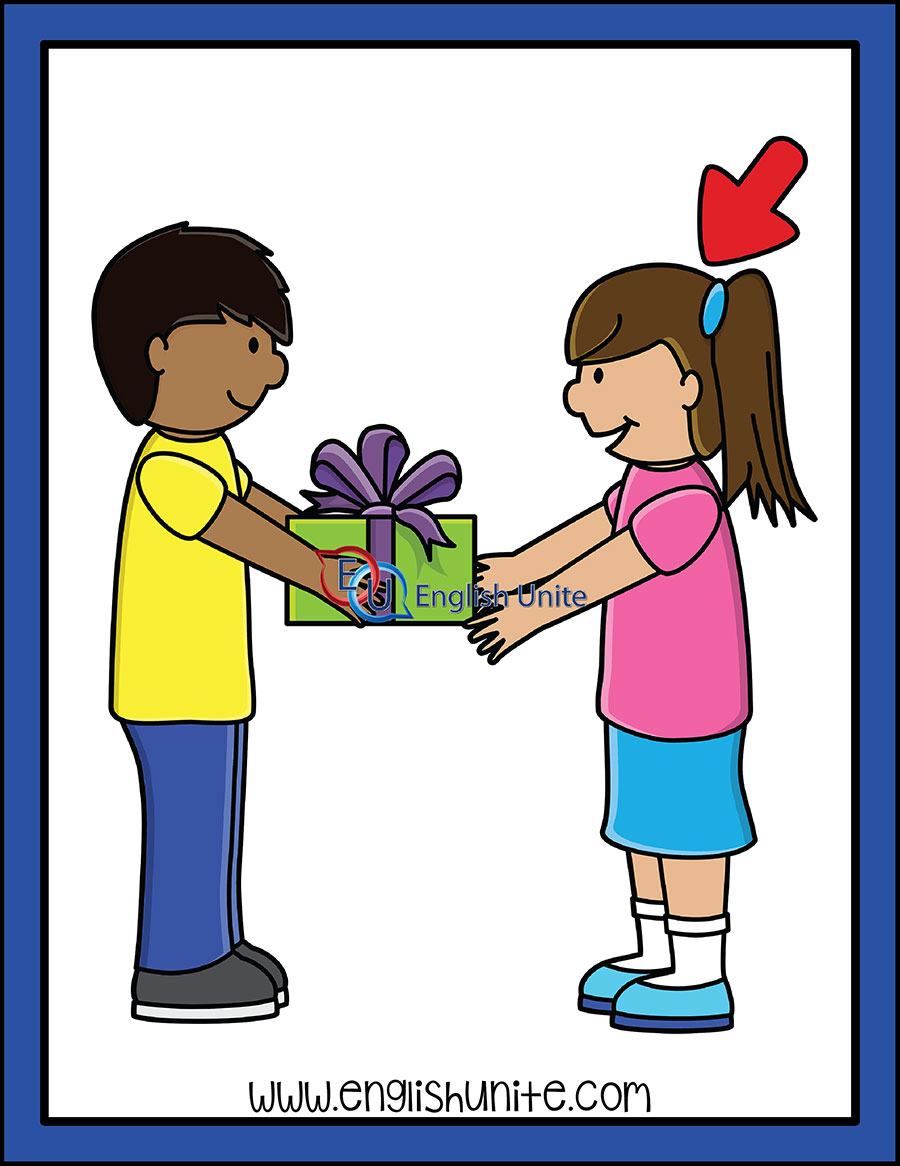
- Buddy systems: Pair a child with a supportive peer who can model social interactions.
- Sensory‑friendly equipment: Soft mats, low‑impact swings, and minimal bright lights help reduce overstimulation.
Encouraging Peer Connections
- Teach empathy: Simple phrases like “I see you’re playing alone; would you like to join?” encourage inclusivity.
- Celebrate small wins: Praise efforts to share or participate, not just outcomes.
- Use role‑play: Act out scenarios to practice social responses in a low‑stakes setting.
A Real‑World Snapshot
When Lily, a six‑year‑old with a quiet demeanor, joined a new class, her teacher noticed she rarely joined the group games. Instead, Lily spent hours on the swing, her eyes fixed on the sky. The teacher, remembering the red flags of autism signs in children who have difficulty with social interactions in the playground, introduced a buddy system. Lily’s new friend, Alex, invited her to a simple game of “Duck, Duck, Goose.” At first, Lily hesitated, but after a gentle nudge and a clear visual cue, she joined in. By the end of the week, Lily was laughing and taking turns, her confidence blossoming like a shy sunflower breaking through concrete.
Making Your Next Move Count
Recognizing autism signs in children who have difficulty with social interactions in the playground is the first step. The next is action—whether that means seeking a professional evaluation, enrolling in a social skills group, or simply adjusting the playground environment. Remember, every child is a unique story, and with the right support, the playground can become a stage where all can shine.
If you suspect a child might need help, consider consulting a pediatrician or developmental specialist. Early intervention is key, and a small shift in perspective or routine can create a world of difference.
*Ready to make a positive change? autism in toddlers Start by observing, then act—because every child deserves a chance to play, learn, and grow.*

Public Last updated: 2025-11-26 03:49:25 PM