"Selecting the Right Mini Split Air Conditioner for Your Home"
It's summertime, and we all want to stay comfortable in our homes despite the sweltering heat outside. Getting an air conditioner is a great option, but have you considered investing in mini split air conditioner? These units have been gaining popularity in recent years, and for good reasons. In this article, we will dive into their functionality and benefits to help you decide if it's the right fit for your home.
1) What are mini split air conditioners?
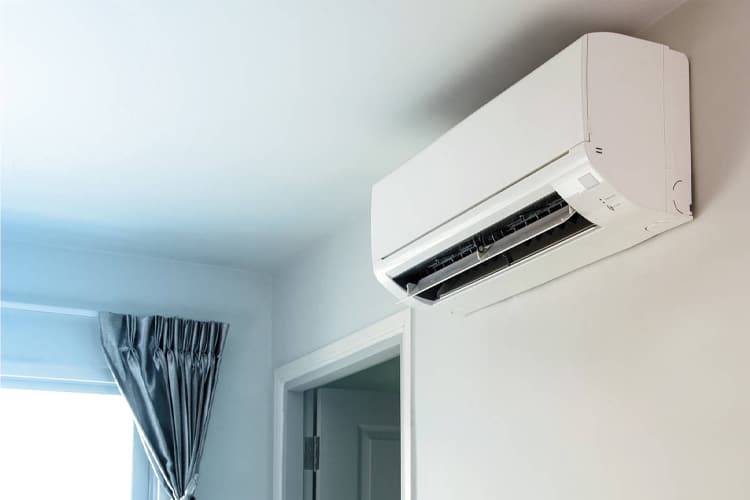
Mini split air conditioners, also known as ductless air conditioners, are a type of air conditioning system that doesn't require ductwork to distribute cooled air. Traditional central air conditioners cool air in a central unit and distribute it to different rooms through ducts. In contrast, mini split air conditioners have an outdoor unit and an indoor unit that are connected through a small conduit.
2) How do mini split air conditioners work?
Mini split air conditioners work by drawing in warm air from the room and passing it over evaporator coils, removing moisture and heat. The cool, dehumidified air is then distributed back into the room through the indoor unit. The outdoor unit contains a compressor that compresses and cools the refrigerant before circulating it back into the indoor unit. Unlike central air conditioning systems, mini split air conditioners can cool individual rooms or zones by using multiple indoor units.
3) What are the benefits of mini split air conditioners?
One of the most significant benefits of mini split air conditioners is their energy efficiency. Traditional central air conditioners can lose up to 30% of their efficiency due to ductwork leaks or lack of insulation. In contrast, mini split air conditioners don't use ducts, making them more energy-efficient. Additionally, because mini split air conditioners cool individual rooms or zones, you only need to cool the rooms you're using, making it a more cost-effective option than central air conditioning.
Another advantage of mini split air conditioners is their easy installation. Installing ductwork can be costly and time-consuming, especially if you're retrofitting your home or building a new one. In contrast, mini split air conditioners require only a small conduit to connect the outdoor and indoor units, making installation quick and straightforward.
Mini split air conditioners are also incredibly quiet. Traditional central air conditioning systems can be loud due to the noise of the blower fan and the vibrations of the ductwork. In contrast, mini split air conditioners have a silent indoor unit and an outdoor unit that produces a low hum.
4) Maintenance of Mini Split Air Conditioners
Like any other air conditioning system, mini split air conditioners require regular maintenance to work efficiently. The filters in the indoor unit need to be cleaned or replaced regularly to maintain proper airflow and prevent clogging. It's also essential to keep the outdoor unit clean and free of debris to ensure proper airflow and prevent overheating. Regular professional maintenance is also crucial to ensure that the system is working at its peak efficiency and catch any potential issues before they become big problems.
Conclusion:
Mini split air conditioners offer numerous benefits over traditional central air conditioning systems, such as energy efficiency, easy installation, quiet operation, and individual zone cooling. With proper maintenance, they can be a long-lasting and cost-effective option for keeping your home cool and comfortable. If you're interested in installing a mini split air conditioner, contact a qualified HVAC professional to help you find the right system for your home.

Public Last updated: 2024-01-18 06:51:31 AM