Residential Foundation Repair Checklist: 3 Things to Know Before You Call
A foundation problem rarely announces itself all at once. It shows up in uneven floors that feel a bit off, a sticky door in humid weather, a hairline crack that grows slowly enough you stop noticing it. I have walked hundreds of houses where small symptoms hid a bigger moisture or soil issue, and I have also seen dramatic diagonal cracks that turned out to be cosmetic. The difference often lies in the homework you do before the first phone call. If you know what to look for, what solutions actually do, and how to vet the people proposing them, you save time, protect your budget, and avoid the most common regrets.
This guide centers on three things to pin down before you talk to a contractor. They are practical, not theoretical, and they come from years of field notes, callbacks, and the occasional muddy crawl under a porch. The short version: document the right clues, understand which repairs address causes rather than symptoms, and choose a team that treats structure and water management as one system.
Why timing and context matter
Foundations move for three broad reasons: soil moisture swings, load paths that are not doing their job, and water that has no controlled way to leave. Clay soils shrink when they dry and swell when they get wet, which can tilt a slab or bow a wall by fractions of an inch that add up. Sandy or loamy soils drain better but erode if the slope pushes runoff toward the house. A plumbing leak in a slab or a gutter that dumps next to a footing can mimic settlement. Then there are design quirks, like a long unbraced wall or a beam pocket cut too shallow, that create stress points.
Season also shapes symptoms. After a long dry spell, you might see new gaps at window casings. After a week of rain, basement walls can weep and floors go out of level. In many regions, the sweet spot for diagnosing is late summer or early fall, when soil movement patterns have played out for the year.
Thing 1: Document symptoms and conditions like an investigator
You do not need to be an engineer to collect useful, objective information. You just need to slow down, notice, and write it down with dates and locations. Measurements over time tell a clearer story than any one-day inspection.
Here is a homeowner walk-around checklist I have used on countless first visits:
- Photograph every crack you can slip a credit card into, and stick a dated ruler or coin in the shot for scale.
- Use a 4 to 6 foot level or a marble to map out sloping floors, noting the direction and approximate drop.
- Check doors and windows for racking by opening and closing them, and note hinge-side rubs or latch misalignment.
- Walk the exterior during a steady rain to see where water collects, where downspouts discharge, and whether soil touches siding.
- Peek into the crawl space or basement for damp odors, efflorescence on walls, standing water, and hanging or split joists.
A few details matter more than most folks expect. Sill plates that look dark at the ends often signal chronic wetting from poor grading. Efflorescence, those white salt stains on block or concrete, tells you water has been moving through the wall even if it looks dry today. In crawl spaces, compressed or fallen fiberglass batts usually mean high humidity and gravity doing overtime. If the crawl has a musty smell and exposed soil, you likely benefit from crawl space encapsulation or at least better ventilation and drainage.
Soil and tree context belongs in your notes. A healthy oak can pull dozens of gallons of water per day during peak transpiration and can shift moisture content near a foundation, particularly in clay. Large trees within a canopy distance of the foundation are not automatic problems, but they belong in the picture. Likewise, note any recent plumbing work or known leaks. I have seen a persistent slab leak create a soft zone under one corner that mimicked settlement on two sides of a house.
Record relative humidity in the basement or crawl space if you can. A cheap hygrometer helps. Above 60 percent for long periods encourages mold, wood fiber swelling, and hardware corrosion. All three translate into unevenness and cosmetic cracking you might misread as structural failure.
The goal of this exercise is not to diagnose the fix on your own. It is to build a timeline and a map that makes your eventual inspection sharper and your quotes more comparable.
Thing 2: Know what the repair methods actually fix
The term foundation repair covers a small library of techniques, from underpinning to wall reinforcement to drainage and basement waterproofing. They are not interchangeable. The right solution depends on whether you are addressing movement, resisting pressure, or controlling water. If a proposal skips straight to a product without locating the cause, slow down.
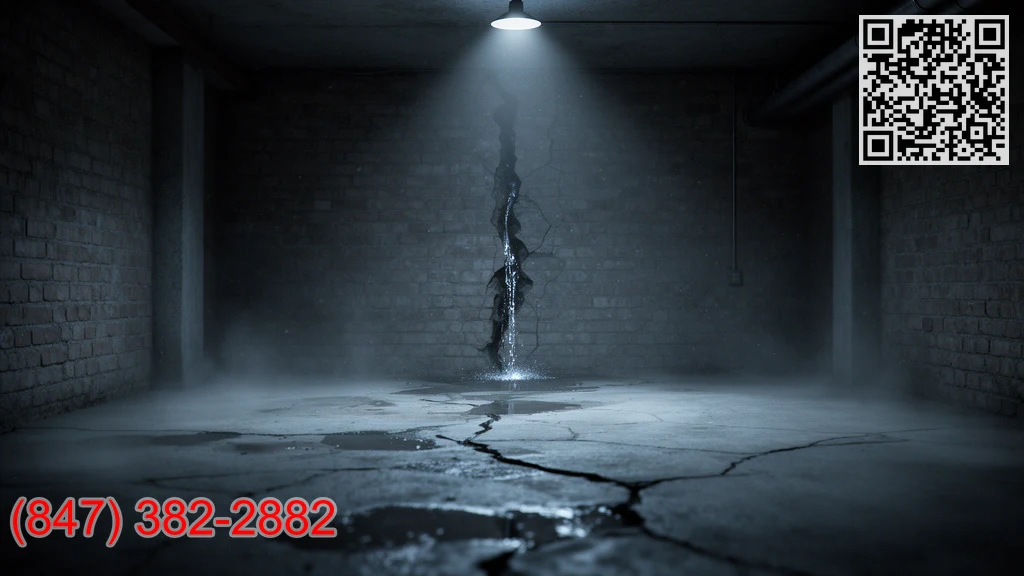
Here is a practical overview of common methods and what problems they tackle:
- Push or helical piers: Steel piers transfer load from unstable soil to deeper, more competent strata. Push piers use the structure’s weight to drive sections down. Helical piers are rotated in like screws, good when installation needs to be more controlled or loads are lighter, such as porches or additions. Expect exterior excavation at pier points and the possibility of some lift to recover elevation. These address settlement and are often paired with grading and gutter corrections to keep the problem from returning.
- Slabjacking or polyurethane foam injection: Ports are drilled through slabs, material is injected to fill voids and lift sunken areas. Great for garage floors, patios, and interior slab-on-grade rooms that have settled due to voids or minor subgrade consolidation. It does not correct expansive clay heave or structural footing settlement.
- Wall reinforcement: Carbon fiber straps, steel I-beams, or tie-back anchors resist lateral soil pressure that bows or cracks basement walls. Straps are low profile and effective on walls with less than about 2 inches of inward bow, while beams and anchors handle higher loads and allow some straightening over time. These do not cure water entry unless combined with drainage or basement waterproofing.
- Interior or exterior drainage with sump: French drains, drain tile, and sump pumps collect and move water away before it can pressurize your walls or slab. Interior systems are common in finished basements; exterior systems handle surface runoff and keep footings drier. Pairing drainage with downspout extensions and grading makes it stick. This is not foundation strengthening but often the missing piece.
- Crawl space encapsulation: Sealing soil with a thick vapor barrier, taping seams, insulating rim joists appropriately, and conditioning or dehumidifying the space converts a damp crawl into a controlled environment. It prevents moisture swings that warp subfloors and rot sills. If you have chronic odors, cupped hardwoods above, or rusted HVAC in the crawl, this can be as structural as any pier. Many homeowners search encapsulate crawlspace or encapsulate crawl space and find a cascade of options. Quality matters more than brand names.
Costs range widely by region and access. As a ballpark, pier systems often start in the low four figures per pier and go up with depth and engineering. Slabjacking for a typical two-car garage might run in the low to mid four figures. Wall reinforcement can range from a few thousand for carbon fiber on a short wall to five figures with beams and excavation. A full perimeter interior drain with a sump can land in the mid to high four figures, more with complex finishes. Crawl space encapsulation ranges from a few thousand for a small, simple space to well over ten thousand for large, low, or debris-filled areas, especially if you add a dehumidifier or structural sistering. These are not quotes, they are starting points to frame expectations.
Beware the all-or-nothing pitch. I have seen houses stabilized with a dozen piers where two corners and a proper water management plan would have done the job. I have also seen foam injection sold to fix slab heave driven by expansive clay and a broken gutter. Six months later the foam bonded beautifully to a slab that kept moving. The fix did not match the cause.
On basements, separate the idea of blocking water with coatings from managing it with drainage. True basement waterproofing designs for a path of least resistance, not a thicker paint. On crawls, encapsulation that ignores groundwater or leaves a trough of standing water under plastic is not a solution, it is a trap. If you see a proposal for an encapsulated crawl space that does not mention drainage, a sealed liner on the walls, a termite inspection gap if required in your state, and a plan to condition the air, you are looking at a shortcut.
Thing 3: Vet contractors like you are hiring a teammate
Most regrets I hear are not about the technical solution. They are about process, communication, and aftercare. The right company looks past a single symptom and ties structure to water management. You want thorough diagnosis, clear scope, and accountability baked into the paperwork.
When you start searching for foundation repair near me or foundation repairs near me, you will see ads, national brands, and local outfits that focus on one type of work. You do not need a logo as much as you need competence. A few practical filters help:
- Credentials and insurance: In many states, foundation repair requires a license or registration. Ask for proof of general liability and workers’ compensation. Verify them. If the company subcontracts crews, confirm coverage extends to subs.
- Engineer involvement: For significant settlement, major wall movement, or complicated structures, a licensed structural engineer’s design or review is worth the money. Some companies have engineers on staff, others partner with independent firms. A stamped plan can also streamline permits and resale disclosures.
- Scope clarity: A written proposal should list each repair component, locations, access points, and what will and will not be restored. If landscaping, decks, or interior finishes will be disturbed, that should be spelled out. Look for language describing target outcomes. Are they stabilizing, lifting, or just reducing symptoms?
- Warranty realism: Lifetime warranties sound generous until you read the exclusions. Underpinning warranties typically cover the specific pier locations against further settlement, not the whole house. Drainage and basement waterproofing warranties often cover workmanship, not flood acts or power outages. Service agreements for sump pumps matter. Put eyes on the fine print and ask how warranty claims are handled five or ten years down the line.
- References and local knowledge: Ask for two recent projects that match yours in soil and structure. A contractor who works your county weekly will know how clay behaves on your street, what the permit office expects, and where utilities like to hide. If you search foundations repair near me and see a shop with hundreds of reviews in your city, that says they show up. Still, pick up the phone and talk to a past customer.
Red flags are consistent. Pressure to sign same day to lock in a discount, a one-size-fits-all product pitch, or a quote that is vague on access or restoration usually ends in change orders. A proposal that treats water control as optional when the basement smells musty will keep you on the merry-go-round. If someone recommends crawl space encapsulation without even crawling the space or measuring humidity, find a second opinion.
Permits, utilities, and what happens during work
Underpinning and structural wall work often needs permits. Interior drainage and basement waterproofing may or may not, depending on your jurisdiction. Crawl space encapsulation rarely triggers a permit unless structural repairs or electrical work are included, but check. If permits are required, the contractor should pull them, not you, and inspections should be scheduled into the timeline. In my region, typical underpinning permits add a week or two for review and a mid-project inspection.
Utility locates are non-negotiable for exterior digging. Gas, electric, water, communications, and private lines like irrigation or landscape lighting need to be flagged. Most companies handle the public locate service, but private lines are your responsibility unless the contract says otherwise. I have seen more than one fiber line cut because it was installed after the last survey.
Noise and vibration accompany piers and slab work. If lift is planned, expect creaks as load redistributes. Cabinet doors might move. Good crews warn you before any lift and walk you through the process room by room. For interior basement or crawl work, plan for dust control and temporary relocation of stored items. Ask about how they protect finished spaces and manage debris.
Pets and kids require planning. Crews focus better and finish faster if the workspace stays clear. I recommend arranging day care for the first day of heavy work and making sure pets have a safe room away from open doors and trenches.
Budgeting and protecting your dollars
Get at least two detailed proposals that address the same scope. If they https://ameblo.jp/jasperywny125/entry-12964273544.html do not, ask them to. Apples-to-apples comparisons expose real costs. A low bid can mean fewer piers, shallower embedment, or skipping restoration. A high bid might include longer warranties or better access restoration. Ask what could drive change orders. Rock under one pier, a deeper refusal depth than estimated, or hidden rot in a crawl can add cost. Getting a range with unit prices for added depth or extra hardware keeps surprises in check.
Financing is common. Many foundation companies offer third-party financing with promotional periods. Read interest rates after the promo ends. Do not let financing drive the scope. If a contractor pushes you to expand the job simply because you can spread payments out, slow down.
Insurance sometimes helps when damage stems from sudden events, like a burst pipe undermining a slab. It rarely covers simple settlement. If you think you have an insurable loss, involve your carrier before work begins and document conditions thoroughly.
Seasonal timing and how the calendar affects results
In climates with expansive clay, crews often prefer to stabilize during drier months when the soil has shrunk. Lifting a house in the wettest month only to have clay contract in August can leave you with seasonal gaps you could have avoided. That said, emergency lateral movement on a basement wall or active water intrusion should not wait.
For crawl space encapsulation, any time works, but summer humidity reveals issues plainly. If you are planning to encapsulate before winter, you will enjoy warmer floors and lower energy bills.
Rain can delay exterior work a day or three, especially if access turns to mud. Build weather wiggle room into your schedule.
How basement waterproofing fits with structural repair
I have met many homeowners who fixed structure and expected water problems to vanish, or who installed drains hoping bowed walls would relax. Structure and water interact but require different levers. A perfect underpinning job will not stop a high water table from pushing through a weak cove joint. A solid drain with a tired wall still leaves you with lateral pressure that wants to win.
A good plan stages work logically. Outside, collect roof water with intact gutters and 10 foot downspout extensions, and fix grading to slope away at least 6 inches in the first 10 feet. Inside, address water entry with perimeter drains and a reliable sump with a battery backup. Only then do coatings or interior finishes make sense. In basements with minor seepage and stable walls, basement waterproofing can be the entire solution. When walls bow beyond cosmetic levels or floors slope noticeably, structural steps join the list.
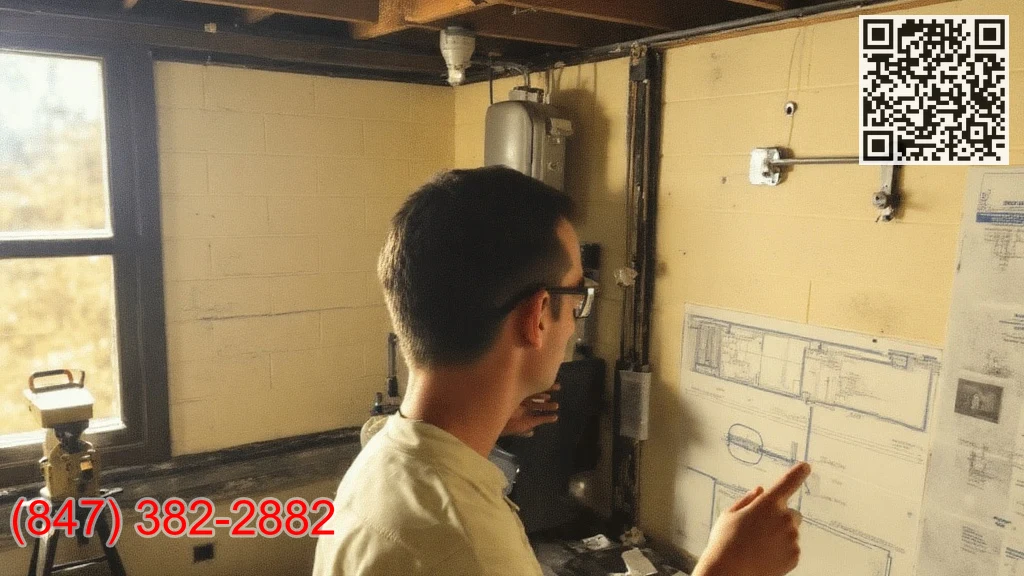
Crawl space encapsulation is not a luxury
Too many structural inspections skip the crawl because it is dirty or tight. Some of the worst structural damage I have seen hid under a dry-looking house in a crawl with open soil and dangling insulation. Moisture enters, condenses on cool ductwork and subfloor, and quietly swells wood fibers until the floor above waves.
Encapsulating a crawl space means more than rolling out plastic. Expect a 12 to 20 mil vapor barrier sealed at seams and lapped up walls, mechanical fastening where codes require, foam or rigid insulation at the rim joist with a fire barrier if exposed, sealed vents, and either a dedicated dehumidifier or a controlled supply of conditioned air. If groundwater intrudes, a shallow trench and a sump handle it before it lifts the liner. Pest and termite protocols vary, so leave an inspection gap where local rules require it. When people search for an encapsulated crawl space or even type encapsulated crawl.space by mistake, they are chasing the comfort they feel upstairs when a damp crawl is brought into control. Floors quiet down. Odors fade. Energy bills drop modestly because you stop trying to air condition an open hole in the ground.
Encapsulation pairs naturally with sistering or replacing damaged joists and sills. If wood has lost more than about 20 percent of its section to rot, reinforce or replace it before sealing. If you cover rot, you lock in a problem.
What to do before the crew arrives
You can help your project run smoothly with a bit of prep. Move stored items away from wall lines in basements. In crawls, clear access hatches and remove anything that could snag a vapor barrier. Outside, mark irrigation heads, roll up hoses, and trim shrubs near work zones. If concrete saws or core drills will be used inside, ask where dust will go and cover nearby belongings. Talk to your neighbors about parking and noise. Tape a copy of the scope near the front door so leads and inspectors are on the same page.
Aftercare that keeps repairs working
A foundation fix is not a set-and-forget event. Maintain gutters and downspouts, and sweep window wells seasonally. Keep soil 6 to 8 inches below siding and away from direct contact with wood. On expansive clay, consider a landscape watering plan that avoids soaking the first few feet next to the foundation while preventing extreme drying. In basements, test your sump pump before major storms and replace batteries on backups every few years. In encapsulated crawl spaces, check the dehumidifier filter quarterly and verify it drains freely.
Monitor repaired cracks with those same coin photos every few months for the first year. Small seasonal changes are normal. Progressive widening or new diagonal cracks around fixed zones are reasons to call the installer.
If your project involved a lift, expect a punch list. Doors might need tweaks, drywall touch-ups may be required, and exterior grade may need a final tune after backfill settles. Good companies schedule a follow-up to address these. Put it on your calendar the day the crew leaves.
Finding and choosing local help
Typing foundation repair near me into a search bar returns options, but local context matters as much as marketing. In some metros, one side of town sits on deep clay and the other on river alluvium with a high water table. A company that knows both will ask better questions in the first five minutes. When you call, notice whether the intake process is thorough. A good office will ask about your notes, your timeline, whether anyone has looked before, and whether you have had basement waterproofing or drain work done.
If you have a crawl, ask whether they perform crawl space encapsulation and structural carpentry in-house. Subs can do excellent work, but you will want a single point of accountability. If your priority is moisture control under the house, say so. If it is sloping floors, say that. Your goals shape solutions and quotes. If you are in a smaller town, do not fear a regional company; just make sure they service your area long term. You want someone you can call years later if a sump clicks at midnight or a pier needs a tweak.
A last word about appointment mills. Some companies run high-volume sales that reward urgency. You can spot it when the inspection lasts twenty minutes, the photos focus on the scariest angles, and a laminated price sheet appears before you have finished explaining your notes. A careful inspection, especially one that includes a basement or crawl and attic load path when relevant, takes time. If the rep seems more interested in closing than asking why that one corner shows twice the movement of the rest, thank them and keep looking.
When calling is the right next step
If your notes point to persistent water entry, a wall that bows more than an inch, doors that suddenly stop working after a dry spell, or soft floors over a damp crawl, put the call on your calendar this week. If you see small seasonal cracks that open and close, you might start with drainage and monitoring. Either way, the effort you spend now, mapping symptoms and learning what repairs really do, pays off when you sign a contract that fixes the cause rather than the surface.
Whether you start with a search for foundation repairs near me, basement waterproofing specialists, or a team that can encapsulate crawl space and check your beams in a single visit, bring your organized notes and clear priorities. The right partner will meet you there, confirm what you have observed, expand on it with professional measurements, and build a plan that stabilizes structure, manages water, and respects your home. That is how foundations stay out of your mind and your house simply feels right when you walk through it.

Public Last updated: 2026-04-27 02:22:48 PM