Thinscape Countertops: A Modern Alternative to Traditional Stone Explained
Walk into a lot of newly remodeled kitchens and you will notice something about the counters. They look like stone, feel cool to the touch, and wear like a surface designed for hard use. Then you catch the edge profile, thinner and crisper than granite or quartz. That is often your first clue you are looking at Thinscape, a high-performance, ultra‑thin countertop material that has moved from commercial interiors into residential kitchens and baths.
Thinscape appeals to homeowners who want the sleekness of European kitchens, the durability of engineered surfaces, and the freedom to float long spans over open cabinets or slim islands without the visual weight of a thick slab. Designers lean on it for minimal lines. Installers appreciate the consistency and reduced weight. The material is not perfect for every project, and it does not make granite obsolete, but it solves a set of problems that traditional stone and quartz cannot always address as cleanly.
What Thinscape Is, and What It Is Not
Thinscape is a class of ultra‑compact composite countertop panels typically around 1/2 inch thick. It is manufactured under high pressure and heat to create a dense, hard surface that resists scratches and stains better than most laminates and can stand up to daily kitchen abuse. The core is not plywood, and it is not a veneer over particleboard. Think of it as a single, engineered slab built for structural stability and surface performance with a printed or textured decorative layer fused through the manufacturing process.
It is easy to confuse Thinscape with several nearby categories. It is not porcelain slab, though some designs look ceramic‑smooth. It is not quartz or sintered stone, which are thicker and heavier. It is not the high‑pressure laminate of the 1990s, even if installers sometimes cut it with similar tools. The most useful comparison is compact laminate or phenolic resin panels used in commercial restrooms and lab benches. Residential Thinscape grew from that lineage, with improved aesthetic layers and edge treatments that suit kitchens and baths.
How Thinscape Performs Day to Day
Materials earn their keep in the first three months, not the first three years. That initial period is when coffee spills, hot sheet pans land where they should not, and knives meet counters during a rushed weekday dinner. Thinscape holds up well to a busy household, but each claim deserves practical context.
Scratch resistance sits above standard laminate and below quartz. You can slice a cucumber directly on Thinscape without immediate damage, but you will dull your knife and, over time, shallow marks will collect in the highest traffic areas. A cutting board still makes sense. Impact resistance is a strong point. The composite structure distributes force, so dropped mugs often survive. A direct hit from a heavy cast iron pot on a front edge can chip any material, and Thinscape is no exception, though the damage tends to be smaller than a similar strike on quartz.
Heat tolerance is better than laminate and on par with many engineered surfaces. Most manufacturers advise using trivets for anything above 250 to 300 degrees Fahrenheit. Set a warm soup pot on it for a few minutes and you are fine. Pull a 500 degree pizza steel from the oven and place it on the same spot, and you risk discoloration or a faint sheen change. Home cooks who keep a couple of cork trivets nearby rarely run into trouble.
Stain resistance is robust. Oil, wine, turmeric, and tomato sauce wipe clean with a neutral cleaner or a diluted dish soap solution. Matte finishes hide smudges better than glossy ones. White designs with veining remain fair game for a family kitchen as long as you keep up normal cleaning. If you have lived with marble and its patina, you will find Thinscape’s maintenance almost low drama.
Water resistance deserves a closer look. The surface itself is non‑porous. The risk points live at seams, inside cutouts, and along edges, particularly near sinks. A well‑executed installation uses color‑matched adhesives, waterproof seam sealant, and careful fabrication around sink cutouts. I have seen island panels run the length of a room with zero seams, and I have seen a careless seam swell and telegraph a line after a year. Execution matters.
Design Freedom: Why Ultra‑Thin Changes the Room
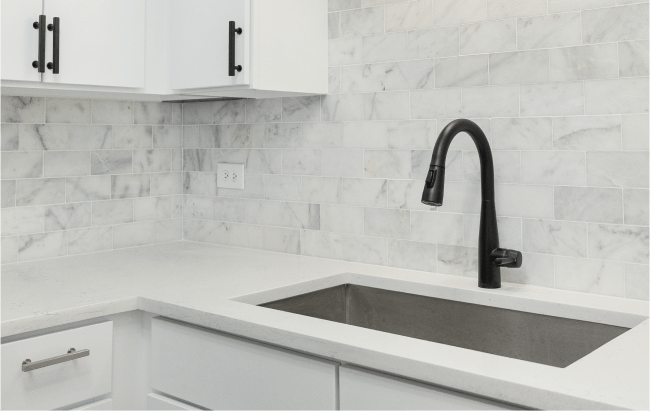
Thicker stone can read as heavy, which is sometimes the point. For a leaner, contemporary profile, a 1/2 inch top creates a different language. Edge profiles can be sharply squared or given a subtle 2 millimeter chamfer that catches light. Waterfall sides on islands look particularly clean. The material lets you wrap the top, sides, and even the front apron of a peninsula without the build‑up lines you sometimes see on quartz.
Because of its lighter weight, Thinscape also lets you explore spans that would be risky with granite. A 10 to 12 inch seating overhang on an island is often possible without corbels when the base cabinets are properly constructed and the panel is bonded to a stable substructure. For longer overhangs or floating shelves, discreet steel brackets still earn their keep, but you can minimize visual clutter.
Texture variety has improved. Beyond smooth stone looks, there are finishes that mimic honed concrete, leathered slate, and even oxidized metal. The goal is not to fool a geologist, but to give the eye the right cues from a few feet back while offering a surface you do not baby during a busy weeknight.
How Thinscape Plays With Cabinets, Backsplashes, and Lighting
Countertops do not live in isolation. A thin profile pairs well with slab‑front cabinet doors, integrated pulls, and narrow reveals. If your kitchen style leans classic, you can still use Thinscape with shaker cabinets by softening edge lines and choosing a warmer tone. For backsplashes, the material can run a short 4 inch riser or continue to full height behind the range for a unified, easy‑to‑clean wall. Under‑cabinet LED lighting reveals the texture, so test a sample under warm and neutral white temperatures to see how the finish reacts.
Appliance styles matter. The thin line of Thinscape around a slide‑in range looks crisp, whereas a drop‑in cooktop will call attention to the limited thickness unless the fabricator builds a recess. Sinks are straightforward with undermounts, though you want a neat inside edge, sometimes with a small eased radius to avoid chipping under daily use.
Installation Realities: Fabrication, Weight, and Substrates
The biggest surprise for homeowners is how different the fabrication sequence can be compared to quartz or granite. Thinscape cuts cleaner with track saws and CNC routers, and the panels arrive lighter than stone. That reduces jobsite handling risk and eases transport up narrow stairs or into high‑rise units, which is common in dense urban areas.
Support strategy changes with thickness. Some brands allow direct placement on stout cabinets. Others recommend a continuous plywood deck beneath the panel to spread loads and allow secure fastening. Over dishwashers, plan for a vapor barrier to protect the underside from heat and steam. Around cooktops, double check manufacturer clearance specifications, because thinner counters can change the vertical relationship between the appliance and the cabinetry.
Seam placement is an art. Whenever possible, we try to avoid seams in the island and place any necessary seams where they read as part of the design, for example aligned with a cabinet break. With Thinscape, seams can be less visible due to color‑matched adhesives and tight tolerances, but the same rules apply. If you have a long L‑shaped run and a small elevator, you will have seams. Accept that early and design accordingly.
Cost Positioning Against Granite and Quartz
Homeowners often ask where Thinscape lands in the budget compared to classic options. Installed costs vary by market and by pattern, but a reasonable range sits in the same neighborhood as mid‑tier quartz and often below premium natural stones. A simple kitchen can see a savings on labor due to lighter handling and faster fabrication, then spend some of that back on specialty edge work or full‑height backsplash panels. If you are weighing the question inside a larger remodel, and you are reading The Ultimate Guide to Kitchen Remodeling Costs in Chicago to build a planning spreadsheet, plug Thinscape in near the cost of a solid, brand‑name quartz, then adjust for layout complexity.
For resale conversations, Thinscape does not carry the long cultural cachet of marble or the broad name recognition of quartz. In a modern, urban condo, the thin, crisp look reads high‑end. In a traditional single‑family home with a classic kitchen, buyers may still expect stone. If your goal is The Best Cabinet Colors for Resale Value in Chicago and a kitchen that feels familiar to a broad audience, pair Thinscape with timeless colors and hardware so the space lands as balanced rather than trendy.
Where Thinscape Shines, and Where It Does Not
Based on installs that have lived through young kids, holiday cooking, and a fair share of coffee spills, the material shines in several scenarios. Small kitchens benefit from the lean visual weight, especially when you need Modern Kitchen Design Ideas for Small Spaces. Narrow galley kitchens with tight clearances appreciate every millimeter saved at the counter edge. Contemporary whole‑unit renovations see faster logistics when crews can carry panels without elaborate rigging.
Less ideal scenarios exist. If you love heavy chiselled edges, dramatic ogee profiles, or the sensual hand of honed marble, Thinscape will not satisfy you. If your home leans historic and you want materials that patinate with age, a living stone might be a better choice. Outdoor kitchens are a special case. Some Thinscape products are rated for exterior use, but most prefer interior environments. Sun, temperature swings, and UV exposure can age certain finishes faster. For a city roof deck kitchen, porcelain slab or stone may outperform on weather resistance.
Maintenance, Cleaning, and Repairs
Daily maintenance is easy. A neutral pH cleaner and a soft cloth is enough for routine grime. Skip https://messiahmmxl776.iamarrows.com/the-cost-of-painting-a-house-in-chicago-what-to-expect abrasive powders, which can dull certain finishes. For a stubborn scuff, a non‑scratch pad and a few drops of diluted dish soap usually clear it. If anything bonds to the surface, like cured paint or hot glue, warm water and patience help. Resist the urge to scrape with a razor blade.
Repairs depend on the issue. Minor edge chips can be filled with color‑matched epoxy and feathered, though you will still feel a slight texture change if you run a finger along the repair. Deep scratches are rare, but they do not sand out like a butcher block. A professional can blend a mark in a matte finish better than on a glossy one. Seam problems, if they appear, require opening the joint, cleaning, and re‑bonding. The best defense remains careful fabrication and installation.
Thinscape in a Larger Kitchen Plan
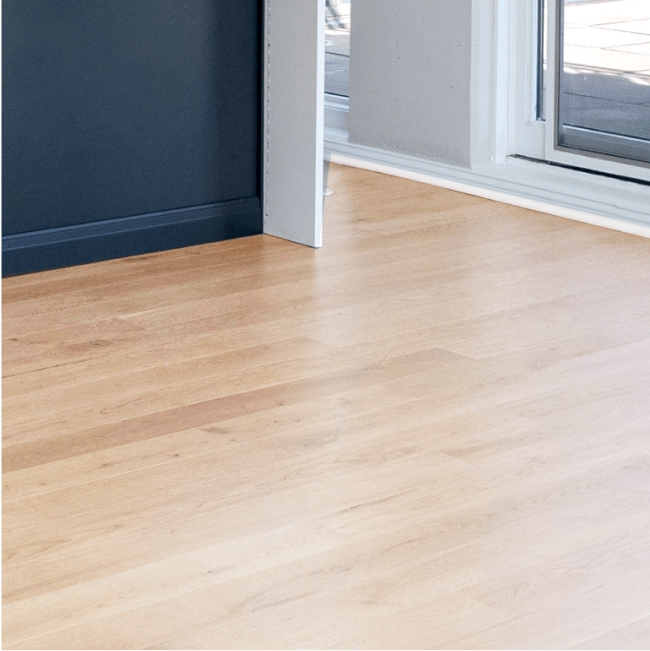
Countertops interact with cabinet choices, lighting, and workflow. If you are debating Kitchen Cabinet Painting vs. Replacement: What’s Right for You, remember that a thin, modern top can highlight outdated cabinet doors. Painted shaker doors, clean hardware, and Thinscape in a honed concrete look, paired with a cozy wood floor, feel both current and comfortable.
In a compact condo, consider Maximizing Storage in a Small Chicago Kitchen while keeping the counters airy. Slim tops keep sightlines open. Add a short return at the end of a run to create a mini coffee station without bulk. If you plan to live through the remodel, and you are looking at How to Plan a Kitchen Remodel While Living in Your Home, Thinscape’s faster fabrication and lighter install days help reduce disruption. Fewer seams and simpler edge details also speed up templating.
One more practical layer involves Kitchen Lighting Design: How to Brighten Your Cooking Space. Matte Thinscape plays nicely with under‑cabinet light bars, reducing glare. If you embrace open shelving, be honest about The Pros and Cons of Open Shelving in Kitchen Design since the counter beneath shelves becomes the focal plane. A quiet, thin top turns into a visual anchor that lets objects on the shelf read as curated rather than cluttered.
Revive 360 Renovations on Choosing Thinscape for the Right Client
Our design team at Revive 360 Renovations treats Thinscape as one tool in the kit, not a one‑size solution. In one Bucktown condo with a tight elevator and a long, slender island, the client wanted a pure white surface that would not feel bulky in an 11 foot galley. A thin, white Thinscape with a barely eased edge gave us the look without the logistical headache of hauling a thick quartz slab into a fifth‑floor walk‑up. We paired it with flat‑panel rift‑cut oak cabinetry and a simple brass pull. The result felt airy, and the client, a frequent baker, has sent photos of holiday cookie marathons with the counters still looking fresh.
We have also advised against Thinscape. A family in a pre‑war brick two‑flat fell in love with a dramatic marble veined look. Their home had deep crown moldings, inset cabinets, and a farmhouse sink. The room asked for stone, and that is where we landed. The point is fit. The right material should echo the house and the way you live, not just the mood board.
Revive 360 Renovations Installation Notes That Avoid Future Headaches
A few installation habits make a difference. First, we template early and bring full‑size corner samples on site to confirm how the thin edge reads against face frames. A 2 millimeter eased edge softens the line without losing the crisp profile. Second, we seal seams with both adhesive and a waterproof barrier, especially around sink cutouts. Water finds the weak link over time.
Third, we pre‑plan support for any overhangs over 12 inches. Even if the specs say the span is within tolerance, an inconspicuous steel bracket gives peace of mind and prevents a future barstool mishap from turning into a repair call. Finally, we test all appliances in place to check clearances. Thinscape’s thickness can change the height of a cooktop relative to adjacent counters or the swing of a fridge door against a waterfall panel. Catch those micro‑issues during dry fit, not after adhesive sets.
A Straight Comparison: Thinscape vs. Quartz vs. Granite
When homeowners ask How to Choose the Perfect Kitchen Countertop Material for Your Home, the conversation usually settles into a short comparison that balances look, durability, maintenance, and cost. The quick hits help, as long as you remember that each category has outliers.
- Look and profile: Thinscape gives a crisp, modern 1/2 inch edge. Quartz and granite typically land at 1 1/4 inches, though you can miter a thinner look at added cost.
- Durability: Quartz is hard, heat resistant to a point, and consistent. Granite varies by species but generally stands up well. Thinscape sits between the two, with strong scratch and stain resistance, and slightly lower heat tolerance than some granites.
- Maintenance: All three are easy. Granite may need periodic sealing, depending on the specific stone and finish. Thinscape and quartz do not require sealing.
- Weight and handling: Thinscape is lighter, which can simplify installation and reduce the need for structural reinforcement in older cabinets.
- Cost: Expect Thinscape to align with mid‑range quartz and below premium marbles and exotic granites. Complex edge work or long waterfall panels can narrow the gap.
If you want the romance of natural stone and can live with a bit of patina, granite and marble still have a place. If you want a consistent, thick, substantial top with broad resale acceptance, quartz remains a safe pick. If your design language calls for minimal lines, long clean surfaces, and a lean profile, Thinscape earns a serious look.
Using Thinscape Beyond the Kitchen
Bathrooms benefit from thinner counters for a lighter vanity expression. A floating vanity with a Thinscape top reads almost weightless and works well in small bath remodels where square footage is scarce. For a powder room design that makes a statement, consider a dark, textured finish with a wall‑mounted faucet and a thin backsplash return that wraps a mirror. The material’s water resistance and ease of cleaning also help in kids’ baths.
Laundry rooms and mudrooms are another sweet spot. These workspaces want durable, cleanable surfaces, and they rarely need thick edges. A continuous Thinscape counter that bridges over a front‑load washer and dryer turns a utility space into an organized work zone. If you are considering Budget‑Friendly Kitchen Updates That Make a Big Impact, a modest laundry refresh with a new counter and simple wall shelves often punches above its cost.
Planning Timeline and Workflow
Homeowners often underestimate the time between cabinet set and countertop install. With Thinscape, templating can happen as soon as cabinets are secured and appliances are on site. Fabrication turnarounds of one to two weeks are common in many markets, sometimes quicker than stone. For those asking How Long Does a Kitchen Renovation Actually Take, a realistic schedule for a standard kitchen runs eight to twelve weeks door to door, with counters slotted a few weeks before finishes and hardware. Thinscape’s lighter handling can shave a day or two off installation, which matters if you are living in the home and juggling meals around a temporary setup.
Edge Cases and Lessons Learned
Every material reveals a pattern of edge cases after enough installs. One we have seen involves dishwashers that vent steam through the top edge of the door. If the vent is positioned directly under a Thinscape overhang without a proper vapor barrier, repeated cycles can warm and stress that narrow strip. The fix is simple: add the barrier, or use a dishwasher model with front‑venting.
Another involves knife nick clusters near a favorite prep spot. In homes where cooks habitually cut limes directly on the counter for drinks, we have eventually seen a faint zone of micro scratches. The solution is behavioral, a small board on standby. Last, we had a client who loved rolling dough directly on the cool surface. Thinscape performs fine for this, but a light dusting of flour can be harder to see on dark matte finishes. A quick wipe with a damp microfiber cloth leaves no residue.
When Thinscape Aligns With Broader Design Trends
Top Kitchen Layout Trends for Chicago Homes in 2025 favor flexible islands, defined work zones, and a mix of closed cabinetry with a few open display areas. Thinscape fits this language by letting islands read like furniture. Thin waterfall panels frame bar seating without bulk. Paired with Eco‑Friendly Kitchen Remodeling Options for Sustainable Homes, Thinscape’s efficient use of material compared to thick slabs can be part of a broader sustainability conversation, though you should verify each manufacturer’s specific environmental disclosures.
Hardware and paint choices can tip the room toward warmth or cool minimalism. If you are exploring How to Choose Hardware That Complements Your Kitchen Cabinets, remember that a thin counter edge pairs best with lean hardware profiles. Long bar pulls or integrated channels keep the vocabulary consistent. On paint, soft whites and greige remain steady performers for resale, while deep blue or charcoal islands under a thin white top show up in a lot of Modern Kitchen Design Ideas for Small Spaces because the contrast defines zones without closing the room.
A Few Practical Selection Tips Before You Commit
Choosing a countertop reads easier than it is. Lighting affects color perception, finish samples do not tell you how crumbs look on a busy Saturday, and an island the size of a ping‑pong table will make any pattern feel louder.
- Bring full‑size corner samples home and prop them at counter height. Look at them in morning, afternoon, and evening light.
- Test a coffee ring, a splash of red wine, and a dollop of olive oil on the sample. Wipe after five minutes and again the next day. It is not a lab test, just a reality check.
- Lay your cabinet door sample, hardware, and a paint chip next to the counter. The trio needs to sing together.
- Confirm sink, faucet, and cooktop specs with your fabricator before templating day. Thin counters do not forgive last‑minute appliance swaps.
- Decide on your edge profile early. A tiny chamfer hides micro chips better than a sharp square.
Where Revive 360 Renovations Sees Thinscape Heading Next
The market is moving toward slimmer, crisper lines across the home. We expect more integrated Thinscape applications, such as matching window sills, desk worktops in kitchen nooks, and seamless backsplash returns with minimal joints. As manufacturers expand texture libraries and edge options, the material will continue to nibble away at mid‑tier quartz and even some porcelain slab projects. At the same time, we do not see it replacing natural stone in homes that lean classic or where the client wants a surface that acquires character over decades.
At Revive 360 Renovations, the reason we keep Thinscape in our regular playbook is simple. It gives clients a modern look with real‑world durability, it simplifies some installations that would be a bear with stone, and it opens design moves that read clean and intentional. When paired with smart cabinet choices, thoughtful lighting, and a layout that respects workflow, a thin, well‑detailed counter becomes the quiet backbone of a working kitchen.
The best renovations are less about the product label and more about the fit between the material and the life of the people using it. If your eye gravitates to lean lines, if you want a counter you do not have to baby, and if your space will benefit from shedding visual weight, Thinscape deserves a careful look alongside granite and quartz.

Public Last updated: 2026-02-08 02:19:13 AM