What to check before booking a private tour in Barcelona
Booking a private tour in Barcelona should feel simple, not like guessing. The city rewards good planning. A route that looks short on a map can take longer because of crowded streets, timed entries, steep lanes, or long queues. The best choice depends on how much time you have, what you want to see, and how you want the day to feel.
Before you commit, look past the headline places and check the small details that shape the visit. A tour built around Sagrada Familia and Park Güell is very different from one centered on the Gothic Quarter, Barcelona Cathedral, and quiet side streets. Both can be excellent, but only if they match your pace, interests, and schedule.
Start with the route and the real pace
First, read the route as a sequence, not as a list of famous names. Ask whether the day moves through one area or crosses the city several times. Barcelona is easy to enjoy on foot in parts, but distances add up. A walk from La Boqueria Market into the Gothic Quarter may feel relaxed. A route that pairs Montjuïc with a distant neighborhood can eat into the day through transit and transfers.
Check how long each stop is likely to last and what happens between stops. Some visitors want time inside churches, museums, and markets. Others prefer short outside views, photos, and a good story before moving on. Neither approach is wrong, but the itinerary should say enough for you to judge. If the day is packed with seven major sights, there may be little room to linger, ask questions, or take a coffee break.
Also think about physical demands. Barcelona has smooth boulevards, but it also has cobblestones, slopes, stairs, and busy pavements. If anyone in the group has limited mobility, check whether the route avoids steep sections or includes rest points. If children are coming, look for a plan with clear breaks and enough variety to hold attention.
Check what is included and what is not
A private tour can mean different things. Some plans focus on guiding and storytelling. Others include tickets, transport, food tastings, or entry to specific buildings. Read the inclusions closely so you are not left making decisions on the day.
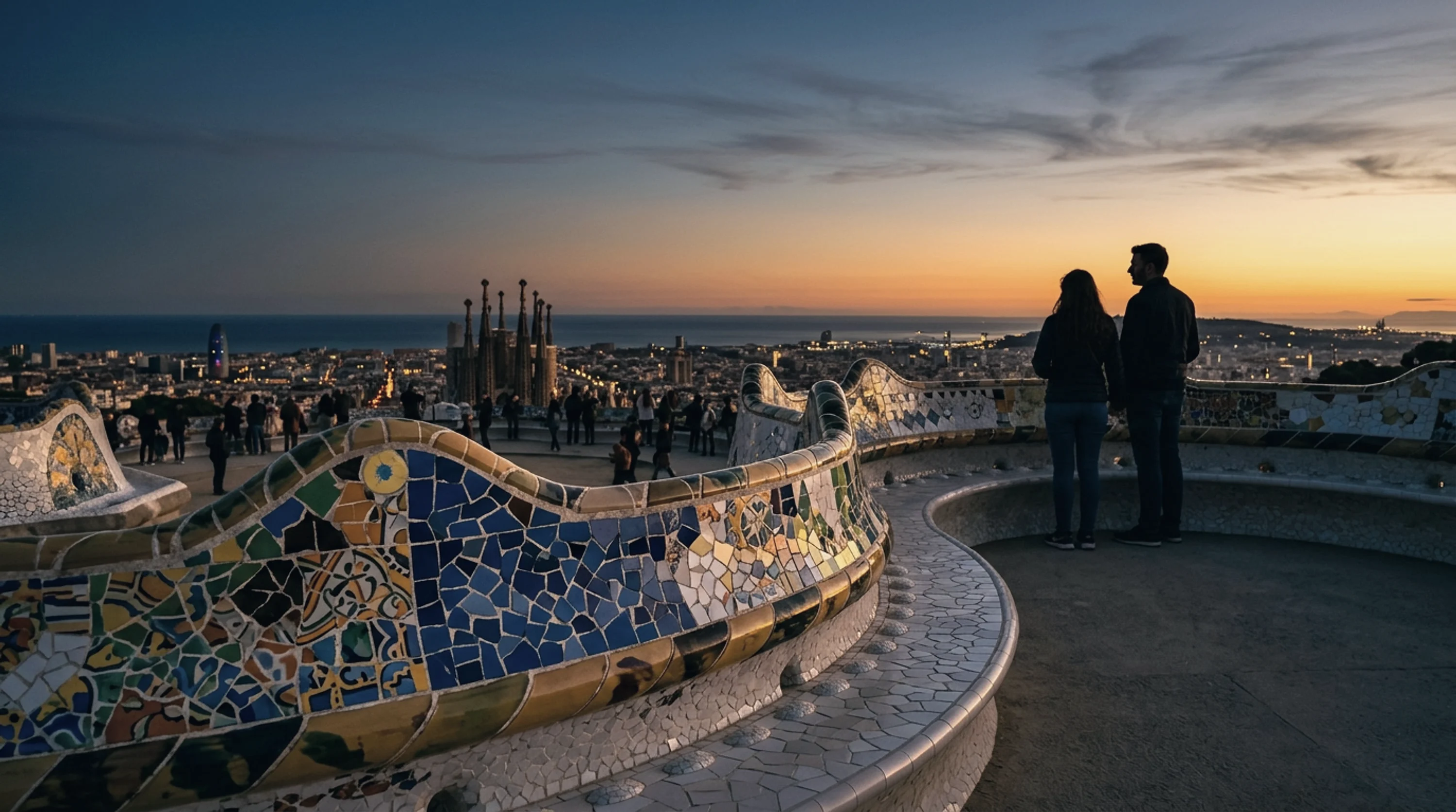
Pay particular attention to timed attractions. Sagrada Familia and Park Güell often need advance planning, and entry times can affect the order of the whole day. Casa Batlló may also work best with a reserved slot if going inside matters to you. If a route mentions these places but says little about admission, ask whether the visit is from outside or includes entry.
Food is another detail worth checking. A stop at La Boqueria Market can be a quick look at stalls or a tasting stop with several samples. Those are not the same experience. If you have allergies, dietary needs, or a preference for sit-down meals, make that clear before booking rather than hoping arrangements can change later.
Look at language, group size, and style
The word private usually suggests a booking reserved for your group, but the feel still varies. Check the maximum group size and whether the experience is designed for families, couples, friends, or mixed ages. A route that works for adults interested in architecture may not suit younger children who need movement and short explanations.
Language matters more than many people expect. Confirm the language of the tour and whether questions are welcome throughout. If your group understands more than one language, ask how that is handled. Clear communication helps with everything from historical context to meeting points and timing.
Style is harder to measure, but it can be checked through the wording of the itinerary. Some tours lean toward history and architecture. Others focus on food, photography, local life, or a mix of famous sites and hidden corners. If you want a relaxed introduction to the city, avoid a plan that reads like a race through every landmark. If you want depth, avoid a route that only gives quick photo stops.
Read the meeting and timing details
Many problems happen before the tour even starts. Check the meeting point, start time, end point, and whether transport between areas is included. A tour that begins in one district and ends in another can be useful, but only if you know how you will get back. This matters if you are staying outside the center or have another booking afterward.
Build in breathing room around the day. Barcelona traffic, queues, and crowded pavements can slow things down. If you need to be somewhere at a fixed time, mention that before booking. A guide or planner may be able to adjust the order of stops, but only if the limit is known in advance.
It is also wise to check what happens if plans shift. Weather can change, streets can be busy, and attractions may have specific entry rules. A sensible plan should still make sense if one outdoor stop is shortened or swapped. When comparing options, a page such as privatetourinbarcelona.com may be useful as a reference point for how clearly the basics are presented, including routes, timing, and what visitors are expected to know before the day.
Review the practical details before paying
Once the main plan fits, move through the smaller points. These are the details that often decide whether a booking feels smooth or stressful.
- Cancellation and changes: Read the rules before paying, especially if your travel dates are not fixed. Flexible terms matter when flights, hotels, or other plans may change.
- Entry requirements: Check whether tickets are arranged for you or whether you need to book them separately. For popular sites, timing can shape the entire route.
- Meeting support: Confirm where the tour starts and what to do if you arrive a little late. Clear instructions reduce confusion on busy streets.
- Access and comfort: Ask about walking distance, stairs, rest stops, and whether the pace can be adjusted for the group.
- Payment clarity: Make sure the total cost, what is covered, and any optional extras are clear before you confirm.
These points are not meant to make the process feel heavy. They simply help you compare like with like. A low-cost option may leave out tickets or transport. A longer tour may sound generous but feel tiring. A route with fewer stops can be better if it gives you time to understand the city rather than merely pass through it.
Match the tour to the kind of day you want
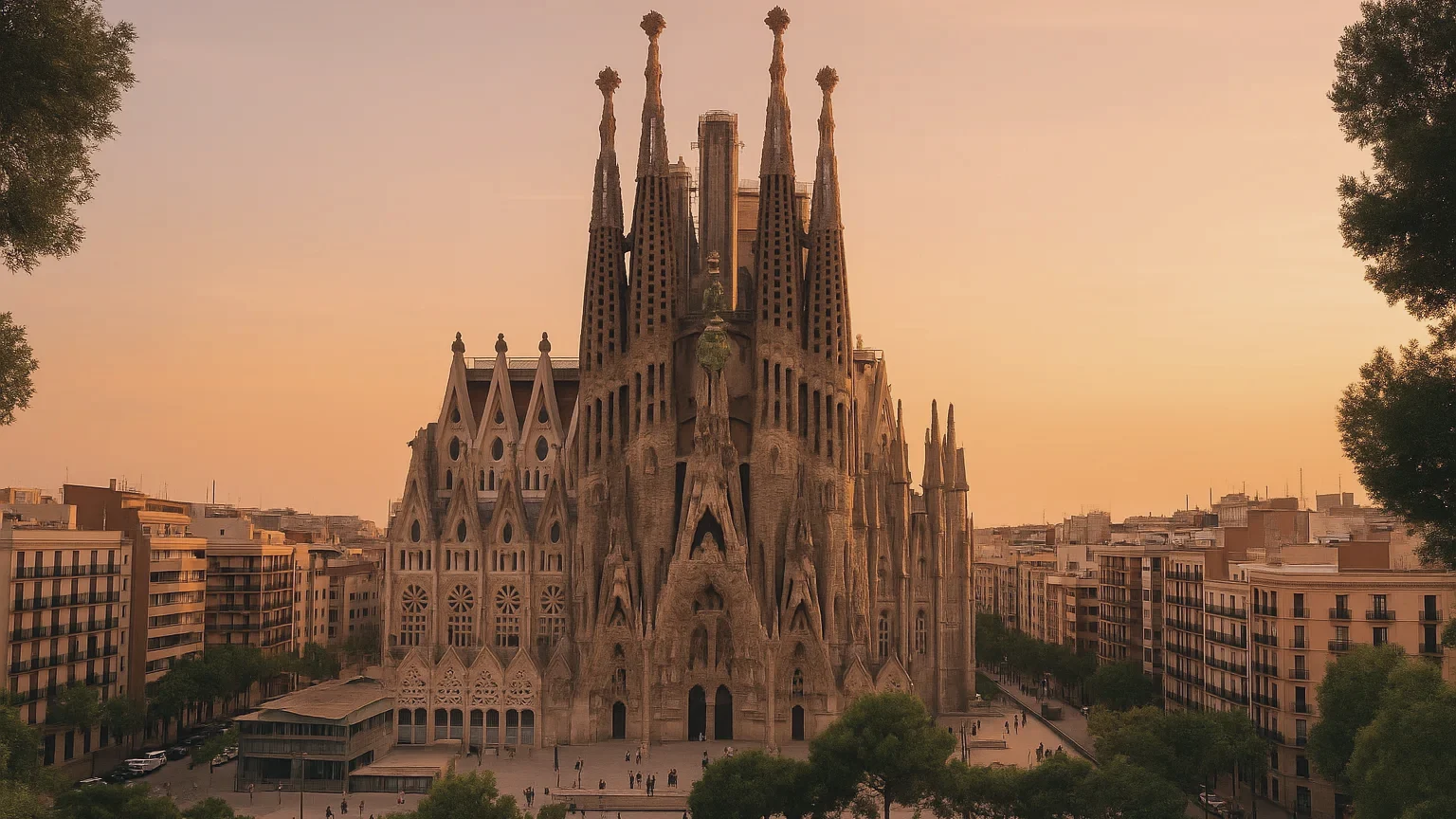
Think about what would make the day feel worthwhile. If architecture is the priority, focus on routes that give proper time to Gaudí and the Modernist district, with clear plans for Sagrada Familia, Park Güell, or Casa Batlló. If history and old streets appeal more, the Gothic Quarter, Barcelona Cathedral, and nearby lanes may matter more. If art is the draw, Museu Picasso could be worth building around. If you want views and open space, Montjuïc can add a different rhythm to the day.
Try not to choose only by the number of attractions. A good private tour should leave room for context, questions, and small observations, the moments that turn a list of sights into a coherent visit. The right plan helps you understand why a place matters, how the areas connect, and where you might want to return later.
Before you book, reread the itinerary in plain language and ask what a normal day would look like from start to finish. Where do you meet? How far do you walk? Which places include entry? What happens if you want a slower pace? If the answers are clear, the choice is much easier. Keep your group's needs in view, compare the details carefully, and use privatetourinbarcelona.com as one part of that wider check rather than relying on the name alone.
Public Last updated: 2026-11-27 08:14:53 AM