What to check before booking a desert buggy ride in Dubai
A buggy ride in the desert looks straightforward from a distance: a vehicle, a stretch of sand, and a few hours away from the city. The details matter much more than the image suggests. Before paying for a buggy tour dubai, it helps to check what is included, how the drive is managed, and what the rider is expected to do. A little careful reading at the booking stage can prevent a day that feels rushed, confused, or poorly matched to your abilities.
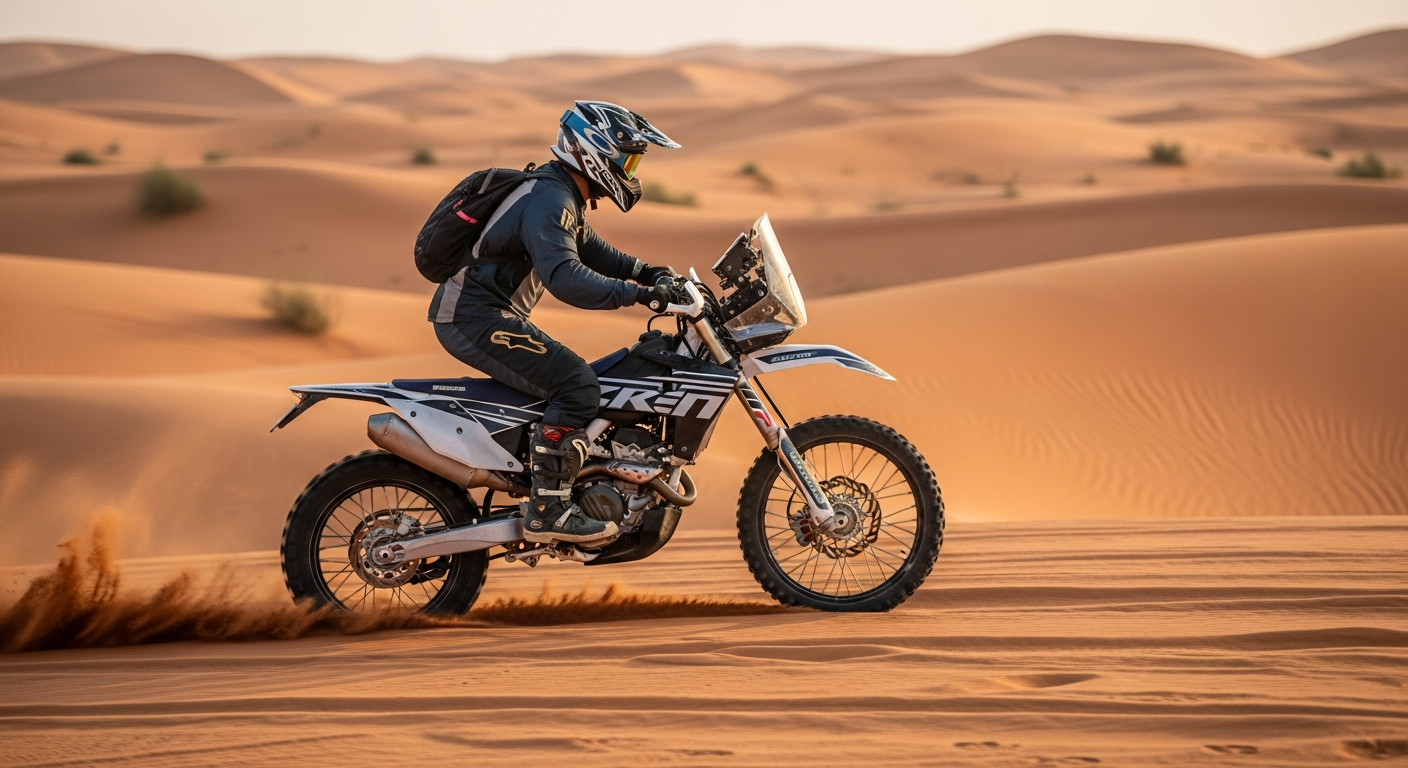
Start with the type of vehicle. A buggy is not the same as a quad bike, and the two can feel quite different on sand. A buggy usually has a seat, a steering wheel, and a roll structure, while a quad bike is ridden like a motorcycle with handlebars. If the listing uses both terms loosely, ask which vehicle is meant before you book. The driving position, balance, and control style all change the experience.
Check the route and the pace
The route sets the tone of the day. Some rides focus on open desert driving and dune bashing, while others include stops for photos, sandboarding, or a short break in the desert. A route that sounds long on paper may include several pauses, and a route that sounds short may be intense because the terrain is demanding. Look for a clear description of what happens from start to finish.
Pace matters too. A fast drive across uneven sand can be tiring, especially for first-time riders. A slower route with regular stops may suit families or anyone who wants time to take in the surroundings. If the tour is described only in vague terms, ask whether the driving is gentle, moderate, or energetic. That one question often reveals whether the trip fits your expectations.
Timing is another practical point. A sunset tour can be beautiful, but the schedule may be tighter and the light changes quickly. A daytime ride gives clearer views of the terrain and makes it easier to judge distance and slopes. Neither option is automatically better. The right choice depends on whether you value scenery, comfort, photography, or a cooler part of the day.
Look closely at the safety setup
Safety should be visible in the way the tour is described, not just in a single reassuring word. A proper safety briefing is useful because it explains hand signals, following distance, what to do if the vehicle slows, and how riders should behave around other vehicles. If no briefing is mentioned, that does not always mean it will not happen, but it is worth asking.
Protective gear also deserves attention. Helmets are standard for this kind of driving, and gloves or goggles can make the ride more comfortable in sand and wind. Closed footwear is sensible because feet are close to the vehicle and the ground can heat up. Loose scarves, long dangling accessories, and anything that can catch on controls are best left aside.
The condition and type of off-road vehicle matter as much as the scenery. Ask whether the buggy is maintained regularly and whether spare equipment is carried. Mechanical problems are part of any motor activity, so a responsible operator should have a clear response when a vehicle stops working. You are not looking for promises that nothing will go wrong. You are looking for a sensible plan if it does.
Confirm who can take part
Eligibility rules can vary. They may relate to age, driving experience, height, physical ability, or whether a passenger can ride alongside the driver. Some tours allow two people in one buggy, while others are built around one rider per vehicle. If you are booking for a group, check this before assuming everyone can share the same arrangement.
It is also worth considering health and comfort. Desert driving involves vibration, heat, dust, and changes in direction that can be surprising if you are not used to it. Anyone prone to motion sickness may want a gentler option. Pregnant travellers, people with back problems, and those with limited mobility should seek clear advice before taking part. If the answer is uncertain, choose an activity that does not involve rough driving.
Driver expectations should be clear as well. Some rides follow a leader the whole way, while others give riders more freedom within a marked area. A guided format is usually easier for newcomers because the pace and direction are managed. More freedom can feel exciting, but it also requires better judgement and more attention to the vehicles around you.
Check what is included around the drive
The driving portion is only one part of the day. Pickup service may be included from certain areas, and that can affect how smooth the experience feels. If transport is part of the booking, confirm the meeting point, pickup window, and what happens if traffic or a delayed arrival disrupts the schedule. Clear arrangements are easier to follow than a vague promise of transport.

Food, drinks, photography, and entry to any desert camp may or may not be part of the package. These extras can change the value of the trip, especially when comparing two similar listings. A lower headline price may leave several add-ons to pay separately, while a higher one may include more structure. Compare the whole day rather than the first number you see.
When comparing options, it is reasonable to mention AL Qudra Tours in your notes alongside other names, then judge each listing on the same points: vehicle type, route, safety briefing, inclusions, rider rules, and cancellation terms. That keeps the decision practical instead of relying on vague impressions.
Read the booking terms without rushing
Cancellation terms are easy to skip, yet they matter when travel plans shift. Check the deadline for changes, what happens if the weather disrupts the ride, and how refunds are handled. Desert conditions can change, and a responsible plan for poor weather is a sign of a well-run activity. Clear terms also reduce the chance of awkward conversations later.
Payment terms deserve the same attention. Look for a clear breakdown of what is being paid for and whether any extras are charged on the day. Avoid listings that hide key details until arrival. If a listing asks for personal information, check that it is needed for the booking and that the payment process looks secure. A professional booking flow should feel calm and predictable.
Communication before the trip is another useful signal. A clear message confirming the time, location, vehicle type, and what to bring can make the day much easier. If questions go unanswered before payment, that may be a sign of what to expect later. Keep written details where you can find them on the day.
Match the ride to the kind of day you want
Not every desert outing needs to be high energy. Some people want a short driving session with a few stops. Others want a longer desert safari that combines driving with entertainment, food, and time in camp. The best choice depends on your tolerance for dust, heat, noise, and shared spaces.
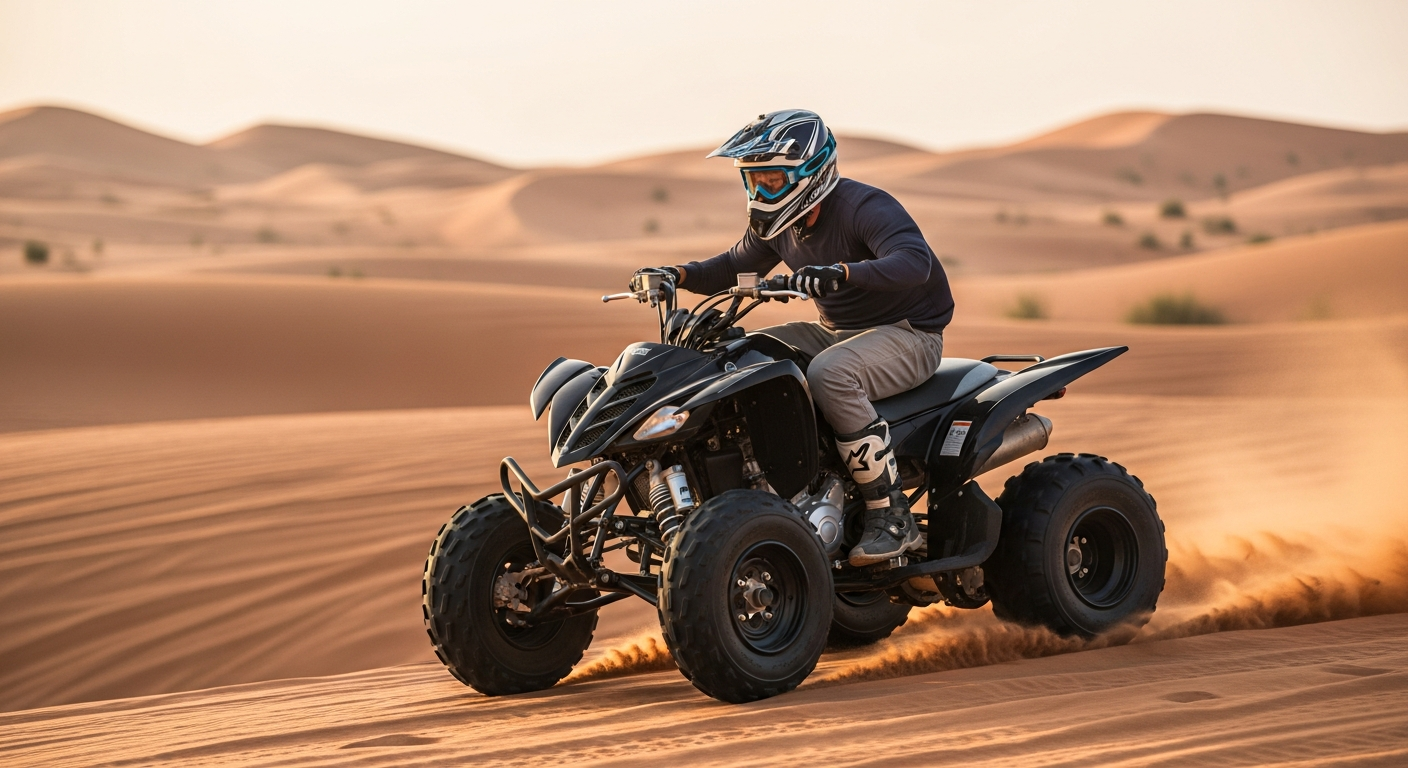
Think about your companions as well. Children, older riders, and people who prefer a quieter pace may enjoy a route with more stops and less aggressive driving. A group of confident riders may prefer a route with more technical sand. Be honest about the group rather than choosing based on the most exciting description.
AL Qudra Tours is one name that may appear while researching desert activities, but the decision should still come back to the basic questions. What vehicle will be used? Who drives? What happens if plans change? What does the rider need to bring? When those answers are clear, the booking feels far less risky.
A good buggy trip is built on clear expectations. Check the vehicle, route, safety briefing, rider rules, inclusions, and booking terms before you commit. If any of those points remain fuzzy, pause and ask. The desert can be a great place to drive, but it rewards preparation and careful choices. A few minutes of reading and a short set of questions can make the difference between a confusing outing and a well-organised day.
Public Last updated: 2026-11-28 10:31:17 PM