Diesel Generators for Load Sharing An Efficient Solution for Power Management
Introduction
In today's world, where electricity is an indispensable part of our daily lives, ensuring a reliable power supply is crucial for smooth operations in various sectors such as industries, healthcare facilities, data centers, and more. While the grid power supply serves as the primary source of electricity, it is susceptible to disruptions and outages due to various reasons such as natural disasters, equipment failures, and overloading. To address these challenges and ensure uninterrupted power supply, many organizations rely on diesel generators for load sharing.
Diesel generators have long been a popular choice for backup power generation due to their reliability, efficiency, and cost-effectiveness. In recent years, the concept of load sharing with multiple diesel generators has gained significant traction as a way to optimize power management and enhance overall system performance. This article explores the role of diesel generators in load sharing, their advantages, challenges, and best practices for implementation.
Understanding Load Sharing with Diesel Generators
Load sharing with diesel generators involves the parallel operation of multiple generators to supply power to a common electrical load. By distributing the load among multiple generators, the system can achieve better efficiency, reliability, and flexibility compared to a single generator setup. In a load-sharing configuration, each generator operates at a portion of its rated capacity, ensuring optimal utilization of resources and reducing the risk of overloading.
The key components of a diesel generator system for load sharing include the generators themselves, synchronizing panels, load-sharing controllers, and protective relays. Synchronizing panels are used to synchronize the output voltage and frequency of each generator before connecting them to the common bus. Load-sharing controllers monitor the load on each generator and adjust the power output accordingly to maintain balance and prevent overloading. Protective relays ensure the safety of the system by detecting faults and isolating faulty components.
Advantages of Diesel Generators for Load Sharing
1. Enhanced Reliability: By distributing the load among multiple generators, a load-sharing system can provide redundancy and ensure continuous power supply even if one generator fails. This redundancy reduces the risk of downtime and minimizes the impact of power outages on critical operations.
2. Improved Efficiency: Load sharing allows for better utilization of resources by operating generators at a portion of their rated capacity. This optimized operation results in higher fuel efficiency, reduced maintenance costs, and extended generator lifespan.
3. 150kw diesel generator : Load-sharing systems can easily accommodate changes in load demand by adding or removing generators as needed. This scalability makes it a flexible solution for applications with fluctuating power requirements.
4. Cost-Effectiveness: While the initial investment in multiple generators and associated equipment may be higher than a single generator setup, the long-term cost savings from improved efficiency, reduced downtime, and lower maintenance costs make load sharing a cost-effective solution in the long run.
Challenges of Diesel Generators for Load Sharing
1. Synchronization Issues: Ensuring proper synchronization of multiple generators is crucial for the successful operation of a load-sharing system. Any discrepancies in voltage or frequency can lead to instability, power quality issues, and equipment damage.
2. Load Distribution: Balancing the load among multiple generators can be challenging, especially during sudden load changes or transient conditions. Inadequate load distribution can result in overloading of some generators, leading to reduced efficiency and potential equipment damage.
3. Maintenance and Monitoring: Managing multiple generators in a load-sharing system requires regular maintenance, monitoring, and troubleshooting to ensure optimal performance. A proactive maintenance schedule and real-time monitoring of key parameters are essential to prevent unexpected failures.
4. Control System Complexity: The control system for a load-sharing setup can be complex, involving multiple controllers, sensors, and communication interfaces. Proper configuration, calibration, and testing of the control system are essential to ensure reliable and efficient operation.
Best Practices for Implementing Diesel Generators for Load Sharing
1. System Design: A well-designed load-sharing system takes into account factors such as load profile, generator capacity, redundancy requirements, and future expansion plans. Working with experienced engineers and consultants can help ensure that the system is tailored to meet the specific needs of the application.
2. Synchronization and Control: Proper synchronization of generators and robust control algorithms are critical for the stability and efficiency of a load-sharing system. Investing in high-quality synchronizing panels, load-sharing controllers, and protective relays can help minimize the risk of synchronization issues and ensure smooth operation.
3. Maintenance and Monitoring: Implementing a comprehensive maintenance plan that includes regular inspections, testing, and preventive maintenance can help extend the lifespan of the generators and prevent unexpected failures. Real-time monitoring of key parameters such as fuel consumption, load distribution, and system performance can provide valuable insights for optimizing operation.
4. Training and Documentation: Providing training for operators and maintenance staff on the operation, maintenance, and troubleshooting of the load-sharing system is essential for ensuring safe and efficient operation. Developing detailed documentation, including operation manuals, maintenance procedures, and emergency response plans, can serve as a valuable reference for personnel.
Conclusion
Diesel generators for load sharing offer a reliable and efficient solution for managing power supply in various applications. By distributing the load among multiple generators, organizations can enhance reliability, efficiency, and scalability while minimizing downtime and operational risks. While there are challenges associated with implementing and maintaining a load-sharing system, following best practices in system design, synchronization, control, maintenance, and training can help maximize the benefits of diesel generators for load sharing. As the demand for reliable backup power solutions continues to grow, diesel generators are expected to play a vital role in ensuring uninterrupted power supply in critical facilities and operations.
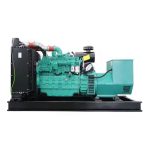
In today's world, where electricity is an indispensable part of our daily lives, ensuring a reliable power supply is crucial for smooth operations in various sectors such as industries, healthcare facilities, data centers, and more. While the grid power supply serves as the primary source of electricity, it is susceptible to disruptions and outages due to various reasons such as natural disasters, equipment failures, and overloading. To address these challenges and ensure uninterrupted power supply, many organizations rely on diesel generators for load sharing.
Diesel generators have long been a popular choice for backup power generation due to their reliability, efficiency, and cost-effectiveness. In recent years, the concept of load sharing with multiple diesel generators has gained significant traction as a way to optimize power management and enhance overall system performance. This article explores the role of diesel generators in load sharing, their advantages, challenges, and best practices for implementation.
Understanding Load Sharing with Diesel Generators
Load sharing with diesel generators involves the parallel operation of multiple generators to supply power to a common electrical load. By distributing the load among multiple generators, the system can achieve better efficiency, reliability, and flexibility compared to a single generator setup. In a load-sharing configuration, each generator operates at a portion of its rated capacity, ensuring optimal utilization of resources and reducing the risk of overloading.
The key components of a diesel generator system for load sharing include the generators themselves, synchronizing panels, load-sharing controllers, and protective relays. Synchronizing panels are used to synchronize the output voltage and frequency of each generator before connecting them to the common bus. Load-sharing controllers monitor the load on each generator and adjust the power output accordingly to maintain balance and prevent overloading. Protective relays ensure the safety of the system by detecting faults and isolating faulty components.
Advantages of Diesel Generators for Load Sharing
1. Enhanced Reliability: By distributing the load among multiple generators, a load-sharing system can provide redundancy and ensure continuous power supply even if one generator fails. This redundancy reduces the risk of downtime and minimizes the impact of power outages on critical operations.
2. Improved Efficiency: Load sharing allows for better utilization of resources by operating generators at a portion of their rated capacity. This optimized operation results in higher fuel efficiency, reduced maintenance costs, and extended generator lifespan.
3. 150kw diesel generator : Load-sharing systems can easily accommodate changes in load demand by adding or removing generators as needed. This scalability makes it a flexible solution for applications with fluctuating power requirements.
4. Cost-Effectiveness: While the initial investment in multiple generators and associated equipment may be higher than a single generator setup, the long-term cost savings from improved efficiency, reduced downtime, and lower maintenance costs make load sharing a cost-effective solution in the long run.
Challenges of Diesel Generators for Load Sharing
1. Synchronization Issues: Ensuring proper synchronization of multiple generators is crucial for the successful operation of a load-sharing system. Any discrepancies in voltage or frequency can lead to instability, power quality issues, and equipment damage.
2. Load Distribution: Balancing the load among multiple generators can be challenging, especially during sudden load changes or transient conditions. Inadequate load distribution can result in overloading of some generators, leading to reduced efficiency and potential equipment damage.
3. Maintenance and Monitoring: Managing multiple generators in a load-sharing system requires regular maintenance, monitoring, and troubleshooting to ensure optimal performance. A proactive maintenance schedule and real-time monitoring of key parameters are essential to prevent unexpected failures.
4. Control System Complexity: The control system for a load-sharing setup can be complex, involving multiple controllers, sensors, and communication interfaces. Proper configuration, calibration, and testing of the control system are essential to ensure reliable and efficient operation.
Best Practices for Implementing Diesel Generators for Load Sharing
1. System Design: A well-designed load-sharing system takes into account factors such as load profile, generator capacity, redundancy requirements, and future expansion plans. Working with experienced engineers and consultants can help ensure that the system is tailored to meet the specific needs of the application.
2. Synchronization and Control: Proper synchronization of generators and robust control algorithms are critical for the stability and efficiency of a load-sharing system. Investing in high-quality synchronizing panels, load-sharing controllers, and protective relays can help minimize the risk of synchronization issues and ensure smooth operation.
3. Maintenance and Monitoring: Implementing a comprehensive maintenance plan that includes regular inspections, testing, and preventive maintenance can help extend the lifespan of the generators and prevent unexpected failures. Real-time monitoring of key parameters such as fuel consumption, load distribution, and system performance can provide valuable insights for optimizing operation.
4. Training and Documentation: Providing training for operators and maintenance staff on the operation, maintenance, and troubleshooting of the load-sharing system is essential for ensuring safe and efficient operation. Developing detailed documentation, including operation manuals, maintenance procedures, and emergency response plans, can serve as a valuable reference for personnel.
Conclusion
Diesel generators for load sharing offer a reliable and efficient solution for managing power supply in various applications. By distributing the load among multiple generators, organizations can enhance reliability, efficiency, and scalability while minimizing downtime and operational risks. While there are challenges associated with implementing and maintaining a load-sharing system, following best practices in system design, synchronization, control, maintenance, and training can help maximize the benefits of diesel generators for load sharing. As the demand for reliable backup power solutions continues to grow, diesel generators are expected to play a vital role in ensuring uninterrupted power supply in critical facilities and operations.
Public Last updated: 2025-03-07 04:09:41 AM