Are Bumpy Roads Dangerous for Babies in Bike Seats? A Service Writer’s Guide to Safe Cruising
Can your kid sit up and hold their head steady for the whole ride?
If you can't answer that with a definitive "yes" without them slumping, you aren't ready to hit the pavement. Before we talk about gear, suspension, or route mapping, we need to address the most critical factor in bicycle safety: the developmental status of your child. I’ve spent nine years in the back of a bike shop watching parents try to jam six-month-olds into seats that were designed for toddlers. I’ve seen the "vibration baby bike seat" concerns come across the service counter, and I’ve pulled many a loose bolt from a seat mount that shook itself to pieces because the terrain was too rough for the hardware.
So, let's talk about the reality of riding with a child on bumpy roads, how to handle the physics of vibration, and why "waiting until they are a year old" is terrible advice compared to looking for specific, physical milestones.
The Age Myth vs. Developmental Reality
Too many manufacturers slap a "12 months+" sticker on their seats. I have a problem with that. A child’s development isn't a calendar event; it’s a series of physical capabilities. When you ride a bike, you are introducing constant micro-vibrations and sudden shocks (the dreaded potholes child seat hazard). If your child cannot maintain independent sitting stability, their neck muscles are not yet equipped to absorb the inertia created by those bumps.
Look for these specific signs before you even consider a bike seat:
- Head Control: They can hold their head steady for 20+ minutes without tiring or needing to rest their chin on their chest.
- Core Stability: They can sit upright in a high chair or on the floor without slumping for the duration of a standard meal.
- Neck Strength: They show no "head bobble" when you walk quickly or make sudden stops.
If they aren't there yet, wait. The risk of concussion or neck strain from a "minor" bump is non-zero, and as someone who has seen the results of a bike tip-over, I can tell you that a baby's neck is simply not prepared for those forces.
Vibration, Potholes, and Your Hardware
I keep a tiny notebook at my desk. It’s filled with "things that rattled loose mid-ride." Every time a parent comes in complaining about a "rattling noise," it’s almost always a poorly installed rack or a seat mount that hasn't been checked in months. When you take a child over bumpy roads, your bike becomes a jackhammer for your accessories.
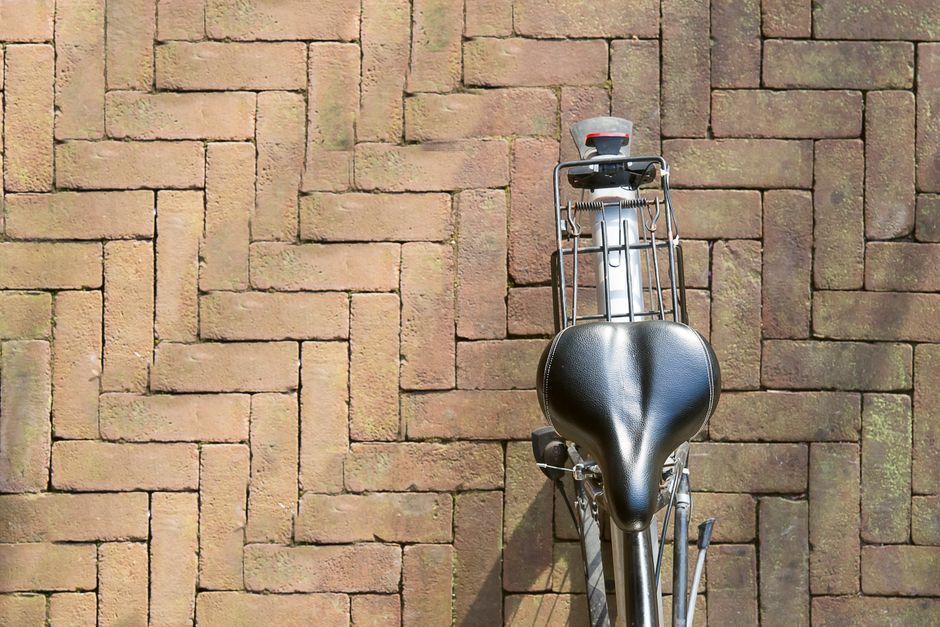
Vibration is the silent killer of bike components. A pothole isn't just a bump; it's a sudden, vertical acceleration. If you are using a rear seat, you are relying on the metal struts of a rack. If those bolts are loose, the entire seat can shift, causing you to lose your balance or, worse, detaching the seat from the frame. Perform a rear rack compatibility check every three rides. If you can wiggle the rack with your hand, do not put your child in it. Tighten the bolts, use blue Loctite if you have to, and check that the rack is rated for the weight of both the seat and the child.
Comparing Transport Modes for Bumpy Terrain
When you have to deal with less-than-ideal road conditions, not all seats are created equal. Here is how they compare:
Seat Type Vibration Absorption Stability Best For Front-Mounted Low (Direct to frame) High (Between your arms) Smooth bike paths, city streets Rear-Mounted Moderate (Depends on rack/springs) Medium (High center of gravity) General commuting Trailer High (Axle suspension) Excellent (Lower to ground) Rough roads, gravel, long hauls
The "Front vs. Rear vs. Trailer" Debate
If your primary commute involves gravel, potholes, or buckled pavement, a front seat is often the worst choice. They are rigid. Every bump you hit gets transferred directly through the frame to the seat. The child experiences the bump as a sharp "kick."
Rear seats are slightly better if you choose a model with a spring-loaded suspension system, but they move the center of gravity higher, making the bike prone to swaying. Trailers, in my professional opinion, are the gold standard for rough roads. They feature low centers of gravity and almost always include some form of axle suspension. If you must use a child seat on rough ground, you are essentially asking for a crash or a neck injury. Invest in a trailer with a reinforced roll cage if your route isn't buttery smooth.
Helmet Positioning: The Non-Negotiable
Nothing grinds my gears more than seeing a parent biking with a kid whose helmet is pushed back like a baseball cap. If a helmet is tilted back, it leaves the forehead completely exposed. If you hit a pothole and your child jerks forward, the helmet will offer zero protection for the frontal impact.
The Helmet Fit Check:
- The Two-Finger Rule: The bottom of the helmet should be two finger-widths above the eyebrows.
- The V-Shape: The straps should form a perfect "V" just under the earlobes. If they are loose or hanging low, the helmet will rotate in a crash.
- The Mouth Test: Open your mouth wide. The helmet should tug down slightly on your forehead. If it doesn't, the chin strap is too loose.
A loose chin strap is as good as no helmet. If you are hitting bumps, that helmet will bounce around on your child's head, distracting them and potentially causing them to panic or cry. A stable, snug helmet is part of the "vibration management" system. If the helmet isn't fitted right, don't leave the garage.
Smooth Route Planning: A Pro-Active Approach
Stop relying on the fastest route on Google Maps. That is for cars. For cyclists with kids, smooth route planning is the difference between a fun afternoon and a terrifying mechanical failure.
- Map the "Cracks": Spend a Saturday morning riding your route solo. Note the expansion joints, the potholes, and the rough patches. If a road has a history of potholes, find an alternative.
- Avoid the "Shoulder Debris": Many suburban roads have "shoulders" that are full of gravel, broken glass, and sunken drains. Stay in the primary lane if it’s safe, or find paths with paved trails away from road traffic.
- The 5mph Rule: If the road is bumpy, slow down. You shouldn't be traveling at 15-20mph over uneven surfaces while carrying a passenger. Kinetic energy in a bounce is what causes seat mount failure.
The "Service Writer’s" Final Verdict
Are bumpy roads dangerous? Yes. They are dangerous for the bike, they are dangerous for the mounting hardware, and they are dangerous for a child whose spine and neck are still developing. But they don't have to be a hard "no."
If you have a child who has mastered independent sitting, a front child bike seat age high-quality seat with proper suspension, a perfectly fitted helmet, and a Visit this site route that you have personally scouted for dangers, you can safely navigate the world. Just keep your eyes on the road, listen for that tell-tale rattle (that’s my queue to pull over and check the bolts!), and always, *always* ensure that kid is supported before you start moving.
And for heaven's sake, tighten that chin strap. Your child’s brain is worth more than the five seconds it takes to buckle them in properly.
Key Takeaways for Parents
- Developmental Milestone Check: Only ride when the child has full neck and torso control.
- Hardware Maintenance: Use your ears. If you hear a rattle, stop. Tighten your mounts.
- Helmet Safety: Two fingers above the brow, "V" under the ears, tight chin strap. No exceptions.
- Terrain Management: If the road is bad, switch to a trailer or change your route. Smooth route planning saves gear and spines.

Public Last updated: 2026-05-10 08:13:46 AM