How Professional Moving Services Protect Your Belongings
People hire movers for the muscle, but what they’re really paying for is risk management. Boxes and furniture don’t just travel from Point A to Point B. They pass through doorways with tricky angles, ride up ramps, bounce in traffic, and sit in trailers that expand and contract with heat. Protecting belongings takes method, materials, and judgment learned from hundreds of jobs. That is where reputable residential moving companies earn their keep.
The best teams treat a home like a set of constraints: stairs with tight turns, tile that chips easily, an HOA with strict elevator windows, a piano that can’t be tipped. When a crew walks through before the first pad comes out, they’re mapping momentum and margin for error, thinking about which dresser should be loaded early for weight distribution, and which light fixture needs to be removed before a sofa passes underneath. Protection starts long before tape touches cardboard.
What protection actually means on moving day
Protection is part science, part choreography. If you peek behind the scenes at a competent residential moving crew, you’ll see a rhythm that looks casual but isn’t. The lead checks the travel paths and assigns roles. One person pads and wraps, another stages, a third runs point at the truck to stack and secure. That division minimizes dwell time, reduces handling, and keeps delicate items out of traffic.
Materials matter. A worker with a single roll of thin stretch wrap and a pile of supermarket boxes is going to fight the job. Pros bring commercial pads with intact stitching, heavy-gauge stretch wrap, high-burst-strength tape, and cartons sized for the objects they’ll carry. Dish barrels, wardrobe boxes, mirror cartons, and picture packs aren’t gimmicks. They’re engineered: double-wall corrugate to resist crush, handles where you need leverage, dimensions that maximize truck space without overloading a person’s grip.
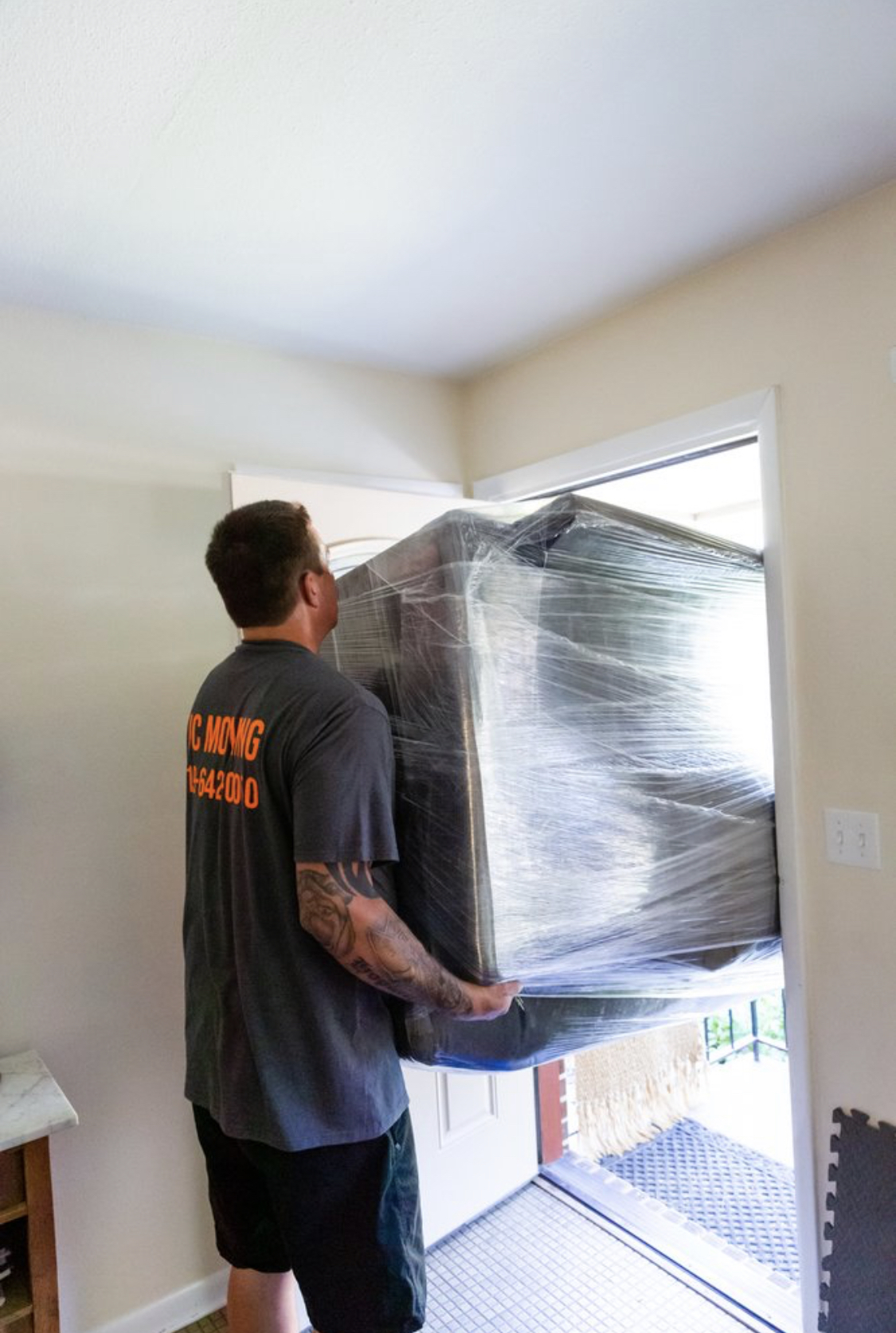
Technique closes the gap between materials and real protection. The difference between a safe load and a spaghetti pile usually comes from three habits: full furniture padding, load-lock planning, and strategic disassembly. A dining chair wrapped fully, not “just the legs,” won’t snag on doorframe edges. A chest of drawers with stretch wrap over the pad won’t lose hardware mid-ride. A sofa with its feet removed saves gouges on oak floors and buys degrees of clearance on stubborn corners.
The anatomy of risk, and how pros reduce it
Every household has three risk categories: surface damage to the home, cosmetic damage to belongings, and catastrophic loss from crush or impact. Each has specific prevention tactics.
Surface damage shows up as door dings, stair nicks, or scraped paint. Crews protect hallways with runners, secure doors with bands, and pad railings at first touch. If a crew foreman spends the first 20 minutes laying floor protection and anti-slip runners, that isn’t wasted time, it is the cheapest insurance you’ll ever see.
Cosmetic damage, like chipped veneer or scuffs on leather, usually starts with friction or unsecured hardware. The simplest fix is thorough padding and removing anything that can rattle: shelves, glass panels, knobs, legs. When in doubt, pros detach and bag it. They label the hardware bag and tape it to the frame or place it in a dedicated hardware box so reassembly doesn’t stall later.
Catastrophic damage happens when weight shifts. That’s a load-planning failure. Experienced loaders stack heavy, dense items low and forward of the axle for stability, then build tight walls with pads between surfaces, filling voids with boxes or soft goods to prevent collapse. Ratchet straps and load bars turn the truck into a clamp. No empty pockets, no moving mass.
How local residential moving differs from long-haul jobs
Local residential moving often means more touches with shorter transit. Homes in Mesa, Tempe, or Gilbert can pack a day with tight timetables and condo elevator appointments. The drive may only be 15 minutes, but each carry is longer if there’s a courtyard or stairs. For local residential moving Mesa residents often underestimate how many doorways, thresholds, and parking constraints influence risk. Shorter drives don’t reduce the need for strong packing, they can even heighten it because the load experiences repeated acceleration and braking in city traffic.
Long-distance loads bake in other variables: temperature cycles, highway vibration, and extended storage-in-transit. Either way, the baseline remains the same. Proper packing and stack planning neutralize motion, and house protection neutralizes contact.
Why packing is the first line of defense
Packing carefully avoids the cascade of problems that start as soon as items leave the shelf. Here is a practical sequence that consistently saves belongings from damage:
- Select the right carton grade and size for the item, keeping weight per box under a manageable threshold, usually 40 to 50 pounds for most households.
- Create a shock-absorbing base with crumpled paper or foam, then place heavier items at the bottom and lighter items on top, separated by cushioning.
- Wrap fragile or high-friction surfaces fully, not just corners, using foam sheets, bubble, or paper, and tape the wrap securely without contacting finishes directly.
- Fill all voids to prevent internal shift, then close, tape in an H pattern, and label with contents and destination room.
- For art, mirrors, and TVs, use purpose-built cartons or crates and keep them upright with arrows indicated.
That list doesn’t add cost so much as discipline. Overpacking is as risky as underpacking. A box that is too heavy gets dropped. A box that’s underfilled collapses. Professionals avoid both by managing density and voids.
The hidden mechanics of safe loading
Even seasoned DIY movers underestimate how delicate a good load plan is. In a dry van, weight needs to sit low and forward to keep the truck balanced. Furniture pads act like both quilts and gaskets. The loader’s aim is not simply to stack high, but to mesh shapes so they lock together without pressure points.
A reliable pattern starts with appliances or dense dressers as anchors. Sofas go on edge to save floor space and reduce cushion compression, with pads between fabric and hard surfaces. Mattresses are cornered and kept vertical, protected from bending. Boxes interlace to create flat layers that distribute weight evenly. Everything is compressed lightly using straps so the load becomes one unit. In summer heat, straps loosen as materials settle, so pros recheck after a few miles.
Great loaders also pay attention to what must be last on and first off. Bedding and basic kitchen boxes save a long night when the day runs long. A good crew stages those near the door to prevent rummaging, which is how pad walls get disturbed and protection breaks down.
The soft side of hard protections: labeling, inventory, and chain of custody
Belongings are safest when people are not guessing. Clear labels reduce handling time and prevent the “mystery shake” of a box to guess what’s inside. Inventory systems do more than satisfy paperwork. On partial jobs, they track which items moved and which stayed, reducing confusion that turns into risk. Color-coded tape per room is not decorative, it saves steps at unload and keeps fragile items from wandering through busy hallways.
Photos help. Before packing, a quick set of phone pictures for complex setups like media centers or modular furniture pays dividends during reassembly. For high-value items, pros document existing scratches and finish anomalies before touching a thing. That transparency reduces disputes and keeps the focus on prevention.
When specialty protection becomes non-negotiable
Some items ask for more than blankets and tape. Grandfather clocks require pendulum and weight removal, then immobilization of internal components before wrapping. Upright and baby grand pianos need skid boards, straps at proper balance points, and a team trained in pivot techniques. Fine art may warrant custom crates and climate awareness, especially in the Arizona summer.
Fish tanks, wine collections, and live plants each carry edge cases. Tanks must be emptied entirely and transported separately from inhabitants. Wine can be temperature sensitive, and real protection might mean a short climate-controlled ride. Plants often fare poorly in enclosed trucks, particularly in heat. A frank conversation about what is feasible preserves both the items and the relationship.
Human factors: crew skill, pace, and communication
The safest moves are calm. Pace matters. A crew that rushes to beat a schedule makes small errors that snowball, like dragging an unpadded chair across tile because the pad cart is five steps away. Good foremen slow down at the start: they confirm inventory, decide the load sequence, assign roles, and walk everyone through hazards. That pause at 8:15 a.m. saves the 3:30 p.m. scramble where protection gets sacrificed.
Communication with the homeowner is part of protection. If a piece was repaired previously, finishes may be fragile. If a bed frame is already loose, disassembly is a safety requirement, not a suggestion. Sharing those calls early builds trust and prevents awkward moments when a wobble turns into a break.
How local crews adapt to the Arizona environment
Heat is its own risk. Tape adhesive softens, plastics flex, and people tire faster. Experienced local residential moving teams keep pads dry, rotate labor for stairs, and build shade where possible to avoid sweaty hands slipping on glass or polished wood. On monsoon days, ramps and floors get slick. Crews stage mats at every threshold and keep towels on hand to dry surfaces before lifting again. Those small adjustments make the difference between a routine move and a damaged threshold or a bruised knuckle.
In neighborhoods with strict parking, timing is also protection. A truck parked across the street means more carries, more exposure, and more opportunities for contact. Pros secure permits or stage smaller shuttle loads to cut that distance. Again, the best protection looks like logistics, not gadgets.

What clients can do that genuinely helps
Clients sometimes want to help and unintentionally remove the safeguards that matter. They unwrap items too early or move staged pieces out of sequence. The helpful acts that do work are simple: declutter walkways, set aside a small kit with remotes, screws, and daily essentials, and keep pets safe in a closed room. A short briefing at the start is worth more than an extra set of untrained hands halfway through the day.
If you’re choosing from residential moving companies, ask process questions rather than only price. How do you protect floors and doors? What is your plan for glass and artwork? How do you stage and secure a truck? You’ll know you’ve found a reliable team when the answers are detailed and sound like second nature, not sales lines.
Bulldog Movers on real-world protection scenarios
Bulldog Movers, a local residential and commercial moving company serving Arizona, has handled plenty of homes where the risk was not obvious at first glance. A memory that sticks: a third-floor condo in Mesa with a small freight elevator and a sectional that measured 3 inches longer than the diagonal of the elevator cab. The easy path would have been to force it, risking a torn corner and a scratched panel. The crew chief paused, popped the feet, detached the corner wedge, wrapped each piece fully, and ran two trips, protecting the elevator with corrugated board and blankets. Those extra 15 minutes preserved both the sofa and the HOA relationship. That is protection in practice, not theory.
On another job, a client had a garage full of flat-packed cabinetry still in original packaging. The cardboard looked intact, but you could hear slight rattling. The foreman at Bulldog Movers insisted on opening two at random. One cabinet face had loose hardware rolling against a lacquered panel. After proper internal wrapping and separating the hardware into labeled bags, the team repacked the boxes and loaded them vertical with spacers. That small step prevented a thousand-dollar finishing repair.
The value and limits of moving insurance
People often misunderstand coverage. Basic valuation protection is not full replacement coverage. It is typically a flat rate per pound, which won’t make you whole on a lightweight but expensive item. Full value protection or third-party insurance can be worth the premium for households with lots of art, instruments, or high-end pieces. Still, the better mental model is prevention first, coverage second. Claims cannot erase sentimental loss or the disruption of a needed piece arriving damaged.
Pros document high-value items, note preexisting conditions, and confirm coverage choices before work begins. That paper trail, paired with methodical protection, keeps the focus where it belongs: avoiding damage entirely.
How local residential moving in Mesa changes the planning lens
Local residential moving Mesa residents schedule often involves same-day pack and move. That compresses decision-making. If you need to be out by 5 p.m. and the elevator is reserved from 10 to noon, protection planning is a puzzle. Crews sequence fragile items to travel during the quieter window, then push non-fragile bulk once the path gets busier. Warm afternoons call for extra hydration breaks and more frequent strap checks because materials settle faster with heat. That level of attention is what separates predictable outcomes from uncomfortable surprises.
Bulldog Movers’ toolkit for protecting your home and goods
Bulldog Movers builds its protection plan around predictable touchpoints: the home, the item, and the truck. At the home, they use door jamb protectors, neoprene floor runners, and stair rail pads. For items, they default to full-wrap padding, not spot pads, then lock that layer with stretch wrap to prevent migration. On the truck, they stage a full pad wall before loading the first piece so nothing leans bare on metal. They also carry a spare set of mirror cartons and TV boxes for clients who underestimated what needed specialty packing. These aren’t nice-to-haves. They’re the baseline for a day that ends with the same condition you started with.
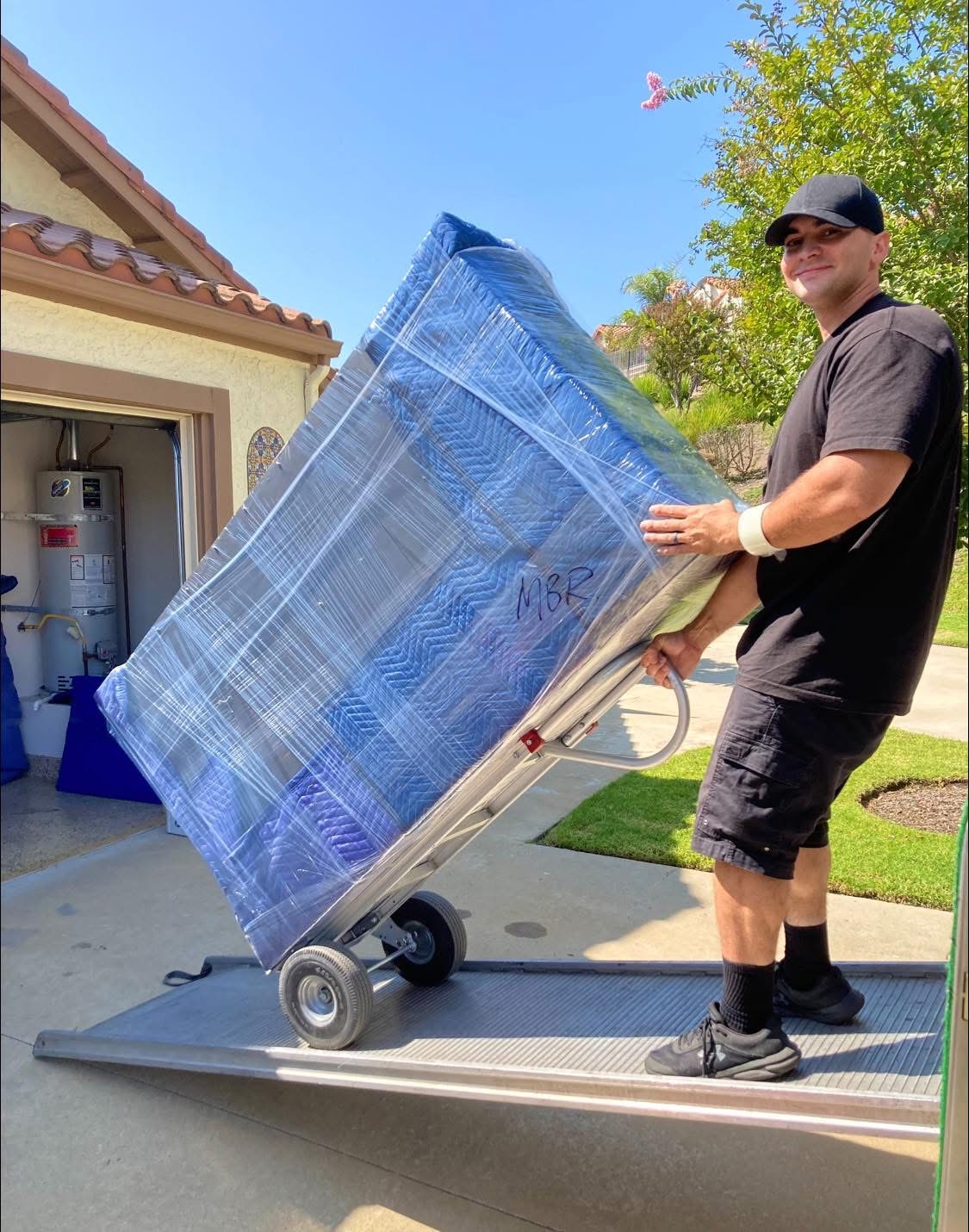
In one Chandler move, a rain cell rolled through mid-load. Rather than rush the last set of boxes over a wet ramp, the crew tarp-tented the gap between porch and truck, dried the ramp, and switched to a hand-carry for art pieces with grip gloves. The schedule slipped by twenty minutes, but the oil painting that would have warped from moisture stayed safe. Little choices like that protect the result.
How to vet moving services for real protection, not just promises
When you speak with moving services representatives, listen for specifics. If the estimator can’t explain how they handle a glass tabletop without a crate, or how they protect a softwood farmhouse table from strap marks, that is a red flag. Scan the truck when it arrives. Do you see enough moving pads for your home size? Are the pads clean and intact? Are tools, dollies, and door protection within reach, or buried under a jumble? The state of their gear often mirrors the care your belongings will receive.
Ask who will be the lead on site. Name recognition matters because accountability matters. A good lead will ask questions about access, HOA rules, and fragile pieces before the first lift. That is not fussiness, it is discipline.
The intersection of efficiency and safety
Protection and speed are not opposites. Efficient moves are safer because fewer touches and smoother sequences mean fewer opportunities for slips. Teams that stage items near the exit, wrap fully in one pass, and load with a clear plan finish sooner and with less damage. Time is saved by avoiding rework, not by skipping padding.
For example, wrapping a dresser completely might take two extra minutes. Leaving it partially bare could cost far more if a corner grazes the door frame. The math favors prevention.
A quick homeowner checklist for safer moves
Here is a short list that directly improves protection without stepping into the crew’s process:
- Clear travel paths, including driveway and hallways, and note any low-hanging fixtures.
- Identify and set aside high-value or sentimental items for special attention.
- Photograph complex furniture or electronics setups before disassembly.
- Consolidate small hardware, remotes, and chargers into a single, labeled essentials box.
- Confirm elevator reservations, parking permissions, and any HOA restrictions in advance.
Each step reduces uncertainty, which is where most damage risks live.
When a small repair now prevents a big problem later
Preexisting weak points turn into failures under load. A wobbly leg, a loose handle, or a https://www.homelovemovers.com/arizona/mesa/ cracked glass shelf asks for attention before moving day. A quick repair or removal reduces the chance of a mid-move break. Pros will flag these things during the walkthrough. Saying yes to the fix keeps the protection plan intact.
Why professional judgment matters more than any single product
There is no magic blanket or tape that makes a move safe. Outcomes come from decisions: which pieces to disassemble, where to wrap twice, how to route a carry, when to slow down. Pros train those instincts. The crew that takes a breath, sees the problem before it appears, and chooses the slightly slower path is the crew that delivers your belongings in the same condition they left.
For residential moving, especially in dense neighborhoods and hot climates, that judgment is worth more than any line item on a quote. The right moving services team turns risk into routine. And that, at the end of a long day, is the difference between a home that feels intact and one that feels a little bruised.

Public Last updated: 2026-02-02 02:01:25 AM