Efficient Operation and Maintenance of Garbage Compactor Trucks
Introduction:
Garbage compactor trucks play a crucial role in waste management systems worldwide. These specialized vehicles are designed to collect, compress, and transport solid waste efficiently, helping to keep our cities clean and hygienic. Understanding the operation and maintenance of garbage compactor trucks is essential for ensuring their optimal performance and prolonging their lifespan. In this article, we will delve into the intricacies of garbage compactor truck operation, highlighting key aspects of their functionality, maintenance requirements, and best practices for efficient operation.
Overview of Garbage Compactor Trucks:
Garbage compactor trucks, also known as refuse compactors or waste compactors, are specifically designed to collect and compact solid waste for transport to disposal sites such as landfills or recycling facilities. These trucks come in various sizes and configurations, ranging from small rear-loading compactors used for residential waste collection to large front-loading or side-loading compactors for commercial and industrial applications.
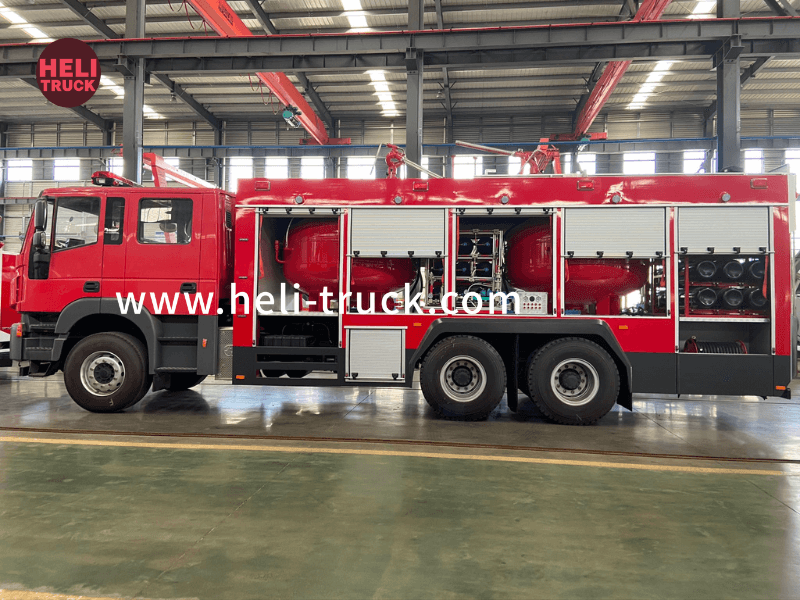
The primary components of a garbage compactor truck include the compaction mechanism, hydraulic system, storage compartment, and control panel. The compaction mechanism, typically a hydraulic press or blade, is used to compress the collected waste, reducing its volume and maximizing the truck's carrying capacity. The hydraulic system powers the compaction mechanism and other moving parts of the truck, such as the loading arm or hopper. The storage compartment, located at the rear, side, or front of the truck, holds the compacted waste until it is ready for disposal. The control panel allows the operator to manage the compaction process, monitor system status, and control various functions of the truck.
Operation of Garbage Compactor Trucks:
The operation of a garbage compactor truck involves several key steps to ensure efficient waste collection and compaction. Proper training and adherence to safety protocols are essential for the operator to perform their duties effectively. The following are the main stages involved in the operation of a garbage compactor truck:
1. Route Planning and Scheduling:
Before starting the collection route, the operator must plan the most efficient path to minimize travel time and fuel consumption. Route scheduling is crucial to ensure timely waste collection and optimize the truck's capacity utilization.
2. Pre-Trip Inspection:
Prior to starting the compactor truck, the operator should conduct a thorough pre-trip inspection to check for any mechanical issues, hydraulic leaks, or safety hazards. Inspecting the compaction mechanism, hydraulic system, storage compartment, and control panel is essential to prevent breakdowns during operation.
3. Waste Collection:
Once the truck is ready, the operator proceeds with waste collection according to the pre-planned route. Depending on the type of compactor truck, waste may be loaded into the storage compartment through a rear hopper, side-loading door, or front-loading bin. The operator must ensure that the waste is evenly distributed and compacted to maximize the truck's carrying capacity.
4. Compaction Process:
During the compaction process, the operator activates the hydraulic system to compress the collected waste. Proper compaction is essential to reduce the volume of waste and prevent overflow or spillage during transport. The operator should monitor the compaction progress and adjust the pressure as needed to achieve optimal density.
5. Disposal of Waste:
Once the storage compartment is full, the operator drives the compactor truck to the designated disposal site for unloading. Proper disposal procedures must be followed to ensure compliance with waste management regulations and environmental standards. Depending on the type of waste, it may be directed to a landfill, recycling facility, or composting site.
Maintenance of Garbage Compactor Trucks:
Regular maintenance is critical to keeping garbage compactor trucks in optimal operating condition and extending their lifespan. Neglecting maintenance tasks can lead to mechanical failures, reduced efficiency, and increased operating costs. The following are essential maintenance practices for garbage compactor trucks:
1. Daily Inspections:
Operators should conduct daily visual inspections of the compactor truck to check for any signs of wear, damage, or leaks. Key components to inspect include the compaction mechanism, hydraulic hoses, storage compartment, and control panel. Any abnormalities should be reported to the maintenance team for timely repairs.
2. Hydraulic System Maintenance:
The hydraulic system is a crucial component of garbage compactor trucks, powering the compaction mechanism and other moving parts. Regular maintenance of hydraulic pumps, cylinders, hoses, and fluid levels is essential to prevent system failures and ensure smooth operation. Hydraulic fluid should be checked and replaced as needed according to the manufacturer's guidelines.
3. Compaction Mechanism:
The compaction mechanism, whether a press, blade, or ram, should be inspected regularly for wear and proper alignment. Misalignment or excessive wear can lead to inefficient compaction and increased energy consumption. Cleaning and lubricating the compaction mechanism can help prevent corrosion and extend its service life.
4. Electrical System:
The control panel and electrical components of the garbage compactor truck should be inspected for loose connections, damaged wiring, or malfunctioning sensors. Proper functioning of the electrical system is essential for controlling the compaction process and monitoring system status. Any electrical issues should be addressed promptly by qualified technicians.
5. Structural Integrity:
Regular inspections of the truck's body, chassis, and support structures are necessary to ensure their structural integrity. Corrosion, cracks, or deformation should be addressed promptly to prevent safety hazards and maintain the truck's overall stability. Repainting and rust-proofing can help protect the truck's metal components from environmental damage.
Best Practices for Efficient Operation:
In addition to regular maintenance, following best practices for efficient operation can help maximize the performance and longevity of garbage compactor trucks. The following tips can help operators and fleet managers optimize their waste collection operations:
1. Proper Training:
Operators should undergo comprehensive training on the operation, maintenance, and safety procedures of garbage compactor trucks. Proper training can improve efficiency, reduce downtime, and prevent accidents in the workplace. Ongoing training sessions and refresher courses can keep operators up-to-date on the latest technologies and best practices.
2. Load Optimization:
Efficient waste collection requires proper load optimization to maximize the truck's carrying capacity without exceeding weight limits. Operators should ensure that waste is evenly distributed and compacted to prevent overloading and spillage. Using compaction ratios and weight sensors can help monitor the load distribution and avoid unnecessary trips to disposal sites.
3. Environmental Compliance:
Garbage compactor trucks play a vital role in waste management, and operators must adhere to environmental regulations and safety standards. Proper disposal of hazardous waste, recycling of recyclable materials, and compliance with local ordinances are essential for sustainable waste management practices. Regular audits and inspections can help ensure compliance with regulatory requirements.
4. Fleet Management:
Fleet managers should implement a proactive maintenance schedule and tracking system to monitor the performance of garbage compactor trucks. Predictive maintenance techniques, such as condition monitoring and performance analysis, can help identify potential issues before they escalate into major breakdowns. Regular maintenance records and service logs should be maintained for each truck in the fleet.
5. Technology Integration:
Advancements in telematics, GPS tracking, and onboard diagnostics have revolutionized the waste management industry. Integrating these technologies into garbage compactor trucks can improve route planning, optimize fuel efficiency, and enhance driver safety. Real-time monitoring of truck performance, fuel consumption, and maintenance alerts can help fleet managers make informed decisions and streamline operations.
Conclusion:
Garbage compactor trucks are essential assets in waste management systems, contributing to the cleanliness and sustainability of our communities. Understanding the operation and maintenance of these specialized vehicles is key to ensuring their efficient performance and longevity. By following best practices for operation, maintenance, and fleet management, operators and fleet managers can optimize the performance of garbage compactor trucks, reduce operating costs, and enhance environmental sustainability. Continuous training, regular maintenance, and technology integration are crucial for achieving operational excellence in waste collection and compaction. By https://www.heli-truck.com , efficiency, and environmental compliance, garbage compactor trucks can continue to play a vital role in managing solid waste and promoting a cleaner, healthier environment.
Garbage compactor trucks play a crucial role in waste management systems worldwide. These specialized vehicles are designed to collect, compress, and transport solid waste efficiently, helping to keep our cities clean and hygienic. Understanding the operation and maintenance of garbage compactor trucks is essential for ensuring their optimal performance and prolonging their lifespan. In this article, we will delve into the intricacies of garbage compactor truck operation, highlighting key aspects of their functionality, maintenance requirements, and best practices for efficient operation.
Overview of Garbage Compactor Trucks:
Garbage compactor trucks, also known as refuse compactors or waste compactors, are specifically designed to collect and compact solid waste for transport to disposal sites such as landfills or recycling facilities. These trucks come in various sizes and configurations, ranging from small rear-loading compactors used for residential waste collection to large front-loading or side-loading compactors for commercial and industrial applications.
The primary components of a garbage compactor truck include the compaction mechanism, hydraulic system, storage compartment, and control panel. The compaction mechanism, typically a hydraulic press or blade, is used to compress the collected waste, reducing its volume and maximizing the truck's carrying capacity. The hydraulic system powers the compaction mechanism and other moving parts of the truck, such as the loading arm or hopper. The storage compartment, located at the rear, side, or front of the truck, holds the compacted waste until it is ready for disposal. The control panel allows the operator to manage the compaction process, monitor system status, and control various functions of the truck.
Operation of Garbage Compactor Trucks:
The operation of a garbage compactor truck involves several key steps to ensure efficient waste collection and compaction. Proper training and adherence to safety protocols are essential for the operator to perform their duties effectively. The following are the main stages involved in the operation of a garbage compactor truck:
1. Route Planning and Scheduling:
Before starting the collection route, the operator must plan the most efficient path to minimize travel time and fuel consumption. Route scheduling is crucial to ensure timely waste collection and optimize the truck's capacity utilization.
2. Pre-Trip Inspection:
Prior to starting the compactor truck, the operator should conduct a thorough pre-trip inspection to check for any mechanical issues, hydraulic leaks, or safety hazards. Inspecting the compaction mechanism, hydraulic system, storage compartment, and control panel is essential to prevent breakdowns during operation.
3. Waste Collection:
Once the truck is ready, the operator proceeds with waste collection according to the pre-planned route. Depending on the type of compactor truck, waste may be loaded into the storage compartment through a rear hopper, side-loading door, or front-loading bin. The operator must ensure that the waste is evenly distributed and compacted to maximize the truck's carrying capacity.
4. Compaction Process:
During the compaction process, the operator activates the hydraulic system to compress the collected waste. Proper compaction is essential to reduce the volume of waste and prevent overflow or spillage during transport. The operator should monitor the compaction progress and adjust the pressure as needed to achieve optimal density.
5. Disposal of Waste:
Once the storage compartment is full, the operator drives the compactor truck to the designated disposal site for unloading. Proper disposal procedures must be followed to ensure compliance with waste management regulations and environmental standards. Depending on the type of waste, it may be directed to a landfill, recycling facility, or composting site.
Maintenance of Garbage Compactor Trucks:
Regular maintenance is critical to keeping garbage compactor trucks in optimal operating condition and extending their lifespan. Neglecting maintenance tasks can lead to mechanical failures, reduced efficiency, and increased operating costs. The following are essential maintenance practices for garbage compactor trucks:
1. Daily Inspections:
Operators should conduct daily visual inspections of the compactor truck to check for any signs of wear, damage, or leaks. Key components to inspect include the compaction mechanism, hydraulic hoses, storage compartment, and control panel. Any abnormalities should be reported to the maintenance team for timely repairs.
2. Hydraulic System Maintenance:
The hydraulic system is a crucial component of garbage compactor trucks, powering the compaction mechanism and other moving parts. Regular maintenance of hydraulic pumps, cylinders, hoses, and fluid levels is essential to prevent system failures and ensure smooth operation. Hydraulic fluid should be checked and replaced as needed according to the manufacturer's guidelines.
3. Compaction Mechanism:
The compaction mechanism, whether a press, blade, or ram, should be inspected regularly for wear and proper alignment. Misalignment or excessive wear can lead to inefficient compaction and increased energy consumption. Cleaning and lubricating the compaction mechanism can help prevent corrosion and extend its service life.
4. Electrical System:
The control panel and electrical components of the garbage compactor truck should be inspected for loose connections, damaged wiring, or malfunctioning sensors. Proper functioning of the electrical system is essential for controlling the compaction process and monitoring system status. Any electrical issues should be addressed promptly by qualified technicians.
5. Structural Integrity:
Regular inspections of the truck's body, chassis, and support structures are necessary to ensure their structural integrity. Corrosion, cracks, or deformation should be addressed promptly to prevent safety hazards and maintain the truck's overall stability. Repainting and rust-proofing can help protect the truck's metal components from environmental damage.
Best Practices for Efficient Operation:
In addition to regular maintenance, following best practices for efficient operation can help maximize the performance and longevity of garbage compactor trucks. The following tips can help operators and fleet managers optimize their waste collection operations:
1. Proper Training:
Operators should undergo comprehensive training on the operation, maintenance, and safety procedures of garbage compactor trucks. Proper training can improve efficiency, reduce downtime, and prevent accidents in the workplace. Ongoing training sessions and refresher courses can keep operators up-to-date on the latest technologies and best practices.
2. Load Optimization:
Efficient waste collection requires proper load optimization to maximize the truck's carrying capacity without exceeding weight limits. Operators should ensure that waste is evenly distributed and compacted to prevent overloading and spillage. Using compaction ratios and weight sensors can help monitor the load distribution and avoid unnecessary trips to disposal sites.
3. Environmental Compliance:
Garbage compactor trucks play a vital role in waste management, and operators must adhere to environmental regulations and safety standards. Proper disposal of hazardous waste, recycling of recyclable materials, and compliance with local ordinances are essential for sustainable waste management practices. Regular audits and inspections can help ensure compliance with regulatory requirements.
4. Fleet Management:
Fleet managers should implement a proactive maintenance schedule and tracking system to monitor the performance of garbage compactor trucks. Predictive maintenance techniques, such as condition monitoring and performance analysis, can help identify potential issues before they escalate into major breakdowns. Regular maintenance records and service logs should be maintained for each truck in the fleet.
5. Technology Integration:
Advancements in telematics, GPS tracking, and onboard diagnostics have revolutionized the waste management industry. Integrating these technologies into garbage compactor trucks can improve route planning, optimize fuel efficiency, and enhance driver safety. Real-time monitoring of truck performance, fuel consumption, and maintenance alerts can help fleet managers make informed decisions and streamline operations.
Conclusion:
Garbage compactor trucks are essential assets in waste management systems, contributing to the cleanliness and sustainability of our communities. Understanding the operation and maintenance of these specialized vehicles is key to ensuring their efficient performance and longevity. By following best practices for operation, maintenance, and fleet management, operators and fleet managers can optimize the performance of garbage compactor trucks, reduce operating costs, and enhance environmental sustainability. Continuous training, regular maintenance, and technology integration are crucial for achieving operational excellence in waste collection and compaction. By https://www.heli-truck.com , efficiency, and environmental compliance, garbage compactor trucks can continue to play a vital role in managing solid waste and promoting a cleaner, healthier environment.

Public Last updated: 2025-06-03 06:20:17 AM