How to Choose a Dune Buggy for a Dubai Desert Trip
Picking the right off-road vehicle for a desert trip is less about chasing the biggest engine and more about matching the ride to the terrain, the route and the people in your group. A good choice makes the day feel smooth and controlled. A poor choice can turn a short stretch of sand into a tiring, dusty experience.
The process becomes simpler when you look at a few practical points in order: who is riding, where the route goes, what safety gear is needed and how the vehicle is maintained. Each point narrows the options before you make a booking or step onto the sand.
Start with the route and terrain
Begin by understanding the kind of driving involved. Flat desert tracks, rolling sand dune terrain and steep climbs ask for different levels of control. If the route includes sharp crests, soft sand or tight turns, stability and steering response matter more than raw speed.
Ask what kind of route is planned and how long the driving section lasts. A short loop over firm ground suits a lighter vehicle. Longer routes over loose sand call for a buggy with stronger suspension and a chassis that stays composed when the surface changes. The aim is not to conquer every dune, but to choose a vehicle that feels predictable under the conditions.
Weather also shapes the decision. Hot sand can affect tyre pressure and engine temperature, while low light makes dips and ridges harder to read. If the trip is near sunset tour time, confirm that the route is suitable for changing visibility and that the pace stays sensible.
Match the vehicle to the riders
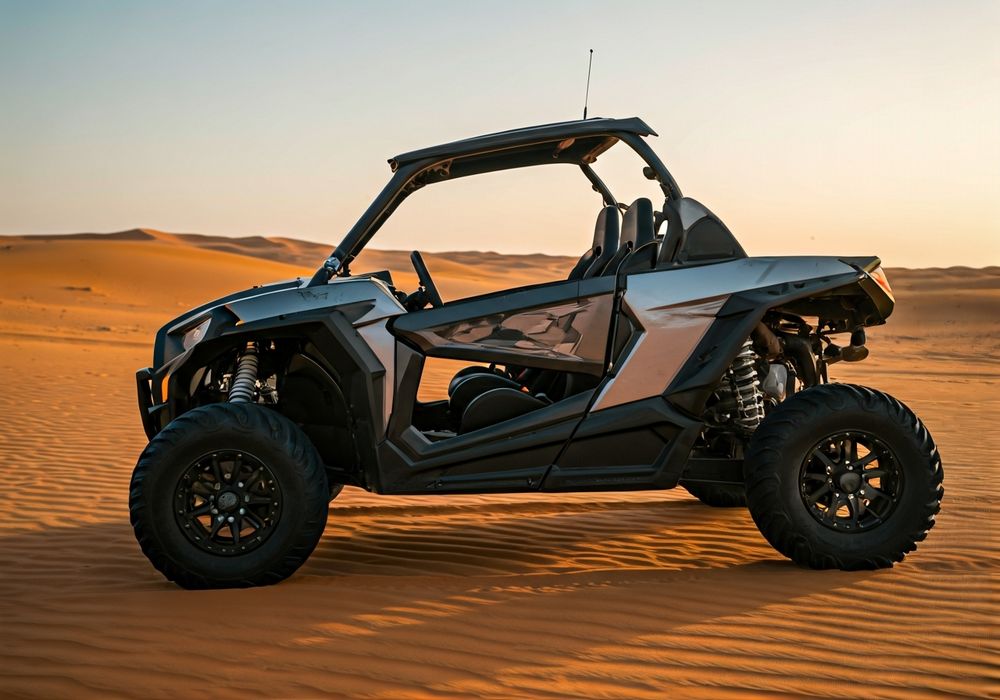
Next, think about the group. A single rider has different needs from two people sharing the same vehicle. Check the seating layout, the space around the legs and whether each passenger can sit without being squeezed against the roll structure. Comfort matters on a bumpy route, especially when sand throws up dust and heat.
Age, height and confidence all play a part. Children should only ride where the operator allows it and where the vehicle has suitable seating and restraints. If someone is new to off-road driving, a calmer option is usually better than a high powered machine that reacts sharply to small steering inputs.
Drivers should also be comfortable with basic control. A buggy behaves differently from a road car. Sand can make the front feel light, and a small turn at speed can produce a much larger slide than expected. Choosing a vehicle with manageable power helps a less experienced rider stay relaxed.
Check safety equipment before anything else
Safety is not an accessory to add at the end. It should shape the choice from the start. A proper safety helmet should fit snugly, sit level on the head and stay in place without pressing painfully. A loose helmet can shift in a moment of rough movement, while an overly tight one becomes distracting over a long ride.
Eye protection is just as useful in open sand. Desert goggles help keep dust, grit and bright glare away from the eyes. If the buggy has no windscreen, this becomes even more relevant. Closed shoes, breathable clothing and sun protection also make a real difference, but the helmet and eye protection deserve the first check.
Look for clear safety features such as a roll structure, working seat belts and a clean seating area. Important mechanical issues are not something to diagnose on the day. Signs such as odd noises, poor steering response or a vehicle that seems unstable should be reported to the operator rather than tested further. Repairs to steering, brakes or other critical systems belong with a qualified professional.
Compare power, suspension and control
Once safety is settled, compare how the buggy is set up. Engine size can matter, but it is only one part of the picture. A well balanced vehicle with good suspension often feels easier to handle than a powerful one that bounces across uneven ground.
Suspension travel helps absorb ruts, small dips and sudden drops. On sand, this keeps the wheels in contact with the surface and reduces the jolt passed to the rider. A softer setup can feel comfortable over gentle terrain, yet it may feel vague on fast turns. A firmer setup can feel more direct, but it may transmit more shock on rough stretches.
Steering should feel smooth and predictable. Before committing, ask how the vehicle handles at low speed and on gentle slopes. A buggy that tracks straight without constant correction is usually less tiring. When comparing options for dune buggy dubai, focus on control and balance rather than choosing the machine that looks most aggressive.
Braking response also deserves attention. Sand changes how quickly a vehicle can slow down, so riders need confidence in the pedal feel. Any concern about braking, steering or unusual vibration should be raised before departure. Those problems need professional inspection, not a quick adjustment by a rider.
Ask what is included and what is expected
The practical details around the ride can affect the choice as much as the vehicle itself. Confirm whether protective gear is provided, whether a brief orientation is offered and how the route is supervised. Clear instructions help riders understand hand signals, stopping distance and what to do if the group changes pace.
It is also worth asking how the buggy is prepared between rides. Sand, heat and repeated use place real demands on an off-road vehicle. Routine checks, cleaning and tyre care help keep performance steady. A vehicle that looks cared for often gives more confidence than one that appears rushed from one trip to the next.
Do not rely on appearance alone. A clean shell tells little about steering or suspension condition. Instead, look for clear communication from the operator, visible safety equipment and a sensible match between the vehicle and the route. If answers are vague, that is a reason to pause.
Read the ride style, not just the vehicle type
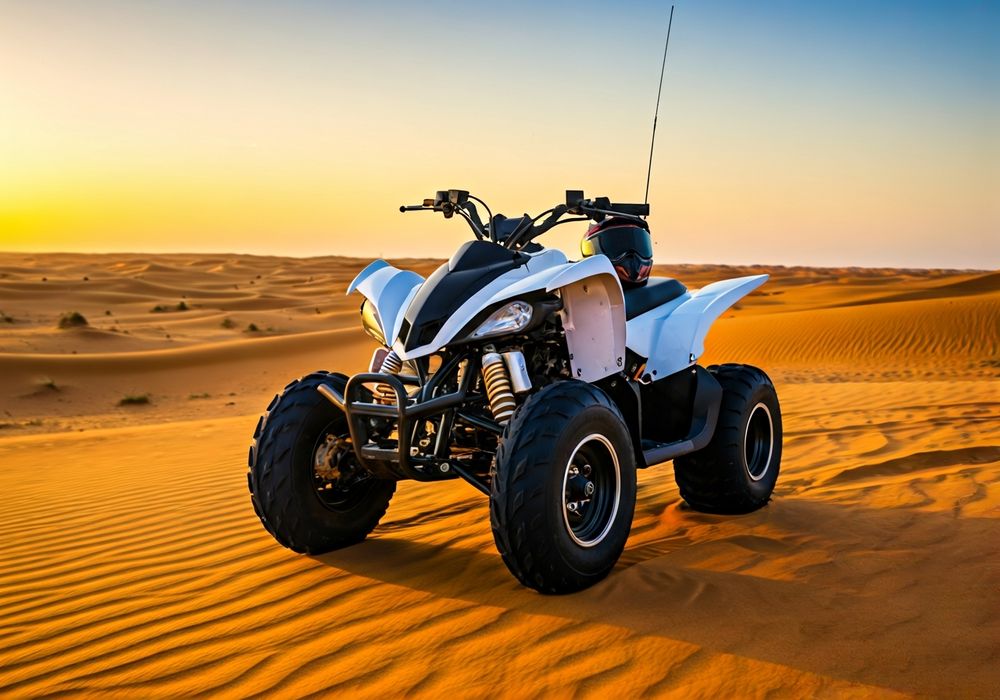
Different trips create different experiences. Some focus on gentle driving across open sand with frequent stops. Others include more spirited dune bashing, where speed and angle matter more. A quad bike offers a different feel again, with the rider seated differently and more body movement involved.
Choose the style that suits the group rather than the one that sounds most thrilling. A rider who wants photographs and a relaxed pace may prefer a route with longer pauses. Someone seeking a more energetic drive may want a vehicle and route designed for that purpose. Mixing those expectations in one group often leads to compromise, so agree on the pace before booking.
If the wider trip includes a desert safari, consider how the buggy section fits with the rest of the day. Heat, dust and time in the sun can drain energy quickly. A shorter, well paced ride may fit better than a long drive squeezed between other activities.
Make the final comparison calmly
By this stage, the decision should rest on a few clear answers. Does the vehicle suit the riders? Is the route appropriate for the terrain? Is safety gear available and properly fitted? Does the buggy feel controlled rather than merely powerful? Are the operating details explained in plain terms?
When those answers line up, the choice is usually straightforward. When one answer is weak, a better machine may still be the wrong fit. The right dune buggy dubai experience is built on control, preparation and honest matching of vehicle to conditions, not on speed alone.
A final practical check helps before confirming. Make sure everyone understands the basic riding rules, including staying with the group, avoiding sudden turns near other vehicles and stopping if visibility drops. Confidence grows when expectations are clear. That preparation lets the ride feel like a planned desert outing rather than a guess made on the sand.
Public Last updated: 2026-11-28 11:20:20 PM