What Happens at Your First General Dentist Checkup?
Walking into a dental office for the first time can feel strangely personal. Even people who manage medical appointments without a second thought often hesitate before a dental checkup. Part of that comes from not knowing what the visit will actually involve. Part of it comes from memory, maybe a rushed childhood cleaning, maybe a long gap since the last appointment, maybe a worry that the general dentist is going to find a long list of problems.
Most first visits are much more straightforward than people expect. A good checkup is not an interrogation, and it is not a search for reasons to lecture you. It is a careful starting point. The dentist and team are trying to understand your oral health as it stands today, establish a baseline, catch problems early, and help you avoid bigger treatment later.
If you have never had a full adult dental exam, or if it has simply been a few years, it helps to know the rhythm of the appointment. The details vary by office, age, and health history, but the broad shape is consistent. There is a sequence to it, and each part serves a purpose.
The first few minutes are about context, not just paperwork
Before anyone looks at your teeth, the office usually gathers background information. Some of this happens on forms in the waiting room or through an online portal. Some happens chairside with a dental assistant or hygienist.
You will likely be asked about medications, allergies, prior surgeries, chronic conditions, pregnancy status if relevant, and habits such as smoking, vaping, clenching, grinding, or frequent snacking. Those questions are not filler. Oral health is tied closely to general health, and a general dentist makes better decisions with the full picture.
For example, dry mouth from common medications can increase cavity risk dramatically. Blood thinners may affect treatment planning if you need an extraction later. Diabetes can change how gum disease appears and how quickly tissues heal. Acid reflux, even when well controlled, can leave a very distinct pattern of enamel wear. A patient who drinks lemon water all day may think they are making a healthy choice, while the dentist sees early erosion on the back surfaces of the upper front teeth and knows the mouth is spending too many hours in an acidic environment.
This part of the visit is also where you can mention the things that bother you, even if they seem small. Maybe one tooth is sensitive when you drink something cold. Maybe your jaw clicks on one side. Maybe you bleed when flossing but only near the lower front teeth. These details often guide the exam more than people realize.
You may have X-rays taken, and there is a reason dentists rely on them
A first checkup often includes dental X-rays, unless you have very recent images from another office that can be transferred and are still diagnostically useful. Many patients are surprised by this, especially if nothing hurts. But a large part of dentistry involves problems you cannot see just by looking in the mirror.
X-rays help the dentist check between teeth for cavities, assess bone levels around the roots, look for infection at the tips of roots, track wisdom teeth, evaluate prior dental work, and sometimes spot cysts, impacted teeth, or developmental issues. Small cavities between back teeth can look invisible in the mouth and still be clearly present on bitewing X-rays.
The type of images taken depends on age, history, and risk. A healthy adult with regular care may only need bitewings and a few selected images. Someone new to the practice after many years away may need a fuller series or a panoramic image. Children often follow a different schedule based on growth and tooth eruption.
People sometimes worry about radiation. That is a reasonable question, and most dental teams expect it. Modern digital dental X-rays use much lower doses than older systems, and dentists generally aim to take only the images needed to diagnose safely. If you are pregnant or think you may be, tell the office. Policies differ, but the team will decide whether to postpone routine films or proceed only if necessary.
The exam itself is more thorough than a quick glance
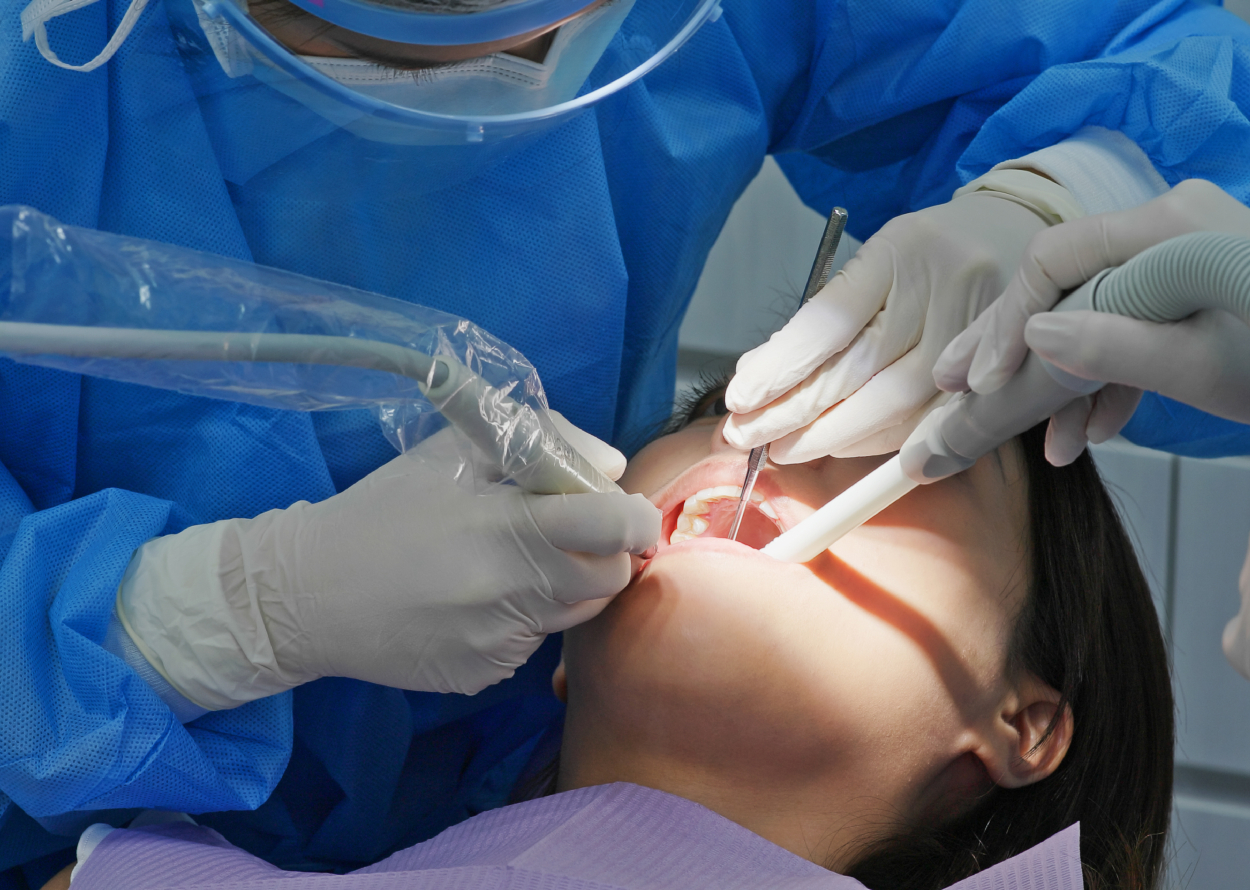
When the dentist comes in, the exam usually starts with a visual assessment of the teeth and gums, but it does not stop there. A proper first exam is less about speed and more about pattern recognition. Dentists are not just looking for cavities. They are looking for how your mouth functions as a whole.
They may count existing fillings and crowns, note chipped edges, check for cracks, watch how your teeth meet when you bite, and look for wear that suggests grinding. They will often examine the tongue, cheeks, palate, floor of the mouth, and throat area as part of an oral cancer screening. That can sound alarming until you understand how routine it is. It is simply part of a complete exam, especially for adults.
The gums receive close attention too. Gum disease does not always hurt, and many patients who have it assume their mouth is fine because they can chew normally. Early gum inflammation may show up as puffiness, redness, and bleeding. More advanced disease can involve deeper pockets around the teeth, bone loss, gum recession, mobility, and bad breath that does not improve with brushing.
In many offices, the hygienist or dentist will take periodontal measurements using a small probe. You may hear a string of numbers called out, often between one and six or more. These numbers describe the depth of the space between the tooth and gum. Shallow numbers are generally healthier. Deeper readings, especially with bleeding or bone loss, can suggest gum disease. Patients sometimes hear this and assume something has gone badly wrong. Not necessarily. The measurements simply help classify what is happening and guide treatment.
A cleaning may happen at the same visit, but not always
This is one of the biggest points of confusion. Many people assume a dental checkup automatically includes a cleaning that day. Sometimes it does. Sometimes it should not.
If your mouth is generally healthy and the schedule allows, a routine cleaning is often completed during the first appointment. The hygienist removes plaque and tartar, polishes the teeth, and may apply fluoride depending on age, cavity risk, or sensitivity.
If there is significant tartar buildup, active gum disease, or extensive findings that need a deeper evaluation, the office may separate the exam from the cleaning. That is not a bait and switch. It is often the more responsible plan. A patient with moderate or severe periodontal disease usually needs more than a standard prophylaxis. They may require a deep cleaning, often called scaling and root planing, done in sections with local anesthetic. That is a different service, different appointment time, and different clinical goal.
There are also practical reasons a cleaning may be scheduled later. The dentist may want to review X-rays first, prioritize a painful problem, or allow extra time for a new patient exam that turns out to be more complex than expected. If you are hoping to have everything done in one visit, ask when booking. Some offices set aside enough time for both. Others prefer a dedicated exam first.
What the hygienist is paying attention to while cleaning your teeth
A good cleaning is not just scraping and polishing. An experienced hygienist notices a great deal while working. They can often tell where your toothbrush is missing, whether you tend to chew on one side, whether your gums are reacting to plaque or to a rough filling margin, whether your mouth is dry, and whether staining comes from coffee, tea, tobacco, chlorhexidine rinse, or something else entirely.
Patients often apologize during cleanings, especially if it has been a while. Dental professionals hear that every day, and the useful ones move past the embarrassment quickly. Their concern is not moral. It is clinical. If tartar has built up behind the lower front teeth, for instance, that says more about saliva chemistry and flossing access than it does about character. If the upper molars have heavy plaque but the lower arch does not, that often points to brushing angle rather than laziness.
The cleaning itself can be gentle or uncomfortable depending on the level of buildup and inflammation. If your gums are tender, some bleeding is common. If cold water or air bothers you, tell the hygienist early. They can usually adjust technique, use warm water in some systems, apply desensitizing agents, or take breaks.
Expect questions, and answer them plainly
The first dental visit works best when patients are direct. If you have dental anxiety, say so. If local anesthetic wears off quickly for you, mention it. If you have a habit of clenching while driving, or if you wake with headaches, bring that up. Many oral health patterns only make sense when tied to everyday behavior.
A patient once described a single tooth that hurt only during winter walks. Not with hot coffee, not with ice cream, only outside on cold mornings. That kind of detail can point toward a small crack, exposed root surface, or gum recession in a way that the simple phrase "my tooth is sensitive" does not. The specifics matter.
You should also feel free to ask your own questions. Useful ones include these:
- Do you see anything urgent, or can treatment be planned over time?
- Are my gums healthy, or are there signs of gum disease?
- Do you recommend any changes to my brushing or flossing technique?
- Are the X-rays showing anything I should watch closely?
- If I need treatment, what happens first and why?
Those questions tend to produce practical answers. They also help you distinguish between a clinician who is educating you and one who is just reciting a treatment list.
The dentist may discuss findings in layers, from urgent to optional
At the end of the exam, the dentist usually reviews what they found. Ideally, this conversation is organized by priority. Not every issue carries the same weight.
The most urgent concerns are typically pain, infection, fractures, advanced decay, or gum disease that threatens support around teeth. Next come problems that are not emergencies but are likely to worsen if ignored, such as small to moderate cavities, failing fillings, or progressing wear. After that, there may be elective topics like whitening, cosmetic bonding, replacing an old silver filling that is still functioning, or smoothing a minor chip that is mainly aesthetic.
This distinction matters because people often leave first visits convinced they need "a lot of work," when in fact the dentist may simply be showing them everything that exists, including minor findings. A watch area is not the same as a cavity that needs treatment today. A stained groove is not always decay. A hairline craze line on a front tooth is common and often harmless. Good dentists explain the difference.
If money is tight, say that openly. Treatment plans can often be staged intelligently. A broken filling causing food impaction might be handled before replacing a worn but stable crown on another tooth. A night guard may be delayed while active decay is treated first. Dentistry has priorities, and a thoughtful general dentist can help sequence care in a realistic way.
If you have not been in years, the appointment may feel more emotional than medical
This is more common than many people think. People delay dental care for all kinds of reasons: cost, pregnancy, caregiving, a bad prior experience, loss of insurance, depression, or simple avoidance after a small issue turned into a bigger one. By the time they book the appointment, they are often carrying a lot of dread.
What usually helps is the realization that the visit is finite and structured. You do not have to solve your entire dental history in one morning. The first appointment is often about seeing clearly where things stand. Once the unknown becomes specific, fear tends to shrink.
That said, there are edge cases worth mentioning. If you have severe anxiety, a strong gag reflex, trauma history, autism-related sensory sensitivities, or difficulty tolerating reclined positions, tell the office before you come in. Many teams can make useful accommodations, but only if they know what to expect. That might mean shorter visits, topical numbing before X-rays, breaks during treatment, sitting more upright, or discussing sedation options for future care if needed.
What a healthy first checkup looks like
Not every visit uncovers a problem. Some first exams are pleasantly uneventful. The X-rays look stable, the gums measure within a healthy range or close to it, existing fillings appear sound, and the cleaning is routine. In those cases, the value of the appointment is still significant. It confirms a baseline, documents the condition of your mouth, and gives you a professional point of reference for future changes.
A strong checkup often ends with simple guidance rather than treatment. You may hear that one area traps plaque and needs better flossing, or that you are brushing too aggressively near the gumline, or that nighttime grinding is wearing down the edges of your front teeth. Those small corrections can prevent surprisingly expensive problems later.
Patients are sometimes underwhelmed by good news, as if they came in expecting a dramatic reveal. Quiet visits are excellent. The best dentistry often looks uneventful from the patient side because disease was caught early or never gained momentum.
What might happen if the dentist finds a problem
When a general dentist identifies an issue, the next step depends on the diagnosis. A small cavity may be scheduled for a simple filling. A deep cavity near the nerve might require a discussion about whether the tooth is a candidate for a filling, a crown, root canal treatment, or in some cases extraction. Gum disease may lead to periodontal therapy with more frequent maintenance afterward. A suspicious soft tissue area may be rechecked, photographed, or referred for biopsy depending on the appearance and history.
This is where judgment matters. Dentistry is not always black and white. One dentist may recommend replacing an old filling because the margins are opening and recurrent decay is beginning. Another might monitor it for six months if the radiographic change is minimal and the tooth is symptom-free. Both decisions can be reasonable if the rationale is explained. What you want is transparency: what is happening, what the options are, what can wait, and what the trade-offs look like.
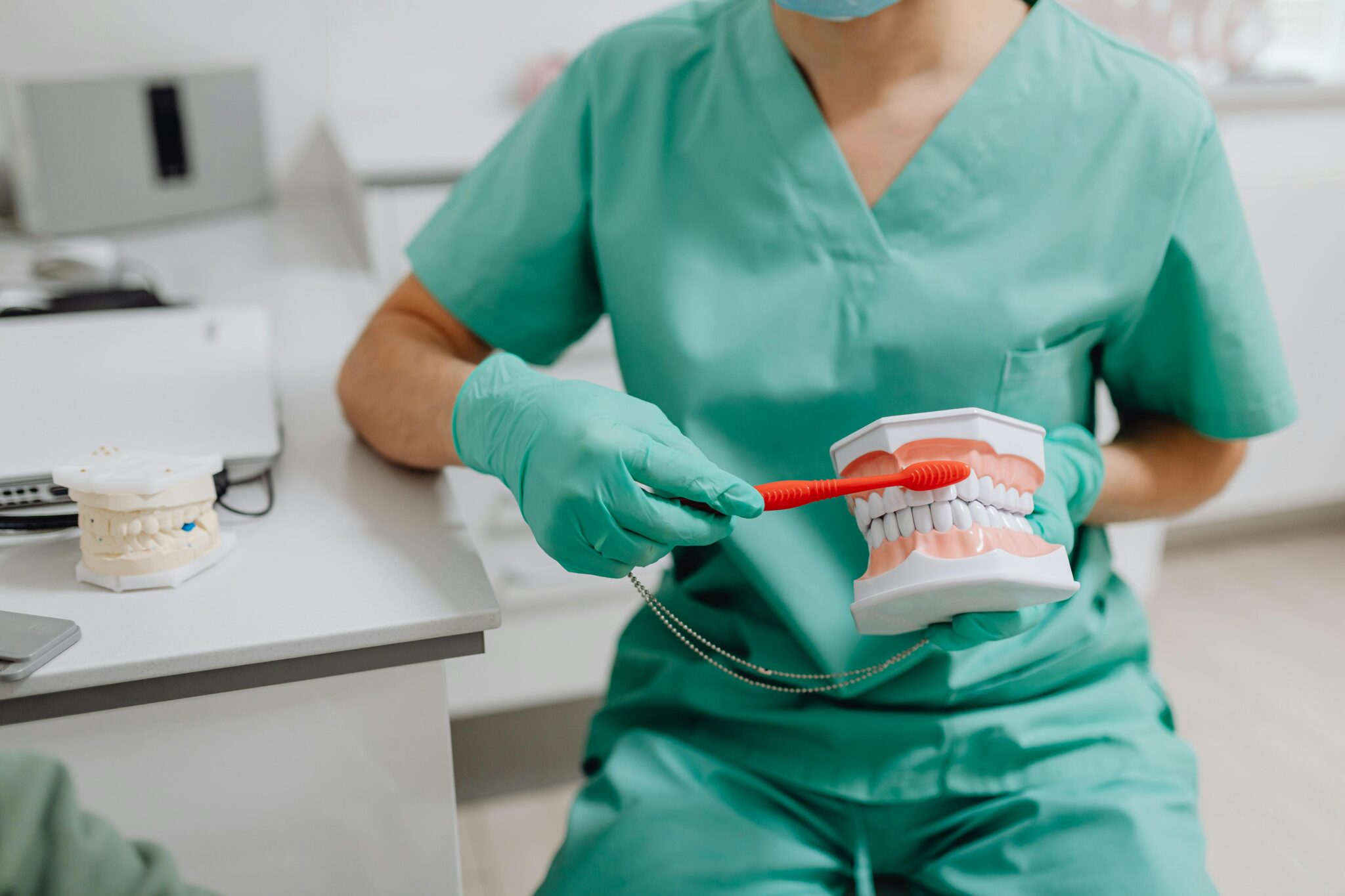
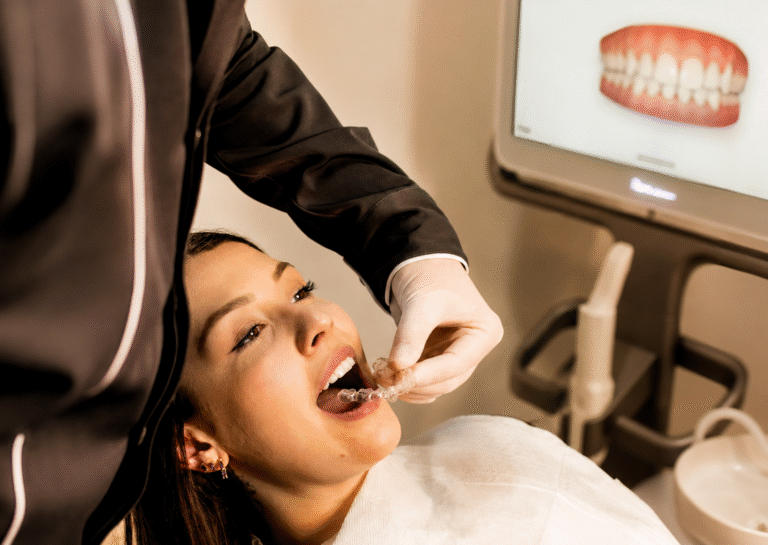
If something sounds unclear, ask the dentist to show you. Many offices use intraoral photos, enlarged X-rays on monitors, and diagrams. Seeing the crack, dark lesion, or bone loss pattern often makes the explanation far easier to understand.
The checkout desk usually handles the practical side
After the clinical part of the visit, there is often a less glamorous but important final stage. The front desk may review treatment recommendations, estimate insurance coverage if applicable, schedule future appointments, and explain recall timing.
Recall https://messiahnknv655.timeforchangecounselling.com/how-a-general-dentist-can-spot-hidden-dental-issues frequency is not identical for everyone. The classic six-month checkup works well for many people, but not all. Patients with active gum disease, heavy tartar buildup, dry mouth, high cavity risk, orthodontic appliances, or certain medical conditions may benefit from more frequent maintenance, often every three or four months. Others with stable oral health and low risk sometimes have longer intervals, though that is less common.
If costs are discussed, keep in mind that estimates are just that, estimates. Insurance coverage depends on plan rules, frequency limitations, waiting periods, downgrades, and annual maximums. A useful office will distinguish clearly between what is clinically recommended and what insurance happens to pay for.
How to prepare so the appointment goes more smoothly
You do not need elaborate preparation, but a few simple steps make the first checkup easier for both you and the dental team.
- Bring a current medication list and any relevant health information.
- Arrive early enough to complete forms without rushing.
- If you have recent X-rays from another office, ask for them to be sent ahead of time.
- Brush before your visit if you can, but do not panic if you are coming from work or school.
- Write down symptoms or questions in advance so you do not forget them in the chair.
That last point matters more than people think. Once you are reclined under a bright light, it is easy to forget the exact tooth that only bothers you when chewing almonds, or the timeline of a filling that started feeling high after your last appointment elsewhere.
A first checkup is really about building a useful relationship
People often think of dental visits as isolated events, one cleaning here, one filling there. In practice, the best outcomes come from continuity. When the same general dentist follows your mouth over time, subtle changes are easier to detect. A faint shadow on an X-ray means more when there is a prior image for comparison. Gum recession is easier to judge when previous measurements exist. A tooth with a suspicious crack is easier to monitor when someone has documented exactly where it started.
That does not mean you must stay with the first office forever. It means the first checkup has a dual role. It is diagnostic, and it is relational. You are not just finding out whether you have cavities. You are also learning how that office communicates, whether the team listens, whether recommendations feel measured, and whether you leave understanding your own mouth better than when you walked in.
A good first dental checkup tends to have a calm, methodical feel. You share your history. Images are taken if needed. The teeth, gums, bite, and soft tissues are examined. A cleaning may happen then or be scheduled appropriately. Findings are discussed in plain language. Next steps are prioritized sensibly. You leave with less uncertainty than you arrived with, and that alone is often a relief.
For many patients, the hardest part of seeing a general dentist is booking the appointment. After that, the visit itself is usually practical, informative, and far less dramatic than expected. The point is not perfection. It is awareness, early detection, and a realistic plan for keeping your mouth healthy over time.
Smyle Dental Newhall
Address: 23754 Newhall Ave, Santa Clarita, CA 91321
Phone number: +16612559200
FAQ About General dentist
What does it mean by general dentist?
A general dentist is your primary dental care provider. They focus on the overall prevention, diagnosis, and treatment of your daily oral health needs. Think of them as your primary care doctor, but for your teeth and gums.
What is the difference between a dentist and a general dentist?
A dentist is a broad professional title for any licensed oral healthcare provider, while a general dentist is a specific type of primary care dentist who focuses on routine, preventive, and everyday treatments.
What is the difference between a dentistry practitioner and a dentist?
A dentist is a licensed doctoral-level healthcare professional, whereas a dental practitioner is a broader umbrella term that can include dentists as well as other trained oral health professionals.

Public Last updated: 2026-08-27 07:49:20 AM