Capturing Divinity: The Enchanting World of Lord Shiva Images
In the vast tapestry of Indian mythology and spirituality, few figures embody the essence of divine grace and power as Lord Shiva. Revered as the destroyer and transformer within the Hindu trinity, Shiva represents the delicate balance of creation and destruction. He is often depicted in a myriad of forms, each capturing a unique facet of his nature. From the serene meditative states to the awe-inspiring dance of destruction, Lord Shiva images reflect a rich tradition that resonates with millions around the world.
The enchanting world of Lord Shiva images not only showcases artistic brilliance but also serves as a spiritual portal for devotees. Through these representations, worshippers connect with the divine, seeking blessings for peace, prosperity, and understanding. The symbolism embedded in each image, whether it is the crescent moon adorning his forehead or the sacred river Ganga flowing from his hair, conveys deep philosophical truths. Exploring these images invites us to delve into the profound significance of Lord Shiva's role in the universe and the lasting impact he has on faith and culture.
Symbolism in Lord Shiva Imagery
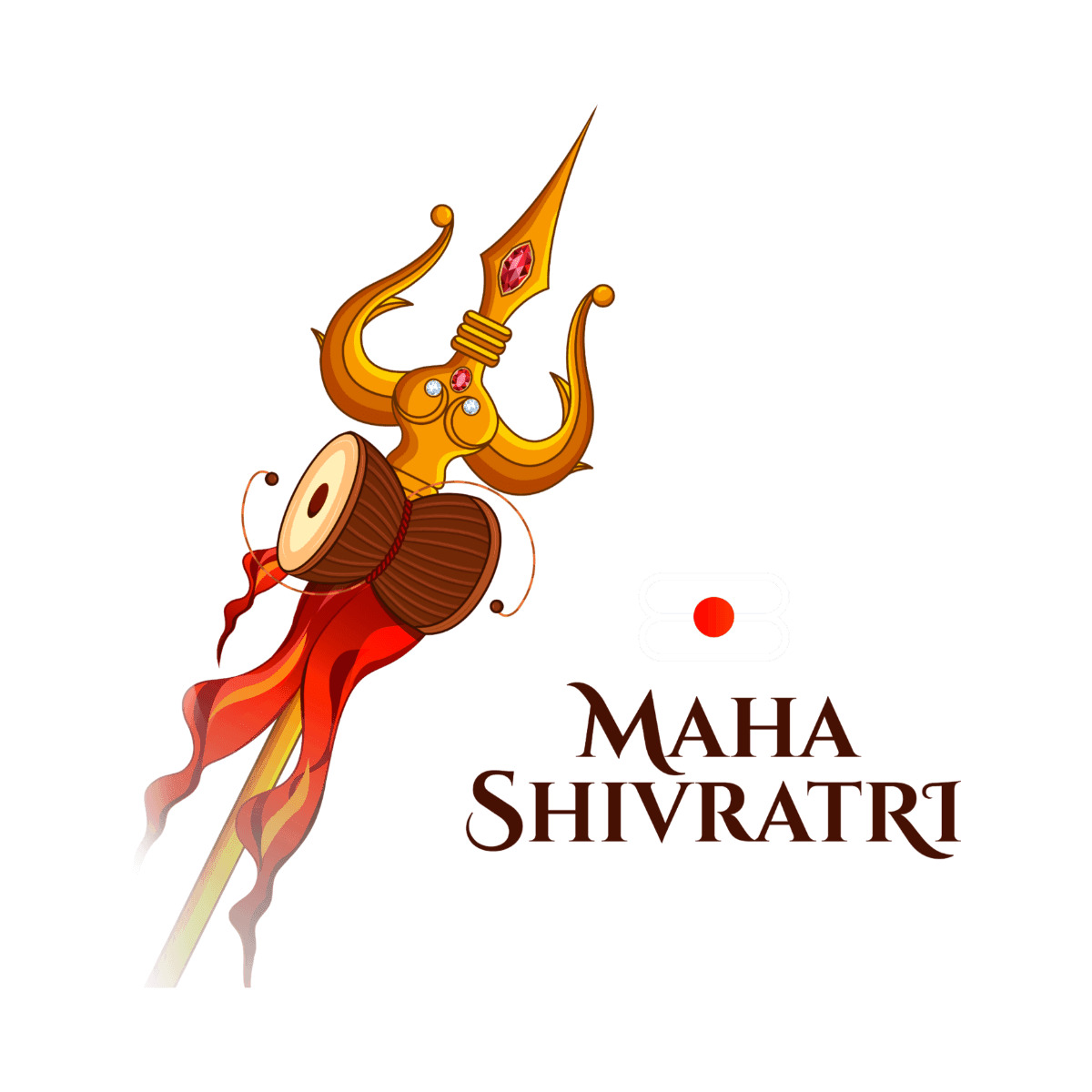
The imagery of Lord Shiva is rich with symbolism that conveys deep spiritual meaning and reflects various aspects of his character. One of the most prominent elements is the trident, or trishula, which represents his control over the three gunas—sattva, rajas, and tamas. This weapon symbolizes the destruction of evil and ignorance, affirming Shiva's role as both a creator and a destroyer. Additionally, the three prongs of the trident also signify the past, present, and future, embodying the cyclical nature of existence.
Another significant aspect of Shiva's imagery is the snake coiled around his neck. This serpent symbolizes Kundalini energy, a vital life force according to yogic philosophy. The presence of the snake showcases Shiva's mastery over primal instincts and his ability to channel transformative energy. Furthermore, it highlights his fearless nature, as he is unphased by the dangers that the snake could represent. This imagery conveys a sense of power and serenity, illustrating the balance between chaos and control.
Shiva's third eye is perhaps one of the most iconic symbols associated with him. This eye represents higher consciousness, insight, and the ability to perceive beyond ordinary perception. When opened, it is said to emit a destructive fire that annihilates ignorance and darkness, signifying the transcendental wisdom that Shiva embodies. The third eye not only designates Shiva as the supreme yogi but also serves as a metaphor for spiritual awakening, encouraging devotees to seek enlightenment and awareness of the true nature of reality.
Cultural Significance of Shiva Depictions
The images of Lord Shiva hold profound significance in various cultural contexts, reflecting the rich tapestry of beliefs and traditions associated with this deity. In Hinduism, Shiva is revered as the destroyer and transformer within the Trimurti, alongside Brahma the creator and Vishnu the preserver. His depictions often symbolize the cycle of creation and destruction, embodying the essence of change that is central to existence. The iconography associated with Shiva, such as the crescent moon on his head and the third eye, conveys not just his divine qualities but also philosophical messages regarding time, consciousness, and the universe.
In Indian art, the portrayal of Lord Shiva has evolved through centuries, showcasing a diverse range of styles and interpretations. These images serve as important cultural artifacts, reflecting the historical context, artistic movements, and regional variations of their time. From ancient sculptures in temples to modern paintings and sculptures, each representation captures the intricate relationship between the divine and the material world. The presence of Shiva in various art forms emphasizes the continuity of devotion and the adaptation of spiritual themes across generations.
Moreover, the images of Shiva often act as focal points for worship and meditation, enhancing the spiritual experience of devotees. Temples adorned with intricate carvings of Shiva invite followers to connect with the divine presence. lordshivaimages and festivals surrounding Shiva, such as Maha Shivaratri, further reinforce the cultural importance of his imagery. These celebrations promote a sense of community and shared spirituality, allowing individuals to engage with the rich narratives and symbolism embedded in Lord Shiva’s depictions.
Popular Artistic Styles and Techniques
The portrayal of Lord Shiva in art has evolved over centuries, reflecting diverse cultural influences and artistic techniques. One prominent style is the traditional Indian miniature painting, characterized by intricate details and vibrant colors. These works often depict Lord Shiva surrounded by symbolic elements such as the crescent moon, trident, and sacred river Ganges, capturing his divine essence in a delicate and ornate manner. Artists use fine brushes and meticulous methods to convey depth and emotion, making each piece a captivating glimpse into devotional art.
Another notable artistic style is the modern interpretation, where artists experiment with various mediums, including digital art and mixed media. In https://www.lordshivaimages.in/category/shiva-ratri-images , Lord Shiva may be portrayed in abstract forms or through impactful imagery that resonates with modern spirituality. The use of bold colors and innovative techniques creates a powerful visual statement, appealing to both traditional devotees and a new generation seeking a connection to the divine. These modern depictions often aim to evoke a sense of transcendence and deeper understanding, showcasing Shiva's relevance in today's world.
Sculpture is also a significant medium for representing Lord Shiva, with stone and bronze as popular materials. Traditional sculptures often feature intricate carvings that emphasize Shiva's powerful presence, showcasing his various forms such as Nataraja, the Lord of Dance. Artists pay close attention to proportions and symbolism, ensuring that each detail, from his third eye to his serpentine adornments, reflects his multifaceted nature. lordshivaimages -dimensional works serve not only as artistic expressions but also as focal points for worship, embodying the divine energy and spiritual power associated with Lord Shiva.

Public Last updated: 2024-10-14 08:30:50 AM