The Power of Sustainability: Unleashing the Potential of Renewable Energy
The world is at a pivotal point in its history, where the need for sustainable and clean sources of energy has become increasingly apparent. As we face the challenges of climate change, dwindling fossil fuel reserves, and growing concerns about environmental degradation, renewable energy emerges as a beacon of hope. The power of sustainability lies in the untapped potential of renewable energy sources, presenting not only an alternative to fossil fuels but also a transformative force that can reshape our energy landscape.
Renewable energy, in its simplest terms, refers to energy derived from sources that are virtually inexhaustible and naturally replenished. From the mighty force of the sun to the gentle rustle of the wind and the ceaseless flowing of water, nature provides us with abundant resources waiting to be harnessed. While the concept of renewable energy is nothing new, the recognition of its immense impact and potential has gained significant momentum in recent years.
One of the key advantages of renewable energy lies in its ability to reduce greenhouse gas emissions, contributing to the global efforts to mitigate climate change. Unlike traditional energy sources such as coal, oil, and gas, renewable energy sources produce little to no carbon dioxide or other harmful pollutants when generating electricity. This not only helps to combat air pollution but also plays a crucial role in stabilizing our planet's climate, ensuring a more sustainable future for generations to come.
In addition to its environmental benefits, renewable energy also offers economic advantages. The transition to a renewable energy-powered society creates numerous job opportunities, spurring economic growth and fostering innovation. Moreover, renewable energy technologies have become more reliable and cost-effective over time, rivaling and even surpassing the affordability of conventional energy sources. This affordability, combined with the potential for energy independence, makes renewable energy an enticing prospect for both individuals and nations alike.
In the following sections, we will explore the various forms of renewable energy and delve into their unique characteristics and potential applications. From solar and wind power to hydroelectricity, geothermal energy, and biomass, each source presents distinct advantages and challenges. By understanding the diverse array of renewable energy options, we can fully grasp the magnitude of their potential and ascertain how to best leverage them in our journey towards sustainability.
Join us as we unveil the true power of sustainability and embark on a transformative journey that harnesses the potential of renewable energy. Together, we can create a brighter future for ourselves and the planet we call home.
The Benefits of Renewable Energy
- Economic Advantages:
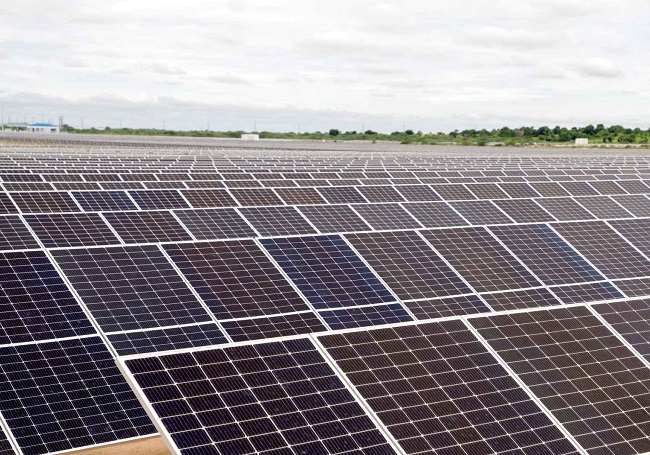
Renewable energy brings about a multitude of economic benefits. Firstly, it helps reduce our dependency on fossil fuels, which are finite resources subject to price volatility. By harnessing renewable sources like solar, wind, and hydroelectric power, we establish a more stable and sustainable energy landscape. Additionally, the development and deployment of renewable energy technologies create job opportunities in a rapidly growing industry. These jobs span a range of professions, from manufacturing and installation to research and development, fostering economic growth and enabling a transition to a greener economy.
- Environmental Benefits:
Renewable energy plays a pivotal role in mitigating climate change and reducing greenhouse gas emissions. Unlike traditional energy sources, such as coal or oil, renewable energy generates electricity without releasing harmful pollutants or carbon dioxide into the atmosphere. This significantly improves air quality, reduces the occurrence of health issues associated with pollution, and helps address the global challenge of climate change. By embracing renewable energy, we can protect our natural environment, preserve ecosystems, and ensure a healthier future for generations to come.
- Energy Independence and Security:
Investing in renewable energy sources enhances energy independence and security for nations. By diversifying our energy mix, we can reduce reliance on imported fossil fuels, which are often subject to geopolitical tensions and market fluctuations. Renewable energy, being domestically sourced, provides countries with greater control over their energy supply and reduces vulnerability to supply disruptions. Furthermore, by decentralizing energy production through renewables, communities can become more self-reliant, having the ability to generate their own power and increasing their resilience in times of emergencies or natural disasters.
Challenges and Solutions
Challenges in harnessing renewable energy
The adoption of renewable energy sources faces various challenges that hinder its widespread implementation. One significant challenge stems from the intermittent nature of renewable energy generation. Unlike traditional fossil fuel-based power plants that can operate continuously, renewable energy sources such as solar and wind power are dependent on weather conditions. This intermittency poses difficulties in meeting consistently high energy demands and requires innovative solutions for efficient energy storage and grid management.
Another challenge lies in the initial high cost of establishing renewable energy infrastructure. While renewable energy technologies have become more affordable over the years, their installation and maintenance expenses can still deter potential investors. Additionally, the need for large-scale infrastructure development, such as offshore wind farms or solar parks, can encounter delays or regulatory barriers that further increase costs and impede progress.
Solutions for a sustainable future
To overcome these challenges, significant advancements in energy storage technologies are crucial. Investments in research and development can lead to efficient and cost-effective solutions for storing excess energy generated by renewable sources during periods of low demand. Improved batteries, advanced thermal storage, and innovative solutions such as power-to-gas can help bridge the gaps between supply and demand, ensuring a stable and reliable energy grid.
Furthermore, policy incentives and supportive regulations play a vital role in driving the transition towards renewable energy. Governments can provide financial incentives and tax breaks for renewable energy projects, encouraging private sector investments. Additionally, streamlining permit processes and reducing bureaucratic barriers can expedite the development of renewable energy infrastructure, making it more attractive and economically viable.
In conclusion, while challenges exist, the potential of renewable energy is vast and promising. Overcoming the intermittency of renewable sources, and finding solutions for efficient energy storage, along with supportive policies and regulations, can unleash the full power of renewable energy and pave the way to a sustainable future.
Future Outlook and Potential
Renewable energy holds immense promise and potential for shaping our future. As we look ahead, it becomes evident that renewable energy sources are poised to play a pivotal role in our transition towards a sustainable and cleaner world.
First and foremost, the future of renewable energy appears incredibly bright. renovables.blog in technology, coupled with increasing awareness and commitment to environmental conservation, have paved the way for rapid growth in renewable energy production. Solar, wind, hydropower, geothermal, and bioenergy are just a few of the renewable sources that are set to reshape our energy landscape.
Moreover, the potential of renewable energy sources cannot be understated. Harnessing the power of renewable energy has the ability to not only reduce our dependence on fossil fuels but also drive economic growth and job creation. By tapping into these sustainable sources, we can unlock new opportunities for innovation, investment, and development.
Additionally, the future outlook for renewable energy is bolstered by the growing urgency to address climate change. As the world grapples with the consequences of greenhouse gas emissions and global warming, renewable energy emerges as a viable solution. It offers a pathway to mitigate carbon emissions, mitigate climate risks, and secure a more sustainable future for generations to come.
In conclusion, the future of renewable energy is promising, brimming with potential and opportunity. As we continue to embrace and invest in these sustainable sources, we can build a world powered by clean energy, preserve our environment, and create a brighter future for all.

Public Last updated: 2023-12-29 10:30:20 PM