A Ultimate Handbook to Vehicle Coverage: Everything One Must to Learn
Navigating the realm of auto insurance often feels overwhelming, but it is a vital part of accountable car ownership. Whether you are a first-time car buyer or simply looking to evaluate your current policy, understanding the details of car insurance is imperative. This guide aims to clarify the different components of auto insurance, to help you formulate informed decisions that align with your needs and budget.
Auto insurance is not just a legal requirement; it is a safeguard for you, your vehicle, and others on the road. From liability coverage to comprehensive plans, the options available can be quite diverse, making it essential to understand what each type covers. In this comprehensive guide, we will examine the key terms, policy types, and tips for obtaining the right coverage for your specific situation, empowering you to drive with assurance.
Types of Auto Insurance
Auto insurance comes in various forms, each designed to meet specific needs and requirements. The predominant type is liability insurance, that is mandated by law in numerous states. This coverage helps pay for injuries and damages you cause to other people and their property in an accident. Liability insurance does not cover your personal injuries or damages; instead, it protects you from the fiscal consequences of being at fault in a collision.
An additional type is collision insurance, that covers damage to your personal vehicle resulting from a collision with another car or item, no matter who is at fault. This insurance is especially useful for recent or luxurious vehicles where repair costs can be high. Additionally, many drivers choose comprehensive insurance to protect against non-collision incidents such as burglary, vandalism, or natural disasters. Comprehensive coverage ensures that you are protected from a broad spectrum of potential risks other than accidents.
Uninsured and underinsured motorist coverage is also essential. This type of insurance protects you in case you are involved in an accident with a driver who does not carry adequate insurance or has insufficient coverage to pay for the losses. Having this form of coverage can provide security knowing that you are protected against drivers who may not take the necessary precautions to have adequate insurance. Every form has its function, and understanding them can help you choose the best auto insurance policy for your needs.
Grasping Coverage Options
In the realm of car insurance, grasping the various coverage options available is crucial for making informed decisions. Auto insurance is not a one-size-fits-all product; each type of coverage fulfills a different purpose. Common types of coverage include obligation, crash, all-encompassing, injury protection, and uninsured motorist coverage. Knowing what each option provides helps you tailor your policy to fulfill your individual needs and budget.
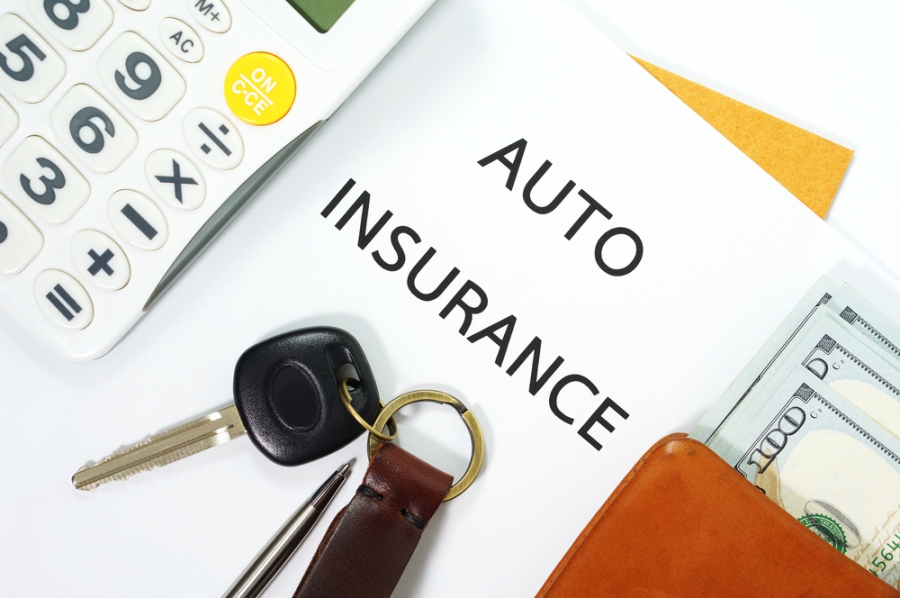
Liability coverage is often mandated by law and protects you in the event that you're liable for an accident that causes injury to others or destroys their property. Crash coverage, on the other hand, assists pay for restoration to your vehicle after an accident, regardless of who is at fault. Comprehensive coverage safeguards against unrelated incidents such as theft, vandalism, or natural disasters. Assessing these options will allow you to emphasize what is most relevant for your situation.
Additionally, injury protection offers coverage for medical expenses and lost wages arising from an accident, irrespective of fault. Uninsured motorist coverage shields you if you are involved in an accident with someone who lacks ample insurance. Comprehending these coverage options not only assists enhance your financial protection but also provides calmness as you navigate the roads.
Elements Influencing Premiums
Numerous aspects hold a significant part in deciding the premiums you pay for auto insurance. One of the most important elements is your history of driving. Insurers look at your track record for incidents, speeding tickets, and other driving violations. A clear driving record typically leads to decreased rates, while a track record of violations can lead to increased premiums. Additionally, insurers account for your years, sex, and even your relationship status, as data suggest that particular categories are more prone to make claims.
Another notable consideration is the kind of car you drive. Luxury cars often come with elevated premiums due to the higher likelihood of accidents and loss. On the other hand, vehicles equipped with protective measures and high safety ratings may receive reduced costs. The vehicle's lifespan, manufacturer, design, and overall market value are also crucial elements that insurers analyze to determine risk and calculate rates.
Lastly, your location can significantly influence your auto insurance costs. Being in urban areas typically results in increased premiums due to a greater likelihood of accidents, property crime, and damage. Conversely, rural areas may offer reduced danger, resulting in more affordable coverage. Additionally, elements such as the crime statistics, environment, and the proportion of drivers without insurance in your area can also impact how insurers set your rates.
How to Choose the Appropriate Policy
Determining the best auto insurance policy entails analyzing your specific needs and grasping the accessible options. Start by assessing your driving habits, the type of vehicle you own, and your budget for premiums. Contemplate factors such as mileage, age of the car, and whether you primarily use it for commuting or leisure. Such elements can substantially influence the type of protection that is appropriate for you.
Next, introduce yourself with the different types of insurance options available. Liability coverage is typically required by law and safeguards you against claims for damages or injuries you impose to others. Additionally, you may want to explore collision coverage, which compensates for damages to your vehicle after an accident, and comprehensive coverage, which covers against non-collision incidents such as theft or natural disasters. Comprehending these coverages will help you tailor a policy that fits your needs.
Finally, take the time to evaluate quotes from multiple insurance providers. Rates can vary significantly, so collecting several quotes will give you a better picture of the market. Look for savings that may apply, such as safe driver discounts, combining policies, or discounts for certain safety features in your car. By diligently assessing your options and choosing a policy that aligns with your driving habits and financial situation, you can obtain the most suitable auto insurance for your needs.
Common Car Insurance Myths
Many people have myths about auto insurance that can lead to unwise decisions when choosing coverage. One widespread myth is that the color of a car determines insurance rates. Although it may seem logical that a flashy scarlet car would be priced more to insure, the truth is that insurance companies base their rates mainly on factors like the driver's background, the car’s brand and model, and security ratings, rather than its color.
A further common myth is that exclusively youthful drivers pay high premiums. Though Car insurance quotes is true that younger drivers frequently face higher rates due to their limited driving experience, factors such as a positive driving record, credit score, and location can significantly impact rates for drivers of all ages. Numerous adults may discover themselves paying high premiums if they have a track record of collisions or convictions.
In conclusion, there’s a idea that all auto insurance policies provide the same level of coverage. In truth, policies can vary significantly in terms of coverage limits, out-of-pocket expenses, and the types of coverage available. It’s essential for consumers to completely review their policy details and grasp the differences between standard liability coverage and comprehensive or collision options. Making the correct choices can ultimately save money and provide improved protection on the road.
Filing a Claim: Step-by-Step
When you are in an accident, the initial step is to ensure all parties involved is safe and call for medical assistance as needed. Once addressing immediate safety concerns, collect all relevant information at the scene. This includes information about the other driver, such as their identity, phone number and address, policy details, and vehicle registration number. Document on the accident's details, including the timestamp, place, and any bystanders. Capture the scene with photographs to provide context and clarity for your claim.
Once you have collected all necessary information, contact your auto insurance provider to start the claims process. Most insurance companies have a specific claims hotline that enables you to notify an incident quickly. Have ready to provide your policy number and detailed information about the accident. Your insurer will guide you through the next steps, clarify what documentation is required, and assign a claims adjuster to your case who will evaluate the damages and establish liability.
Once filing your claim, maintain records of all communication with your insurer and any paperwork you submit. Check in regularly to inquire about your claim and respond to any additional requests from the claims adjuster. Based on the nature of the claim, resolution may take some time, but staying organized and engaged will help facilitate a smoother process.

Public Last updated: 2025-07-18 12:38:48 AM