“Masonry Techniques That Ensure Long-Lasting Pathways”
Introduction
Creating durable and aesthetically pleasing pathways is an essential aspect of landscape design. Whether you’re looking to enhance your garden, yard, or outdoor living space, choosing the right materials and techniques can make all the difference. This article explores various masonry techniques that ensure long-lasting pathways, focusing on stone walkways and brick walkways while highlighting their unique benefits and applications. So, let’s dive deep into the fascinating world of masonry!
Masonry Techniques That Ensure Long-Lasting Pathways
When it comes to creating a masonry walkway, there are various techniques that homeowners and landscapers can employ to ensure durability and aesthetic appeal. Proper planning, material selection, installation methods, and maintenance are pivotal in establishing a sturdy pathway that withstands the test of time.
Choosing the Right Materials for Your Walkway
The first step in any successful masonry project is selecting materials that suit your needs. Here are some popular options:
1. Stone Walkway: A Natural Choice
Stone walkways bring a touch of nature into your outdoor space. They’re highly durable and can withstand harsh weather conditions.
Types of Stone: Natural stone options include granite, limestone, slate, and sandstone. Advantages: Stones add character with unique textures and colors. 2. Brick Walkway: Timeless Elegance
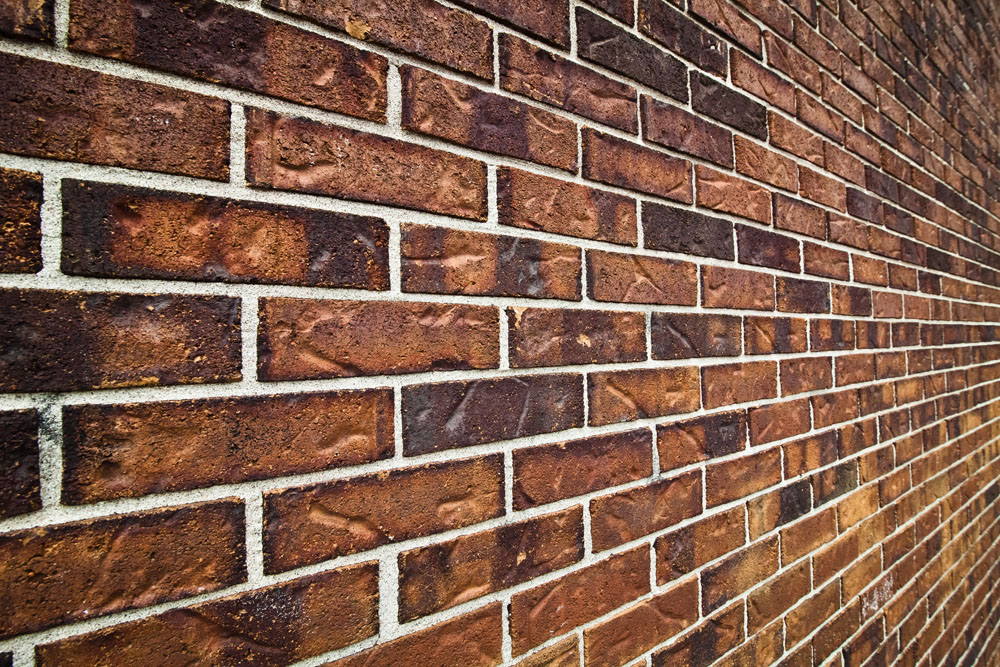
Brick walkways offer a classic aesthetic while providing substantial endurance.
Types of Brick: Standard clay bricks or recycled brick pavers can be utilized. Advantages: Bricks are easy to replace if damaged and come in various colors. Design Considerations for Masonry Pathways
Before laying down any stones or bricks, you need to think through your design carefully:
3. Pathway Layout
Consider how you want your pathway to flow through your landscape:
Straight paths provide a formal look. Curved paths offer a more natural appearance. 4. Width and Depth
The width of your walkway should accommodate foot traffic comfortably:
A standard width is about 36 inches. Depth should be at least 4 inches for stability. Preparing the Ground for Masonry Work
A solid foundation is critical when building any masonry walkway:
5. Excavation
Begin by marking out your path with stakes and string lines:
Excavate the area to a depth of about 6 inches. 6. Base Layer Installation
Next up is adding a base layer to support the walkway:
Use gravel or crushed stone as a base material. Laying Your Masonry Walkway: Step-by-Step Guide
Now that you have everything set up let’s get into the nitty-gritty details of installation.
7. Preparing the Base Material
Once you've laid down gravel or crushed stone:
Compact it well using a plate compactor. 8. Laying Stones or Bricks
This is where creativity meets technique:
Start placing stones or bricks from one end. Leave small gaps between each piece for joint filling later. Mortaring vs. Dry-Laying Techniques
One crucial decision involves how you lay your stones or bricks—will you use mortar or dry-lay them?
9. Mortaring Your Pathway
Using mortar provides extra strength but requires more skill:
Mix mortar according to manufacturer's instructions. 10. Dry-Laying Your Walkway
Dry-laying allows for easier adjustments but may require more frequent maintenance:
Lay stones without mortar. Fill gaps with sand or gravel instead. Finishing Touches on Your Masonry Walkway
Once your stones or bricks are placed, it’s time for those all-important finishing touches!
11. Joint Filling Techniques
Filling joints helps prevent weed growth while enhancing aesthetics:
Pour sand over the surface. Sweep it into gaps using a broom. 12. Sealing Your Pathway
Sealing enhances color vibrancy while protecting against weather elements:
Choose an appropriate sealer based on material type. Apply evenly with a sprayer or roller. Maintenance Tips for Long-lasting Masonry Pathways
Even after installation, ongoing maintenance is key:
13. Regular Cleaning Practices
Keep pathways free from debris by regularly sweeping them clean.
14. Inspecting for Damage
Check periodically for cracks or loose stones/ bricks so repairs can be made quickly.
Common Problems Faced with Masonry Pathways
While masonry walkways are durable, they aren’t immune to issues—let’s take a look at some common problems along with solutions!
15. Weed Growth Between Joints
Weeds can ruin the aesthetic appeal; here’s how to combat them effectively:
Use landscaping fabric beneath stones/bricks before installation. Apply herbicides as needed. 16. Settling Issues Over Time
Settling occurs when ground shifts affect pathway stability; remedy this through proper excavation during installation!
Environmental Considerations When Installing Masonry Walkways
Being conscious of our environment creates sustainable solutions in landscaping projects!
17. Eco-Friendly Material Choices
Look for sustainably sourced materials like reclaimed brick or locally quarried stone!
18. Water Management Solutions
Incorporate drainage systems around pathways to prevent water pooling which can damage structures over time!
Cost Analysis of Building Masonry Walkways
When planning any project budget considerations matter significantly! Let’s delve into what costs might look like!
| Item | Estimated Cost | |------------------------------|------------------------| | Materials (stone/brick) | $5 - $30 per square foot| | Labor | $50 - $100 per hour | | Maintenance (annual) | $100 - $500 |
FAQ Section
Here are answers to some frequently asked questions regarding masonry techniques that ensure long-lasting pathways!
Q1: How do I choose between stone walkway and brick walkway?
A1: Consider factors such as climate conditions, desired aesthetics, budget constraints, and personal preference when making your choice!
Q2: Can I install my masonry walkway myself?
A2: Yes! With proper research & tools available today almost anyone can tackle DIY projects successfully!
Q3: How do I maintain my brick walkway?
A3: Regularly sweep away debris & inspect joints ensuring they remain filled will help maintain integrity over time!
Q4: What is the best way to seal my stone walkway?
A4: Use high-quality sealers Masonry Contractor https://ramosmasonry.com/ designed specifically for natural stone; always follow manufacturer guidelines during application process!
Q5: Are there eco-friendly options available for masonry walkways?
A5: Absolutely! Look into reclaimed materials & permeable pavers which allow water drainage thereby reducing environmental impact!
Q6: How often should I perform maintenance on my masonry pathway?
A6: Regular visual inspections combined with seasonal cleaning (at least twice annually) will keep everything looking great while preventing larger issues down road!
Conclusion
In summary, mastering "Masonry Techniques That Ensure Long-Lasting Pathways" involves thoughtful planning regarding material selection alongside skilled craftsmanship during installation processes! Emphasizing regular maintenance practices ensures these beautiful structures remain robust over years ahead! So whether you opt for a charming stone walkway or classic brick design remember—your hard work pays off every step taken along its path!

Public Last updated: 2024-12-10 12:41:51 AM