What Does 'Integrated into Everyday Life' Mean for Healthcare Now?
If you have spent any time scrolling through social media recently, you have likely been bombarded with "wellness" content that promises a transformation through a new supplement or a 5:00 AM ice bath. As someone who has spent nearly a decade working within the NHS and alongside various private clinical providers, I find this trend both tiring and, frankly, misdirected. Real, integrated healthcare isn’t about hacks or aesthetic optimization; it is about the quiet, often invisible infrastructure that allows you to manage your health without it becoming your second job.
When we talk about healthcare being "integrated into everyday life," we aren't talking about another fitness tracker. We are talking about the seamless connection between the patient, their data, and their clinical care team. It’s about moving away from the "sickness model"—where you only interact with a doctor when something has already broken—toward a model of managed, proactive wellbeing.

The Shift: From Aesthetics to Long-Term Wellbeing
For years, the "wellness" industry sold us on the idea that health was a visual goal. If you looked a certain way, you were healthy. But in the UK, we are seeing a significant correction in that narrative. Patients are increasingly looking for functional health—the ability to work, sleep, and regulate their emotional states effectively. This isn’t a change in trend; it’s a change in necessity.
Modern life in the UK is demanding. Between the lingering effects of the pandemic, the cost-of-living crisis, and the general pace of the digital age, our nervous systems are under constant load. We aren't just looking for skin-care advice; we are looking for clinical support to navigate burnout, chronic stress, and disrupted sleep patterns.
The good news? The tools to support this are moving into the mainstream. Digital healthcare is finally catching up with the convenience we expect from our banking and retail apps.
The Role of Digital Infrastructure: Telehealth and Portals
The backbone of modern, integrated care lies in two areas: telehealth systems and online patient portals. In the UK, the NHS has set a high bar with the NHS App, which allows patients to access records, order prescriptions, and view test results. However, the private sector has been filling the gaps where the NHS is currently stretched thin.
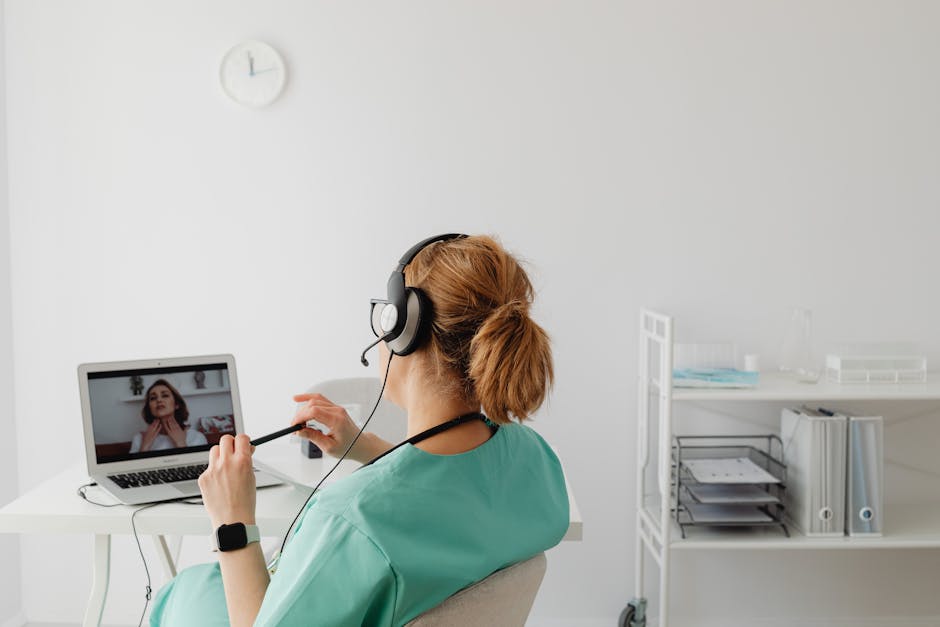
When we discuss "integration," we mean that your health data shouldn't be trapped in a paper file in a clinic cabinet. You should be able to:
- Log into a patient portal to update your history before an appointment.
- Use a telehealth system to have a consultation during your lunch break, avoiding the stress of travel and waiting rooms.
- Receive prescriptions that are tracked digitally, ensuring safety and compliance.
This is the difference between "healthcare as a destination" (a place you have to travel to) and "healthcare as a utility" (a service that meets you where you are).
Myth vs. Reality: The Digital Care Stigma
Myth: "If you’re doing it online, it isn't 'real' medicine."
Reality: Clinical outcomes are measured by the quality of the interaction, not the physical location of the doctor. Regulated telehealth providers in the UK are held to the same Care Quality Commission (CQC) standards as brick-and-mortar GP practices. If a clinic isn't CQC registered, don't use it. Period.
Cannabis-Based Medicine: Normalization and Reality
You ever wonder why perhaps no topic illustrates the shift in integrated care better than cannabis-based medicine. Since the UK legal framework changed in 2018 to allow specialist doctors to prescribe cannabis-based medicines, the narrative has slowly begun to shift—but stigma remains the primary barrier to entry.
There is a dangerous amount of internet misinformation comparing medical cannabis to recreational use. To be absolutely clear: Medical cannabis is not a "lifestyle drug." It is a medicine for patients who have often exhausted first-line treatments for conditions like chronic pain, anxiety, or treatment-resistant insomnia.
Companies like Releaf are examples of how this is being brought into a regulated, integrated pathway. By using specialized telehealth platforms, patients can consult with clinicians who understand the nuance of cannabinoids. This isn't about "getting high"; it’s about symptom management under strict supervision. The integration comes from the patient portal aspect: tracking titration (the process of finding the right dose) and recording effects, which then informs the clinician's ongoing care plan.
Accessibility: Ensuring No One is Left Behind
Digital healthcare only works if it is accessible to everyone. One of the major oversights in the tech boom has been the lack of focus on accessibility for those with hearing impairments, neurodivergent conditions, or those who require communication support. This is where services like Captions Nest become vital.
Integrated care means that the platform you use for your doctor's appointment works for *you*. If a telehealth consultation is inaccessible, the integration fails. By incorporating tools that provide high-quality captioning and communication support, we ensure that the digital Click here for info shift doesn't alienate the very people who need care the most.
How to Assess Your Own Care Pathways
If you are looking to integrate your health management into your daily life more effectively, you need to be a critical consumer. The internet is full of "miracle cures" and vague promises of wellness. Real healthcare is boring. It’s consistent, it’s regulated, and it’s documented.
Use the table below as a checklist when evaluating a new digital health service:
Feature What to Look For The Warning Sign Regulation CQC (Care Quality Commission) registered "Wellness company" with no clinical oversight Prescription Consultation with a GMC-registered specialist Buying "supplements" without a consultation Data Secure, encrypted patient portals Requesting medical history via email Transparency Clear pricing and NICE guideline alignment "Studies show" (without citing specific papers)
The Future of Integrated Health
What does the future hold? I suspect we will see less "innovation" and more "integration." We don't need another app that counts our steps. We need better interoperability between our private specialists and our NHS GP records. We need the ability to see a doctor when we are actually feeling the stress, rather than waiting three weeks for a routine check-up.
Integration means that your health data is a tool for you, not just a liability for a provider. It means acknowledging that stress, sleep, and emotional regulation are not "soft" health issues—they are the foundation of physical health. And, most importantly, it means removing the shame from seeking help, whether that help comes in the form of talk therapy, medication, or a regulated cannabis-based treatment plan.
The next time you see a "miracle cure" online, remember: if it sounds too simple to be true, it almost certainly is. Real health is rarely a shortcut. It is the steady, consistent application of professional care, tailored to your specific needs, and delivered in a way that respects your time and your dignity.
Disclaimer: I am a healthcare writer, not a clinician. The information provided here is for https://smoothdecorator.com/why-tracked-deliveries-matter-for-prescription-medication-a-guide-to-safety-and-reliability/ educational purposes. Always check that any digital provider you engage with is registered with the CQC and that all medical advice is provided by a GMC-registered doctor. Your health journey is personal—treat it with the professional care it deserves.

Public Last updated: 2026-05-31 10:09:52 PM