How to Choose the Right Helicopter Flight Over Barcelona
Choosing a helicopter flight over Barcelona is less about picking the first appealing picture and more about matching the flight to what you want to see, how much time you have, and how comfortable you are with the practical details. A good choice feels simple from the first search to the moment you arrive at the helipad. A poor choice often comes down to missed details: a route that does not cover the sights you care about, a duration that feels too short, or terms that were not read carefully.
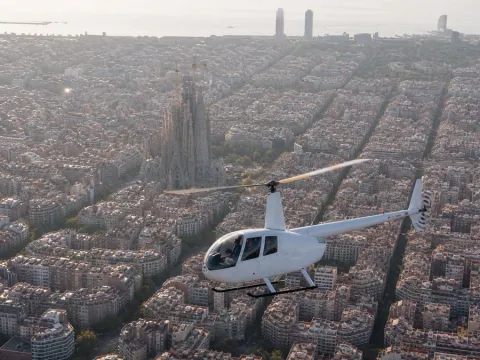
Start with the purpose of the flight. Some people want a broad aerial view of the city, while others care most about the Barcelona coastline, the harbour, or a close look at landmarks such as the Sagrada Familia. Knowing your main reason for flying makes every later decision easier. It also helps you avoid paying attention to features that do not matter to you. If the aim is a first look at the city, a wider route is usually more satisfying than a short hop. If the aim is a memorable angle on a specific landmark, the flight route becomes the deciding factor.
Work out what you want to see from the air
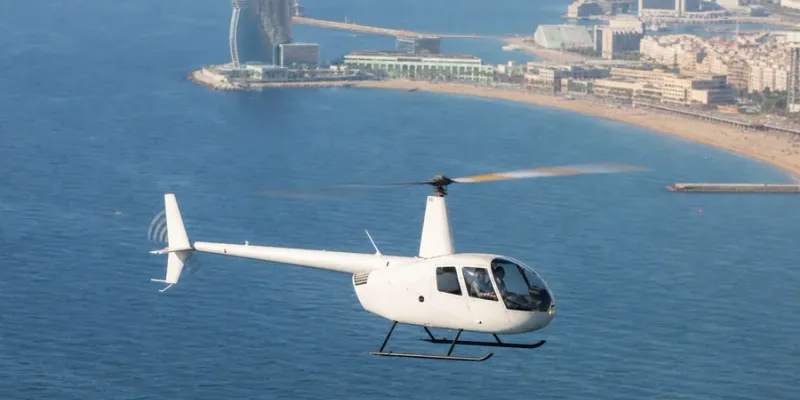
Picture the city from above before you compare any options. Barcelona has a distinctive mix of sea, port, streets, and landmarks, so the best flight route depends on which of those you want in view. A route along the coast gives a strong sense of the city's relationship with the sea. A route closer to the centre may put more architecture in view. Some flights include the Port of Barcelona, while others focus on a broader sweep that may take in Montjuïc Castle from a distance.
Do not assume every flight shows every famous sight. Helicopter routes can vary with operating conditions, airspace, and local rules, and the view from a seat also depends on where you sit. If a particular landmark matters to you, look for a clear description of the route rather than relying on a general image. The words "aerial view" can sound broad, but they do not tell you exactly what passes below the aircraft.
It also helps to think about time of day. Light changes the look of the city, the sea, and the skyline. Earlier light can feel softer and clearer, while later light can give the buildings a warmer tone. Conditions still matter more than any preferred hour, so keep some flexibility if your schedule allows it.
Compare flight duration without focusing on the number alone
Flight duration is useful, but it is only one part of the experience. A longer flight is not automatically better if much of it covers ground you do not care about. A shorter flight can still feel worthwhile when the route is tight, the views are strong, and the pacing suits the group. Compare the route and the duration together.
Ask what the stated time refers to. In many travel settings, the listed duration may describe time in the air rather than the full visit. The full experience can include arrival, check in, safety briefing, boarding, and time after landing. That does not make the extra time a problem, but it does affect how you plan the rest of the day. If you have another booking soon after, leave a comfortable gap.
When comparing options, look at the balance between flying time and the overall visit. A route that gives you a clear run along the Barcelona coastline may feel more complete than a circular route that spends time turning back over the same area. Smooth pacing matters, especially for first time passengers who may be adjusting to the noise and movement.
Read the booking terms before you commit
Once the route feels right, move to the terms. This is where a promising choice can become less suitable. Check what is included, what is not included, and what happens if plans change. Look for clear wording on meeting arrangements, passenger details, baggage limits, weather changes, and any conditions that affect whether the flight goes ahead.
Weather deserves special attention in a city beside the sea. Wind, visibility, and rain can affect flying plans. A responsible provider will explain how disruption is handled in plain language. If the terms are vague, ask for clarification before you book. A clear answer is more useful than a reassuring phrase.
The Helicopter Tour Barcelona official site is a useful reference point when checking the basic wording around a flight, especially if you want to keep the details consistent as you compare them with other information. Details such as flight duration, route description, and meeting instructions should be easy to understand. If something seems unclear, treat that as a prompt to ask rather than a small issue to ignore.
Check the meeting point and the arrival plan
The helipad is a practical detail that deserves real attention. It shapes how early you leave, how much time you allow for traffic, and how relaxed the start of the visit feels. A central location is not always the quickest choice if streets are busy, and a location near the coast may require a different approach. Check the exact meeting instructions and make sure you know whether the briefing happens at the helipad or somewhere else.
Arriving with time to spare is sensible. Rushed arrivals can make the whole experience feel tense, and late arrival may affect boarding. Plan transport in advance, particularly if you are staying outside the centre or travelling during a busy period. Keep the route simple and allow extra time for delays.
Also check what happens after landing. Some visitors like to continue on foot, while others prefer transport ready nearby. If you are combining the flight with lunch, a hotel booking, or another attraction, confirm that the end point works with the rest of your day. A flight may only be a short part of the visit, but its location can affect several hours around it.
Match the flight to the people taking part
Think honestly about the group. A flight that suits two people may feel different for a family, a couple celebrating something, or a group with mixed comfort levels. Noise, motion, and the need to follow safety instructions can matter more than expected. Anyone who feels uneasy about heights should be given the chance to think it through without pressure.
Seat position can shape the view. In a small aircraft, every passenger may get a good angle, but the best view of a landmark can depend on the side of the aircraft and the direction of travel. If photography is important, look for guidance on seating. At the same time, avoid treating seat choice as the only factor. A clear route and good conditions matter far more than a perfect corner seat.
Photography itself needs a little planning. Phones and cameras should be secured, loose items should be kept under control, and passengers should follow the briefing given before boarding. This is not the moment for improvised equipment. A simple setup is usually the least distracting and the easiest to manage.
Use the website details as a final check
Before making the final choice, return to the main details and read them in one pass. Confirm the route, flight duration, meeting point, passenger requirements, and what happens if weather interferes. Compare those details with the things you decided mattered at the start. This keeps the decision grounded in your own priorities rather than in an attractive image or a vague promise.
The Helicopter Tour Barcelona official site can help with that final check when you want the core details in one place. Read the wording carefully and make sure it matches what you understood earlier. If a term appears only in small print or differs across pages, ask for clarification before paying. Clear information at this stage prevents confusion later.
It is also worth checking how payment and confirmation are handled. Keep any confirmation message accessible, including the date, time, meeting details, and passenger names. Check whether identification is requested and whether there are limits on what can be brought along. These points are ordinary, but they help the day run smoothly.
Make the decision with a clear standard
A good helicopter flight over Barcelona should fit your reason for flying, show the sights you actually want to see, give you enough time without disrupting the rest of the day, and set out the practical terms in plain language. Once those pieces line up, the choice becomes much easier. The aim is not to find the most impressive wording on a page. It is to choose a flight that feels well matched before takeoff and still feels worthwhile after landing.
Treat the decision as a sequence: purpose, route, duration, terms, meeting point, group fit, and final confirmation. Work through it in that order and the details stop feeling scattered. You will be left with a choice based on the view, the logistics, and the needs of the people flying, which is a far stronger basis than impulse alone.
Public Last updated: 2026-11-27 11:07:21 AM