The Beauty and Benefits of Cultured Stone Facade
Introduction
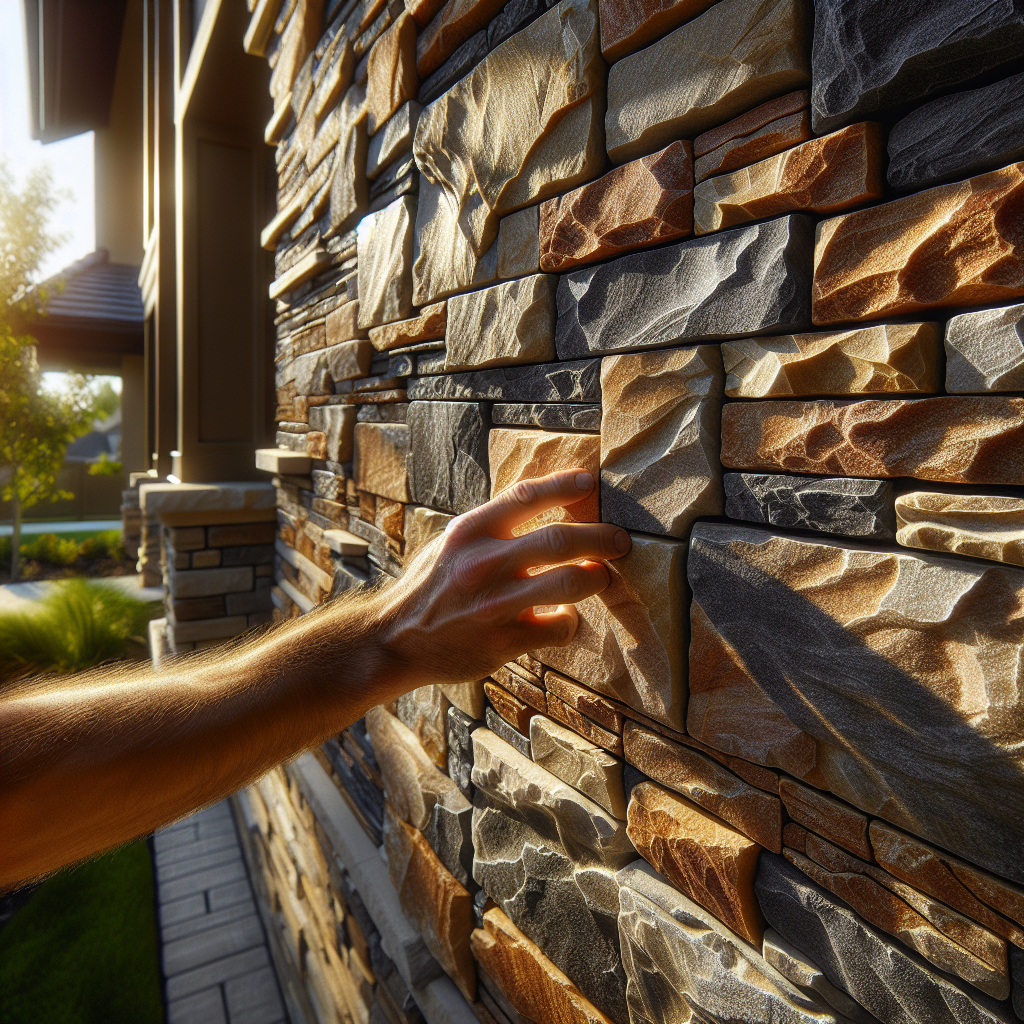
In the world of architecture and design, the use of cultured stone facade has become increasingly popular due to its versatility, durability, and aesthetic appeal. Cultured stone, also known as manufactured stone or faux stone, is a man-made material designed to replicate the look and feel of natural stone. This article will explore the various aspects of cultured stone facade, including its history, production process, benefits, applications, and maintenance.
History of Cultured Stone Facade
The concept of using manufactured stone to mimic the appearance of natural stone dates back to ancient civilizations such as the Greeks and Romans. In these early societies, craftsmen would create artificial stone by mixing natural materials such as lime, sand, and water with aggregates like crushed stone or marble dust. This mixture would then be poured into molds to create stone-like blocks that could be used for construction.
Fast forward to the 20th century, and the development of modern technology revolutionized the production of cultured stone facade. In the 1960s, a company called Owens Corning introduced a lightweight, easy-to-install alternative to natural stone called Cultured Stone. This new product was made from a mixture of Portland cement, aggregates, and iron oxide pigments that could be molded and colored to resemble a wide range of natural stone varieties.
Since then, the popularity of cultured stone facade has continued to grow, with manufacturers around the world producing a diverse array of styles, colors, and textures to suit different architectural styles and design preferences.
Production Process of Cultured Stone Facade
The production process of cultured stone facade involves several steps to create a high-quality, durable product that closely resembles natural stone. Here is an overview of the typical production process:
1. Formulation: The first step in producing cultured stone is to formulate the mixture of materials that will be used to create the stone-like appearance. This typically includes a combination of Portland cement, lightweight aggregates (such as pumice or perlite), iron oxide pigments for color, and other additives to enhance strength and durability.
2. Molding: Once the formulation is prepared, it is poured into molds that are designed to replicate the shape and texture of natural stone. The molds can be made from a variety of materials, such as rubber or silicone, and can be customized to create different styles and sizes of cultured stone.
3. Curing: After the mixture is poured into the molds, it is allowed to cure and harden over a period of time. This curing process helps the cultured stone develop strength and durability so that it can withstand the elements and maintain its appearance over time.
4. Finishing: Once the cultured stone has cured, it is removed from the molds and may undergo additional finishing processes to enhance its appearance. This can include techniques such as sanding, painting, or sealing to achieve the desired texture and color.
Benefits of Cultured Stone Facade
There are numerous benefits to using cultured stone facade in architectural and design projects. Some of the key advantages of cultured stone include:
1. Aesthetic Appeal: Cultured stone facade offers the timeless beauty and elegance of natural stone without the high cost or maintenance requirements. With a wide range of colors, textures, and styles available, cultured stone can be customized to complement any architectural style or design aesthetic.
2. Durability: Cultured stone is a durable and long-lasting material that is resistant to weathering, fading, and chipping. Unlike natural stone, which can be prone to cracking or discoloration over time, cultured stone maintains its appearance and structural integrity for years to come.
3. Lightweight: Cultured stone is significantly lighter than natural stone, making it easier to transport, handle, and install. This lightweight characteristic also reduces the structural load on a building, making it a practical choice for a variety of construction projects.
4. Versatility: Cultured stone facade can be used in a wide range of applications, from exterior cladding and accent walls to fireplace surrounds and landscaping features. Its versatility allows designers and architects to create unique and visually striking elements that enhance the overall aesthetic of a space.
5. Cost-Effective: Cultured stone is generally more affordable than natural stone, making it a cost-effective alternative for projects with budget constraints. Additionally, the installation of cultured stone is typically quicker and easier, resulting in reduced labor costs and overall project expenses.
Applications of Cultured Stone Facade
The versatility and aesthetic appeal of cultured stone facade make it a popular choice for a variety of architectural and design applications. Some of the common uses of cultured stone include:
1. Exterior Cladding: Cultured stone facade can be used to enhance the exterior of a building, adding texture, depth, and visual interest to the façade. Whether used as a primary cladding material or as an accent feature, cultured stone can create a striking focal point that elevates the overall design of a structure.
2. Interior Walls: Cultured stone can also be used to create stunning interior walls that add warmth and character to a space. Whether installed in a living room, dining area, or bedroom, cultured stone walls can create a cozy and inviting atmosphere that complements a range of design styles.
3. Fireplace Surrounds: One of the most popular applications of cultured stone is for fireplace surrounds and hearths. The natural look and feel of cultured stone can create a beautiful focal point in a living room or den, adding a touch of rustic charm and sophistication to the space.
4. Landscape Features: Cultured stone facade is often used to create outdoor landscape features such as retaining walls, garden borders, and water features. The durable and weather-resistant properties of cultured stone make it an ideal choice for enhancing the beauty and functionality of outdoor spaces.
5. Architectural Accents: In addition to larger applications, cultured stone can also be used to create architectural accents such as columns, archways, and trim details. ledge stone for sale can add a sense of elegance and sophistication to a building façade or interior space.
Maintenance of Cultured Stone Facade
While cultured stone facade is known for its durability and low maintenance requirements, proper care and upkeep are essential to ensure its longevity and appearance. Here are some tips for maintaining cultured stone:
1. Cleaning: Regular cleaning is important to remove dirt, dust, and debris that can accumulate on the surface of cultured stone. Use a mild detergent or stone cleaner and a soft brush or cloth to gently scrub the surface and rinse with water.
2. Sealing: Depending on the type of cultured stone used, it may be beneficial to apply a sealant to protect the surface from water damage, staining, and discoloration. Consult with the manufacturer or a professional installer to determine the appropriate sealant for your specific cultured stone product.
3. Inspections: Periodically inspect the cultured stone facade for any signs of damage, such as cracks, chips, or discoloration. Address any issues promptly to prevent further deterioration and maintain the structural integrity of the façade.
4. Avoid Harsh Chemicals: When cleaning cultured stone, avoid using harsh chemicals or abrasive cleaners that can damage the surface or alter the color. Stick to gentle cleaning solutions and tools to preserve the appearance and quality of the stone.
5. Professional Maintenance: For more extensive cleaning or repairs, consider hiring a professional contractor or stone restoration specialist who has experience working with cultured stone. They can provide expert care and maintenance services to keep your cultured stone facade looking its best.
Conclusion
Cultured stone facade is a versatile and aesthetically pleasing material that offers numerous benefits for architectural and design projects. From its durability and cost-effectiveness to its wide range of applications and easy maintenance requirements, cultured stone is a popular choice for creating beautiful and long-lasting building facades, interior walls, and decorative accents. Whether used in residential, commercial, or landscaping projects, cultured stone adds a touch of elegance and sophistication that enhances the overall aesthetic of any space. By understanding the history, production process, benefits, applications, and maintenance of cultured stone facade, designers, architects, and homeowners can make informed decisions when incorporating this versatile material into their projects.
In the world of architecture and design, the use of cultured stone facade has become increasingly popular due to its versatility, durability, and aesthetic appeal. Cultured stone, also known as manufactured stone or faux stone, is a man-made material designed to replicate the look and feel of natural stone. This article will explore the various aspects of cultured stone facade, including its history, production process, benefits, applications, and maintenance.
History of Cultured Stone Facade
The concept of using manufactured stone to mimic the appearance of natural stone dates back to ancient civilizations such as the Greeks and Romans. In these early societies, craftsmen would create artificial stone by mixing natural materials such as lime, sand, and water with aggregates like crushed stone or marble dust. This mixture would then be poured into molds to create stone-like blocks that could be used for construction.
Fast forward to the 20th century, and the development of modern technology revolutionized the production of cultured stone facade. In the 1960s, a company called Owens Corning introduced a lightweight, easy-to-install alternative to natural stone called Cultured Stone. This new product was made from a mixture of Portland cement, aggregates, and iron oxide pigments that could be molded and colored to resemble a wide range of natural stone varieties.
Since then, the popularity of cultured stone facade has continued to grow, with manufacturers around the world producing a diverse array of styles, colors, and textures to suit different architectural styles and design preferences.
Production Process of Cultured Stone Facade
The production process of cultured stone facade involves several steps to create a high-quality, durable product that closely resembles natural stone. Here is an overview of the typical production process:
1. Formulation: The first step in producing cultured stone is to formulate the mixture of materials that will be used to create the stone-like appearance. This typically includes a combination of Portland cement, lightweight aggregates (such as pumice or perlite), iron oxide pigments for color, and other additives to enhance strength and durability.
2. Molding: Once the formulation is prepared, it is poured into molds that are designed to replicate the shape and texture of natural stone. The molds can be made from a variety of materials, such as rubber or silicone, and can be customized to create different styles and sizes of cultured stone.
3. Curing: After the mixture is poured into the molds, it is allowed to cure and harden over a period of time. This curing process helps the cultured stone develop strength and durability so that it can withstand the elements and maintain its appearance over time.
4. Finishing: Once the cultured stone has cured, it is removed from the molds and may undergo additional finishing processes to enhance its appearance. This can include techniques such as sanding, painting, or sealing to achieve the desired texture and color.
Benefits of Cultured Stone Facade
There are numerous benefits to using cultured stone facade in architectural and design projects. Some of the key advantages of cultured stone include:
1. Aesthetic Appeal: Cultured stone facade offers the timeless beauty and elegance of natural stone without the high cost or maintenance requirements. With a wide range of colors, textures, and styles available, cultured stone can be customized to complement any architectural style or design aesthetic.
2. Durability: Cultured stone is a durable and long-lasting material that is resistant to weathering, fading, and chipping. Unlike natural stone, which can be prone to cracking or discoloration over time, cultured stone maintains its appearance and structural integrity for years to come.
3. Lightweight: Cultured stone is significantly lighter than natural stone, making it easier to transport, handle, and install. This lightweight characteristic also reduces the structural load on a building, making it a practical choice for a variety of construction projects.
4. Versatility: Cultured stone facade can be used in a wide range of applications, from exterior cladding and accent walls to fireplace surrounds and landscaping features. Its versatility allows designers and architects to create unique and visually striking elements that enhance the overall aesthetic of a space.
5. Cost-Effective: Cultured stone is generally more affordable than natural stone, making it a cost-effective alternative for projects with budget constraints. Additionally, the installation of cultured stone is typically quicker and easier, resulting in reduced labor costs and overall project expenses.
Applications of Cultured Stone Facade
The versatility and aesthetic appeal of cultured stone facade make it a popular choice for a variety of architectural and design applications. Some of the common uses of cultured stone include:
1. Exterior Cladding: Cultured stone facade can be used to enhance the exterior of a building, adding texture, depth, and visual interest to the façade. Whether used as a primary cladding material or as an accent feature, cultured stone can create a striking focal point that elevates the overall design of a structure.
2. Interior Walls: Cultured stone can also be used to create stunning interior walls that add warmth and character to a space. Whether installed in a living room, dining area, or bedroom, cultured stone walls can create a cozy and inviting atmosphere that complements a range of design styles.
3. Fireplace Surrounds: One of the most popular applications of cultured stone is for fireplace surrounds and hearths. The natural look and feel of cultured stone can create a beautiful focal point in a living room or den, adding a touch of rustic charm and sophistication to the space.
4. Landscape Features: Cultured stone facade is often used to create outdoor landscape features such as retaining walls, garden borders, and water features. The durable and weather-resistant properties of cultured stone make it an ideal choice for enhancing the beauty and functionality of outdoor spaces.
5. Architectural Accents: In addition to larger applications, cultured stone can also be used to create architectural accents such as columns, archways, and trim details. ledge stone for sale can add a sense of elegance and sophistication to a building façade or interior space.
Maintenance of Cultured Stone Facade
While cultured stone facade is known for its durability and low maintenance requirements, proper care and upkeep are essential to ensure its longevity and appearance. Here are some tips for maintaining cultured stone:
1. Cleaning: Regular cleaning is important to remove dirt, dust, and debris that can accumulate on the surface of cultured stone. Use a mild detergent or stone cleaner and a soft brush or cloth to gently scrub the surface and rinse with water.
2. Sealing: Depending on the type of cultured stone used, it may be beneficial to apply a sealant to protect the surface from water damage, staining, and discoloration. Consult with the manufacturer or a professional installer to determine the appropriate sealant for your specific cultured stone product.
3. Inspections: Periodically inspect the cultured stone facade for any signs of damage, such as cracks, chips, or discoloration. Address any issues promptly to prevent further deterioration and maintain the structural integrity of the façade.
4. Avoid Harsh Chemicals: When cleaning cultured stone, avoid using harsh chemicals or abrasive cleaners that can damage the surface or alter the color. Stick to gentle cleaning solutions and tools to preserve the appearance and quality of the stone.
5. Professional Maintenance: For more extensive cleaning or repairs, consider hiring a professional contractor or stone restoration specialist who has experience working with cultured stone. They can provide expert care and maintenance services to keep your cultured stone facade looking its best.
Conclusion
Cultured stone facade is a versatile and aesthetically pleasing material that offers numerous benefits for architectural and design projects. From its durability and cost-effectiveness to its wide range of applications and easy maintenance requirements, cultured stone is a popular choice for creating beautiful and long-lasting building facades, interior walls, and decorative accents. Whether used in residential, commercial, or landscaping projects, cultured stone adds a touch of elegance and sophistication that enhances the overall aesthetic of any space. By understanding the history, production process, benefits, applications, and maintenance of cultured stone facade, designers, architects, and homeowners can make informed decisions when incorporating this versatile material into their projects.

Public Last updated: 2025-04-20 03:43:37 AM