How a Pizza Restaurant Keeps Customers Coming Back
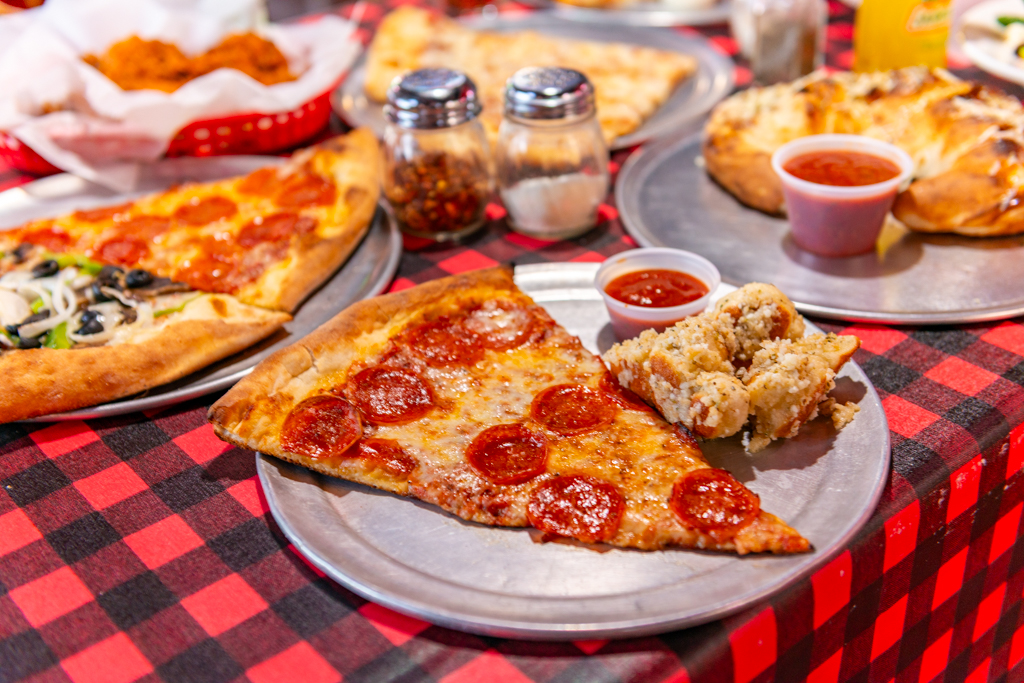
A busy dining room can fool people. They see a full house on Friday night and assume the business is healthy. Operators know better. A pizza restaurant does not build a durable business on one crowded evening a week. It grows when customers return often, bring friends, order on slow nights, trust the quality, and think of the place first when nobody wants to cook.
That kind of loyalty is rarely accidental. It comes from a chain of decisions that customers may never notice individually, but they feel them all at once. The dough tastes the way they remember. The staff recognizes regulars without being intrusive. Delivery arrives when promised. The menu gives enough choice without becoming cluttered. The box opens and the pizza still looks like the photo in the customer’s head.
The restaurants that keep people coming back understand something simple: repeat business is emotional before it is mathematical. Discounts can drive trial. Convenience can win a quick order. But habit, trust, and affection are what make a customer choose one pizza restaurant over the six other options on a delivery app.
Loyalty starts long before the first bite
Many owners focus on the food first, and they should. Pizza is still a product business. If the crust is limp, the sauce too sweet, or the cheese greasy, the rest of the experience has to work too hard. Still, return visits usually begin before the food is tasted.
A customer starts forming an opinion when they look up the restaurant online. If the hours are inconsistent, the phone goes unanswered, or the ordering page is clumsy, the brand already feels unreliable. On the other hand, when ordering is easy and expectations are clear, customers relax. That matters more than many operators think.
I have seen small independent shops outperform better-funded competitors for one reason alone: they made the basic transaction painless. Their menu was easy to read. They did not bury delivery fees until the final screen. Their pickup shelf was organized. When they said forty minutes, the order was ready in forty minutes. People remember that. Reliability is one of the strongest forms of hospitality.
First visits are often practical. Repeat visits are personal. If the first interaction feels smooth, the customer is willing to attach some trust to the food. If the food delivers too, the restaurant gets a second chance to turn a transaction into a routine.
Consistency is more persuasive than brilliance
Every pizza operator dreams of the pie that gets people talking. Maybe it is a blistered Neapolitan crust, a square pan pizza with a caramelized edge, or a house sausage recipe that tastes like no one else’s. Signature items matter. They give the restaurant identity. But loyalty depends less on occasional brilliance and more on repeatable quality.
A customer will forgive a crowded dining room or a short wait on a busy night. They are less forgiving when their favorite order tastes different every third visit. One week the pepperoni crisps at the edges, the next it is pale. One night the garlic knots are fluffy, the next they are hard. That kind of inconsistency creates friction. Not enough to trigger a complaint every time, but enough to break the habit.
A strong pizza restaurant treats consistency as a system, not a hope. Dough fermentation is tracked. Portioning is disciplined. Ovens are calibrated. The person stretching pies on Tuesday can produce something very close to the person working Saturday dinner. This is not glamorous work. It is operational work. Yet it shapes customer memory more than marketing ever will.
There is also a financial side to consistency. When portions drift, quality drifts with them. A heavy hand with cheese can make a pizza look generous for a week, then force price increases a month later when food cost gets out of line. Customers do not always understand the economics, but they notice the wobble. The shops that earn loyalty manage both quality and margin with care, because the customer experience and the business model are tied together.
The menu should invite return visits, not cause fatigue
One of the fastest ways for a pizza restaurant to lose sharpness is to overload the menu. Owners often add items with good intentions. A customer asks for wings, then for wraps, then for burgers, then for pasta, then for cheesecake, and soon the kitchen is trying to be five restaurants at once.
A broad menu can work in certain neighborhoods, especially where family groups want different things and delivery is a large part of the business. But width only helps if the restaurant can execute it well. In many cases, a tighter menu actually increases return business because it protects quality and speeds up service.
Customers come back when they know what the restaurant stands for. A place can still offer range, classic cheese pies, specialty pizzas, salads, a few starters, maybe one or two desserts, without drifting into confusion. The key is having enough variety for different occasions. Someone might order a plain pie for the kids on Wednesday, a spicy specialty pizza on Saturday, and a salad at lunch. That range encourages repeat use without diluting identity.
Seasonal or limited-run items can also help. A summer pie with fresh corn and basil, or a winter special with roasted mushrooms and ricotta, gives regulars a reason to check back. The trick is restraint. Limited items should feel like highlights, not experiments thrown at the wall. When specials are focused and well tested, they create anticipation. When they are random, they create uncertainty.
Service is memory management
People tend to remember restaurant service in emotional snapshots. The host who greeted them warmly when their kids were tired. The cashier who fixed an online order mistake without making them argue. The delivery driver who called from outside instead of leaving the food in the wrong building. These moments can outweigh small flaws in the meal, because they shape how the customer tells the story later.
In a pizza restaurant, service has its own rhythm. It is faster and more casual than fine dining, but still full of pressure points. Counter service has to move quickly without feeling rushed. Phones need to be answered by people who sound alert, not defeated. Delivery and pickup staff become the face of the brand even when the kitchen did the hard work. If any handoff feels careless, the whole experience softens.
The best operators train service around specific standards rather than vague friendliness. Staff should know how to quote wait times honestly. They should know what to say when a pie is delayed by ten minutes. They should know how to handle a complaint without instantly becoming defensive. This sounds obvious, yet many restaurants leave too much to improvisation.
Customers are remarkably fair when they believe a restaurant is trying to do right by them. If a server says, “We’re backed up tonight, your pizza will likely take another twelve minutes, can I bring water and garlic knots while you wait?” most people accept it. If no one says anything and the wait drags, irritation grows. Transparency often saves more loyalty than perfection.
The room matters, even for takeout-heavy businesses
It is easy to underestimate the physical environment when off-premise sales dominate. A restaurant might do most of its volume through delivery apps, direct online ordering, and pickup. Even so, the space still shapes repeat business.
Customers use physical cues to judge food safety, professionalism, and pride. A clean front door, organized counter, visible pizza station, and tidy restroom all send the same message: this place has standards. If the lobby is cluttered, the soda machine sticky, and the pickup area chaotic, the customer starts wondering what the kitchen looks like too.
Atmosphere does not need to be expensive. Some of the most beloved pizza restaurants have plain tables, worn tile, and a neon sign older than half their staff. But those places usually have coherence. The room fits the food. The music is right. The lighting makes sense. The place has energy when busy and comfort when quiet. Guests feel that the restaurant knows what it is.
For full-service or dine-in-focused shops, this matters even more because the room becomes part of the ritual. Families celebrate soccer wins there. Couples stop in on weeknights. Office teams grab lunch. A familiar room creates emotional residue. If people have a good hour in that space, they are more likely to come back for a pie on another occasion.
Speed matters, but trust matters more
Modern customers expect quick service, especially from a pizza restaurant. Delivery platforms trained people to track orders by the minute, and a growing number of guests judge value partly by convenience. Speed matters. No operator can ignore that.
Still, there is a difference between actual speed and trusted speed. Customers do not always need the fastest pizza in town. They need a believable promise and a result that matches it. A pie that arrives in thirty-eight minutes after a quoted forty-minute window creates confidence. A pie that arrives in fifty-five minutes after a quoted twenty-five-minute window creates frustration, even if the food is decent.
This is why strong operators build buffers into rush periods instead of chasing unrealistic times. They would rather underpromise and slightly outperform than thrill one customer with optimism and disappoint five others by the top of the hour. This discipline can feel painful when competitors advertise speed aggressively. In practice, it protects loyalty.
There is also an edge case worth mentioning. Some pizza styles genuinely require more time. A thick pan pizza, a naturally leavened dough, or a heavily topped specialty pie may take longer than a basic cheese pizza from a conveyor oven concept. If that extra time is part of the product, the restaurant should explain it clearly. Customers are https://beckettxpef883.evercolumn.com/posts/how-a-pizza-restaurant-creates-a-welcoming-ambiance usually willing to wait when they understand why.
Pricing is not just arithmetic
Many owners worry that raising prices will drive regulars away. Sometimes it does, particularly when the increase is sudden or poorly explained by the experience. But low prices do not automatically create loyalty either. What customers want is a sense of fairness.
A pizza restaurant earns that feeling when portion, taste, service, and convenience line up with the bill. A twelve-dollar pie can feel expensive if it is skimpy and sloppy. A twenty-six-dollar pie can feel justified if it feeds two people well, tastes excellent, and arrives exactly as ordered. Value lives in perception as much as raw price.
Bundles and family deals often work well because they match how people buy pizza. A pie, a salad, and a drink package can make decision-making easier on busy nights. So can a lunch special that gives nearby workers a reason to return weekly. The key is to design promotions that support habits rather than train customers to wait for discounts.
There is a big difference between rewarding frequency and bribing demand. A simple loyalty offer, every tenth pizza earns a credit, or a standing Tuesday pickup special, can reinforce behavior without cheapening the brand. Constant couponing sends a different signal. It teaches customers that full price is for people who are not paying attention.
Staff retention shows up on the plate
Customers can sense when a restaurant is running on fumes. The dining room feels tense. The phones ring too long. New hires look lost. Orders come out with small mistakes that suggest nobody had time to check them. High turnover does not stay behind the scenes for long.
A pizza restaurant that keeps customers coming back usually has at least a core team that sticks around. The reasons are practical. Experienced dough makers waste less product. Veteran cashiers move the line faster. Longtime delivery drivers know the trouble buildings and peak-hour shortcuts. Familiar servers remember regulars and preferred orders. Every one of these small advantages improves the guest experience.
Good operators know that employee loyalty and customer loyalty feed each other. A stable crew creates consistency. Consistency creates happier customers. Happier customers create a less stressful workplace, better tips, and steadier business. That in turn makes retention easier.
This does not mean every shift runs perfectly. Restaurant work is demanding, and pizza service can be intense because order volume spikes so quickly. It does mean that staff need tools, training, and enough support to succeed. When employees feel set up to win, they serve with more confidence. Customers feel that difference immediately.
Technology helps when it removes friction
Technology in a pizza restaurant is useful when it solves a real problem. Online ordering is one obvious example. It reduces phone bottlenecks, gives customers a visual menu, and often improves order accuracy. Text updates can reduce anxiety during busy windows. A modern point-of-sale system can help with pacing, modifiers, and kitchen communication.
But technology can also add friction when it is layered in without care. A confusing app, a loyalty platform that forgets customer credits, or a self-service kiosk that slows down older guests does not build repeat business. It irritates people who were trying to buy dinner.
The most effective approach is usually selective. Keep the website fast. Make mobile ordering easy. Let customers save favorite orders. Use customer data carefully and respectfully. If someone orders the same large pepperoni and Caesar salad every Friday, a reminder offer might help. Daily blasts with irrelevant promotions will not.
There is also a human limit to automation in hospitality. Customers still need to feel that a real person can step in when something goes wrong. If a pizza arrives with the wrong toppings, nobody wants to fight with a chatbot while dinner gets cold.
Community ties are stronger than advertising claims
Independent restaurants often underestimate how much repeat business comes from local identity. People like supporting places that feel woven into neighborhood life. That connection can be built in humble ways. Sponsoring a youth team, donating pizzas to a school event, remembering the nearby office’s standing order, or staying open a little later after the high school game can all deepen loyalty.
These gestures work because they are visible and specific. They show that the restaurant is paying attention to the people around it. Customers do not need a speech about community values. They need to see that the business acts like a member of the community.
For a pizza restaurant, this local presence is especially powerful because pizza is already a social food. It shows up at birthdays, staff meetings, movie nights, fundraisers, and last-minute family dinners. If the restaurant becomes part of those moments, it gains a place in the customer’s routine that no ad campaign can easily buy.
Word-of-mouth still matters here. Not the polished testimonial on a website, but the casual recommendation: “Order from this place, they always get it right.” That sentence is worth a great deal. It usually comes after a pattern of dependable experiences, not one flashy promotion.
Handling mistakes is where loyalty is tested
No restaurant avoids mistakes forever. The wrong topping goes on a pie. Delivery gets slammed by a storm. A new cook overbakes a crust. A host quotes the wrong wait time. What separates forgettable shops from durable ones is how they respond.
A smart operator treats complaints as information first and threat second. Sometimes the customer is unreasonable, that happens. More often, the complaint points to a broken process. If three people in one week report a missing dipping sauce, the problem is not those three customers. It is the packing station.
When a restaurant fixes errors quickly and respectfully, it can actually strengthen loyalty. Customers remember being taken seriously. They remember that the manager did not make them prove every detail. They remember the replacement pizza arriving hot, or the refund being issued without drama.
The response has to fit the situation. A minor issue may call for an apology and a small credit. A major error, especially on a family order or time-sensitive event, deserves more. Judgment matters. Giving away too much on every complaint can attract abuse. Giving too little teaches good customers that the restaurant values a few dollars more than the relationship.
One useful rule is simple: resolve the issue in a way that makes sense if the customer tells the story to a friend. If the outcome sounds fair, it probably was.
Regulars return for recognition, not performance
There is a subtle line between hospitality and theater. Customers like being recognized, but they do not want a scripted performance. The best pizza restaurants understand this instinctively.
Recognition can be as small as remembering that a regular likes extra chili flakes, or greeting a pickup customer by name when the order is already on the shelf. It can be the server who says, “The usual?” only after they genuinely know what that means. These moments feel warm because they are grounded in attention, not tactics.
This kind of familiarity is hard to fake and easy to overdo. If staff force recognition before it is natural, guests feel managed. If it develops honestly over time, it becomes one of the strongest drivers of repeat business. People return to places where they feel known.
That is especially true in an increasingly transactional food environment. Many customers are bouncing between apps, ghost kitchens, and discount offers. A pizza restaurant that feels personal stands out precisely because so much of the market feels interchangeable.
What keeps the cycle going
The restaurants that hold onto customers year after year rarely rely on one magic trait. They combine a strong product with operational discipline, warm service, fair pricing, and a clear sense of identity. They make dinner easy on stressful nights and enjoyable on relaxed ones. They earn trust in dozens of small moments.
For operators, the lesson is both demanding and encouraging. You do not need to be the trendiest shop in town to build loyalty. You need to be the place people can count on, the place that tastes right, feels right, and handles the details with care.
That is how a pizza restaurant keeps customers coming back. Not through a single promotion or a lucky burst of hype, but through habits practiced daily until customers begin to think of the restaurant as part of their own routine. When that happens, you are no longer just selling pizza. You are holding a place in people’s lives.
RUFFRANO'S HELL'S KITCHEN PIZZA Security
385 Main St, Colorado Springs, CO 80911
(719) 390-4355
FAQ About pizza restaurant
Is there a Hell's Kitchen pizza restaurant in Security-Widefield?
Yes. Ruffrano's Hell's Kitchen Pizza has a Security-Widefield location at 385 Main St.
Where can I find pizza delivery in Security-Widefield?
Ruffrano's Security location offers online ordering. Enter your address at checkout to check delivery availability and fees.
Where can I find gluten-free pizza in Security-Widefield?
Ruffrano's menu lists a 12-inch gluten-free option. Call the Security location to confirm availability and ask about shared equipment if cross-contact is a concern.
Public Last updated: 2026-11-10 12:35:06 PM