Panel Replacement or Circuit Repair: Matching the Fix to the Fault
When a Breaker Trips, the Real Question Is What Caused It
A tripped breaker is one of the most common electrical annoyances in a home or office. Reset it and everything works again - until the same breaker trips a day later. At that point the fix is no longer obvious. You can either repair the circuit that feeds the breaker, or replace the entire electrical panel that houses it. Choosing the right option depends on the fault itself, and getting it wrong can mean wasted time or, worse, an unsafe electrical system. This article compares the two approaches so that you understand when each one makes sense, and why a professional electrical panel evaluation is often the necessary first step.
What Each Option Actually Involves
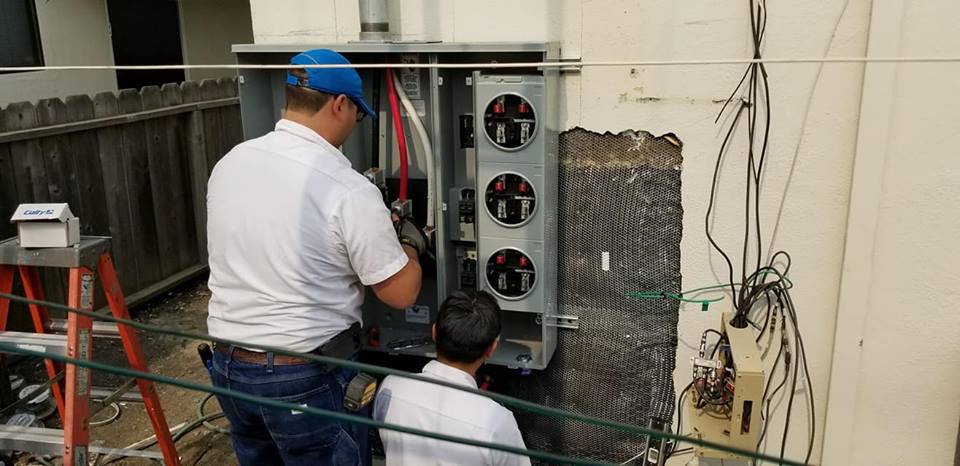
Circuit repair means identifying the specific problem on one branch circuit and fixing it. That could be a loose connection at an outlet, a damaged wire behind a wall, or a fixture that is drawing too much current. The breaker stays where it is, and the work is limited to the faulty part of the system. Panel replacement, on the other hand, means removing the old electrical panel and installing a new one. That includes the main breaker, all the branch circuit breakers, and the bus bars inside. It is a bigger job, and it affects every circuit in the building.
Neither option is automatically better. The right choice depends on what is actually wrong. A single short circuit in one outlet does not call for a new panel. But a panel that is outdated, overloaded, or physically damaged may need to be replaced even if every circuit seems to work at the moment.
Signs That Point Toward Circuit Repair
Most breaker trips are caused by a local problem. If the breaker trips only when one particular appliance is running, or when lights in one room are on, the fault is almost certainly on that circuit. A qualified electrician can trace the circuit, test each connection, and find the wiring fault or the overloaded device. Common causes include a loose wire at a receptacle, a worn-out switch, or a fixture with a ground fault. In these cases, repairing the circuit solves the problem without touching the panel at all.
Another situation that calls for circuit repair is a breaker that has become weak or worn. A breaker that trips too easily, buzzes, or feels warm may have internal damage. Replacing that single protective device with a new one of the same rating is a straightforward fix. It does not require a new panel, and it restores normal protection to the circuit. An electrician can swap a breaker in minutes once the panel cover is off.

When Panel Replacement Becomes the Better Option
Panel replacement makes sense when the panel itself is the problem. Older panels, especially those with fuses or with breakers that are no longer manufactured, can be a safety hazard. If you cannot find a replacement breaker for a panel that is decades old, you may have no choice but to replace the entire assembly. Similarly, a panel that has been modified improperly, has signs of rust or corrosion, or has been in a flood is unlikely to be safe even after a repair.
Another common reason for replacement is a panel that cannot handle the circuit load of a modern home. Older panels may have only a few circuits, and adding more can exceed the panel's rated capacity. A new panel with more slots and a higher main breaker rating can distribute the load properly and reduce the risk of overheating. This is especially relevant in homes that have added large appliances, home offices, or electric vehicle chargers.
The Role of an Electrical Panel Evaluation
Before deciding between repair and replacement, a thorough electrical panel evaluation is essential. During this process, an electrician inspects the panel's condition, checks the breaker ratings against the circuit loads, looks for signs of arcing or burn marks, and tests for proper grounding. This evaluation reveals whether the panel is structurally sound and whether its components are still within safe operating limits. It also identifies any code violations that may exist, such as improper wiring or missing tie-downs. Without this step, you are guessing at the solution rather than choosing it deliberately.
A good electrical panel evaluation will also flag issues like double-tapped breakers, reversed polarity on a branch circuit, or a panel that has been painted over, which can trap heat. These are things a homeowner might never notice but that an experienced electrician spots quickly. Once the evaluation is done, the electrician can explain whether a simple circuit repair will solve the problem or whether the panel itself needs to go.
Comparing the Two Approaches Side by Side
To help clarify the choice, here is a quick comparison of the main factors.
- Scope of work: Circuit repair is local and targeted. Panel replacement is whole-system and involves a service disconnect.
- Cost: Repairing a single circuit or swapping one breaker is far less expensive than replacing an entire panel, which requires a new panel, new breakers, and sometimes an upgraded service entrance.
- Time: A circuit repair can often be done in a few hours. Panel replacement usually takes a full day or more, especially if permits and inspections are needed.
- Safety: Both are safe when done by a qualified professional. An old or damaged panel, however, poses a higher long-term risk than a well-maintained one.
- Future needs: A new panel gives you room to add circuits later. A repaired circuit does not expand your capacity.
When Neither Option Is the Right One
There are cases where neither circuit repair nor panel replacement fully addresses the problem. If the electrical service from the utility is insufficient, for example, upgrading the panel alone will not help. The service entrance cable and the meter base may also need to be upgraded. Similarly, if the wiring in the building is old and unsafe, such as knob-and-tube or early plastic-insulated wiring, replacing the panel only addresses the distribution point, not the wires feeding it. In those situations, a larger rewiring project is needed, and the panel replacement becomes part of that bigger job.
Practical Steps for a Homeowner
If you have a breaker that trips repeatedly, start by noting what is plugged in and when the trip happens. Unplug devices and reset the breaker. If it stays on, plug things back in one at a time. That simple test can tell you whether you have an overloaded circuit or a faulty device. If the breaker still trips with nothing plugged in, the problem is likely in the wiring or in the breaker itself. At that point, call a licensed electrician. Do not attempt to open the panel or work on live wires. Even with the main breaker off, the panel interior can still be dangerous if you are not trained.
During the service call, ask the electrician to perform a full electrical panel evaluation. That inspection will give you a clear picture of your system's health and allow you to make an informed decision. If the evaluation shows that the panel is in good condition and the problem is isolated to one circuit, a repair is the right call. If the panel shows signs of age, corrosion, or improper modifications, replacement is the safer route.

Making the Call
There is no single answer that fits every situation. The choice between panel replacement and circuit repair comes down to the specific fault and the condition of the panel itself. A careful evaluation by a professional is the only reliable way to know which path to take. For many homeowners, the peace of mind that comes from a properly functioning electrical system is worth the time it takes to get that evaluation done. Once you know what you are dealing with, the right fix becomes clear.
Public Last updated: 2026-11-25 11:40:31 AM