Stone Durability for Bakers: Best Surfaces for Rolling Dough
A sturdy baking floor alterations how dough behaves less than your palms. I even have watched skilled bakers struggle with hot, sticky dough on plastic-laminate, then flip out silky sheets of pâte brisée on a funky slab of stone with no replacing the recipe. The surface temperature, the porosity, even the sting profile wherein you scrape with a bench knife, all shape the adventure. If you bake routinely, noticeably laminated doughs, pie crusts, and enriched breads, the properly countertop is absolutely not a luxurious. It is a instrument.
This book is a sensible countertop assist for bakers who care approximately think, toughness, and maintenance. I will stroll as a result of how Granite Countertops, Quartz Countertops, and Marble Surfaces evaluate, wherein soapstone and porcelain more healthy, how part profiles have an impact on ergonomics, and what I counsel for sealing stone, stain removing, and floor cleaning. I may even contact on the install activity information that be counted for heavy slabs, plus kitchen design and even loo design issues if you prefer to roll fondant in a pastry-pleasant arrogance niche. Real kitchens are full of change-offs. We will make those trade-offs seen.
What a dough-friendly surface as a matter of fact needs
Dough is finicky approximately temperature and moisture. If you're employed in a warm kitchen, the butter in laminated dough softens too swift, gluten relaxes, and layers smear. A stone with excessive thermal mass buys you time. It pulls a little of warmth from the dough, preserving it close to the mid 60s Fahrenheit, which is good for pie dough and puff pastry. The 2d issue is floor porosity and texture: a just a little textured finish will hang a whisper of flour, however too much micro-roughness drags dough or traps butter. Finally, longevity and hygiene matter. Scraping with a metal bench knife, plopping down sheet pans, and occasional lemon juice or red wine spills Have a peek here will have to not depart scars.
Across years of countertop renovation calls, I have noticeable the same development. Bakers gravitate to marble for its cool touch and forgiving workability, then know about etching and stains. Granite looks bulletproof but varies wildly by means of species. Quartz, that's engineered stone, solves a few problems whereas growing others. Let’s unpack both.
Marble surfaces: the baker’s conventional, and what to watch
Marble earned its popularity at bakeries for excellent reasons. It feels cool and it's far conceivable. A rolling pin glides without skittering, and dough takes a dusting of flour evenly. On a sizzling day, a six foot slab of marble, 1.25 inches thick, can dwell 8 to twelve levels cooler than room temperature at the surface, relying on airflow. That range is ample to retailer butter plastic, now not greasy. If you've got you have got the price range and the patience for stone care, a marble pastry station is a pleasure.
The capture is chemistry. Marble is calcium carbonate, which reacts with acids. Lemon juice, vinegar, tomato sauce, and even a few gleaming waters will etch, leaving a uninteresting mark against a refined sheen. Those marks are usually not stains. They are microscopic surface differences that scatter faded. You should not pull them out with universal stain elimination. You have to re-hone or polish. I inform prospects who love marble to decide a honed finish from the start off. A honed surface has a smooth matte, so a brand new etch blends into the final appear and is much less major. Honed marble additionally grips a light flour layer perfectly. Conversely, a high-gloss polished marble indicates every scratch and ring.
Stone longevity with marble depends on species. Statuary and Carrara are softer, with extra noticeable veining and higher susceptibility to etching. Harder marbles like Danby perform more advantageous. I even have hooked up Danby in heavy-use kitchens where proprietors roll dough weekly and record potential put on when they observe a rule set: seal the floor two to four instances a year, wipe up acids instantly, and receive a dwelling patina. Marble just isn't beneficial. It is a working floor that looks greater when it presentations fair use.
Sealing stone is non-negotiable with marble. A useful penetrating sealer reduces absorption. It does not discontinue etching. If you see water darken the surface for greater than a minute after a spill, reseal. For stain removing on marble, poultices are your family member. A baking soda paste can pull oil, when hydrogen peroxide with a couple of drops of ammonia facilitates with natural and organic stains. Do a niche verify first. Never assault marble with abrasive powders or scouring pads until you are ready to hone the finished arena.
One greater aspect that bakers fully grasp: a dedicated marble board inset into another countertop works effectively if you happen to should not dedicate a whole kitchen to marble. I in most cases specify a 24 via 36 inch marble insert, flush-established into wood or quartz, with a small finger pull lower on one side so you can elevate it if crucial. The setting up approach need to account for differential growth and use a flexible adhesive, however the effect provides you a reputable pastry station inside of a more forgiving kitchen.
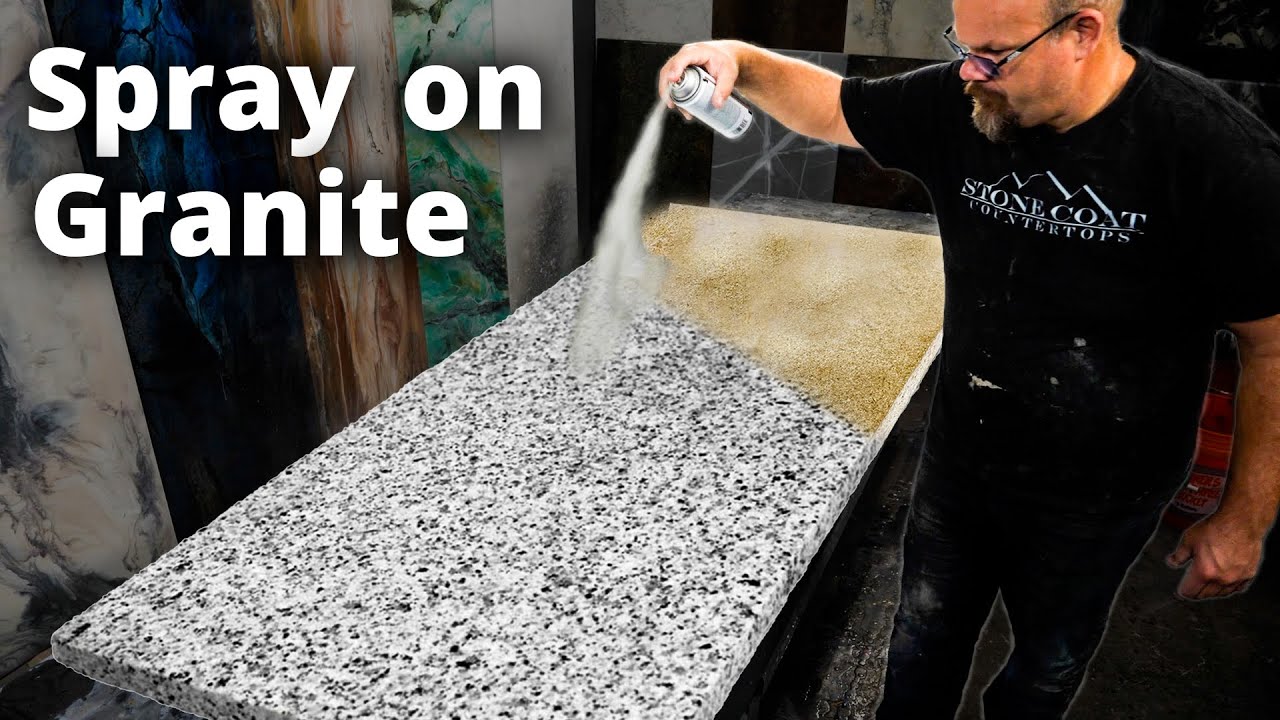
Granite counter tops: toughness with caveats
Granite is the workhorse of organic stone. It resists heat, it resists scratching, and lots of sorts resist stains. Granite counter tops are the least possible to chip underneath the daily assault of forged iron or sheet pans. For bakers, the question is not really whether granite is sturdy. It is even if the one-of-a-kind slab you select is dough-pleasant.
Granite is not very a single subject matter. Some slabs, incredibly people with giant crystals and top porosity, darken right away with oil and water should you bypass sealing. Others, like Absolute Black, are dense satisfactory that sealers have almost no final result. For rolling dough, the floor conclude matters as much as the composition. A polished granite is slick. It displays pale, seems to be upscale in kitchen layout, and cleans actually, yet it has a tendency to push flour round in preference to conserving a microdusting. A honed or leathered end improves traction. Leathered granite has a low-sheen, subtly pebbled texture that hides fingerprints and softens glare. For bakers, I lean toward honed over leathered. Leathered can normally be too bumpy, which catches a bench scraper, although honed helps to keep the surface flat with just enough enamel.
Temperature behavior falls a little bit behind marble. Granite has tremendous thermal mass, however many granites take a seat towards room temperature at the floor except the kitchen runs cool. I stay a reasonable infrared thermometer in my bag throughout closing exams. On a summer time afternoon in a west-dealing with kitchen, I most commonly see polished granite at 74 to 78 tiers Fahrenheit while adjacent honed marble reads 68 to seventy two. That gap isn't small if you happen to are laminating butter. If you make a choice granite for toughness, plan to kick back your rolling pin or retailer a reusable chilly p.c. below a baking mat for a few minutes before rolling.
Countertop repairs on granite is simple. Seal new tops at deploy, then scan quarterly by using leaving a teaspoon of water for 10 mins. If the dark halo lingers longer than a minute after wiping, reseal. For surface cleansing, a pH-neutral stone cleanser or gentle dish soap with water works. Skip bleach and vinegar. For oil spots, use a solvent-primarily based poultice made for stone. Mechanical put on at edges is minimum. If a chip occurs near a sink or a dishwasher, a stone fabricator can fix with colour-matched epoxy.
Edge profiles on granite are forgiving. A simple eased aspect, quite rounded at 1/sixteen to 1/8 inch, we could a bench scraper experience readily. Sharp arrises chip, principally along busy runs close the sink. Overly ornate edges collect flour and are tougher to clean. For bakers, I want a fresh, eased facet or a small radius bullnose along the pastry subject.
Quartz counter tops: engineered stone with consistent performance
Quartz countertops are engineered stone created from overwhelmed quartz and resin. The resin content varies by using model, in many instances 7 to 12 p.c. through weight. The attraction is consistency. Quartz arrives with predictable porosity, color, and sample, and it does now not desire sealing. In a family unit kitchen wherein youth spill juice and bakers knead weekly, that blend should be a aid.
For dough, quartz behaves a bit like polished granite. It is glossy and nonporous, so it resists stains beautifully and wipes down speedy. The alternate-off is temperature and drift. Quartz quite often feels somewhat warmer to touch than typical stone on account that the resin part has scale down thermal conductivity. If your kitchen runs warm, the surface will now not support cool the dough. You can mitigate that by chilling the room or employing a marble slab insert as a pastry station within a quartz island. I have performed this routinely with a small exhibit element, and it looks intentional when coordinated neatly within the kitchen layout.
One element bakers now and again fail to spot is the impression of resins close to warmth. Quartz tolerates customary sizzling pans while set briefly, yet it isn't really warm-proof. Do not park a 425 level sheet pan rapidly on quartz for minutes although you shuffle racks. Use a trivet. Resin can discolor at sustained top temperatures. That is less of a baking problem than a stovetop one, but this is really worth noting in case your pastry station abuts the stove.
Quartz excels at surface cleaning. Because it is nonporous, that you could appropriately wipe sticky sugars, molasses, egg wash, or nutrients coloring with no tense approximately short stains. For stubborn residue, a plastic scraper and warm water do the job. Avoid abrasive powders that will haze the end. For regularly occurring use, pH-impartial cleaners stay the sheen even.
Edge profiles on quartz may well be crisp, however I nonetheless suggest a moderate ease. The resin binder enables preclude micro-chipping at the threshold, which is usually an factor on brittle healthy stones with sharp arrises. From a design standpoint, quartz promises more trendy choices once you want skinny-wanting mitered edges or waterfall panels. If you do a committed pastry sector, a delicate cut back counter peak through 1 to two inches makes rolling more convenient for your shoulders, and quartz fabricates cleanly with the ones transitions.
Soapstone, porcelain, and different contenders
Soapstone deserves a point out for bakers who prize cool believe and basic resurfacing. It is a natural stone, in most cases talc and magnesite, and it really is softer than granite or marble. It resists acids, so lemon juice will no longer etch, yet it scratches readily. The scratches mixture into the oiled patina maximum owners keep, and which you can sand out deeper marks with 120 to 220 grit and re-oil. For dough coping with, soapstone is first-rate. It feels silky, keeps a fab surface, and does now not snatch. If you are secure with a residing finish and periodic oiling, that is a durable, low-upkeep desire in real kitchens. Just predict dents in case you drop a Dutch oven on an aspect.
Large-structure porcelain slabs, mostly classified as sintered stone, have surged in stone developments. They are thin, primarily 6 to 12 millimeters, and hooked up on plywood or honeycomb backing. Porcelain resists stains and heat, and the published designs mimic marble with eerie accuracy. The surface is nonporous and extremely sturdy, but it will possibly be challenging on knives and might chip at edges if the fabricator skimps on fortify. For bakers, porcelain works superb, nonetheless it lacks the cool consider of marble. Choose a matte end to ward off a glassy float that fights your rolling pin.
Butcher block is a favorite for bread shaping when you prefer a touch friction and warmth. It is not superior for laminated doughs, and butter can stain and oxidize. Many bakers do a hybrid setup: wooden for bread, stone for pastry. That mixture stands the try of time.
Surface finishes and how they exchange your baking
Finish is the disregarded variable in surface comparability conversations. Polished, honed, leathered, brushed, and matte porcelain usually are not just aesthetics. They switch how flour behaves beneath your hands.
Polished stone displays pale and feels slick. Dough tears extra easily whenever you push too challenging, and a skinny layer of flour has a tendency to skate in spots. I reserve polished finishes for places clear of the pastry station.
Honed stone has a matte sheen. On marble and granite, it holds flour beautifully without dragging. It additionally hides etches and micro-scratches more advantageous. Most authentic pastry benches use a honed end therefore.
Leathered granite provides diffused topography. It is a low-sheen appearance that hides fingerprints. For rolling, it should create micro drag. Some bakers like the extra keep watch over. Others discover that butter smears into the valleys and wishes greater aggressive cleansing. If you like the appearance, take a look at a pattern with actually dough prior to committing.
Brushed or antiqued finishes sit down between honed and leathered, with a worn-in touch which can work for bread shaping. For laminated pastry, I still choose honed.
On quartz, finishes classified matte or concrete have a delicate, low-gloss texture finished on the manufacturing unit. They tutor oils and fingerprints extra than polished quartz, so plan on extra established floor cleaning with a degreasing stone-protected spray.
Edge profiles and ergonomics
Edges aren't simply visual. When you scrape dough with a bench knife, a crisp facet can chip and a heavy radius can bruise the scraper. For pastry zones, an eased aspect works first-class. A sector-round bullnose rolls an excessive amount of flour over the lip and is more difficult to preserve sparkling. Ogee and ornate profiles seize debris and slow cleanup.
Counter height topics as nicely. Standard height at 36 inches matches maximum duties, however many bakers experience bigger at 34 to 35 inches for rolling, highly if lower than 5 foot 6. Lowering a unmarried phase of counter through an inch or two is straightforward all through a transform. It needs just a little of forethought in the cabinet plan and a careful installation process to guard degree seams if the stone wraps an adjoining section, but the ergonomic acquire is factual. If you can't difference height, a sturdy anti-fatigue mat helps.
Maintenance that keeps stone baking-ready
Regular countertop preservation is straightforward and will pay dividends. Daily, wipe with warm water and a pH-neutral purifier. Skip vinegar on typical stone. Use a plastic scraper to lift caramel or dried dough in place of metal. Weekly, take a look at for oil at stovetop-adjacent spaces, and stay up for chalky jewelry that advise gentle etching on marble.
Sealing stone is rhythm paintings. Granite and marble gain from penetrating sealer. Frequency varies by means of porosity and use. Many busy kitchens land at each and every 6 to 12 months. Rather than chasing a calendar, use absorption checks. After fitting, I depart clients with a bottle of sealer and a notice: if water darkens the stone for extra than a minute, reseal that evening. Apply sealer generously, allow it live as directed, wipe off thoroughly, then buff dry to hinder a cheesy residue. Do now not seal quartz.
For stain removing, make poultices, no longer panic. Oil responds to a solvent-based mostly poultice, healthy stains to hydrogen peroxide elegant blends. Rust spots, infrequent in kitchens however you will from ancient iron pans, name for a specialised rust remover formulated for stone. Always stick with manufacturer advice and look at various small components first.
Surface cleansing after rolling dough is primarily about warm water and endurance. A microfiber textile dampened with heat water lifts flour with out using it into pores. Follow with a stone purifier to reset the surface pH and evade a movie. Avoid melamine sponges on honed finishes. They can burnish a shiny path that catches mild.
Installation main points that topic for bakers
I even have seen marvelous stone underperform because of small deploy decisions. Slab thickness and guide subject in the event you plan to bear down with a rolling pin or stack baking sheets at the edge. A widespread thickness at three centimeters (approximately 1.25 inches) is greater stable than 2 centimeters while used with no buildup. If you do favor 2 centimeters, be sure that your fabricator laminates an aspect or provides relevant subtop toughen so there's no flex at overhangs.
Overhang dimension have to suit use. A pastry sector the place you pull a stool and work seated reward from a 12 to 15 inch overhang with metal strengthen brackets rated for the stone weight. The brackets must sit down flush, 6 to 8 inches from the brink, and be set prior to templating so the fabricator cuts notches if essential. Without reinforce, overhangs act like levers, and a dropped Dutch oven close to the edge can crack the slab.
Seams are inevitable in long runs. For a pastry zone, push seams faraway from the well-known rolling quarter. Ask your fabricator to use coloration-matched epoxy, not silicone, at the seam, and to hinder the joint tight. On honed marble, a a little proud seam appears like a speed bump less than the pin. Run your give up the dry-match earlier than environment, and converse up once you believe a ridge.
For a marble insert inside of quartz or granite, let a small reveal at the fringe, approximately 1 to 2 millimeters, and use coloration-matched silicone to take in seasonal motion. A tight, stiff bond invitations cracks whilst the condominium shifts.
Kitchen and loo layout opportunities
Kitchen design for bakers is same areas workflow and resilience. If house makes it possible for, carve a dedicated pastry station close to chilly garage. Butter should always travel a short trail. I like to pair a drawer stack with a slab of marble or honed granite and a shallow pull-out for sheet pans. Keep scale, bench knife, and rolling pin within the most sensible drawer. Lighting things, too. Even, shadow-loose gentle helps you to see flour coverage and dough texture. Avoid downlights that create glare on polished stone.
If you prefer vast islands, suppose splitting finishes. I have constructed islands with a marble pastry properly at one give up and a quartz prep region at any other. It breaks the monotony and signs objective. Coordinate stone finishes with home equipment and cupboard coloration. A cool-gray Danby marble sings with military or sage paint and brushed brass hardware whereas a warm, leathered granite pairs effectively with normal all right
Bathroom layout could seem to be a long way afield, yet bakers who paintings with fondant or cake ornament often use a bathroom self-importance as a secondary clear house for sugar paintings faraway from kitchen traffic. If you cross that course, elect quartz for the lavatory. It shrugs off pigments and toothpaste, and a matte conclude hides fingerprints. Keep the rolling paintings in the kitchen in which you have got house to move and fewer plumbing furniture to ward off.
Long-term durability: what actual lasts
Stone toughness isn't very simplest hardness. It is a mix of hardness, porosity, chemistry, and the way forgiving the floor is to repair. Granite ranks top on scratch resistance and warmth tolerance, asymmetric on porosity. Marble ranks slash on scratch resistance, vulnerable to etching, however gives elite workability and is comparatively handy to rehone. Quartz resists stains totally, resists scratching smartly, and wishes little preservation. Soapstone resists acids, scratches genuinely, and is the easiest to refresh at domestic with sandpaper and oil. Porcelain resists virtually all the things apart from facet shocks.
Engineered stone, especially quartz, wins for low-upkeep families who bake casually and favor a sparkling look. Natural stone, notably honed marble or complicated granites, wins for extreme pastry chefs who price floor suppose and are prepared to do stone care routines. There isn't any single appropriate reply, solely a perfect answer in your kitchen rhythm.
A brief, precise kitchen comparison
I will provide three snapshots from tasks that make the business-offs concrete.
A downtown apartment with a small galley kitchen, two person execs, either extreme home bakers. We installed a 30 by forty eight inch honed Danby marble pastry insert inside a Caesarstone quartz run. The quartz treated weekday cooking, the marble was once the weekend station. After two years, the marble confirmed delicate etches that mixed into the honed finish, and the proprietors resealed twice. Zero stains, no chips. They say the marble is their prominent component of the kitchen.
A family members of five in a suburban condominium with teenagers who bake cookies weekly and fogeys who entertain. We used honed Black Mist granite across the perimeter and a leathered variation on the island to hide fingerprints. The leathered island felt a little grippy for rolling, so we additional a portable 20 via 30 inch marble board that lives in a vertical tray slot. Maintenance has been mild. Granite needed one reseal at year two. Oil spots from frying cleaned with a poultice in an hour.
A compact metropolis rental with a landlord-accepted transform and a tight budget. The tenants chose a pre-made quartz countertop with a uncomplicated eased side. No inserts, no exceptional work. They retain a heavy marble slab in a drawer, pull it out for pies, and stash it in a while. The quartz has been bulletproof for spills, and the slab grants the cool surface for pastry. It isn't very fancy, however it really works.
Practical guidelines for bakers determining stone
- If you laminate doughs by and large, prioritize a honed marble or a honed granite with a marble insert. If you bake casually and need user-friendly care, pick out quartz.
- Test a pattern with unquestionably dough. Flour it, roll a test sheet, and scrape along with your bench knife to really feel drag and see how flour behaves.
- Choose an eased side profile at the pastry area and consider lowering that phase by 1 to two inches for comfort.
- Plan sealing stone on typical surfaces. Do absorption tests quarterly and reseal as obligatory. Skip sealers on quartz and porcelain.
- Place the pastry quarter near the refrigerator and with even lighting. Keep warm resources and acidic prep far from marble while feasible.
Where tendencies intersect with true use
Stone developments cycle among excessive-contrast veined slabs and quiet, uniform fields. Oversized veins published on quartz look dramatic on social media. For bakers, those styles make flour insurance policy more difficult to study. A subtler box, regardless of whether cushy marbling or quality-grain granite, facilitates you notice the dough. Dark honed stones hide smudges but prove flour. Light honed stones prove smudges less however can exhibit stains quicker if unsealed. Matte finishes continue to be in demand, and that they match pastry paintings. Waterfall islands appearance crisp, yet ponder how typically you can still bump a rolling cart or stool into the vertical stone. Edge chips shuttle visually on a waterfall.
Sustainability also comes up. Natural stone has a protracted lifespan with minimum chemical renovation, even as engineered stone deals steady quality and will reduce waste by slab optimization. Ask your fabricator about sourcing and remnant thoughts. A pastry insert lower from a remnant can reduce rates and reduce waste.
Final preparation from the field
If you adore pastry, enable that booklet the subject matter. A properly-sealed, honed marble pastry quarter inside a durable perimeter assessments the so much bins for extreme bakers. If you need one textile everywhere, honed granite in a dense wide variety performs properly with average protection. If your precedence is complication-free living, quartz promises and pairs well with a transportable marble slab for one-of-a-kind projects.
Nothing beats managing the samples with flour in your hands. Bring a small bag of flour to the showroom. Roll several passes on honed marble, honed granite, polished quartz, and matte quartz. Feel the difference, watch how flour spreads, and settle upon the floor that makes you choose to bake. When a countertop invites you to grime, roll, and fold, you will use it ordinarilly, and that, extra than any specification, is what makes a kitchen first-rate for bakers.

Public Last updated: 2026-10-29 04:41:41 PM