What should you ask about electrical panel upgrades during a remodel?
When you remodel a home, the electrical system is not always the first thing on your mind. Yet almost every renovation, a kitchen update, a bathroom expansion, or a room addition, adds new demands on the panel that distributes power through your house. Asking the right questions about panel upgrades early can save you from costly rework and safety issues later. The direct answer is that you need to know whether your current panel has enough capacity, whether it meets current code, and whether a service upgrade is necessary before the walls close up.
Below are the key questions homeowners should raise with their electrician or contractor during the planning phase of a remodel. Each question targets a specific aspect of the panel upgrade decision, so you can make informed choices without guesswork.
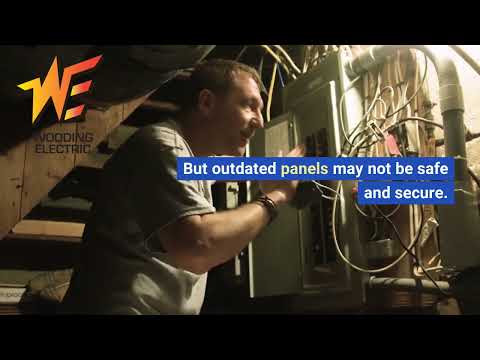
Does my current panel have enough capacity for the remodel?
Every electrical panel has a maximum amperage rating, typically 100, 125, 150, or 200 amps for modern homes. A remodel often adds circuits for new appliances, lighting, outlets, and mechanical systems. If the total load of the new work plus the existing load exceeds the panel's rating, you will need a larger panel or a service upgrade.
Your electrician can perform a load calculation that sums the wattage of all expected loads and compares it to the panel's capacity. This is not a guess; it is a standard engineering step. For example, adding a high-power induction range, a tankless water heater, or a heat pump for an addition can push a 100-amp panel past its limit. Ask your electrician to show you the load calculation in writing before you finalise the remodel plans.
Will the remodel require a dedicated circuit for any new equipment?
Large appliances and certain built-in equipment must have their own dedicated circuit. A kitchen remodel might call for a dedicated circuit for the refrigerator, the microwave, the dishwasher, and the garbage disposal. A bathroom remodel could need a dedicated circuit for a whirlpool tub or a heated floor system. An addition might require a dedicated circuit for a mini-split air conditioner or a home office setup.
If your current panel has no spare breaker slots, you cannot simply add a new circuit. You will need either a sub-panel or a panel upgrade that provides more spaces. Ask your contractor to list every piece of equipment that requires a dedicated circuit and confirm that the panel can accommodate them.
Is my panel up to current electrical code?
Building codes evolve. A panel that was perfectly fine twenty years ago may not meet modern safety standards. Common code requirements that affect panels include:
- Arc-fault circuit interrupters (AFCIs) in bedrooms and living areas
- Ground-fault circuit interrupters (GFCIs) in kitchens, bathrooms, laundry rooms, and outdoors
- Tamper-resistant outlets in all residential living spaces
- Proper bonding and grounding for the panel itself
- Adequate working space and clear access around the panel
If your remodel requires a permit, and most significant remodels do, the local building department will inspect the electrical work. An old panel that fails to meet current code will likely need to be replaced. Ask your electrician whether your panel meets the latest National Electrical Code (NEC) requirements for your area. If it does not, factor the upgrade into your remodel budget.
Do I need a service upgrade from the utility?
Sometimes the panel itself is fine, but the service from the utility pole to your house is not large enough. A service upgrade increases the capacity of the wires that bring power from the street to your meter and panel. This is a separate step from a panel replacement, and it often requires coordination with the utility company.
Signs that you may need a service upgrade include frequent breaker trips during normal use, a panel that is already maxed out, or a remodel that adds a major load such as central air conditioning or an electric vehicle charger. Ask your electrician to evaluate the service size and let you know if an upgrade is necessary. This work can take weeks to schedule, so ask early.
What about the location and physical condition of the panel?
A remodel often changes floor plans. The electrical panel that was once in a utility closet might end up inside a new kitchen cabinet or behind a wall. Codes require the panel to be readily accessible, meaning you cannot have to move stored items or furniture to reach it. If the remodel moves walls or adds finishes that block the panel, you may need to relocate it.
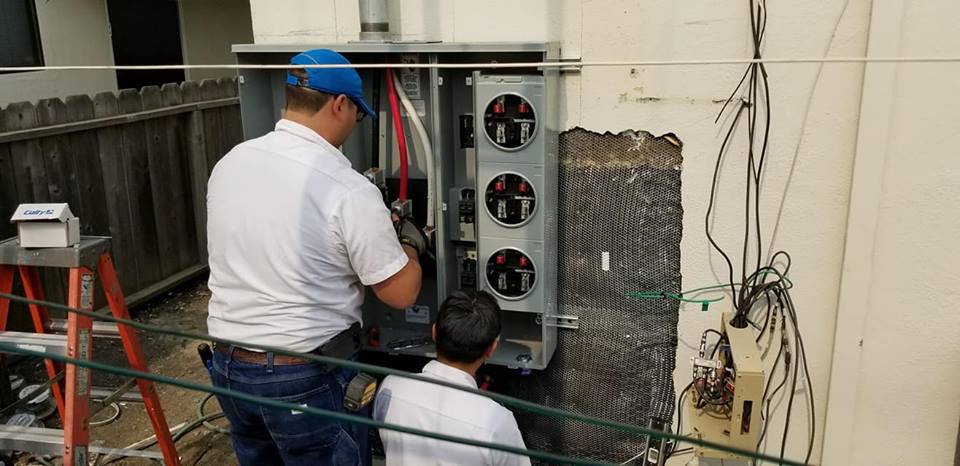
Also look at the panel's physical condition. Rust, corrosion, signs of past overheating, or a panel that feels warm to the touch are red flags. A panel that has been modified with unapproved parts or that has missing knockouts is a safety hazard. Ask your electrician to inspect the panel thoroughly. If it shows any of these issues, a replacement is the prudent choice during the remodel, while the walls are open and the electrician is already on site.
Can I plan for future loads now?
A remodel is a good time to think ahead. If you plan to add solar panels, a battery storage system, an electric vehicle charger, or a heat pump water heater in the next few years, it makes sense to install a panel that can handle those future loads. Upgrading to a larger panel now is far cheaper than doing another upgrade later.
Ask your electrician about a panel that provides extra spaces for future circuits. Also discuss whether a sub-panel in a garage or basement would be a better solution for future additions. A little planning now can save significant expense and disruption down the road.
Will the electrical permit cover the panel upgrade?
Most remodels require an electrical permit from the local building department. The permit ensures that all work meets code and is inspected. If you replace or upgrade the panel, that work must be included in the permit. Ask your contractor or electrician whether the permit application specifically lists the panel upgrade. If it does not, you may need to amend the permit before the work starts.
Working without a permit on a panel upgrade is risky. It can void your home insurance, cause problems when you sell the house, and create safety hazards that an inspection would catch. Always confirm that the panel upgrade is permitted and inspected.
By asking these questions early, you can plan your electrical panel upgrade as a deliberate part of the remodel rather than a last-minute emergency. A panel that is properly sized, code-compliant, and future-ready supports the rest of the renovation smoothly. Wooding Electric evaluates, replaces, and upgrades electrical panels for homes and properties in San Jose and nearby Bay Area communities, so homeowners in that area can discuss these questions with a local specialist. The cost and complexity of a panel upgrade are far lower when it is included in the remodel design from the start.
Ultimately, a remodel is an opportunity to improve your home's electrical system. Asking these questions now, before the walls close and the fixtures are installed, gives you control over the outcome. A safe, adequate electrical panel is not a luxury; it is the foundation that makes everything else in the remodel work reliably. Wooding Electric helps homeowners navigate these decisions, but the key is to start the conversation early. Your contractor and electrician can give you specific answers tailored to your home, your remodel plans, and your local codes. Do not wait until the inspection to find out your panel is too small or outdated. Ask first, plan accordingly, and enjoy the peace of mind that comes with a well-prepared electrical system.
Public Last updated: 2026-11-25 11:58:57 AM