Should I Insure My Rolex While It’s on Consignment?
Usually, yes—but first find out exactly who is responsible for the watch while it is in someone else’s hands. A consignment shop may have insurance, but that does not automatically mean its policy covers your Rolex, covers the full amount you expect to receive, or protects it at every point in the consignment process. The answer depends on the written agreement, the dealer’s coverage, and whether your own insurer will cover a watch away from home.
At a Beverly Hills or DTLA intake, the conversation often starts with condition, box and papers, and an asking price. It should also cover a less glamorous question: if the watch is stolen, damaged, or disappears in transit, who pays—and how much? Before signing, get that answer in writing. This guide explains what to check, how to think about consignment insurance, and why the Rolex resale market’s 2026 recovery makes careful documentation especially worthwhile.
First, understand what “covered” means
When a dealer says, “We insure everything,” that is a useful opening, not the end of the conversation. Ask what “everything” includes. A business policy may protect the dealer’s inventory, but the policy’s terms, limits, exclusions, and claims process matter. You need to know whether a customer-owned watch accepted on consignment is treated as insured property and what value the insurer would use if there were a claim.
There are several different risks to consider: theft from the showroom, damage while the watch is being handled or photographed, loss while it is being transported, and loss after a sale but before the payment reaches you. Those events may be handled under different policy provisions—or not covered in the way you assume. Do not rely on a verbal assurance or the fact that the dealer has a secure safe.
Your own homeowners or renters policy may also have limits for valuable watches, especially when a watch is away from the insured residence or being held by a business. A scheduled personal-articles policy or a standalone jewelry and watch policy may offer broader protection, but terms vary. Contact your insurer or broker directly and describe the arrangement accurately: the Rolex will be in a dealer’s possession for consignment, potentially displayed, handled, and shipped. Ask for written confirmation of whether your policy applies.
Who covers loss while the Rolex is on consignment?
The short answer is: the party identified by the applicable insurance policy and your written consignment agreement. The shop’s promise to take responsibility and the insurer’s obligation to pay are related, but they are not the same thing. If the agreement says the dealer is responsible for loss, ask how that responsibility is valued and whether it is backed by insurance. If the dealer says your own policy must cover the watch, confirm that with your insurer before leaving the watch.
In a good arrangement, responsibility is clear from the moment the dealer accepts the watch until one of three things happens: it is returned to you, delivered to a buyer, or paid for according to the contract. Avoid vague language such as “dealer not responsible for circumstances beyond its control” without an explanation of what that means in practice. Ask the dealer to spell out responsibility for theft, accidental damage, employee handling, shipping, and an unpaid sale.
Question to ask Why it matters What to get in writing Is my Rolex covered while in your possession? A dealer’s general business insurance may not answer whether customer property is covered. Confirmation that consigned property is covered, including relevant limits and exclusions. How is a loss valued? Insurance value, resale value, and your expected payout can be different amounts. The agreed value or the method used to calculate compensation. Who covers shipping? Risk can change when the watch leaves the shop or travels to a buyer. Who arranges shipping, what carrier and coverage apply, and when responsibility transfers. When do I get paid? A completed sale does not always mean the consignor receives funds immediately. The payment deadline, deductions, and process if a buyer’s payment is reversed.
What your written agreement should include
The consignment agreement is not just a commission sheet. Last month, I was working with a client who was shocked by the final bill.. It is the document that should identify the watch, establish its condition, explain the economics, and set out what happens if something goes wrong. Read every clause before handing over the watch, and request a completed copy with both parties’ signatures.
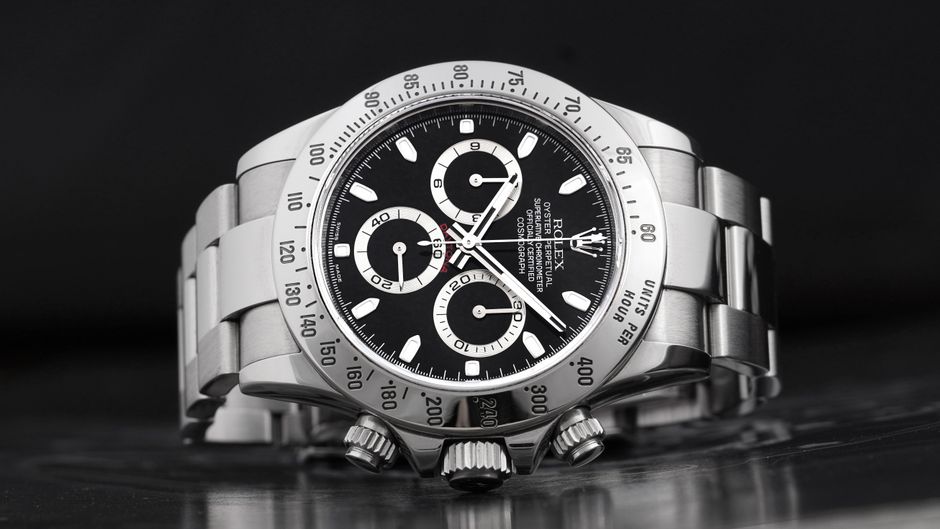
- Complete identification: Brand, model or reference, serial number or a suitably privacy-protected identifier, case and bracelet details, and a list of accessories such as box, papers, links, and service records.
- Condition record: Dated photographs and a written description of scratches, polishing, bracelet stretch, replaced components, service history, and any known issues. Make sure the intake record reflects the watch as delivered—not just as the dealer later describes it.
- Insurance and responsibility: Who is responsible for loss or damage, when that responsibility begins and ends, what coverage applies, and how a claim is valued. Ask whether the stated amount is a retail asking price, an agreed value, or a maximum reimbursement.
- Price and payout: The asking price, your minimum acceptable price if applicable, commission or other fees, permitted discounts, and your net proceeds. Specify whether taxes, payment-processing fees, authentication, or servicing costs can be deducted.
- Sale and payment timing: When the dealer considers a sale final, how long it may take to pay you, what happens if payment is delayed or reversed, and what sales documentation you will receive.
- Term and return procedure: The consignment period, whether it renews automatically, how either party can end it, and how quickly the dealer must return the watch after termination or a request for return.
- Shipping and transport: Who can authorize shipment, how it is packed, who selects and pays the carrier, and who bears risk while the watch is in transit.
- Authentication and alterations: Whether the dealer may open the watch, send it to a third party, polish or service it, or replace any component—and whether you must approve such work first.
Take your own dated photographs before delivery, including close-ups of the dial, case, bracelet, clasp, and accessories. Save the intake receipt, agreement, messages, and any independent appraisal or service documentation. For a higher-value piece, consider asking a qualified insurance professional or attorney to review the arrangement. This is general information, not legal or insurance advice.
Why Rolex resale recovery in 2026 makes the question timely
Rolex resale values are not fixed, even when a model is highly recognizable. After the extraordinary run-up in secondary-market prices during the pandemic-era boom, the market turned. Prices peaked around early 2022 for many popular references, then declined as demand cooled, inventory became more available, and buyers became less willing to pay large premiums over retail. So yeah,. The speed and depth of that correction varied by model, condition, and seller.
By 2023 and 2024, the market was generally working through that post-2022 slump rather than repeating the sharp speculative climb. Buyers paid closer attention to reference, configuration, condition, provenance, and price. Some sought-out models remained comparatively resilient, while other watches saw more pronounced adjustments. A single headline about “Rolex prices” cannot describe every reference.
In 2025 and into 2026, market tracking has pointed to a more constructive environment for parts of the Rolex secondary market. As a concrete example, Rolex secondary-market prices rose 1.7% in Q1 2026 vs the previous quarter. That is a useful snapshot of direction—not a promise that every Rolex rose, or that a consigned watch will sell at an index price. Individual results depend on the exact reference, condition, completeness, service needs, and how competitively the dealer prices it.
For a consignor, a recovering market can create an opportunity, but it can also make it more important to define the agreement’s valuation terms. If the watch is https://www.latimes.com/b2b/business-partnerships/story/2026-10-01/sell-rolex-los-angeles lost, will compensation reflect the agreed value at intake, the dealer’s current asking price, a recent sale, or some other figure? Do not assume an improving market automatically changes the amount payable under an existing contract.

How to track prices without overreading the data
Use more than one source, and compare like with like. WatchCharts is a watch-pricing platform that tracks market estimates and price trends across models. It can help you see whether a reference is broadly moving up or down, but an index or estimate is not the the same as a verified offer for your specific watch. Exact condition, bracelet configuration, dial, year, box and papers, and service history can all affect what a buyer will pay.
EveryWatch is a watch-auction platform and can help you review auction activity and results. Auction prices may not be directly comparable to a dealer’s retail listing or a private-party sale: fees, buyer premiums, venue, condition descriptions, and the final transaction context matter. Treat listings as asking prices and completed sales as evidence, not as a guaranteed valuation.
For broader context, financial and news coverage—including reporting by the Los Angeles Times—can help explain changes in luxury demand and the resale environment. Market commentary from institutions such as Morgan Stanley may also offer perspective on the wider luxury sector. Neither general luxury analysis nor a market index replaces a model-specific appraisal or a written buy offer. Before accepting a consignment price, compare recent relevant transactions and ask the dealer to explain its pricing and expected net payout.
Certified Pre-Owned and credibility in resale
Rolex’s Certified Pre-Owned program has helped make authentication and documented resale channels more visible to buyers. A qualifying watch sold through the program is checked under Rolex’s requirements and comes with program-specific documentation and a guarantee. That can support buyer confidence, but it does not mean every pre-owned Rolex in the market is part of the program—or that a non-program watch is automatically unreliable.
In the wider resale market, credibility comes from a combination of careful authentication, transparent condition reporting, clear provenance where available, realistic pricing, and a dealer willing to put its representations in writing. Ask how the shop verifies the watch and its components, whether inspection is performed in-house or by an outside specialist, and what recourse you have if a material description proves incorrect. If the dealer claims a watch is eligible for a particular program or has specific certification, ask for the supporting documentation rather than relying on a label alone.
Before you leave the watch
- Photograph the watch and accessories, and save any service or appraisal records.
- Ask the dealer, in writing, whether consigned property is insured and how a loss would be valued.
- Call your own insurer and describe the arrangement; request written confirmation of any applicable coverage.
- Review the agreement’s condition report, commission, net payout, term, shipping rules, and return process.
- Keep a signed copy and the intake receipt, then check that the watch’s identifying details are accurate.
The bottom line
Should you insure your Rolex while it is on consignment? You should make sure it is insured, but do not assume whose policy covers it. Get a specific answer from the dealer, verify any protection with the relevant insurer, and make the written agreement explain who covers loss, how compensation is calculated, and when responsibility transfers. With Rolex resale recovering in 2026 after the post-2022 correction, thoughtful pricing and documentation can help protect both your watch and your expected proceeds. Exactly.. If the dealer cannot clearly answer the insurance questions before intake, pause the consignment until the terms are clear.

Public Last updated: 2026-10-15 12:24:22 PM