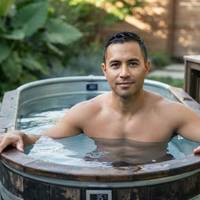
Maintenance Best Practices for Keeping Your Commercial Cold Plunge Tub Performance Ready
Introduction
Cold water therapy has moved from a fringe wellness habit into a mainstream feature of gyms, spas, physical therapy clinics, and boutique recovery studios. As more facility owners invest in a commercial cold plunge to meet client demand, a new operational question has taken center stage: how do you keep that equipment running reliably, day after day, under heavy use? Unlike a single home unit that might see a handful of dips a week, cold plunge tubs in a commercial setting are often used dozens of times daily by different people, which puts real strain on filtration, chilling, and sanitation systems.
The practice itself has deep roots. As Wikipedia's entry on hydrotherapy explains, water has long served as a medium for delivering both heat and cold to the body for therapeutic purposes, and modern commercial operators are simply scaling up a very old idea with new technology. That technology, however, is only as good as the maintenance schedule behind it. A neglected unit does not just perform poorly; it can become a liability, breeding bacteria, corroding components, and driving up energy costs.
This article walks through the maintenance practices that matter most for keeping cold plunge tubs performance ready in a commercial environment, from daily water care to long term equipment planning. Whether you run a boutique recovery studio or you have added a plunge tub to an existing spa menu, the guidance below will help you protect your investment, keep clients safe, and avoid costly downtime.
Why Maintenance Matters More in a Commercial Setting
A home cold plunge tub might be used by one household. A commercial unit is shared property, used by strangers in close succession, often with sweat, skin oils, and outdoor debris introduced with every entry. This changes the maintenance math considerably.
Three factors make commercial upkeep more demanding than residential care:
- Usage volume. Multiple sessions per hour mean filtration systems and chillers work harder and wear out faster than in a home setting.
- Liability and health codes. Commercial wellness spaces are often subject to local health department regulations around water quality, similar to those governing pools and hot tubs. Poor water chemistry is not just a performance issue; it is a compliance issue.
- Client expectations. Members and patients paying for a premium recovery experience expect the water to be clean, properly chilled, and inviting every single time. One bad experience, such as cloudy water or a lukewarm tub, can cost repeat business.
Interest in cold water therapy has grown substantially in recent years, with market analysts pointing to commercial applications, including spas, sports training centers, and fitness facilities, as the largest and fastest growing segment of the cold plunge industry. That growth means more competition among facilities offering the service, and maintenance quality is quickly becoming a differentiator. You can track ongoing coverage of this trend through a Google News search on commercial cold plunge tubs, which regularly surfaces new studies, product launches, and business stories on the category.
Daily and Weekly Water Care Routines
Water quality is the single most important maintenance factor for any commercial cold plunge tub, and it requires a layered routine rather than a single fix.
Daily checks should include:
- Visual inspection of water clarity before the facility opens
- Skimming the surface for debris, hair, or oils
- Checking the chiller display to confirm the tub is holding its target temperature, typically in the range most facilities use for therapeutic cold immersion
- Wiping down the tub rim and any touch points, since these areas accumulate bacteria quickly from repeated hand contact
Weekly tasks should include:
- Testing and logging water chemistry, including pH, sanitizer levels (chlorine, bromine, or an ozone/UV system depending on your setup), and total alkalinity
- Backwashing or rinsing filtration cartridges according to manufacturer guidelines
- Inspecting jets, drains, and intake lines for clogs or buildup
- Reviewing usage logs to spot patterns in demand that might justify adjusting your maintenance frequency
Facilities that skip water testing often run into a problem that is easy to prevent but expensive to fix: biofilm buildup inside plumbing lines. Because cold water slows microbial growth compared to warm water, some operators assume sanitation matters less in a cold plunge than in a hot tub. That assumption is risky. Cold water immersion still involves close skin contact in a shared basin, and consistent sanitizer levels remain essential for protecting client health and keeping the tub in compliant, performance ready condition.
Filtration, Chilling, and Mechanical Systems
The mechanical heart of a commercial cold plunge tub is its filtration and chilling system, and this is where most preventable breakdowns occur.
Filtration system care
Commercial units typically rely on a combination of sediment filters and finer micron filters to keep water clear despite constant use. Because commercial tubs see far more bather load than residential units, filters clog faster and need more frequent cartridge changes or backwashes. A good rule of thumb is to inspect filters weekly and replace cartridges on a set schedule based on your manufacturer's recommendation and your actual usage volume, rather than waiting for visibly cloudy water, which is often a lagging indicator that the filter is already overdue.
Chiller maintenance
The chiller is what separates a cold plunge tub from a simple cold bath, and it is also the most expensive component to repair or replace. Chillers should be checked regularly for:
- Refrigerant levels and any signs of leaks
- Clean condenser coils, since dust and debris buildup forces the compressor to work harder and shortens its lifespan
- Adequate airflow and ventilation around the unit, particularly important in enclosed spa rooms
- Unusual noise or vibration, which often signals a compressor issue before a full failure occurs
Facilities in warmer climates or with high daily throughput should consider scheduling professional HVAC or refrigeration technician visits on a quarterly basis rather than relying solely on in-house checks. This proactive approach costs less over time than emergency repairs, which frequently happen during peak business hours when a broken chiller means turning away paying clients.
Pump and plumbing checks
Circulation pumps keep water moving through the filtration and chilling loop, and stagnant water anywhere in that loop is a sanitation risk. Regularly inspect pump seals for leaks, listen for cavitation noise that can indicate air in the lines, and confirm that all plumbing connections remain tight, especially after any tub relocation or seasonal draining.
Cleaning, Draining, and Seasonal Care
Beyond ongoing water chemistry and mechanical upkeep, commercial cold plunge tubs benefit from a deeper cleaning cycle on a set calendar.
Full drain and deep clean
Most operators should plan a complete drain and deep clean somewhere between every one to three months, depending on usage intensity and the type of sanitation system installed. During this process, staff should:
- Scrub the interior surface with a cleaner appropriate for the tub material, whether acrylic, stainless steel, or fiberglass, avoiding abrasive pads that can scratch protective coatings
- Flush filtration lines to clear any accumulated biofilm
- Inspect gaskets, seals, and drain fittings for wear
- Refill with fresh water and rebalance chemistry before returning the tub to service
Cover and enclosure maintenance
If your tub uses a cover when not in service, check it regularly for tears, mold growth underneath, and proper fit. A well maintained cover reduces debris intake, slows temperature drift, and cuts down on the workload for the chiller between sessions.
Seasonal considerations
Facilities in regions with cold winters or humid summers should adjust maintenance frequency accordingly. Humidity can accelerate corrosion on metal fittings, while temperature swings in an unconditioned space can force the chiller to cycle more often. Building a seasonal checklist into your maintenance calendar helps prevent surprises tied to weather changes.
Troubleshooting Common Problems Before They Become Costly
Even with a strong routine in place, commercial cold plunge tubs will occasionally show warning signs that something needs attention. Recognizing these signs early is often the difference between a quick fix and an expensive repair or a temporary closure.
Cloudy or discolored water usually points to a sanitizer imbalance, a failing filter, or an early stage biofilm issue in the plumbing. Rather than simply adding more sanitizer, check the filter first, since a clogged or worn cartridge is often the true root cause.
Slow temperature recovery between sessions can indicate a chiller struggling with dirty condenser coils, low refrigerant, or a unit that is simply undersized for your actual client volume. If you notice the tub taking noticeably longer to return to its target temperature than it did when the equipment was new, it is worth scheduling a technician visit rather than waiting for a full breakdown.
Unusual odors are a red flag that should never be ignored in a shared water feature. A faint chemical smell may simply mean sanitizer levels need adjusting, but a musty or organic smell often signals biofilm buildup that requires a full flush of the filtration lines and possibly the plumbing itself.
Fluctuating pH readings despite regular dosing can point to a testing error, an aging test kit, or source water with unusually high mineral content. Cross checking with a secondary test method occasionally helps confirm that your daily readings are accurate.
Keeping a simple troubleshooting reference near the tub, alongside your daily and weekly checklists, empowers staff to catch these issues early rather than waiting for a client complaint or a full equipment failure.
Building a Maintenance Schedule and Training Staff
None of these practices work well without a documented schedule and staff who are trained to follow it consistently. A simple, effective structure includes:
- A daily checklist posted near the tub for opening and closing staff
- A weekly water testing log with recorded pH, sanitizer, and temperature readings
- A monthly deep clean calendar with sign off from a designated staff member
- A quarterly professional service appointment for chiller and pump inspection
- An annual review of filtration cartridges, gaskets, and overall equipment condition to plan for replacements before failures occur
Training matters as much as the schedule itself. Staff should understand not just what to check, but why it matters, since a team that understands the health and safety stakes behind water testing is far more likely to follow through consistently, even during busy shifts. Written protocols also help protect the business if questions ever arise about client safety, since a documented log demonstrates due diligence.
It is worth noting that the wellness industry itself is placing growing emphasis on operational rigor as facilities scale up their offerings. Coverage of the broader cold plunge boom has highlighted how the practice has expanded well beyond athletes and biohackers into mainstream recovery routines at gyms, spas, and even corporate wellness programs, which means the operators managing this equipment are increasingly held to the same standards as pool and spa professionals rather than treated as a niche novelty. A Forbes feature on the cold plunge trend noted how quickly the practice has spread worldwide, with public figures and hospitality venues alike responding to rising demand. As the category matures, facilities that can demonstrate consistent, professional maintenance will be the ones that retain client trust.
Conclusion
Keeping a commercial cold plunge tub performance ready is not a one time setup task; it is an ongoing discipline that touches water chemistry, mechanical systems, cleaning routines, and staff training. Facilities that treat maintenance as a core operational priority, rather than an afterthought, protect their equipment investment, reduce the risk of costly breakdowns, and deliver the clean, reliably cold experience that keeps clients coming back. As commercial cold plunge tubs become a more common fixture in gyms, spas, and recovery centers, the businesses that stand out will be the ones whose equipment simply works, every single time a client steps in.

Public Last updated: 2026-07-10 07:54:06 AM