Ensuring Safety and Efficiency A Comprehensive Guide to Work Truck Trailer Inspection
Introduction
Work trucks are essential vehicles in various industries, providing transportation for equipment, materials, and personnel to job sites. Trailers are often attached to work trucks to increase their capacity and versatility. However, to ensure the safety of the driver, passengers, and other road users, it is crucial to conduct regular inspections of work truck trailers. In this comprehensive guide, we will discuss the importance of work truck trailer inspection, the key components to check, and best practices to maintain safety and efficiency on the road.
Importance of Work Truck Trailer Inspection
Work truck trailer inspection is a critical aspect of fleet management and maintenance. Regular inspections help identify potential issues before they escalate into costly repairs or, worse, accidents. By conducting thorough inspections, fleet managers and drivers can ensure that work truck trailers are in optimal condition, comply with safety regulations, and operate efficiently.
Safety is paramount when it comes to work truck operation. A well-maintained trailer reduces the risk of malfunctions or breakdowns that could lead to accidents, injuries, or even fatalities. By adhering to a rigorous inspection schedule, fleet operators can minimize the likelihood of on-road incidents and protect the well-being of their drivers and others sharing the road.
Efficiency is another key benefit of work truck trailer inspection. Regular maintenance and inspections help prevent unexpected breakdowns that can disrupt operations and lead to costly delays. By keeping trailers in good working condition, fleet managers can ensure that deliveries are made on time, projects are completed efficiently, and overall productivity is maximized.
Key Components of Work Truck Trailer Inspection
When inspecting a work truck trailer, it is essential to thoroughly assess various components to ensure that they are in proper working order. The following are key areas that should be included in a comprehensive inspection:
1. Hitch and Coupling Mechanism: Start by inspecting the hitch and coupling mechanism that connects the trailer to the truck. Check for any signs of wear, corrosion, or damage. Ensure that the hitch is securely attached and that the locking mechanism functions properly.
2. Lights and Electrical System: Test all lights, including brake lights, turn signals, and taillights, to ensure they are working correctly. Check the electrical connections for any signs of damage or corrosion. Proper lighting is crucial for safety, especially when driving at night or in inclement weather.
3. Tires and Wheels: Inspect the tires for proper inflation, tread depth, and signs of wear or damage. Check for any bulges, cuts, or punctures that could lead to a blowout. Ensure that the lug nuts are tightened to the manufacturer's specifications and that the wheels are properly aligned.
4. Braking System: Test the trailer's braking system to ensure it is functioning correctly. Check the brake pads, drums, and hydraulic system for any signs of wear or leaks. Ensure that the brakes engage smoothly and effectively when activated.
5. Suspension and Axles: Inspect the suspension system and axles for signs of wear, damage, or misalignment. Check for any leaks in the shock absorbers or springs. Ensure that the axles are properly lubricated and that the wheel bearings are in good condition.
6. Frame and Body: Inspect the trailer's frame and body for any signs of rust, corrosion, or structural damage. Check for loose or missing bolts, cracks, or dents that could compromise the integrity of the trailer. Ensure that the frame is sturdy and that all components are securely attached.
7. Cargo Securement: Verify that the cargo is properly secured and distributed to prevent shifting during transit. Check the tie-downs, straps, and fasteners to ensure they are in good condition and properly tightened. Proper cargo securement is essential for safety and compliance with regulations.
Best Practices for Work Truck Trailer Inspection
To ensure the safety and efficiency of work truck trailers, it is essential to follow best practices when conducting inspections. The following guidelines can help fleet managers and drivers maintain a proactive approach to trailer maintenance:
1. Establish a Regular Inspection Schedule: Create a routine inspection schedule based on the manufacturer's recommendations, industry standards, and regulatory requirements. Conduct pre-trip inspections before each journey and perform more thorough inspections at regular intervals.
2. Use a Checklist: Develop a comprehensive inspection checklist that covers all key components of the work truck trailer. Use the checklist to systematically assess each area and document any findings. A checklist helps ensure that no critical components are overlooked during the inspection process.
3. truck mounted crane and Maintenance Personnel: Provide training to drivers and maintenance personnel on proper inspection procedures and best practices. Ensure that they understand the importance of thorough inspections and the potential consequences of neglecting maintenance tasks.
4. Keep Detailed Records: Maintain accurate records of all inspections, repairs, and maintenance activities related to work truck trailers. Document findings, corrective actions taken, and follow-up tasks. Detailed records help track the maintenance history of each trailer and identify any recurring issues.
5. Address Any Issues Promptly: If any issues are identified during an inspection, address them promptly to prevent further damage or safety risks. Schedule repairs or maintenance tasks as soon as possible to ensure that the trailer remains in good working condition.
6. Monitor Trailer Performance: Regularly monitor the performance of work truck trailers to identify any changes or trends that may indicate underlying issues. Keep track of fuel efficiency, handling characteristics, and any unusual noises or vibrations that could signal a problem.
7. Conduct Thorough Post-Trip Inspections: After completing a journey, conduct a thorough post-trip inspection of the work truck trailer. Check for any new signs of wear, damage, or malfunction that may have occurred during transit. Address any issues before the next trip to maintain safety and efficiency.
Conclusion
Work truck trailer inspection is a critical aspect of fleet maintenance and safety management. By conducting regular inspections, fleet operators can ensure that trailers are in optimal condition, comply with safety regulations, and operate efficiently. Key components to check during an inspection include the hitch, lights, tires, brakes, suspension, frame, and cargo securement. By following best practices such as establishing a regular inspection schedule, using a checklist, and addressing issues promptly, fleet managers and drivers can minimize the risk of accidents, improve efficiency, and protect the well-being of all road users. Maintaining a proactive approach to work truck trailer inspection is essential for ensuring safety and efficiency in the transportation industry.
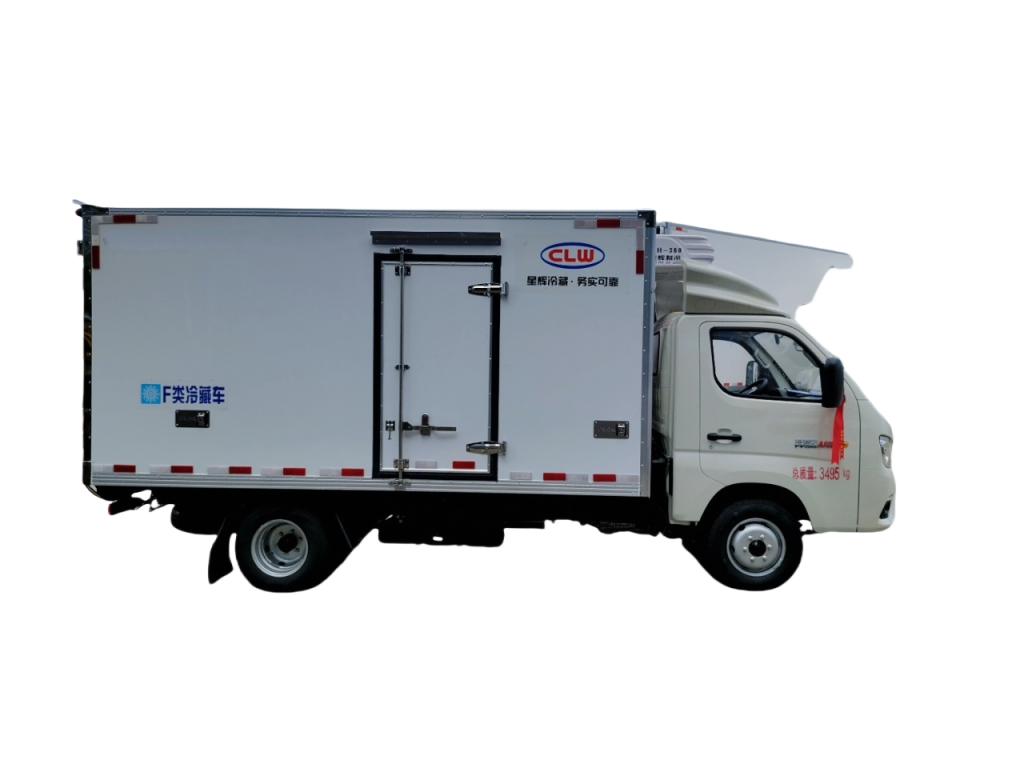
Work trucks are essential vehicles in various industries, providing transportation for equipment, materials, and personnel to job sites. Trailers are often attached to work trucks to increase their capacity and versatility. However, to ensure the safety of the driver, passengers, and other road users, it is crucial to conduct regular inspections of work truck trailers. In this comprehensive guide, we will discuss the importance of work truck trailer inspection, the key components to check, and best practices to maintain safety and efficiency on the road.
Importance of Work Truck Trailer Inspection
Work truck trailer inspection is a critical aspect of fleet management and maintenance. Regular inspections help identify potential issues before they escalate into costly repairs or, worse, accidents. By conducting thorough inspections, fleet managers and drivers can ensure that work truck trailers are in optimal condition, comply with safety regulations, and operate efficiently.
Safety is paramount when it comes to work truck operation. A well-maintained trailer reduces the risk of malfunctions or breakdowns that could lead to accidents, injuries, or even fatalities. By adhering to a rigorous inspection schedule, fleet operators can minimize the likelihood of on-road incidents and protect the well-being of their drivers and others sharing the road.
Efficiency is another key benefit of work truck trailer inspection. Regular maintenance and inspections help prevent unexpected breakdowns that can disrupt operations and lead to costly delays. By keeping trailers in good working condition, fleet managers can ensure that deliveries are made on time, projects are completed efficiently, and overall productivity is maximized.
Key Components of Work Truck Trailer Inspection
When inspecting a work truck trailer, it is essential to thoroughly assess various components to ensure that they are in proper working order. The following are key areas that should be included in a comprehensive inspection:
1. Hitch and Coupling Mechanism: Start by inspecting the hitch and coupling mechanism that connects the trailer to the truck. Check for any signs of wear, corrosion, or damage. Ensure that the hitch is securely attached and that the locking mechanism functions properly.
2. Lights and Electrical System: Test all lights, including brake lights, turn signals, and taillights, to ensure they are working correctly. Check the electrical connections for any signs of damage or corrosion. Proper lighting is crucial for safety, especially when driving at night or in inclement weather.
3. Tires and Wheels: Inspect the tires for proper inflation, tread depth, and signs of wear or damage. Check for any bulges, cuts, or punctures that could lead to a blowout. Ensure that the lug nuts are tightened to the manufacturer's specifications and that the wheels are properly aligned.
4. Braking System: Test the trailer's braking system to ensure it is functioning correctly. Check the brake pads, drums, and hydraulic system for any signs of wear or leaks. Ensure that the brakes engage smoothly and effectively when activated.
5. Suspension and Axles: Inspect the suspension system and axles for signs of wear, damage, or misalignment. Check for any leaks in the shock absorbers or springs. Ensure that the axles are properly lubricated and that the wheel bearings are in good condition.
6. Frame and Body: Inspect the trailer's frame and body for any signs of rust, corrosion, or structural damage. Check for loose or missing bolts, cracks, or dents that could compromise the integrity of the trailer. Ensure that the frame is sturdy and that all components are securely attached.
7. Cargo Securement: Verify that the cargo is properly secured and distributed to prevent shifting during transit. Check the tie-downs, straps, and fasteners to ensure they are in good condition and properly tightened. Proper cargo securement is essential for safety and compliance with regulations.
Best Practices for Work Truck Trailer Inspection
To ensure the safety and efficiency of work truck trailers, it is essential to follow best practices when conducting inspections. The following guidelines can help fleet managers and drivers maintain a proactive approach to trailer maintenance:
1. Establish a Regular Inspection Schedule: Create a routine inspection schedule based on the manufacturer's recommendations, industry standards, and regulatory requirements. Conduct pre-trip inspections before each journey and perform more thorough inspections at regular intervals.
2. Use a Checklist: Develop a comprehensive inspection checklist that covers all key components of the work truck trailer. Use the checklist to systematically assess each area and document any findings. A checklist helps ensure that no critical components are overlooked during the inspection process.
3. truck mounted crane and Maintenance Personnel: Provide training to drivers and maintenance personnel on proper inspection procedures and best practices. Ensure that they understand the importance of thorough inspections and the potential consequences of neglecting maintenance tasks.
4. Keep Detailed Records: Maintain accurate records of all inspections, repairs, and maintenance activities related to work truck trailers. Document findings, corrective actions taken, and follow-up tasks. Detailed records help track the maintenance history of each trailer and identify any recurring issues.
5. Address Any Issues Promptly: If any issues are identified during an inspection, address them promptly to prevent further damage or safety risks. Schedule repairs or maintenance tasks as soon as possible to ensure that the trailer remains in good working condition.
6. Monitor Trailer Performance: Regularly monitor the performance of work truck trailers to identify any changes or trends that may indicate underlying issues. Keep track of fuel efficiency, handling characteristics, and any unusual noises or vibrations that could signal a problem.
7. Conduct Thorough Post-Trip Inspections: After completing a journey, conduct a thorough post-trip inspection of the work truck trailer. Check for any new signs of wear, damage, or malfunction that may have occurred during transit. Address any issues before the next trip to maintain safety and efficiency.
Conclusion
Work truck trailer inspection is a critical aspect of fleet maintenance and safety management. By conducting regular inspections, fleet operators can ensure that trailers are in optimal condition, comply with safety regulations, and operate efficiently. Key components to check during an inspection include the hitch, lights, tires, brakes, suspension, frame, and cargo securement. By following best practices such as establishing a regular inspection schedule, using a checklist, and addressing issues promptly, fleet managers and drivers can minimize the risk of accidents, improve efficiency, and protect the well-being of all road users. Maintaining a proactive approach to work truck trailer inspection is essential for ensuring safety and efficiency in the transportation industry.

Public Last updated: 2025-08-03 02:02:40 PM