Ensuring Work Truck Safety A Comprehensive Guide to Standards and Regulations
Introduction
Work trucks are essential vehicles in various industries, including construction, manufacturing, transportation, and agriculture. These trucks are designed to carry heavy loads, transport equipment, and facilitate the movement of goods and materials. However, the operation of work trucks presents inherent risks to drivers, passengers, and other road users. To mitigate these risks and ensure the safety of all individuals involved, stringent safety standards and regulations have been established for work trucks.
This article will provide a comprehensive overview of work truck safety standards, covering regulatory frameworks, key safety considerations, best practices, and the latest technological advancements in this field. By understanding and adhering to these standards, businesses can enhance workplace safety, reduce the likelihood of accidents, and protect their employees and assets.
Regulatory Framework
Work truck safety standards are primarily governed by regulatory bodies at the national and international levels. In the United States, the Occupational Safety and Health Administration (OSHA) sets forth guidelines for workplace safety, including the operation of work trucks. OSHA's regulations aim to prevent workplace injuries and fatalities by enforcing safety protocols and requirements for employers.
In addition to OSHA, the National Highway Traffic Safety Administration (NHTSA) plays a crucial role in establishing safety standards for vehicles, including work trucks. NHTSA's regulations focus on vehicle design, crashworthiness, and occupant protection, all of which are vital aspects of work truck safety.
Moreover, the Federal Motor Carrier Safety Administration (FMCSA) regulates commercial motor vehicles, including work trucks, to ensure compliance with safety standards related to driver qualifications, hours of service, vehicle maintenance, and cargo securement. Adherence to FMCSA regulations is essential for companies that operate work trucks as part of their business operations.
Internationally, organizations such as the United Nations Economic Commission for Europe (UNECE) and the International Organization for Standardization (ISO) develop safety standards that are applicable to work trucks across different countries. These global standards harmonize technical requirements and promote consistency in vehicle safety features, thus benefiting manufacturers, operators, and users worldwide.
Key Safety Considerations
When it comes to work truck safety, several key considerations must be taken into account to minimize risks and prevent accidents. Some of the primary safety aspects that should be addressed include:
1. Vehicle Design and Maintenance: Work trucks should be designed and maintained to meet safety standards, including structural integrity, crash protection, braking systems, and lighting requirements. Regular maintenance and inspections are essential to ensure that vehicles are in optimal working condition.
2. Load Securement: Properly securing loads on work trucks is critical to prevent shifting or falling cargo, which can pose a significant safety hazard. Employing appropriate tie-down devices, securing methods, and weight distribution techniques is essential to maintain load stability during transport.
3. Driver Training and Qualifications: Employers should provide comprehensive training programs for work truck drivers to ensure they are proficient in vehicle operation, safety protocols, and emergency procedures. Driver qualifications, including valid licenses and medical certifications, should be verified before allowing individuals to operate work trucks.
4. Safe Operating Practices: Encouraging safe driving behaviors, such as obeying speed limits, avoiding distractions, and maintaining a safe following distance, is essential for preventing accidents involving work trucks. Employers should promote a safety culture that prioritizes responsible driving practices among employees.
5. Emergency Preparedness: Work truck operators should be equipped with the necessary tools and knowledge to respond effectively to emergencies, such as vehicle breakdowns, accidents, or hazardous material spills. Developing emergency response plans and conducting drills can help mitigate risks and ensure a prompt and coordinated response in critical situations.
Best Practices
In addition to complying with regulatory requirements and addressing key safety considerations, implementing best practices can further enhance work truck safety and promote a culture of continuous improvement within organizations. Some of the best practices that companies can adopt to improve work truck safety include:
1. Safety Management System: Establishing a robust safety management system that incorporates risk assessments, safety policies, training programs, and performance monitoring is essential for ensuring work truck safety. By systematically identifying hazards, implementing controls, and evaluating safety performance, businesses can proactively manage risks and prevent accidents.
2. Vehicle Inspections: Conducting regular inspections of work trucks to assess their condition, identify potential defects, and address maintenance issues is crucial for maintaining a safe fleet. Pre-trip and post-trip inspections should be performed by drivers to verify that vehicles are roadworthy and compliant with safety standards.
3. Technology Integration: Embracing technological innovations, such as telematics systems, collision avoidance technology, and vehicle tracking devices, can enhance work truck safety by providing real-time data on vehicle performance, driver behavior, and potential risks. Integrating safety technologies into work trucks can improve visibility, alertness, and overall safety outcomes.
4. Driver Monitoring and Feedback: Implementing driver monitoring programs that track behaviors such as speeding, harsh braking, and distracted driving can help identify high-risk individuals and provide targeted feedback and coaching to improve their performance. Encouraging safe driving habits through positive reinforcement and incentives can contribute to a safer work environment.
5. Continuous Training and Education: Offering ongoing training and education opportunities for work truck drivers to enhance their knowledge of safety practices, regulatory requirements, and emerging technologies is essential for promoting a culture of safety excellence. Regularly updating training programs to address new risks and challenges in the industry can help employees stay informed and prepared.
Technological Advancements
Advancements in technology have revolutionized work truck safety, offering innovative solutions to enhance vehicle performance, driver awareness, and overall safety outcomes. Some of the latest technological advancements that are transforming work truck safety include:
1. Advanced Driver Assistance Systems (ADAS): ADAS technologies, such as lane departure warning, forward collision warning, adaptive cruise control, and blind-spot detection, help drivers avoid potential hazards and improve situational awareness on the road. By providing alerts and assistance in critical situations, ADAS systems can reduce the risk of accidents involving work trucks.
2. Electronic Stability Control (ESC): ESC systems enhance vehicle stability and control by automatically applying brakes to individual wheels and adjusting engine power to prevent skidding or loss of control. ESC technology is particularly beneficial for work trucks carrying heavy loads or operating in challenging driving conditions.
3. Telematics and Fleet Management Systems: Telematics solutions enable real-time monitoring of work truck performance, driver behavior, and route efficiency, allowing companies to optimize fleet operations, enhance safety, and reduce operating costs. By leveraging telematics data, organizations can identify areas for improvement and implement targeted safety measures.
4. Vehicle-to-Everything (V2X) Communication: V2X technology enables vehicles to communicate with each other, infrastructure, and other road users to exchange information about traffic conditions, hazards, and potential risks. By facilitating data sharing and enhancing situational awareness, V2X communication systems can improve safety and coordination among work trucks on the road.
5. Autonomous and Semi-Autonomous Vehicles: The development of autonomous and semi-autonomous work trucks promises to revolutionize the transportation industry by reducing human error, improving efficiency, and enhancing safety. While fully autonomous vehicles are still in the testing phase, semi-autonomous features, such as automated braking and lane-keeping assistance, are already being integrated into work trucks to enhance driver safety.
Conclusion
Work truck safety is a critical aspect of workplace operations that requires careful attention to regulatory standards, key safety considerations, best practices, and technological advancements. By prioritizing safety in all aspects of work truck operations, companies can protect their employees, assets, and reputation while promoting a culture of safety excellence.
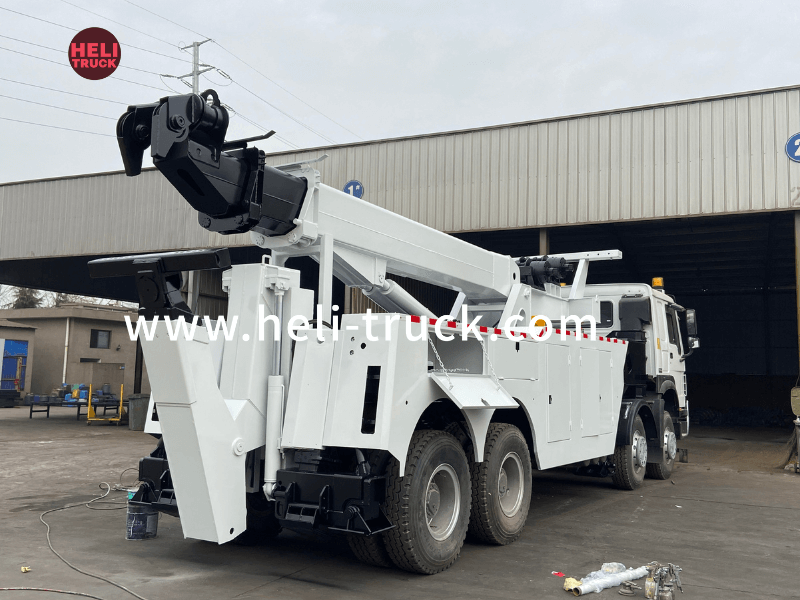
Work truck bed liner types and benefits to regulatory frameworks established by organizations such as OSHA, NHTSA, and FMCSA is essential for ensuring compliance with safety standards and promoting a safe work environment. Addressing key safety considerations, such as vehicle design, load securement, driver training, operating practices, and emergency preparedness, can help mitigate risks and prevent accidents involving work trucks.
Implementing best practices, such as establishing safety management systems, conducting vehicle inspections, integrating safety technologies, monitoring driver behavior, and providing continuous training, can further enhance work truck safety and drive continuous improvement within organizations. Embracing technological advancements, including ADAS, ESC, telematics, V2X communication, and autonomous vehicles, can revolutionize work truck safety and pave the way for a safer and more efficient transportation industry.
By staying informed about the latest developments in work truck safety standards and embracing a proactive approach to safety management, businesses can create a secure and productive work environment for all individuals involved in work truck operations. Prioritizing safety today can lead to a safer and more sustainable future for the transportation industry as a whole.
Work trucks are essential vehicles in various industries, including construction, manufacturing, transportation, and agriculture. These trucks are designed to carry heavy loads, transport equipment, and facilitate the movement of goods and materials. However, the operation of work trucks presents inherent risks to drivers, passengers, and other road users. To mitigate these risks and ensure the safety of all individuals involved, stringent safety standards and regulations have been established for work trucks.
This article will provide a comprehensive overview of work truck safety standards, covering regulatory frameworks, key safety considerations, best practices, and the latest technological advancements in this field. By understanding and adhering to these standards, businesses can enhance workplace safety, reduce the likelihood of accidents, and protect their employees and assets.
Regulatory Framework
Work truck safety standards are primarily governed by regulatory bodies at the national and international levels. In the United States, the Occupational Safety and Health Administration (OSHA) sets forth guidelines for workplace safety, including the operation of work trucks. OSHA's regulations aim to prevent workplace injuries and fatalities by enforcing safety protocols and requirements for employers.
In addition to OSHA, the National Highway Traffic Safety Administration (NHTSA) plays a crucial role in establishing safety standards for vehicles, including work trucks. NHTSA's regulations focus on vehicle design, crashworthiness, and occupant protection, all of which are vital aspects of work truck safety.
Moreover, the Federal Motor Carrier Safety Administration (FMCSA) regulates commercial motor vehicles, including work trucks, to ensure compliance with safety standards related to driver qualifications, hours of service, vehicle maintenance, and cargo securement. Adherence to FMCSA regulations is essential for companies that operate work trucks as part of their business operations.
Internationally, organizations such as the United Nations Economic Commission for Europe (UNECE) and the International Organization for Standardization (ISO) develop safety standards that are applicable to work trucks across different countries. These global standards harmonize technical requirements and promote consistency in vehicle safety features, thus benefiting manufacturers, operators, and users worldwide.
Key Safety Considerations
When it comes to work truck safety, several key considerations must be taken into account to minimize risks and prevent accidents. Some of the primary safety aspects that should be addressed include:
1. Vehicle Design and Maintenance: Work trucks should be designed and maintained to meet safety standards, including structural integrity, crash protection, braking systems, and lighting requirements. Regular maintenance and inspections are essential to ensure that vehicles are in optimal working condition.
2. Load Securement: Properly securing loads on work trucks is critical to prevent shifting or falling cargo, which can pose a significant safety hazard. Employing appropriate tie-down devices, securing methods, and weight distribution techniques is essential to maintain load stability during transport.
3. Driver Training and Qualifications: Employers should provide comprehensive training programs for work truck drivers to ensure they are proficient in vehicle operation, safety protocols, and emergency procedures. Driver qualifications, including valid licenses and medical certifications, should be verified before allowing individuals to operate work trucks.
4. Safe Operating Practices: Encouraging safe driving behaviors, such as obeying speed limits, avoiding distractions, and maintaining a safe following distance, is essential for preventing accidents involving work trucks. Employers should promote a safety culture that prioritizes responsible driving practices among employees.
5. Emergency Preparedness: Work truck operators should be equipped with the necessary tools and knowledge to respond effectively to emergencies, such as vehicle breakdowns, accidents, or hazardous material spills. Developing emergency response plans and conducting drills can help mitigate risks and ensure a prompt and coordinated response in critical situations.
Best Practices
In addition to complying with regulatory requirements and addressing key safety considerations, implementing best practices can further enhance work truck safety and promote a culture of continuous improvement within organizations. Some of the best practices that companies can adopt to improve work truck safety include:
1. Safety Management System: Establishing a robust safety management system that incorporates risk assessments, safety policies, training programs, and performance monitoring is essential for ensuring work truck safety. By systematically identifying hazards, implementing controls, and evaluating safety performance, businesses can proactively manage risks and prevent accidents.
2. Vehicle Inspections: Conducting regular inspections of work trucks to assess their condition, identify potential defects, and address maintenance issues is crucial for maintaining a safe fleet. Pre-trip and post-trip inspections should be performed by drivers to verify that vehicles are roadworthy and compliant with safety standards.
3. Technology Integration: Embracing technological innovations, such as telematics systems, collision avoidance technology, and vehicle tracking devices, can enhance work truck safety by providing real-time data on vehicle performance, driver behavior, and potential risks. Integrating safety technologies into work trucks can improve visibility, alertness, and overall safety outcomes.
4. Driver Monitoring and Feedback: Implementing driver monitoring programs that track behaviors such as speeding, harsh braking, and distracted driving can help identify high-risk individuals and provide targeted feedback and coaching to improve their performance. Encouraging safe driving habits through positive reinforcement and incentives can contribute to a safer work environment.
5. Continuous Training and Education: Offering ongoing training and education opportunities for work truck drivers to enhance their knowledge of safety practices, regulatory requirements, and emerging technologies is essential for promoting a culture of safety excellence. Regularly updating training programs to address new risks and challenges in the industry can help employees stay informed and prepared.
Technological Advancements
Advancements in technology have revolutionized work truck safety, offering innovative solutions to enhance vehicle performance, driver awareness, and overall safety outcomes. Some of the latest technological advancements that are transforming work truck safety include:
1. Advanced Driver Assistance Systems (ADAS): ADAS technologies, such as lane departure warning, forward collision warning, adaptive cruise control, and blind-spot detection, help drivers avoid potential hazards and improve situational awareness on the road. By providing alerts and assistance in critical situations, ADAS systems can reduce the risk of accidents involving work trucks.
2. Electronic Stability Control (ESC): ESC systems enhance vehicle stability and control by automatically applying brakes to individual wheels and adjusting engine power to prevent skidding or loss of control. ESC technology is particularly beneficial for work trucks carrying heavy loads or operating in challenging driving conditions.
3. Telematics and Fleet Management Systems: Telematics solutions enable real-time monitoring of work truck performance, driver behavior, and route efficiency, allowing companies to optimize fleet operations, enhance safety, and reduce operating costs. By leveraging telematics data, organizations can identify areas for improvement and implement targeted safety measures.
4. Vehicle-to-Everything (V2X) Communication: V2X technology enables vehicles to communicate with each other, infrastructure, and other road users to exchange information about traffic conditions, hazards, and potential risks. By facilitating data sharing and enhancing situational awareness, V2X communication systems can improve safety and coordination among work trucks on the road.
5. Autonomous and Semi-Autonomous Vehicles: The development of autonomous and semi-autonomous work trucks promises to revolutionize the transportation industry by reducing human error, improving efficiency, and enhancing safety. While fully autonomous vehicles are still in the testing phase, semi-autonomous features, such as automated braking and lane-keeping assistance, are already being integrated into work trucks to enhance driver safety.
Conclusion
Work truck safety is a critical aspect of workplace operations that requires careful attention to regulatory standards, key safety considerations, best practices, and technological advancements. By prioritizing safety in all aspects of work truck operations, companies can protect their employees, assets, and reputation while promoting a culture of safety excellence.
Work truck bed liner types and benefits to regulatory frameworks established by organizations such as OSHA, NHTSA, and FMCSA is essential for ensuring compliance with safety standards and promoting a safe work environment. Addressing key safety considerations, such as vehicle design, load securement, driver training, operating practices, and emergency preparedness, can help mitigate risks and prevent accidents involving work trucks.
Implementing best practices, such as establishing safety management systems, conducting vehicle inspections, integrating safety technologies, monitoring driver behavior, and providing continuous training, can further enhance work truck safety and drive continuous improvement within organizations. Embracing technological advancements, including ADAS, ESC, telematics, V2X communication, and autonomous vehicles, can revolutionize work truck safety and pave the way for a safer and more efficient transportation industry.
By staying informed about the latest developments in work truck safety standards and embracing a proactive approach to safety management, businesses can create a secure and productive work environment for all individuals involved in work truck operations. Prioritizing safety today can lead to a safer and more sustainable future for the transportation industry as a whole.

Public Last updated: 2024-12-27 11:38:03 AM