Powering the Outdoors The Essential Guide to Diesel Generators for Outdoor Events
### Introduction
As the popularity of outdoor events continues to rise—ranging from music festivals to corporate gatherings, weddings, and sporting events—the demand for reliable power sources has never been greater. In this context, diesel generators have emerged as a go-to solution for event planners, providing the necessary electricity to power lights, sound systems, food vendors, and more. This article aims to explore the benefits, considerations, and best practices for using diesel generators at outdoor events, ensuring a seamless experience for organizers and attendees alike.
### Chapter 1: Understanding Diesel Generators
#### 1.1 What is a Diesel Generator?
A diesel generator is a combination of a diesel engine and an electric generator (often an alternator) used to generate electrical energy. Diesel generators are known for their reliability, efficiency, and ability to provide power in remote locations where access to the electrical grid is limited or unavailable.
#### 1.2 How Diesel Generators Work
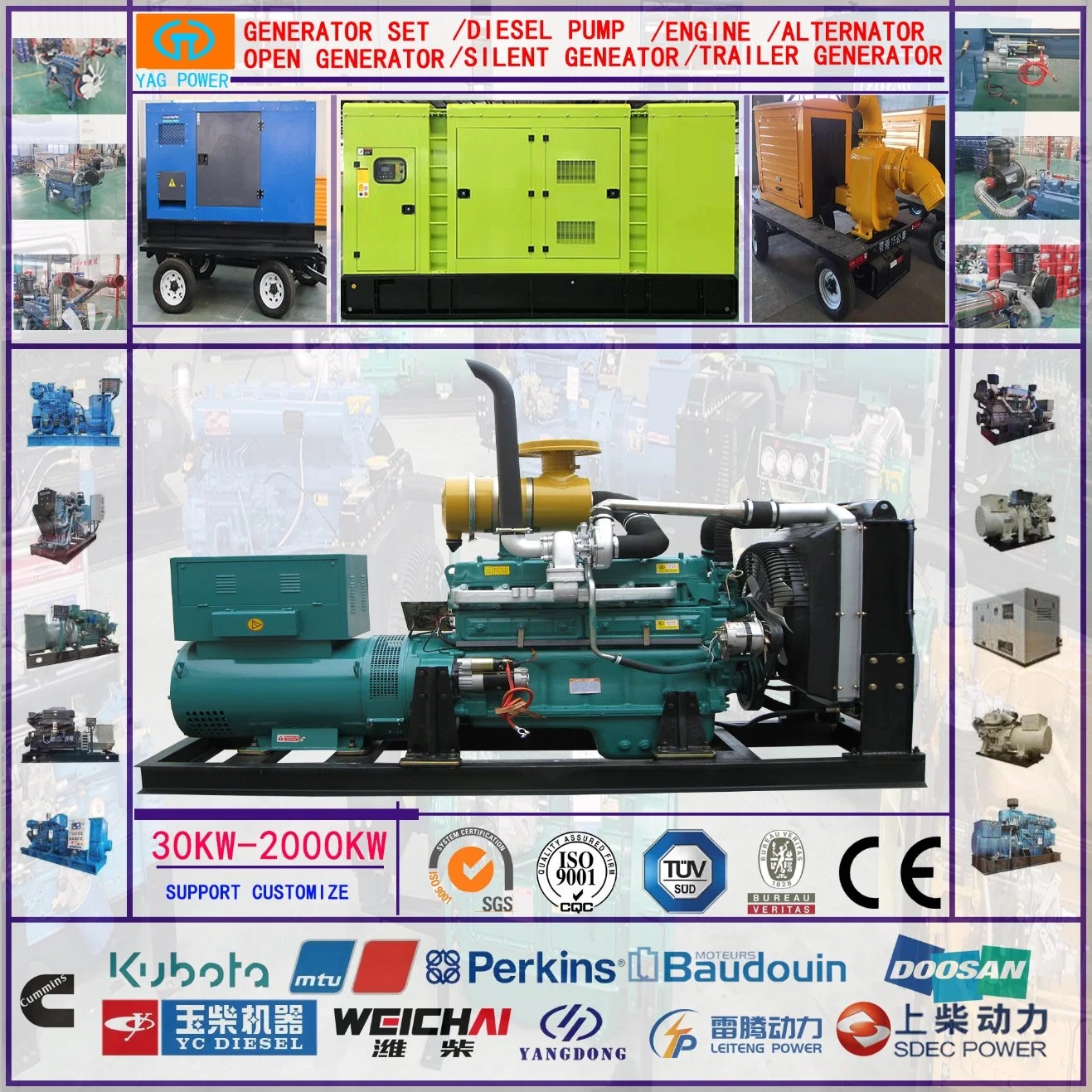
Diesel generators function by burning diesel fuel to power a combustion engine, which then drives an alternator to produce electricity. The process involves several key components:
- **Diesel Engine**: Converts fuel into mechanical energy.
- **Alternator**: Converts mechanical energy into electrical energy.
- **Fuel System**: Stores and supplies diesel fuel to the engine.
- **Cooling System**: Maintains optimal operating temperature.
- **Control Panel**: Allows operators to monitor and manage the generator's output and performance.
#### 1.3 Types of Diesel Generators
Diesel generators come in various sizes and configurations, catering to different power needs and applications. The main types include:
- **Portable Diesel Generators**: Smaller units that can be easily transported for smaller events or temporary setups.
- **Industrial Diesel Generators**: Larger, stationary units designed for substantial power demands and longer-term use.
- **Silent Diesel Generators**: Equipped with sound-dampening technology to minimize noise, ideal for events in residential areas.
### Chapter 2: Benefits of Diesel Generators for Outdoor Events
#### 2.1 Reliability
One of the primary advantages of diesel generators is their reliability. Diesel engines are built to withstand rigorous use and can operate for extended periods without the need for frequent refueling. This reliability is crucial for outdoor events where power interruptions can disrupt the experience.
#### 2.2 Fuel Efficiency
Diesel generators are known for their fuel efficiency. They consume less fuel per unit of power generated compared to gasoline generators. This not only reduces operational costs but also minimizes the frequency of refueling, allowing for longer uninterrupted power supply.
#### 2.3 High Power Output
Diesel generators can produce significant amounts of electricity, making them suitable for powering large events with extensive electrical requirements. From lighting and sound equipment to catering services, diesel generators can handle the demands of various high-wattage appliances.
#### 2.4 Durability and Longevity
Diesel engines are built to last, often with a longer lifespan than gasoline engines. This durability is particularly beneficial for event organizers who may need to rent or purchase a generator for multiple events over time.
#### 2.5 Low Maintenance Costs
While diesel generators may have higher upfront costs compared to gasoline generators, their lower fuel consumption and longer lifespan often result in lower overall maintenance costs. Regular maintenance is essential, but diesel engines generally require fewer repairs over time.
### Chapter 3: Considerations for Using Diesel Generators at Outdoor Events
#### 3.1 Power Requirements
Before selecting a diesel generator for an outdoor event, it is crucial to assess the total power requirements. This involves calculating the wattage of all electrical equipment that will be used, including:
- Lighting
- Sound systems
- Catering appliances
- Heating or cooling units
Once you have a clear understanding of your power needs, you can choose a generator with an appropriate output capacity.
#### 3.2 Generator Sizing
Choosing the right size diesel generator is vital. A generator that is too small may struggle to meet power demands, leading to performance issues or power outages. Conversely, an oversized generator can lead to inefficiencies and increased fuel costs.
As a general rule, it is advisable to select a generator that can handle at least 20% more than your calculated power needs to account for any unforeseen increases in demand.
#### 3.3 Noise Levels
While diesel generators are generally robust, they can also be noisy, which may not be suitable for all outdoor events, especially those in residential areas. When renting or purchasing a generator, consider opting for a silent or soundproof model to minimize noise pollution.
#### 3.4 Fuel Supply and Logistics
Managing fuel supply is a critical aspect of using diesel generators at outdoor events. Organizers must ensure that sufficient fuel is available to power the generator throughout the event. This includes planning for refueling logistics and considering the availability of diesel fuel in the area.
### Chapter 4: Safety and Compliance
#### 4.1 Safety Precautions
Safety is paramount when operating diesel generators. Here are some essential safety precautions:
- **Proper Ventilation**: Ensure that the generator is placed in a well-ventilated area to prevent the buildup of exhaust fumes, which can be hazardous.
- **Grounding**: The generator should be properly grounded to prevent electrical shocks.
- **Fuel Storage**: Store diesel fuel in approved containers and adhere to safety regulations to prevent spills and leaks.
#### 4.2 Compliance with Regulations
Event organizers must comply with local regulations regarding noise levels, emissions, and safety standards when using diesel generators. It is advisable to check with local authorities to ensure compliance and avoid potential fines or disruptions.
### Chapter 5: Best Practices for Using Diesel Generators at Outdoor Events
#### 5.1 Pre-Event Planning
Planning is crucial when incorporating diesel generators into outdoor events. Consider the following steps:
- **Site Assessment**: Evaluate the event location for accessible and safe generator placement.
- **Power Distribution**: Plan how power will be distributed to various areas and vendors, using appropriate extension cords and distribution panels.
- **Backup Plans**: Have a contingency plan in case of generator failure or unexpected power demands.
#### 5.2 Operating the Generator
During the event, it is essential to operate the generator correctly:
- **Monitor Performance**: Keep an eye on the generator's performance metrics, including fuel levels, output voltage, and any warning indicators.
- **Regular Inspections**: Conduct regular inspections throughout the event to ensure the generator is functioning optimally.
- **Emergency Protocols**: Establish emergency protocols for dealing with generator malfunctions, including having contact information for a technician on hand.
#### 5.3 Post-Event Procedures
After the event, proper shutdown and maintenance of the generator are crucial:
- **Shutdown Process**: Follow the manufacturer’s recommended shutdown procedures to ensure the generator is turned off safely.
- **Fuel Management**: Drain or stabilize fuel as necessary to prevent degradation.
- **Maintenance Checks**: Conduct a thorough maintenance check, including oil changes and filter replacements, to prepare the generator for future use.
### Chapter 6: Conclusion
Diesel generators are an invaluable asset for outdoor events, providing reliable power to ensure that activities run smoothly. From music festivals to weddings and corporate events, the ability to generate electricity in remote locations is essential for modern event planning. By understanding the benefits, considerations, and best practices associated with diesel generators, event organizers can create successful, enjoyable experiences for attendees.
In 400kw generator where outdoor events are becoming increasingly popular, having a dependable power source is not just a convenience; it is a necessity. Diesel generators stand out as a robust solution, combining efficiency, reliability, and durability, making them an indispensable tool for powering outdoor events.
### Additional Resources
For those interested in learning more about diesel generators and their applications in outdoor events, consider the following resources:
- **Generator Rental Companies**: Contact local rental companies for information on available diesel generators and rental terms.
- **Industry Associations**: Organizations like the Portable Generator Manufacturers’ Association (PGMA) offer valuable insights and safety guidelines.
- **Event Planning Websites**: Explore online resources dedicated to event planning for tips on logistics, power requirements, and vendor management.
By effectively harnessing the power of diesel generators, event planners can ensure their outdoor events are not only enjoyable but also successful, leaving a lasting impression on all who attend.
As the popularity of outdoor events continues to rise—ranging from music festivals to corporate gatherings, weddings, and sporting events—the demand for reliable power sources has never been greater. In this context, diesel generators have emerged as a go-to solution for event planners, providing the necessary electricity to power lights, sound systems, food vendors, and more. This article aims to explore the benefits, considerations, and best practices for using diesel generators at outdoor events, ensuring a seamless experience for organizers and attendees alike.
### Chapter 1: Understanding Diesel Generators
#### 1.1 What is a Diesel Generator?
A diesel generator is a combination of a diesel engine and an electric generator (often an alternator) used to generate electrical energy. Diesel generators are known for their reliability, efficiency, and ability to provide power in remote locations where access to the electrical grid is limited or unavailable.
#### 1.2 How Diesel Generators Work
Diesel generators function by burning diesel fuel to power a combustion engine, which then drives an alternator to produce electricity. The process involves several key components:
- **Diesel Engine**: Converts fuel into mechanical energy.
- **Alternator**: Converts mechanical energy into electrical energy.
- **Fuel System**: Stores and supplies diesel fuel to the engine.
- **Cooling System**: Maintains optimal operating temperature.
- **Control Panel**: Allows operators to monitor and manage the generator's output and performance.
#### 1.3 Types of Diesel Generators
Diesel generators come in various sizes and configurations, catering to different power needs and applications. The main types include:
- **Portable Diesel Generators**: Smaller units that can be easily transported for smaller events or temporary setups.
- **Industrial Diesel Generators**: Larger, stationary units designed for substantial power demands and longer-term use.
- **Silent Diesel Generators**: Equipped with sound-dampening technology to minimize noise, ideal for events in residential areas.
### Chapter 2: Benefits of Diesel Generators for Outdoor Events
#### 2.1 Reliability
One of the primary advantages of diesel generators is their reliability. Diesel engines are built to withstand rigorous use and can operate for extended periods without the need for frequent refueling. This reliability is crucial for outdoor events where power interruptions can disrupt the experience.
#### 2.2 Fuel Efficiency
Diesel generators are known for their fuel efficiency. They consume less fuel per unit of power generated compared to gasoline generators. This not only reduces operational costs but also minimizes the frequency of refueling, allowing for longer uninterrupted power supply.
#### 2.3 High Power Output
Diesel generators can produce significant amounts of electricity, making them suitable for powering large events with extensive electrical requirements. From lighting and sound equipment to catering services, diesel generators can handle the demands of various high-wattage appliances.
#### 2.4 Durability and Longevity
Diesel engines are built to last, often with a longer lifespan than gasoline engines. This durability is particularly beneficial for event organizers who may need to rent or purchase a generator for multiple events over time.
#### 2.5 Low Maintenance Costs
While diesel generators may have higher upfront costs compared to gasoline generators, their lower fuel consumption and longer lifespan often result in lower overall maintenance costs. Regular maintenance is essential, but diesel engines generally require fewer repairs over time.
### Chapter 3: Considerations for Using Diesel Generators at Outdoor Events
#### 3.1 Power Requirements
Before selecting a diesel generator for an outdoor event, it is crucial to assess the total power requirements. This involves calculating the wattage of all electrical equipment that will be used, including:
- Lighting
- Sound systems
- Catering appliances
- Heating or cooling units
Once you have a clear understanding of your power needs, you can choose a generator with an appropriate output capacity.
#### 3.2 Generator Sizing
Choosing the right size diesel generator is vital. A generator that is too small may struggle to meet power demands, leading to performance issues or power outages. Conversely, an oversized generator can lead to inefficiencies and increased fuel costs.
As a general rule, it is advisable to select a generator that can handle at least 20% more than your calculated power needs to account for any unforeseen increases in demand.
#### 3.3 Noise Levels
While diesel generators are generally robust, they can also be noisy, which may not be suitable for all outdoor events, especially those in residential areas. When renting or purchasing a generator, consider opting for a silent or soundproof model to minimize noise pollution.
#### 3.4 Fuel Supply and Logistics
Managing fuel supply is a critical aspect of using diesel generators at outdoor events. Organizers must ensure that sufficient fuel is available to power the generator throughout the event. This includes planning for refueling logistics and considering the availability of diesel fuel in the area.
### Chapter 4: Safety and Compliance
#### 4.1 Safety Precautions
Safety is paramount when operating diesel generators. Here are some essential safety precautions:
- **Proper Ventilation**: Ensure that the generator is placed in a well-ventilated area to prevent the buildup of exhaust fumes, which can be hazardous.
- **Grounding**: The generator should be properly grounded to prevent electrical shocks.
- **Fuel Storage**: Store diesel fuel in approved containers and adhere to safety regulations to prevent spills and leaks.
#### 4.2 Compliance with Regulations
Event organizers must comply with local regulations regarding noise levels, emissions, and safety standards when using diesel generators. It is advisable to check with local authorities to ensure compliance and avoid potential fines or disruptions.
### Chapter 5: Best Practices for Using Diesel Generators at Outdoor Events
#### 5.1 Pre-Event Planning
Planning is crucial when incorporating diesel generators into outdoor events. Consider the following steps:
- **Site Assessment**: Evaluate the event location for accessible and safe generator placement.
- **Power Distribution**: Plan how power will be distributed to various areas and vendors, using appropriate extension cords and distribution panels.
- **Backup Plans**: Have a contingency plan in case of generator failure or unexpected power demands.
#### 5.2 Operating the Generator
During the event, it is essential to operate the generator correctly:
- **Monitor Performance**: Keep an eye on the generator's performance metrics, including fuel levels, output voltage, and any warning indicators.
- **Regular Inspections**: Conduct regular inspections throughout the event to ensure the generator is functioning optimally.
- **Emergency Protocols**: Establish emergency protocols for dealing with generator malfunctions, including having contact information for a technician on hand.
#### 5.3 Post-Event Procedures
After the event, proper shutdown and maintenance of the generator are crucial:
- **Shutdown Process**: Follow the manufacturer’s recommended shutdown procedures to ensure the generator is turned off safely.
- **Fuel Management**: Drain or stabilize fuel as necessary to prevent degradation.
- **Maintenance Checks**: Conduct a thorough maintenance check, including oil changes and filter replacements, to prepare the generator for future use.
### Chapter 6: Conclusion
Diesel generators are an invaluable asset for outdoor events, providing reliable power to ensure that activities run smoothly. From music festivals to weddings and corporate events, the ability to generate electricity in remote locations is essential for modern event planning. By understanding the benefits, considerations, and best practices associated with diesel generators, event organizers can create successful, enjoyable experiences for attendees.
In 400kw generator where outdoor events are becoming increasingly popular, having a dependable power source is not just a convenience; it is a necessity. Diesel generators stand out as a robust solution, combining efficiency, reliability, and durability, making them an indispensable tool for powering outdoor events.
### Additional Resources
For those interested in learning more about diesel generators and their applications in outdoor events, consider the following resources:
- **Generator Rental Companies**: Contact local rental companies for information on available diesel generators and rental terms.
- **Industry Associations**: Organizations like the Portable Generator Manufacturers’ Association (PGMA) offer valuable insights and safety guidelines.
- **Event Planning Websites**: Explore online resources dedicated to event planning for tips on logistics, power requirements, and vendor management.
By effectively harnessing the power of diesel generators, event planners can ensure their outdoor events are not only enjoyable but also successful, leaving a lasting impression on all who attend.

Public Last updated: 2025-03-31 06:08:49 AM