Which Mini Split Brands Are Respected But Not Really DIY?
If you’re a homeowner looking to install a mini split heat pump system yourself, you’ve probably seen a flood of brands promising easy installation and impressive energy savings. While some mini splits truly fit the bill for DIY installation with pre-charged quick-connect systems, others—although highly respected brands—require tools, expertise, or refrigerant handling that make them less than ideal for the average DIYer.
In this article, we’ll cover:
- What defines a “true DIY” mini split system
- Brands that are top of the line but not truly DIY-friendly
- Tools and skills typically needed for these systems
- How to interpret efficiency metrics like SEER2 and HSPF2
- Cold-weather heating performance realities
What Does “True DIY” Mean in Mini Split Installation?
Before diving into which brands are respected but less DIY-friendly, it’s important to understand what “true DIY” means in the context of mini splits.
Pre-Charged Quick Connect Line Sets
The hallmark of a true DIY mini split is the use of pre-charged quick connect line sets. These line sets come already filled with refrigerant from the factory and are designed to connect directly to indoor and outdoor units without handling refrigerant during installation. This eliminates the need for specialized HVAC tools or certification, making installation accessible to confident homeowners with basic handyman skills.
Brands like MrCool have popularized this style of system and earned a strong DIY following because the only real tools required are a wrench and drill.
What You Don’t Need for True DIY Systems
- Vacuum Pump: Essential for removing air and moisture from traditional refrigerant lines, but unnecessary for pre-charged quick connect systems.
- Refrigerant Gauges: Used to measure pressure levels in refrigerant lines during charge and diagnostics, again not needed for true DIY quick connect installs.
Removing these technical barriers opens up the market to homeowners, but not every well-known mini split brand offers systems designed for this ease.
Top Respected Mini Split Brands That Are Not Truly DIY
If you’re looking for premium performance and longevity—and don’t mind involving a pro or acquiring HVAC tools—you’ll find several household HVAC brands leading the market. However, their designs and installation methods generally don’t support the true DIY approach due to traditional flare-fitting refrigerant line sets and need for vacuum pumps and gauges.
Mitsubishi Electric
Often considered the gold standard in mini splits, Mitsubishi Electric units provide incredibly reliable performance, whisper-quiet operation, and excellent cold-weather heating capabilities. They consistently rank as some of the most energy-efficient, with models meeting or exceeding updated metrics like SEER2 and HSPF2.
However, Mitsubishi uses traditional copper flare connections for refrigerant lines that require:
- Evacuation of the system with a vacuum pump
- Proper charging and testing with refrigerant gauges
- Licensed HVAC knowledge or at least professional supervision
For DIYers without HVAC experience, modifying or installing a Mitsubishi system yourself is risky and usually voids warranty. Most homeowners hire a certified Mitsubishi installer.
Daikin
Daikin is another industry leader famous for innovation and quality, especially since they own Mitsubishi Electric’s North American mini split division in recent years. Daikin’s residential units also lean on traditional line sets and require professional vacuuming and refrigerant handling.
Daikin’s systems shine in efficiency—with many new models designed to meet strict SEER2 standards—and cold climate operation is improving with models incorporating enhanced heat pump compressors. That said, installation does require the usual HVAC gear:
- Vacuum pump for system evacuation
- Manifold gauges for pressure testing and refrigerant charging
Unless you have HVAC training and equipment, Daikin is not a practical DIY install.
Fujitsu
Fujitsu is another premium brand respected for its quiet performance, reliability, and strong energy metrics, commonly found alongside Mitsubishi and Daikin in comparison charts. They too require traditional line set connections with flare fittings.
Their installation calls for vacuum pumps and gauges to ensure proper evacuation and refrigerant charge, making homeowner-led installations impractical and potentially dangerous.
Zone Air
While less well-known than the giants above, Zone Air is a respected manufacturer offering mini split systems primarily geared to professional installation. Their units aim to compete on price and energy efficiency and do not typically use pre-charged quick connect line sets.
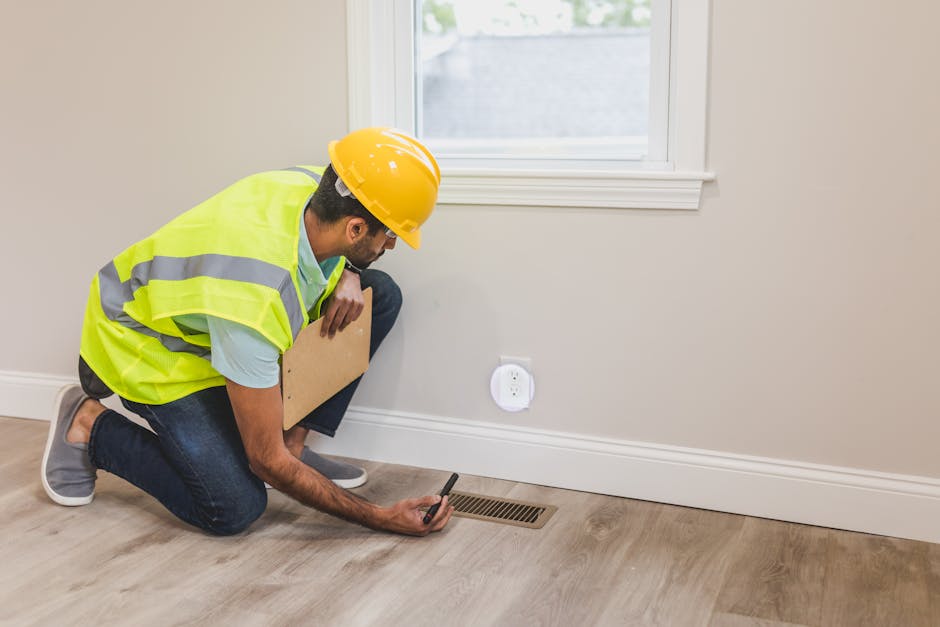
This positions Zone Air systems outside the true DIY sphere — homeowners will need the standard HVAC vacuum pumps and refrigerant gauges.
Senville
Senville occupies a niche between entry-level DIY and professional market segments. Some Senville models feature pre-charged quick connect lines, making them partially DIY-friendly, but many require traditional flare connections and professional handling.
If you’re a confident DIYer with a moderate level of technical skill and access to tools, Senville might straddle the line. However, true beginners should consider them semi-DIY, not fully plug-and-play.
Tools Usually Required When Installing Non-DIY Mini Split Systems
It’s helpful to understand what takes an installation from simple to technical:
Tool Purpose Needed for True DIY Quick Connect? Vacuum Pump Removes air, moisture, and contaminants from refrigerant lines before charging system No Refrigerant Gauges (Manifold Gauges) Monitor pressure of refrigerant during charging, leak testing, diagnostics No Torque Wrench Ensures flare fittings on refrigerant lines are tightened properly without leaks Yes (for flare systems) Pipe Cutter / Flaring Tool Set Used to custom cut and flare copper lines when using traditional connections Yes (flare systems) Quick-Connect Couplers Used on pre-charged line sets to enable contactless refrigerant connection Yes (on true DIY systems, included by manufacturer)
Understanding Efficiency Metrics: SEER2 and HSPF2
Energy efficiency standards for mini splits are evolving. The new SEER2 (Seasonal Energy Efficiency Ratio 2) and HSPF2 (Heating Seasonal Performance Factor 2) are updated rating metrics introduced by the U.S. Department of Energy to better reflect real-world performance, especially for heat pump heating.

While Mitsubishi Electric, Daikin, Fujitsu, and other premium brands lead in achieving high SEER2 and HSPF2 ratings, it’s good to compare these numbers alongside factors like:
- Cold climate performance
- Variable speed compressors for modulated heating and cooling
- Features such as enhanced defrost cycles and low ambient heating capability
The takeaway: Just because a system is a little easier to DIY doesn’t mean it matches the efficiencies and tech https://discountcleaners.net/is-a-multi-zone-mini-split-really-diy-or-do-i-need-an-hvac-tech/ in premium brands — particularly when you want excellent heat performance through cold winters.
Cold-Weather Heating Reality Checks
Homeowners often want mini splits for efficient heating during cold months. While many respected brands like Mitsubishi Electric and Daikin perform well down to 5°F or lower, some DIY-friendly models—especially entry-level pre-charged quick connect units—may have limited cold climate performance.
Reality check:
- True cold climate mini splits often include advanced compressor technology and outdoor coil defrost controls that less expensive or DIY-focused brands may lack.
- Homes in very cold zones might still need backup heat sources if the mini split can’t maintain set temps below a certain outdoor temperature.
- Carefully review product specs and cold climate certifications before choosing a primarily DIY model for winter heating needs.
Final Thoughts: Respect the Experts but Know Your Limits
If your priority is a high-performance, reliable mini split system like those offered by Mitsubishi Electric, Daikin, or Fujitsu, expect to either hire a pro or acquire the necessary HVAC tools and knowledge for installation. These brands are industry leaders known for longevity, energy efficiency, and trusted warranties, but they are not plug-and-play DIY systems.
For homeowners wanting a more straightforward installation process, brands like MrCool pioneer pre-charged quick connect systems that truly Go here empower DIY setups — but often at the cost of somewhat lower cold-weather capacity or advanced features.
Senville and Zone Air sit in the middle—respected brands that often require professional-level installation steps, making them less attractive for DIY novices.
In summary, when evaluating mini splits for DIY installation, ask yourself:
- Does the system use pre-charged quick-connect line sets, eliminating the need for a vacuum pump and refrigerant gauges?
- Am I prepared to handle refrigerant line evacuation and pressure testing if needed?
- What are my local climate heating needs, and can this system meet them?
- Are efficiency metrics like SEER2/HSPF2 in line with my energy savings goals?
Knowing the difference between respected brands that demand pro installations vs. true DIY ones can save you headaches and protect your home’s HVAC investment.

Public Last updated: 2026-08-18 12:07:47 AM