Stone Veneer vs Brick A Comprehensive Comparison
Introduction
Stone veneer and brick are two popular choices for exterior and interior design, providing a timeless and classic look to buildings. Both materials have their unique characteristics and advantages, making them suitable for different applications. In this article, we will explore the differences between stone veneer and brick, including their composition, installation process, maintenance requirements, durability, cost, and aesthetic appeal.
Composition
Stone veneer is a thin layer of natural or manufactured stone that is applied to a surface to replicate the appearance of solid stone. It is typically made from materials such as natural stone, cement, aggregates, and pigments, which are molded and textured to resemble the look of natural stone. Stone veneer comes in various shapes, sizes, colors, and textures, allowing for a wide range of design possibilities.
On the other hand, brick is a clay-based material that is fired in a kiln to create a hard and durable building material. Bricks are typically made from clay, shale, or a combination of both, along with additives such as sand and lime. Bricks come in different sizes, colors, and textures, depending on the manufacturing process and the specific materials used.
Installation Process
The installation process for stone veneer and brick differs significantly due to their composition and characteristics. Stone veneer is lightweight and can be easily installed using a mortar or adhesive on a variety of surfaces, such as wood, metal, or concrete. The installation of stone veneer typically involves preparing the surface, applying a moisture barrier, spreading mortar or adhesive, placing the stone veneer pieces, and grouting the joints.
Brick, on the other hand, is heavier and requires a more labor-intensive installation process. Bricks are usually laid in a specific pattern using mortar as the bonding agent. The installation of brick involves preparing the surface, laying a mortar bed, setting the bricks in place, leveling and aligning the bricks, and finishing the joints with mortar. The installation of brick requires skilled labor and is more time-consuming compared to stone veneer.
Maintenance Requirements
Both stone veneer and brick are relatively low-maintenance materials, but they require some care to preserve their appearance and durability. Stone veneer is susceptible to staining and discoloration if not properly sealed and maintained. It is essential to periodically clean and seal stone veneer to protect it from water infiltration, mold growth, and fading due to UV exposure.
Brick, on the other hand, is a durable and long-lasting material that requires minimal maintenance. However, look here may accumulate dirt, grime, and efflorescence over time, requiring occasional cleaning with a mild detergent and water. It is also recommended to inspect brick walls for cracks, mortar deterioration, and other signs of damage, which should be repaired promptly to prevent further deterioration.
Durability
When it comes to durability, both stone veneer and brick are known for their strength and longevity. Stone veneer is resistant to impact, weathering, and corrosion, making it a durable choice for exterior applications. However, stone veneer may be more prone to chipping, cracking, and discoloration compared to solid stone due to its thin profile.
Brick, on the other hand, is highly durable and can withstand extreme weather conditions, including high winds, rain, and temperature fluctuations. Bricks are fire-resistant and non-combustible, making them a safe choice for building exteriors. In terms of structural integrity, brick walls are known for their strength and stability, providing excellent support and insulation for buildings.
Cost
The cost of stone veneer and brick can vary depending on factors such as material quality, size, design, and installation complexity. Stone veneer is generally more expensive than brick due to the higher cost of materials, manufacturing processes, and installation labor. Natural stone veneer is the most expensive option, while manufactured stone veneer offers a more affordable alternative with a similar aesthetic appeal.
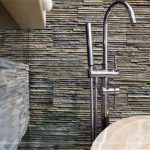
Brick, on the other hand, is a cost-effective building material that provides excellent value for money. Bricks are widely available, easy to manufacture, and relatively inexpensive compared to natural stone. The overall cost of a brick project will depend on the brick type, size, color, and pattern, as well as the complexity of the installation process.
Aesthetic Appeal
Both stone veneer and brick offer a timeless and classic look that adds character and charm to buildings. Stone veneer provides a luxurious and sophisticated appearance, with a wide range of colors and textures to choose from. Natural stone veneer offers a unique and authentic look, showcasing the beauty of natural stone formations. Manufactured stone veneer, on the other hand, provides a more affordable option with consistent quality and durability.
Brick, on the other hand, exudes a traditional and rustic charm that complements various architectural styles. Bricks come in a variety of colors, ranging from earthy reds and browns to subtle grays and whites, allowing for versatile design possibilities. The texture and pattern of brick walls can create a warm and inviting atmosphere, making them a popular choice for residential and commercial buildings.
Conclusion
In conclusion, both stone veneer and brick are excellent choices for building exteriors and interiors, each with its unique characteristics and advantages. Stone veneer offers a luxurious and elegant appearance, while brick provides a traditional and timeless look. When choosing between stone veneer and brick, consider factors such as composition, installation process, maintenance requirements, durability, cost, and aesthetic appeal to select the material that best suits your design preferences and budget. Whether you opt for the natural beauty of stone veneer or the classic charm of brick, both materials will enhance the visual appeal and durability of your building for years to come.
Stone veneer and brick are two popular choices for exterior and interior design, providing a timeless and classic look to buildings. Both materials have their unique characteristics and advantages, making them suitable for different applications. In this article, we will explore the differences between stone veneer and brick, including their composition, installation process, maintenance requirements, durability, cost, and aesthetic appeal.
Composition
Stone veneer is a thin layer of natural or manufactured stone that is applied to a surface to replicate the appearance of solid stone. It is typically made from materials such as natural stone, cement, aggregates, and pigments, which are molded and textured to resemble the look of natural stone. Stone veneer comes in various shapes, sizes, colors, and textures, allowing for a wide range of design possibilities.
On the other hand, brick is a clay-based material that is fired in a kiln to create a hard and durable building material. Bricks are typically made from clay, shale, or a combination of both, along with additives such as sand and lime. Bricks come in different sizes, colors, and textures, depending on the manufacturing process and the specific materials used.
Installation Process
The installation process for stone veneer and brick differs significantly due to their composition and characteristics. Stone veneer is lightweight and can be easily installed using a mortar or adhesive on a variety of surfaces, such as wood, metal, or concrete. The installation of stone veneer typically involves preparing the surface, applying a moisture barrier, spreading mortar or adhesive, placing the stone veneer pieces, and grouting the joints.
Brick, on the other hand, is heavier and requires a more labor-intensive installation process. Bricks are usually laid in a specific pattern using mortar as the bonding agent. The installation of brick involves preparing the surface, laying a mortar bed, setting the bricks in place, leveling and aligning the bricks, and finishing the joints with mortar. The installation of brick requires skilled labor and is more time-consuming compared to stone veneer.
Maintenance Requirements
Both stone veneer and brick are relatively low-maintenance materials, but they require some care to preserve their appearance and durability. Stone veneer is susceptible to staining and discoloration if not properly sealed and maintained. It is essential to periodically clean and seal stone veneer to protect it from water infiltration, mold growth, and fading due to UV exposure.
Brick, on the other hand, is a durable and long-lasting material that requires minimal maintenance. However, look here may accumulate dirt, grime, and efflorescence over time, requiring occasional cleaning with a mild detergent and water. It is also recommended to inspect brick walls for cracks, mortar deterioration, and other signs of damage, which should be repaired promptly to prevent further deterioration.
Durability
When it comes to durability, both stone veneer and brick are known for their strength and longevity. Stone veneer is resistant to impact, weathering, and corrosion, making it a durable choice for exterior applications. However, stone veneer may be more prone to chipping, cracking, and discoloration compared to solid stone due to its thin profile.
Brick, on the other hand, is highly durable and can withstand extreme weather conditions, including high winds, rain, and temperature fluctuations. Bricks are fire-resistant and non-combustible, making them a safe choice for building exteriors. In terms of structural integrity, brick walls are known for their strength and stability, providing excellent support and insulation for buildings.
Cost
The cost of stone veneer and brick can vary depending on factors such as material quality, size, design, and installation complexity. Stone veneer is generally more expensive than brick due to the higher cost of materials, manufacturing processes, and installation labor. Natural stone veneer is the most expensive option, while manufactured stone veneer offers a more affordable alternative with a similar aesthetic appeal.
Brick, on the other hand, is a cost-effective building material that provides excellent value for money. Bricks are widely available, easy to manufacture, and relatively inexpensive compared to natural stone. The overall cost of a brick project will depend on the brick type, size, color, and pattern, as well as the complexity of the installation process.
Aesthetic Appeal
Both stone veneer and brick offer a timeless and classic look that adds character and charm to buildings. Stone veneer provides a luxurious and sophisticated appearance, with a wide range of colors and textures to choose from. Natural stone veneer offers a unique and authentic look, showcasing the beauty of natural stone formations. Manufactured stone veneer, on the other hand, provides a more affordable option with consistent quality and durability.
Brick, on the other hand, exudes a traditional and rustic charm that complements various architectural styles. Bricks come in a variety of colors, ranging from earthy reds and browns to subtle grays and whites, allowing for versatile design possibilities. The texture and pattern of brick walls can create a warm and inviting atmosphere, making them a popular choice for residential and commercial buildings.
Conclusion
In conclusion, both stone veneer and brick are excellent choices for building exteriors and interiors, each with its unique characteristics and advantages. Stone veneer offers a luxurious and elegant appearance, while brick provides a traditional and timeless look. When choosing between stone veneer and brick, consider factors such as composition, installation process, maintenance requirements, durability, cost, and aesthetic appeal to select the material that best suits your design preferences and budget. Whether you opt for the natural beauty of stone veneer or the classic charm of brick, both materials will enhance the visual appeal and durability of your building for years to come.

Public Last updated: 2025-03-21 05:26:25 AM