What Does Holistic Wellbeing Mean in Plain English?
If you have been paying attention to the wellness industry in the UK over the last ten years, you have probably noticed a seismic shift. A decade ago, "wellbeing" was often synonymous with overpriced yoga retreats, cold-pressed green juices that tasted like lawn clippings, and the vague promise that if you just manifested harder, your life would be perfect. It felt like a performance—something designed for Instagram rather than for human beings dealing with 9-to-5 jobs, the rising cost of living, and the general messiness of existing in the 2020s.
As an editor who spends her days interviewing nutritionists, Pilates instructors, and clinical leads, I have seen the fatigue set in. People don't want "extreme wellness." They don't want to overhaul their entire life in 24 hours. They are tired of buzzwords that mean nothing and everything all at once. What I hear, over and over, is a desire for something grounded, sustainable, and, frankly, accessible.
When we talk about the holistic wellbeing definition, we aren't talking about magic. We are talking about recognizing that you are not a collection of parts—you are a whole person. Your sleep affects your stress, your stress affects your digestion, and your emotional health is inextricably linked to your physical resilience. That is what an integrated health approach is really about: stopping the practice of treating your body like a car where you just swap out the tires and hope the engine doesn't blow up.
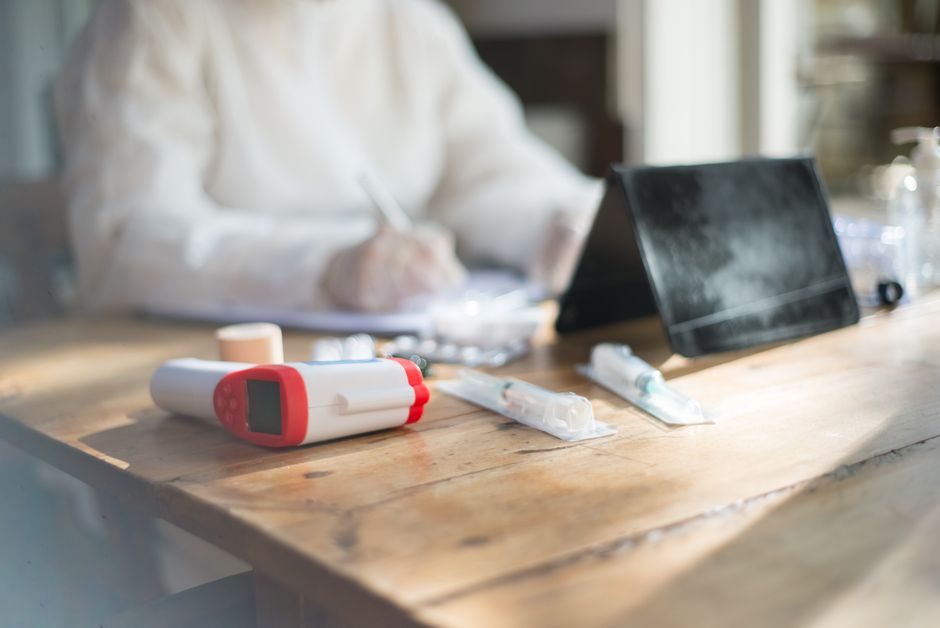
The Evolution of UK Wellness: From Fads to Real Life
Let’s be honest: the wellness culture of 2014 was exhausting. It promised health outcomes that were often scientifically dubious and financially ruinous. If you didn't have a morning routine that took two hours, you were "doing it wrong."
Today, the conversation has matured. We are moving away from "one-size-fits-all" advice. We are acknowledging that a high-intensity interval training (HIIT) class might be the absolute worst thing for someone who is already suffering from chronic burnout, even if a fitness influencer says it’s the "key to vitality." Personalization is the new standard. Your routine should be as unique as your blood work and your schedule.
My favorite metric for judging a new "wellness trend" is what I call the "Tuesday Test." I always ask: "What does this look like on a Tuesday?" If you’re exhausted, it’s raining, you have a deadline at 4:00 PM, and your kids (or your dog) are acting out—does this wellness habit actually help you? If the answer is "no," or if it creates more stress, throw it out. True wellbeing is about what survives the chaos of a normal week, not what you can only sustain on a quiet Sunday morning.
The Integrated Health Approach: Mind, Body, and Lifestyle Habits
So, what are mind body lifestyle habits that actually move the needle? It isn't about expensive superfoods. It’s about the pillars that keep the house standing. When I look at my notes—specifically the list on my phone titled "things that actually helped"—the items are never flashy.
An integrated approach looks at these four pillars:
- Emotional Regulation: Not "staying positive" 24/7, but having tools for when you’re overwhelmed.
- Restorative Sleep: Treating sleep like a non-negotiable medical appointment rather than a luxury.
- Movement for Function: Moving because it clears your head or helps your back, not to punish your body.
- Nutrition as Fuel: Eating to sustain your energy levels throughout the day, not to fit into a specific dress size.
Comparing Old Wellness vs. Modern Integrated Health Feature "Extreme" Wellness (The Past) Integrated Wellbeing (The Future) Consistency All-or-nothing approach Sustainable, imperfect progress Consultation Influencer "gurus" Qualified professionals/clinicians Accessibility Expensive, niche products Tech-enabled, inclusive, flexible Goal Perfection/Aesthetic Functionality/Longevity
The Role of Modern Tech: Telehealth and Remote Consultations
One of the best things to happen to the UK health landscape is the normalization of digital access. Ten years ago, if you wanted a specialist opinion, you were looking at waiting rooms, travel time, and mountains of paperwork. Today, telehealth and remote consultations have changed the game for busy adults.
These tools are a cornerstone of modern holistic health. If you are struggling with burnout or persistent sleep issues, you don't always need to rearrange your entire week to see a doctor. Remote consultations allow for a preliminary conversation where you can discuss your health history, get advice on blood tests, or even discuss managing chronic stress without the logistical nightmare of a physical clinic visit.
However—and this is a big one—I am very critical of medical advice that sounds too good to be true. If you are reading about health trends involving controlled substances, for example, please remember that in the UK, medical cannabis is strictly regulated. It requires a specialist prescription and a proper medical diagnosis. Never take wellness advice from a social media post that tells you to bypass the legal or medical route. A true "holistic" approach always respects the boundaries of licensed medicine.

The "Things That Actually Helped" List
As I promised, here is the breakdown from my phone list. These are habits that pass the "Tuesday Test." They are boring, they are effective, and they don't promise you’ll live forever, but they might make your life feel a bit more manageable.
- The "Brain Dump" Journal: Every Tuesday night, I spend five minutes writing down every task I’m stressed about. Getting it out of my head and onto paper lowers my cortisol immediately.
- Standardized Sleep Times: Not waking up at 5:00 AM for a workout if it means you get four hours of sleep. Protecting that seven-to-eight-hour block is the single best "wellness" hack in existence.
- Micro-movements: If you work at a desk, a 5-minute stretch every two hours is better for your back than a grueling 60-minute gym session once a week that leaves you immobile for three days.
- Setting Boundaries with Tech: Turning off work notifications on your phone at 7:00 PM. No buzzword can replace the power of a digital "off" switch.
- Professional Help over Self-Diagnosis: If you feel like your "lifestyle" isn't fixing your energy or mood, booking a remote consultation to discuss potential nutrient deficiencies or hormonal imbalances.
Stress, Burnout, and the Myth of Resilience
We often treat burnout as a personal failing—as if we just didn't "self-care" hard enough. That is a dangerous lie. Burnout is often a systemic issue, not a personal one. Holistic wellbeing doesn't mean you can magically handle a toxic workplace or a crushing load by drinking more herbal tea. It means you have the self-awareness to recognize when you are hitting a wall and the agency to use telehealth or professional support to address the physical symptoms before they become clinical issues.
When you prioritize your wellbeing, you are essentially building a buffer. You are making sure that when life inevitably throws a wrench in the works, you don't shatter. That’s all this is. It isn't a performance. It isn't a way to become "the best version of yourself." It’s just a way to keep showing up for the people and the work you love, without ending the week completely depleted.
Final Thoughts: Keep It Simple
If there is one takeaway, it’s this: stop looking for the "secret" to wellness. If someone is selling you a "secret," they are selling you a lie. The holistic wellbeing definition is simply the practice of paying attention to the signals your body and mind are sending you and responding journaling for anxiety with practical, sustainable care.
Next time you see a post about a new "miracle" routine, pause. Ask yourself: Does this help me on a Tuesday? If the answer is no, close the tab, drink a glass of water, and move on. The most integrated, healthy version of your life isn't hidden in a supplement bottle or a 30-day challenge. It’s found in the small, boring, consistent choices you make every single day. That is the only wellness that actually lasts.
Are you looking to start your own integrated health journey? Remember to always consult with a GP or a registered professional before making major changes to your routine. Your health is the one thing you shouldn't be experimenting on alone.
Public Last updated: 2026-06-03 03:11:27 AM