How to Choose an Ethical Orangutan Tour Operator in Borneo

Choosing the right orangutan tour operator in Borneo can be a challenging task for travelers who want to support conservation efforts and ensure animal welfare. The question of how to choose an ethical orangutan tour operator in Borneo is crucial for anyone seeking a responsible wildlife experience. Navigating the complexities of tourism, sustainability, and local regulations requires careful analysis and informed decision-making.
Many tourists unknowingly contribute to harmful practices when selecting their tours, often due to lack of transparency or misleading marketing. This article will explore common challenges travelers face, identify the root causes behind unethical operations, and provide clear steps to avoid pitfalls. By focusing on practical troubleshooting and problem-solving, readers can confidently select a tour operator that respects both the orangutans and their habitat.
Identifying Challenges in Ethical Orangutan Tourism
Recognizing Unethical Practices in the Industry
One major challenge is distinguishing genuine conservation efforts from exploitative tourism. Some operators prioritize profit over the well-being of orangutans, leading to overcrowding, inappropriate interactions, and habitat disturbance. These unethical practices can stress wildlife and ultimately harm conservation goals.
Additionally, misleading advertising often masks poor animal welfare standards. Tourists might encounter operators that allow close contact or feeding, which disrupts natural behaviors and can increase disease transmission. Recognizing these red flags is essential for making ethical choices.
Root Causes Behind Unethical Tour Operations
Understanding why unethical practices occur helps travelers avoid them. Often, operators lack proper permits or training on wildlife management. In some cases, local enforcement is weak, allowing harmful activities to persist unchecked. Poverty and limited community resources may also push some operators to prioritize short-term income over sustainability.
Moreover, the complexity of managing protected areas and the demand for tourism can create conflicts. Without strict guidelines and monitoring, operators may inadvertently or deliberately engage in practices that undermine conservation efforts. Identifying these root causes clarifies why not all tours are created equal.
Common Mistakes Tourists Make When Choosing Tours
Travelers frequently fall into traps such as booking the cheapest option or relying solely on online reviews. Price-driven decisions can support operators who cut corners on ethical standards. Similarly, reviews may be biased or manipulated, failing to reflect the true environmental impact of a tour.
Another mistake is neglecting to research the operator’s conservation commitments or affiliations. Without verifying credentials, tourists risk supporting ventures that harm orangutans and their habitats. Recognizing these mistakes is the first step toward responsible selection.
Key Criteria to Evaluate an Ethical Orangutan Tour Operator
Assessing Conservation and Welfare Commitments
Ethical operators demonstrate clear dedication to orangutan welfare and habitat preservation. They often partner with conservation organizations or participate in rehabilitation programs. A commitment to minimizing human-wildlife interaction and avoiding feeding or touching orangutans is a positive indicator of responsible practices.
Transparency about their methods and goals is also important. Operators should openly share how they support local communities, fund conservation, and comply with wildlife protection laws. This openness builds trust and confirms their ethical intentions.
Evaluating Tour Practices and Visitor Impact
How a tour is conducted reveals much about its ethical standing. Group sizes should be limited to reduce stress on animals and habitat. Tours typically avoid direct contact and maintain safe viewing distances, respecting orangutans’ natural behaviors.
Transport methods and accommodations also matter. Sustainable options like low-impact river cruising or eco-friendly lodges help preserve the surrounding rainforest. Responsible waste management and cultural sensitivity further demonstrate an operator’s holistic approach to ethical tourism.
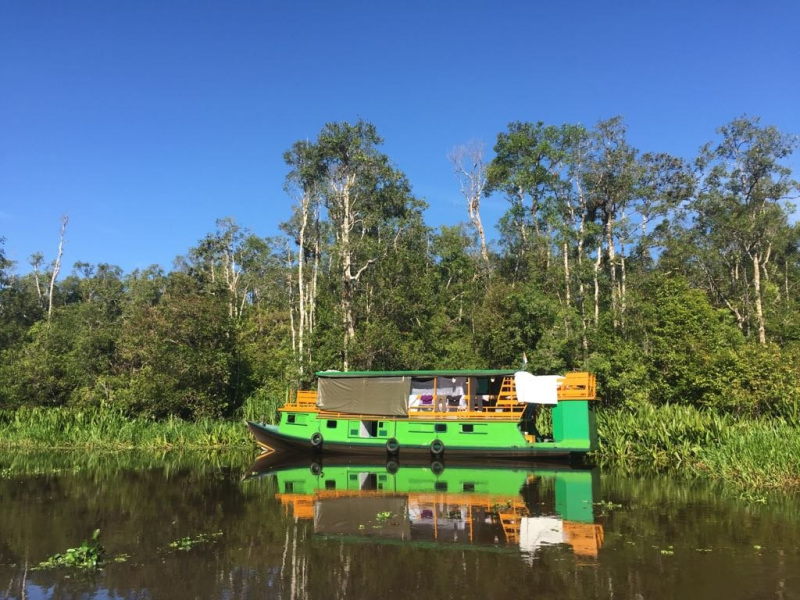
For example, visitors interested in river-based tours can opt for operators offering traditional Klotok houseboats that prioritize environmental care and support local livelihoods. Choosing such tours helps protect delicate ecosystems while providing immersive wildlife experiences.
Travelers seeking a reliable orangutan tour should inquire specifically about these operational details to ensure minimal disturbance and maximal conservation benefit.
Verifying Credentials and Partnerships
Checking Licenses and Government Approvals
Legitimate operators hold the necessary permits from Indonesian authorities to conduct wildlife tours. Verification can be done through official tourism boards or conservation agencies. Lack of proper licensing is a warning sign of unregulated practices that may harm orangutans or their environment.
Tourists should request documentation or confirmation of compliance with national park regulations. This step helps avoid support for illegal or damaging activities and ensures alignment with protected area management goals.
Identifying Collaboration with Conservation Projects
Operators engaged with established conservation projects demonstrate responsibility beyond profit. Collaborations with research centers, rehabilitation facilities, or forest conservation initiatives indicate a commitment to preserving Borneo’s biodiversity. These partnerships often enhance the quality and ethical standards of the tour.
For instance, tours that contribute to forest conservation in Tanjung Puting support vital habitat protection efforts while educating visitors on the challenges orangutans face. Such affiliations provide confidence in the operator’s dedication to sustainability.
Seeking Independent Reviews and Expert Recommendations
Reputable conservation groups and wildlife experts often publish guidance on ethical tour operators. Consulting these sources helps avoid biased or promotional content. Independent reviews from travelers who prioritize sustainability can also offer valuable insights.
However, discerning the authenticity of reviews is important. Cross-referencing multiple sources and looking for detailed feedback on animal welfare and environmental impact improves decision accuracy. Tourists should favor operators consistently praised for ethical standards.
Practical Steps to Avoid Common Pitfalls
Asking the Right Questions Before Booking
Inquiring directly about an operator’s policies helps clarify ethical practices. Questions about how they manage orangutan interactions, group sizes, and waste disposal reveal their priorities. Responsible operators welcome such scrutiny and provide detailed answers.
Travelers should also ask about community involvement and how tour fees support conservation. Transparent communication before booking prevents unpleasant surprises and supports informed choices aligned with ethical values.
Recognizing Greenwashing and Marketing Traps
Some operators use environmental buzzwords without meaningful action. Identifying greenwashing requires attention to concrete evidence of conservation efforts rather than vague claims. Visitors can request proof of donations, certifications, or documented impact.
Marketing materials emphasizing close contact or “selfies” with orangutans often signal unethical operations. Ethical tours prioritize the animals’ welfare over tourist entertainment, avoiding such exploitative promotions.
Preparing for a Responsible Tour Experience
Once an ethical operator is selected, visitors should follow guidelines during the tour to minimize disturbance. Maintaining quiet, respecting viewing distances, and not feeding wildlife are essential behaviors. These actions reinforce the operator’s efforts and protect orangutans in their natural environment.
Travelers can also contribute to long-term conservation by supporting local initiatives and sharing responsible tourism practices with others. This proactive approach extends the benefits of ethical tourism beyond the immediate visit.
Planning excursions along the Sekonyer River offers a balanced chance to observe orangutans while supporting sustainable tourism models that prioritize ecosystem health and community welfare.
Building Sustainable Support for Orangutans and Their Habitat
Engaging with Local Communities
Ethical operators work closely with local people, ensuring tourism benefits flow to those protecting the forest. This collaboration fosters stewardship and reduces pressures like illegal logging or hunting. Supporting community-led initiatives strengthens conservation outcomes.
Tourists should inquire about how operators involve local guides, artisans, or conservation workers. Meaningful community engagement signals a long-term commitment to preserving Borneo’s orangutans and culture.
Contributing to Conservation Beyond the Tour
Many tour operators allocate a portion of proceeds to rehabilitation centers or habitat restoration. Travelers can amplify their impact by donating to reputable organizations or volunteering. These actions reinforce ethical tourism’s role in safeguarding endangered species.
Choosing tours aligned with broader conservation strategies ensures that visits are not isolated experiences but part of an ongoing effort. This approach helps maintain the delicate balance between tourism and wildlife survival.
Promoting Awareness and Advocacy
Sharing knowledge about ethical orangutan tourism encourages responsible behavior among future visitors. Educated travelers act as advocates, demanding higher standards and supporting better policies. This ripple effect is essential to preventing future challenges.
Visitors can also engage in educational programs offered by operators or conservation groups. These experiences deepen understanding of Borneo’s biodiversity and the urgent need for protection.
Securing Lasting Outcomes for Ethical Orangutan Tourism
How to choose an ethical orangutan tour operator in Borneo hinges on informed, conscientious decisions that address common pitfalls and root causes of unethical practices. By evaluating conservation commitments, verifying credentials, and engaging in responsible behaviors, travelers can support tours that truly benefit orangutans and their habitat.
Taking proactive steps before and during a tour prevents harm to these endangered primates and promotes sustainable tourism models. Long-term success depends on continuous community involvement, transparent partnerships, and ongoing education. This comprehensive approach ensures that orangutan tours provide meaningful, ethical experiences while contributing to the survival of Borneo’s unique wildlife.
Making these choices not only enriches the visitor’s experience but also secures a future where orangutans thrive in their natural environment, supported by a tourism industry that respects both nature and local communities.
VARADA BORNEO
Orangutan Tour Operator & DMC
JL. Ahmad Yani RT.27 kel. Baru kec. Arut selatan, Pangkalan Bun. Central Borneo -Indonesia
Mobile / Whatsapp : +62 8538 999 6660
info@varadaborneotour.com
varadaborneotour@gmail.com
Map: https://maps.app.goo.gl/dCAknVGoj1zbtkAg8
Public Last updated: 2026-11-18 02:18:47 AM