Does Lactic Acidosis Increase the Anion Gap?
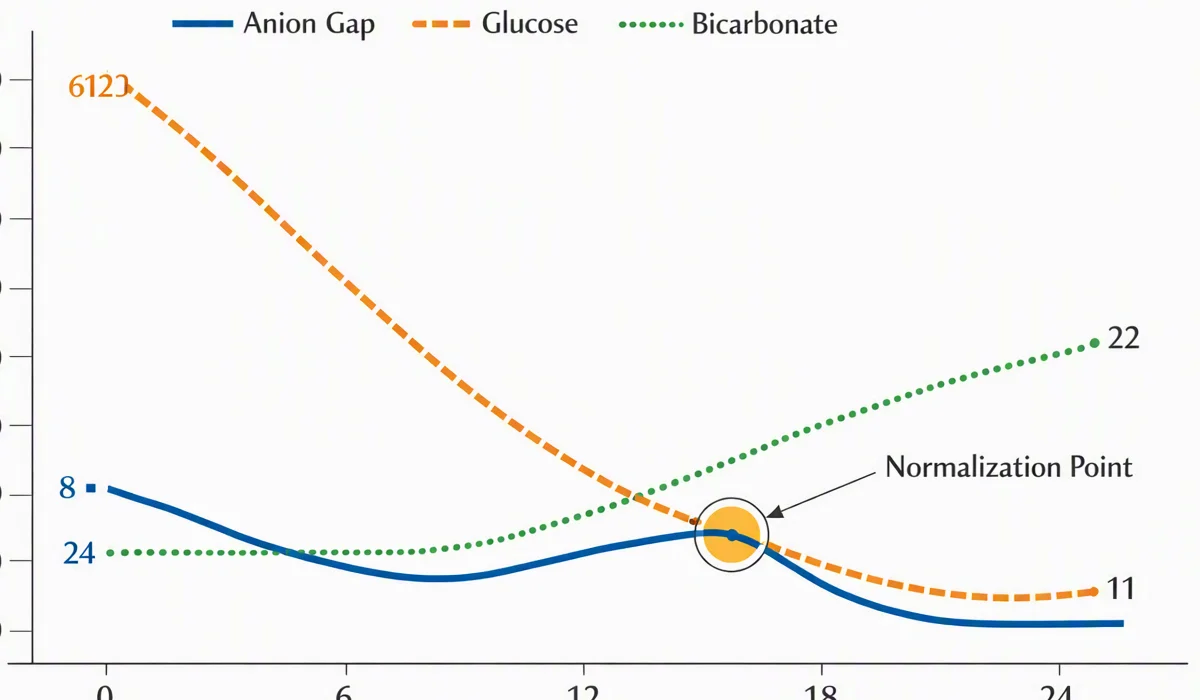
How is defined the Anion Gap?
The anion gap is a calculated value used to help assess acid-base balance and find hidden causes of metabolic acidosis. It is not directly tested; instead, it is derived from standard serum electrolytes on a standard chemistry test. The most common version of the calculation uses serum sodium, serum chloride, and serum bicarbonate.
Clinicians use the anion gap to check for changes in unmeasured anions in the blood. These are ions that are present but not included in the routine electrolyte panel. When unmeasured acids accumulate, the gap often increases, signaling a form of high anion gap metabolic acidosis. That makes the anion gap a useful screening tool for diagnosing metabolic derangement and narrowing the source of an acid-base problem.
In simple terms, the calculation compares the positive sodium against the negative chloride and bicarbonate. A decreased bicarbonate level or a rise in other acidic substances can shift the balance. Because the formula depends on laboratory values from an electrolyte panel, interpretation should always consider the full serum chemistry picture, not one number alone.
The expected reference range can vary depending on the laboratory and the calculation method. Some labs also report an adjusted value if albumin is low, since albumin is a major unmeasured anion. This is why the anion gap is best viewed as a clinical tool for diagnostic interpretation, rather than a standalone diagnosis.
How Lactate Acidosis Affects the Anion Gap
Lactic acidosis is a common cause of acid-base acidosis with a elevated anion gap. It happens when the lactate accumulates faster than the body can clear it, usually because oxygen delivery or handling is impaired, or because lactate production is higher. As lactate rises, it acts as one of the acidic compounds contributing to the acid load.
Why does the gap widen? The answer lies in buffering and electrical balance. When acids build up, bicarbonate is consumed as the body tries to buffer the excess hydrogen ions. At the same time, the accompanying anions from the acid, including lactate, remain in circulation. These extra anions are part of the pool of uncounted anions, so the calculated anion gap widens.
This is why elevated lactate is commonly associated with high anion gap metabolic acidosis. In practical terms, if a patient has a low bicarbonate on the metabolic panel and the anion gap is above the expected range, lactic acidosis is one major possibility. The presence of high lactate supports that interpretation, but the full clinical context still matters.
In many cases, lactic acidosis reflects poor oxygen delivery at the tissue level. Cellular hypoxia, reduced blood flow to tissues, and increased anaerobic metabolism all contribute to lactate accumulation. The result is a metabolic shift that can be seen in the blood gas and in routine laboratory values. The pattern often points toward a broader physiologic problem, not just a single abnormal number.
For that reason, an anion gap change is often a clue rather than the entire answer. The gap helps anion gap clinical significance confirm that there is an acid burden from unmeasured acids, while the lactate level helps identify whether lactate is the main driver.
Could Lactic Acidosis Always Cause a High Anion Gap?
No, it does not. While lactic acidosis commonly causes a high gap, it does not always do so. A patient may have lactate elevation with a normal anion gap under certain conditions. That is one reason clinicians should not rely on the anion gap alone to rule in or rule out lactic acidosis.
One explanation is timing. Early in the process, the chemistry may not yet fully reflect the acid load. Another reason is that the total change in measured ions may be blunted by other concurrent abnormalities. A patient with a mixed acid-base disorder may have simultaneous processes that mask the expected pattern. For example, metabolic acidosis may coexist with metabolic alkalosis, making the anion gap appear smaller than expected.
Albumin is another key factor. Since albumin is an important unmeasured anion, low albumin can make the anion gap appear falsely normal or only mildly elevated. This is why albumin correction matters. If albumin is reduced, the corrected anion gap may better reflect the true burden of unmeasured acids.
A patient can also have lactic acidosis and still show a normal anion gap if the bicarbonate and chloride changes counteract the expected rise. That can happen in complex clinical states or when there is a mixed acid-base disorder. So while lactic acidosis is closely associated with high anion gap metabolic acidosis, the absence of a high gap does not completely exclude it.
In short, the anion gap is a useful clue, but it must be interpreted alongside the lactate level, albumin status, blood gas results, and the overall clinical assessment.
How to Use an Anion Gap Calculator
An Anion Gap Calculator makes easier the anion gap calculation by leveraging the numbers already present on an electrolyte panel. In most cases, you enter serum sodium, serum chloride, and serum bicarbonate. The calculator then estimates the gap and matches it with the expected reference range.
This is useful because the calculation is easy to overlook during a busy metabolic panel review. The calculator helps accelerate clinical interpretation and reduces the chance of arithmetic errors. It can also help determine whether the pattern fits metabolic acidosis with increased unmeasured anions.
When using the tool, check the exact lab values and whether the calculator includes albumin correction. If albumin is low, the uncorrected gap may downplay the problem. Correcting for albumin enhances interpretation, especially when looking for occult high anion gap metabolic acidosis.
A practical approach is:
- Examine the electrolyte panel for sodium, chloride, and bicarbonate.
- Compute the anion gap using the Anion Gap Calculator.
- Assess the result with the lab’s reference range.
- Check whether albumin is low and apply albumin correction if needed.
- Use the result with other laboratory values for diagnostic interpretation.
A calculator is most useful when paired with the broader picture: the patient’s symptoms, vital signs, blood gas, lactate, and other serum chemistry findings. The numbers support the reasoning, but they do not replace clinical assessment.
Common Causes of Increased Anion Gap Apart From Lactic Acidosis
Although lactic acidosis is a common cause of elevated anion gap, it is not the only one. Various other conditions create organic acids or further increase unmeasured anions in the blood. A careful differential diagnosis is essential when interpreting a high gap.
An important category is ketoacidosis. This includes diabetic ketoacidosis, alcoholic ketoacidosis, and starvation-related ketoacidosis. In these settings, ketone bodies accumulate and produce an acid burden similar to lactate-related acidosis. The result is often a form of high anion gap metabolic acidosis.
Renal failure is another frequent cause. When kidney function declines, the body cannot clear acid effectively, and retained acids contribute to a widening gap. This is part of a wider metabolic derangement that may also involve other electrolyte shifts and impaired buffering.
Toxins and toxic alcohols are also important considerations. Ingestions involving substances such as methanol can produce dangerous acid-base disturbances. These cases may present with severe metabolic acidosis and a significantly elevated gap, often requiring urgent intervention. Since toxic alcohols can be life-threatening, they should be considered whenever the clinical picture and laboratory values are concerning.
Additional causes may include salicylates and certain inborn errors of metabolism, but the key point is that an elevated gap points to a category of problems, not just one diagnosis. That is why the pattern should be interpreted in context, especially when lactate is only mildly elevated or when another process is clearly present.
When Lactic Acidosis May Not Be the Only Problem
Frequently, lactic acidosis is not the entire explanation. It may be accompanied by other drivers of acidosis or overlap with conditions that worsen the overall acid-base balance. In patients with critical illness, this overlap is frequent and can make the laboratory pattern more complex.
Sepsis is a major example. In sepsis, infection can cause inflammation, impaired circulation, and metabolic stress. The result may be elevated lactate, but also other abnormalities that affect acid-base changes. The combination of infection and poor oxygen delivery can worsen tissue perfusion and intensify lactate accumulation.
Hypoperfusion and shock are especially important because they directly reduce oxygen delivery to tissues. When cells cannot access enough oxygen, they shift toward anaerobic metabolism, increasing lactate production. In shock states, the anion gap may rise as part of a broader syndrome of circulatory failure and metabolic disturbance.
At the same time, a patient may have a mixed acid-base disorder. For example, vomiting, diuretic use, respiratory changes, or renal compensation can alter the expected response. This can make the anion gap less straightforward to anion gap meaning assess. A patient may have both an elevated lactate and another acid-base process that partially offsets the expected laboratory changes.
Because of this complexity, the best approach is to integrate the anion gap with the clinical picture, the metabolic panel, the lactate level, and the blood gas. That combined approach helps identify the dominant etiology and avoids missing multiple overlapping problems.
A normal or borderline gap does not always mean lactate is unimportant, and a high gap does not automatically prove lactic acidosis. The full pattern matters.
Frequently Asked Questions
Does lactic acidosis elevate the anion gap?
It can. Lactic acidosis frequently elevates the anion gap since lactate is an unmeasured anion that rises during metabolic acidosis. As bicarbonate is depleted during buffering, the gap usually grows, resulting in high anion gap metabolic acidosis. Still, the final result depends on the full laboratory picture and clinical context.
Will every patient with lactic acidosis show a high anion gap?
Not always. Some patients with lactic acidosis can have a normal anion gap, particularly when there is a mixed acid-base disorder, low albumin, or early disease before the chemistry fully changes. That is why the gap should be interpreted alongside the lactate level and other laboratory values.
How is the Anion Gap Calculator used?
An Anion Gap Calculator takes the values from an electrolyte panel, usually serum sodium, serum chloride, and serum bicarbonate. It calculates the anion gap calculation and compares the result with the expected reference range. Some tools also offer albumin correction to support more accurate interpretation.
Besides lactic acidosis, what can cause a high anion gap?
Common causes include ketoacidosis, renal failure, and toxic alcohols such as methanol. Other toxins and organic acids can also raise the gap. The anion gap is meant to help narrow the differential, not to name a single diagnosis alone.
When should albumin be considered when interpreting the anion gap?
Albumin should be considered whenever it is low or suspected to be low, because it is a major unmeasured anion. Low albumin can make the gap appear normal even when acids are present. Using albumin correction helps with clinical interpretation, particularly in patients with severe illness, sepsis, or other causes of altered serum chemistry.
Public Last updated: 2026-09-02 04:07:53 AM