Diesel Generator for Islanding Operation Ensuring Reliable Power Supply in Remote Areas
Introduction
In remote areas where a stable grid connection is not always guaranteed, diesel generators play a crucial role in providing power supply. One key application of diesel generators in such scenarios is islanding operation, where the generator operates independently from the main grid to ensure continuous power supply. This article will delve into the intricacies of diesel generators for islanding operation, exploring their design, operation, advantages, and considerations for optimal performance.
Understanding Islanding Operation
Islanding operation refers to the ability of a generator to operate independently from the main grid in case of a grid outage. This feature is essential in remote areas or in critical facilities where uninterrupted power supply is crucial. During islanding operation, the diesel generator automatically detects the grid failure and switches to standalone mode to continue supplying power to connected loads.
Diesel generators are well-suited for islanding operation due to their reliability, robustness, and ability to provide continuous power for extended periods. These generators are commonly used in off-grid locations such as islands, remote villages, telecommunications towers, and critical infrastructure facilities.
Design Considerations for Islanding Operation
Designing a diesel generator system for islanding operation requires careful consideration of various factors to ensure reliable performance. Some key design considerations include:
1. Generator Sizing: Proper sizing of the generator is essential to meet the power requirements of the connected loads during islanding operation. The generator should be sized to handle both the steady-state and transient loads to maintain system stability.
2. Fuel Storage: Diesel generators require a constant supply of fuel to operate, especially during islanding mode. Sufficient fuel storage capacity should be available on-site to ensure continuous operation for an extended period in case of prolonged grid outages.
3. Control System: The control system of the diesel generator plays a critical role in detecting grid failures, initiating the islanding sequence, and ensuring seamless transition to standalone mode. Advanced control systems with built-in protection features are essential for reliable islanding operation.
4. Grid Connection Protection: To prevent backfeeding of power into the grid during islanding operation, appropriate protection measures such as synchronizing relays and anti-islanding protection devices should be implemented.
Operation of Diesel Generators in Islanding Mode
When a grid failure occurs, the diesel generator automatically switches to islanding mode to maintain power supply to critical loads. The operation of the generator in islanding mode involves several key steps:
1. Grid Detection: The generator control system monitors the grid parameters continuously. In case of a grid failure or disturbance, the control system detects the abnormal grid conditions and initiates the islanding sequence.
2. Islanding Sequence: Upon detecting a grid failure, the generator synchronizes its output with the loads and switches to standalone mode. The generator then starts supplying power to the connected loads without relying on the grid.
3. Load Shedding: In some cases where the generator capacity is limited, load shedding may be implemented to prioritize critical loads and ensure efficient use of available power.
4. Re-Synchronization: Once the grid power is restored, the generator goes through a re-synchronization process to synchronize its output with the grid before transferring the loads back to the grid supply.
Advantages of Diesel Generators for Islanding Operation
Diesel generators offer several advantages for islanding operation, making them a popular choice for off-grid applications. Some of the key advantages include:
1. Reliability: Diesel generators are known for their reliability and robustness, making them well-suited for providing continuous power supply during grid outages.
2. Fast Start-up Time: Diesel generators have a quick start-up time, allowing them to respond rapidly to grid failures and ensure minimal downtime for connected loads.
3. Fuel Efficiency: Diesel generators are relatively fuel-efficient, providing cost-effective power generation for extended periods during islanding operation.
4. Versatility: Diesel generators can be easily integrated with renewable energy sources such as solar or wind power to create hybrid power systems for improved reliability and sustainability.
Considerations for Optimal Performance
To ensure optimal performance of diesel generators in islanding operation, several considerations should be taken into account:
1. Regular Maintenance: Regular maintenance and servicing of the generator are essential to ensure reliable operation and extend the lifespan of the equipment.
2. Fuel Quality: The quality of fuel used in the generator can impact its performance and efficiency. Proper fuel filtration and storage practices should be followed to maintain fuel quality.
3. Monitoring and Control: Continuous monitoring of the generator parameters and control system is crucial to detect any anomalies or deviations from normal operation and take corrective actions promptly.
4. Training and Support: Proper training of personnel responsible for operating and maintaining the generator is essential to ensure safe and efficient operation. Access to technical support and troubleshooting resources is also important for addressing any issues that may arise.
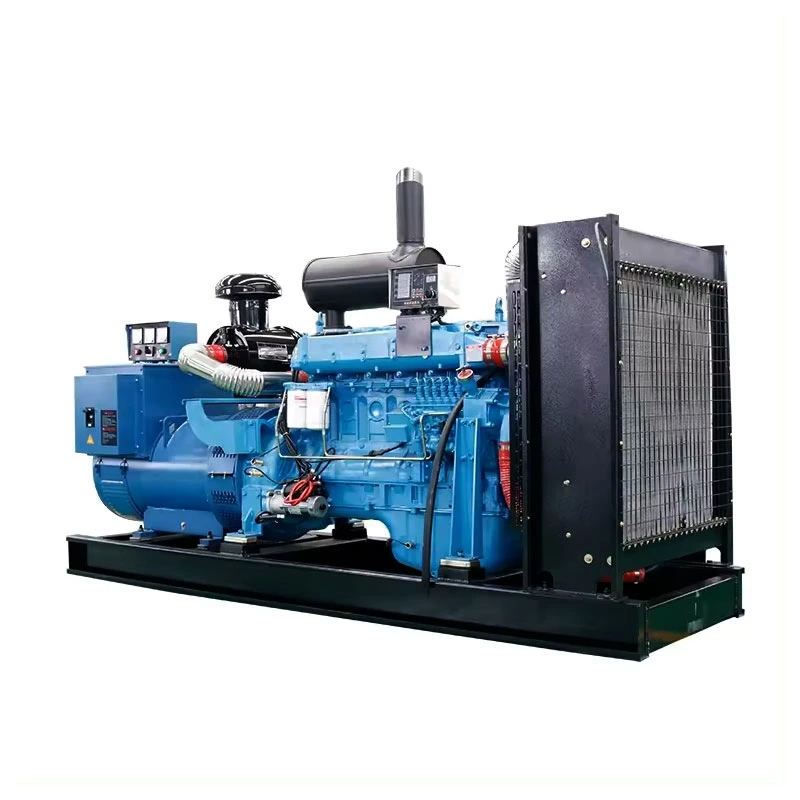
300kw diesel generator play a vital role in providing reliable power supply in remote areas through islanding operation. Their robustness, reliability, and ability to operate independently from the main grid make them well-suited for critical applications where uninterrupted power supply is essential. By considering key design factors, operational aspects, advantages, and performance considerations, diesel generators can deliver efficient and reliable power generation during islanding operation, ensuring uninterrupted power supply in remote locations.
In remote areas where a stable grid connection is not always guaranteed, diesel generators play a crucial role in providing power supply. One key application of diesel generators in such scenarios is islanding operation, where the generator operates independently from the main grid to ensure continuous power supply. This article will delve into the intricacies of diesel generators for islanding operation, exploring their design, operation, advantages, and considerations for optimal performance.
Understanding Islanding Operation
Islanding operation refers to the ability of a generator to operate independently from the main grid in case of a grid outage. This feature is essential in remote areas or in critical facilities where uninterrupted power supply is crucial. During islanding operation, the diesel generator automatically detects the grid failure and switches to standalone mode to continue supplying power to connected loads.
Diesel generators are well-suited for islanding operation due to their reliability, robustness, and ability to provide continuous power for extended periods. These generators are commonly used in off-grid locations such as islands, remote villages, telecommunications towers, and critical infrastructure facilities.
Design Considerations for Islanding Operation
Designing a diesel generator system for islanding operation requires careful consideration of various factors to ensure reliable performance. Some key design considerations include:
1. Generator Sizing: Proper sizing of the generator is essential to meet the power requirements of the connected loads during islanding operation. The generator should be sized to handle both the steady-state and transient loads to maintain system stability.
2. Fuel Storage: Diesel generators require a constant supply of fuel to operate, especially during islanding mode. Sufficient fuel storage capacity should be available on-site to ensure continuous operation for an extended period in case of prolonged grid outages.
3. Control System: The control system of the diesel generator plays a critical role in detecting grid failures, initiating the islanding sequence, and ensuring seamless transition to standalone mode. Advanced control systems with built-in protection features are essential for reliable islanding operation.
4. Grid Connection Protection: To prevent backfeeding of power into the grid during islanding operation, appropriate protection measures such as synchronizing relays and anti-islanding protection devices should be implemented.
Operation of Diesel Generators in Islanding Mode
When a grid failure occurs, the diesel generator automatically switches to islanding mode to maintain power supply to critical loads. The operation of the generator in islanding mode involves several key steps:
1. Grid Detection: The generator control system monitors the grid parameters continuously. In case of a grid failure or disturbance, the control system detects the abnormal grid conditions and initiates the islanding sequence.
2. Islanding Sequence: Upon detecting a grid failure, the generator synchronizes its output with the loads and switches to standalone mode. The generator then starts supplying power to the connected loads without relying on the grid.
3. Load Shedding: In some cases where the generator capacity is limited, load shedding may be implemented to prioritize critical loads and ensure efficient use of available power.
4. Re-Synchronization: Once the grid power is restored, the generator goes through a re-synchronization process to synchronize its output with the grid before transferring the loads back to the grid supply.
Advantages of Diesel Generators for Islanding Operation
Diesel generators offer several advantages for islanding operation, making them a popular choice for off-grid applications. Some of the key advantages include:
1. Reliability: Diesel generators are known for their reliability and robustness, making them well-suited for providing continuous power supply during grid outages.
2. Fast Start-up Time: Diesel generators have a quick start-up time, allowing them to respond rapidly to grid failures and ensure minimal downtime for connected loads.
3. Fuel Efficiency: Diesel generators are relatively fuel-efficient, providing cost-effective power generation for extended periods during islanding operation.
4. Versatility: Diesel generators can be easily integrated with renewable energy sources such as solar or wind power to create hybrid power systems for improved reliability and sustainability.
Considerations for Optimal Performance
To ensure optimal performance of diesel generators in islanding operation, several considerations should be taken into account:
1. Regular Maintenance: Regular maintenance and servicing of the generator are essential to ensure reliable operation and extend the lifespan of the equipment.
2. Fuel Quality: The quality of fuel used in the generator can impact its performance and efficiency. Proper fuel filtration and storage practices should be followed to maintain fuel quality.
3. Monitoring and Control: Continuous monitoring of the generator parameters and control system is crucial to detect any anomalies or deviations from normal operation and take corrective actions promptly.
4. Training and Support: Proper training of personnel responsible for operating and maintaining the generator is essential to ensure safe and efficient operation. Access to technical support and troubleshooting resources is also important for addressing any issues that may arise.
300kw diesel generator play a vital role in providing reliable power supply in remote areas through islanding operation. Their robustness, reliability, and ability to operate independently from the main grid make them well-suited for critical applications where uninterrupted power supply is essential. By considering key design factors, operational aspects, advantages, and performance considerations, diesel generators can deliver efficient and reliable power generation during islanding operation, ensuring uninterrupted power supply in remote locations.

Public Last updated: 2025-04-12 03:52:43 AM