High-Altitude Operation Maximizing Performance of Diesel Generators
Introduction
Diesel generators are essential power sources used in various applications, providing reliable electricity during blackouts or in off-grid locations. However, operating diesel generators at high altitudes presents unique challenges due to reduced air density and oxygen levels. In this article, we will explore the factors affecting the performance of diesel generators at high altitudes and discuss strategies to optimize their operation in such environments.
Understanding High-Altitude Operation
High-altitude operation refers to the use of diesel generators in locations situated at elevations above sea level. At higher altitudes, the air density decreases, leading to reduced oxygen levels. This decrease in oxygen concentration affects the combustion process in diesel engines, resulting in reduced power output and efficiency.
Challenges of High-Altitude Operation
Several challenges are associated with operating diesel generators at high altitudes, including:
1. Reduced Air Density: The lower air density at high altitudes affects the combustion process in diesel engines, leading to incomplete combustion and reduced power output.
2. Decreased Oxygen Levels: The decrease in oxygen levels at high altitudes can result in poor engine performance and inefficient fuel combustion.
3. Cooling System Efficiency: The cooling system of diesel generators may face challenges in dissipating heat effectively at high altitudes, leading to overheating issues.
4. Fuel Combustion: The combustion of fuel in diesel engines may be affected by the reduced oxygen levels, resulting in incomplete combustion and increased emissions.
5. Starting and Operation: Starting a diesel generator at high altitudes may require additional effort due to the reduced oxygen levels, affecting the overall reliability of the system.
Optimizing Diesel Generators for High-Altitude Operation
To overcome the challenges of operating diesel generators at high altitudes, several strategies can be implemented to optimize their performance:
1. Engine Design: Selecting diesel generators with engines specifically designed for high-altitude operation can improve performance. These engines are equipped with features such as turbochargers and high-pressure fuel injection systems to compensate for the reduced air density.
2. Air Intake System: Upgrading the air intake system of diesel generators with a high-altitude kit can enhance airflow and optimize oxygen intake, improving combustion efficiency.
3. Turbocharging: Installing a turbocharger on the diesel engine can increase the air pressure entering the combustion chamber, compensating for the reduced air density at high altitudes and improving power output.
4. Fuel System Adjustment: Adjusting the fuel injection system of diesel generators to optimize fuel-air mixture ratios can enhance combustion efficiency and performance at high altitudes.
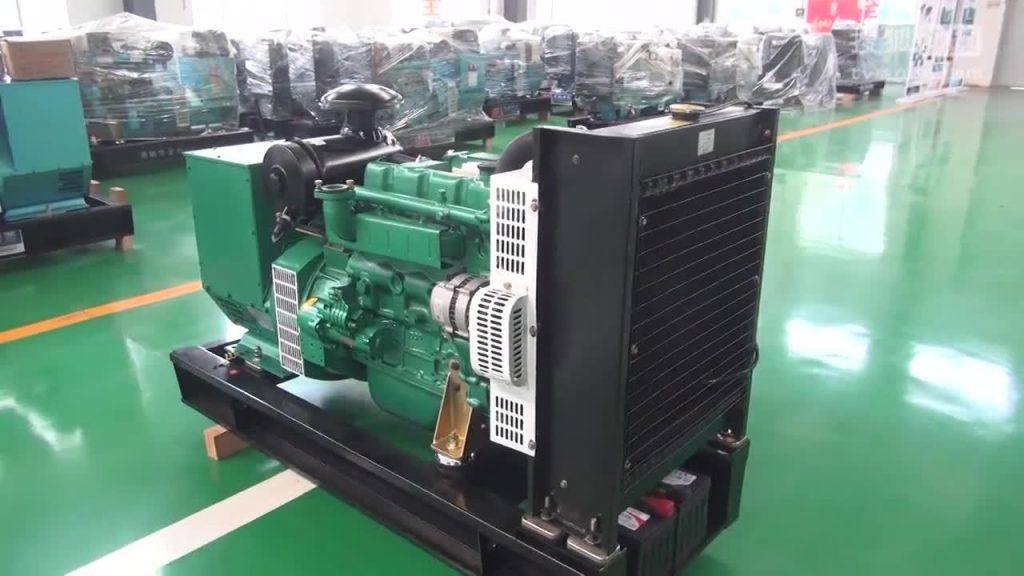
5. Cooling System Upgrades: Upgrading the cooling system of diesel generators with larger radiators or additional cooling fans can improve heat dissipation and prevent overheating issues at high altitudes.
6. Regular Maintenance: Performing regular maintenance and inspections on diesel generators operating at high altitudes is essential to ensure optimal performance and reliability.
7. Fuel Quality: Using high-quality fuel with the appropriate cetane rating and low sulfur content is crucial for efficient combustion in diesel generators at high altitudes.
8. bojinsi : Some modern diesel generators are equipped with altitude compensation systems that automatically adjust fuel-air mixture ratios and engine parameters based on the altitude, ensuring consistent performance.
Case Study: High-Altitude Operation in Remote Mountainous Regions
To illustrate the challenges and solutions for high-altitude operation of diesel generators, let's consider a case study of a remote mountainous region where reliable electricity is essential for the local community. The region is situated at an altitude of 3000 meters above sea level, experiencing harsh weather conditions and limited access to the grid.
Challenges:
1. Reduced Oxygen Levels: The diesel generators operating in the region face challenges due to the reduced oxygen levels, leading to poor combustion efficiency and power output.
2. Engine Overheating: The cooling systems of the generators struggle to dissipate heat effectively at high altitudes, resulting in frequent overheating issues.
3. Starting Reliability: Starting the generators at high altitudes requires additional effort and can be unreliable, impacting the availability of electricity for the community.
Solutions:
1. Engine Upgrade: Upgrading the diesel generators with engines designed for high-altitude operation, equipped with turbochargers and altitude compensation systems, can improve performance and efficiency.
2. Air Intake Modification: Installing high-altitude kits on the generators to enhance airflow and optimize oxygen intake can address the challenges of reduced air density.
3. Cooling System Enhancement: Upgrading the cooling systems with larger radiators and additional fans can prevent overheating issues and ensure reliable operation in the harsh mountainous environment.
4. Regular Maintenance: Implementing a proactive maintenance schedule to inspect and service the generators regularly is crucial for their reliable operation in remote high-altitude locations.
Conclusion
Operating diesel generators at high altitudes presents unique challenges that can impact performance and reliability. By understanding the factors affecting high-altitude operation and implementing appropriate strategies to optimize diesel generators for such environments, users can ensure reliable electricity supply in remote locations or during emergencies. With advancements in engine design, fuel systems, and cooling technology, diesel generators can be effectively adapted to operate efficiently at high altitudes, providing a dependable power source in challenging conditions.
Diesel generators are essential power sources used in various applications, providing reliable electricity during blackouts or in off-grid locations. However, operating diesel generators at high altitudes presents unique challenges due to reduced air density and oxygen levels. In this article, we will explore the factors affecting the performance of diesel generators at high altitudes and discuss strategies to optimize their operation in such environments.
Understanding High-Altitude Operation
High-altitude operation refers to the use of diesel generators in locations situated at elevations above sea level. At higher altitudes, the air density decreases, leading to reduced oxygen levels. This decrease in oxygen concentration affects the combustion process in diesel engines, resulting in reduced power output and efficiency.
Challenges of High-Altitude Operation
Several challenges are associated with operating diesel generators at high altitudes, including:
1. Reduced Air Density: The lower air density at high altitudes affects the combustion process in diesel engines, leading to incomplete combustion and reduced power output.
2. Decreased Oxygen Levels: The decrease in oxygen levels at high altitudes can result in poor engine performance and inefficient fuel combustion.
3. Cooling System Efficiency: The cooling system of diesel generators may face challenges in dissipating heat effectively at high altitudes, leading to overheating issues.
4. Fuel Combustion: The combustion of fuel in diesel engines may be affected by the reduced oxygen levels, resulting in incomplete combustion and increased emissions.
5. Starting and Operation: Starting a diesel generator at high altitudes may require additional effort due to the reduced oxygen levels, affecting the overall reliability of the system.
Optimizing Diesel Generators for High-Altitude Operation
To overcome the challenges of operating diesel generators at high altitudes, several strategies can be implemented to optimize their performance:
1. Engine Design: Selecting diesel generators with engines specifically designed for high-altitude operation can improve performance. These engines are equipped with features such as turbochargers and high-pressure fuel injection systems to compensate for the reduced air density.
2. Air Intake System: Upgrading the air intake system of diesel generators with a high-altitude kit can enhance airflow and optimize oxygen intake, improving combustion efficiency.
3. Turbocharging: Installing a turbocharger on the diesel engine can increase the air pressure entering the combustion chamber, compensating for the reduced air density at high altitudes and improving power output.
4. Fuel System Adjustment: Adjusting the fuel injection system of diesel generators to optimize fuel-air mixture ratios can enhance combustion efficiency and performance at high altitudes.
5. Cooling System Upgrades: Upgrading the cooling system of diesel generators with larger radiators or additional cooling fans can improve heat dissipation and prevent overheating issues at high altitudes.
6. Regular Maintenance: Performing regular maintenance and inspections on diesel generators operating at high altitudes is essential to ensure optimal performance and reliability.
7. Fuel Quality: Using high-quality fuel with the appropriate cetane rating and low sulfur content is crucial for efficient combustion in diesel generators at high altitudes.
8. bojinsi : Some modern diesel generators are equipped with altitude compensation systems that automatically adjust fuel-air mixture ratios and engine parameters based on the altitude, ensuring consistent performance.
Case Study: High-Altitude Operation in Remote Mountainous Regions
To illustrate the challenges and solutions for high-altitude operation of diesel generators, let's consider a case study of a remote mountainous region where reliable electricity is essential for the local community. The region is situated at an altitude of 3000 meters above sea level, experiencing harsh weather conditions and limited access to the grid.
Challenges:
1. Reduced Oxygen Levels: The diesel generators operating in the region face challenges due to the reduced oxygen levels, leading to poor combustion efficiency and power output.
2. Engine Overheating: The cooling systems of the generators struggle to dissipate heat effectively at high altitudes, resulting in frequent overheating issues.
3. Starting Reliability: Starting the generators at high altitudes requires additional effort and can be unreliable, impacting the availability of electricity for the community.
Solutions:
1. Engine Upgrade: Upgrading the diesel generators with engines designed for high-altitude operation, equipped with turbochargers and altitude compensation systems, can improve performance and efficiency.
2. Air Intake Modification: Installing high-altitude kits on the generators to enhance airflow and optimize oxygen intake can address the challenges of reduced air density.
3. Cooling System Enhancement: Upgrading the cooling systems with larger radiators and additional fans can prevent overheating issues and ensure reliable operation in the harsh mountainous environment.
4. Regular Maintenance: Implementing a proactive maintenance schedule to inspect and service the generators regularly is crucial for their reliable operation in remote high-altitude locations.
Conclusion
Operating diesel generators at high altitudes presents unique challenges that can impact performance and reliability. By understanding the factors affecting high-altitude operation and implementing appropriate strategies to optimize diesel generators for such environments, users can ensure reliable electricity supply in remote locations or during emergencies. With advancements in engine design, fuel systems, and cooling technology, diesel generators can be effectively adapted to operate efficiently at high altitudes, providing a dependable power source in challenging conditions.

Public Last updated: 2025-06-02 02:08:57 AM