How Often Should You Book Gutter Cleaning in Hackettstown?

If you own a home in Hackettstown, gutter cleaning is not a once-a-year chore you can set on autopilot and forget. The right schedule depends on your roofline, the number of nearby trees, how your property drains, and how much risk you are willing to carry through each season. Some homes do well with one or two cleanings a year. Others need attention three or even four times, especially when mature maples, oaks, or pines hang over the roof.
That is why the most honest answer is this: most Hackettstown homes should book gutter cleaning at least twice a year, once in late spring and again in late fall. But many houses in town need more frequent service than that. If your gutters overflow during summer storms, if you see seedlings growing in the troughs, or if your downspouts clog after every windy week, twice a year is probably not enough.
The reason timing matters so much here is simple. Hackettstown gets a real four-season cycle. Spring brings seed pods, blossoms, and heavy rain. Summer can deliver hard downpours that test every low spot and clog. Fall loads gutters with leaves fast, sometimes over the course of a single week. Winter then freezes whatever is left behind, turning a maintenance issue into an ice problem. Gutters that were merely messy in October can become heavy, frozen trouble by January.
The baseline schedule that works for most homes
For the average single-family house in Hackettstown, two professional cleanings per year is the practical starting point. One visit should happen after spring debris has mostly settled and before summer storm season gets serious. The second should happen after the majority of leaves have fallen, but before repeated hard freezes lock debris into place.
That schedule works well for homes with moderate tree coverage and gutters that are already pitched correctly, securely fastened, and draining as designed. It is enough to keep water moving, prevent routine overflow, and reduce the chance of fascia rot or foundation saturation. It also gives a technician a chance to catch small defects while they are still inexpensive, a loose spike, a separated joint, a downspout elbow starting to trap sediment.
Where homeowners get into trouble is assuming that every property fits the average. In practice, gutter systems behave very differently from one lot to the next. Two houses on the same block can need completely different service intervals if one sits under dense oak branches and the other has open sky above the roof.
Why Hackettstown homes often need more than a standard plan
Local conditions make a difference. In and around Hackettstown, many neighborhoods have established trees and older homes with rooflines that were not designed with easy access in mind. Some houses have steep pitches, multiple valleys, second-story runs, or attached garages that funnel debris into a few heavy-load sections. Those details matter because gutters rarely clog evenly. One corner can stay clear while one valley fills like a compost bin.
I have seen homes where the front elevation looked almost spotless from the driveway, yet the rear gutter, hidden under a tree line, was packed solid enough to support weeds. The owner assumed the system was fine because nothing obvious showed from the street. Meanwhile, every heavy rain was dumping water behind the gutter and splashing against the foundation.
Hackettstown’s weather adds another wrinkle. A summer thunderstorm can expose a partial blockage quickly. Water that should be moving through a downspout instead spills over the edge, cuts channels into mulch beds, stains siding, and pools near basement walls. If that same clog is left in place through winter, trapped water and wet debris freeze, expand, and put extra strain on hangers and seams.
A good rule of thumb by property type
If you want a practical starting point, think in terms of exposure rather than square footage alone. A larger home with open sky over the roof may need less frequent cleaning than a modest ranch surrounded by mature trees.
Here is a simple way to judge it:
- Homes with few nearby trees often do well with one to two cleanings per year.
- Homes with moderate tree coverage usually need two cleanings per year.
- Homes under heavy tree canopy often need three cleanings per year.
- Homes with pine trees or constant debris drop may need quarterly service.
- Any home with a history of overflow should be checked more often until the cause is corrected.
The keyword there is history. Past performance tells you more than a generic recommendation ever will. If your gutters backed up twice last year, you already have your answer. You do not need a broad https://www.merchantcircle.com/just-gutters-1-hackettstown-nj article or a sales pitch to tell you they need more attention.
The signs that your current schedule is too light
Homeowners often wait for a dramatic failure, but gutters usually warn you before they reach that point. Overflow during a normal rain is one clear signal. Water running over the front lip does not always mean the gutter is too small. More often, it means leaves, roof grit, or compacted sludge are slowing the downspout and forcing water to rise.
Another tell is streaking on the siding. Dirty tiger-striping beneath the gutter line often means water is spilling where it should not. Mulch that keeps washing out of the same bed after storms points to a similar problem. So does soil erosion near one corner of the house.
Then there are subtler signs. Sagging sections suggest standing water or accumulated weight. Plants growing from the gutter mean debris has been sitting long enough to turn into a seedbed. Pests can show up too. Mosquitoes like stagnant water. Birds, squirrels, and insects are drawn to damp organic buildup. Once debris stays wet, gutters stop being a drainage system and start acting like habitat.
If you have ever heard dripping long after rain has stopped, check whether a blocked downspout is holding water in the run. Gutters should empty. They should not stay loaded for days.
Spring cleaning is not the same as fall cleaning
Many homeowners talk about gutter cleaning as if every visit does the same job. It does not. Spring and fall each bring different debris, and that changes both the workload and the urgency.
Spring cleanings often deal with seed pods, maple helicopters, twigs, shingle granules, and whatever winter left behind. This is also when technicians may find fasteners loosened by freeze-thaw cycles or downspouts that shifted slightly under ice weight. Spring service is as much about inspection as debris removal. You want to make sure the system is ready before strong rains arrive.
Fall cleanings are usually heavier and more obvious. Leaves can fill a gutter surprisingly fast, especially after a windy weekend. Oak leaves are notorious because they mat down and hold moisture. They do not always wash through, and once they compact, they can be stubborn to remove. Fall service is less forgiving on timing. Book too early, and trees may still have half their leaves. Book too late, and the first hard freeze can complicate the work.
For many Hackettstown properties, the sweet spot is one cleaning after most spring drop is over and one cleaning after the major fall leaf drop has finished. But if you have pines, that neat seasonal rhythm breaks down. Pine needles can fall steadily and collect in roof valleys, on screens, and in downspout openings nearly year-round.
Tree cover changes everything
The biggest factor in how often you should schedule Gutter Cleaning Hackettstown is tree density near the roof. Not just on your property, either. Your neighbor’s towering oak can keep your gutters busy all season if it hangs over the lot line or sheds into prevailing winds.
Broadleaf trees tend to create a heavy fall workload, while pines create a steady maintenance issue that can be even more annoying. Pine needles are light, but they tangle, bridge over openings, and form dense plugs in elbows and underground drain tie-ins. Small leaves can be tricky too. They wash into downspouts more easily than large leaves and build up where you cannot see them.
Overhanging branches also carry another cost. They drop twigs, seed shells, and moss, and they shade the roof. More shade means slower drying, which can encourage organic growth and make debris stick instead of blowing off.
When I assess a property, I look less at the gutter itself and more at what is above it and uphill from it. Roof valleys, second-story sections, and chimney crickets tell you where the debris will funnel. If one valley sends everything into a ten-foot gutter run, that segment will need attention sooner than the rest of the house.
Roof design matters more than people think
A simple ranch with a straightforward roof edge is easier to manage than a house with multiple gables, dormers, valleys, and elevation changes. Every transition on a roof tends to gather material and redirect water. Complex rooflines create collection points, and collection points create clogs.
Steep roofs can shed leaves quickly, which sounds helpful, but they also send a concentrated rush of debris into gutters. Valleys do the same. A short section of gutter below a valley can carry more load than twenty feet elsewhere. If your home has one or two chronic trouble spots, you may not need full-house cleanings more often, but you may need those areas checked between major service visits.
Downspout layout matters too. Some systems are forgiving, with multiple outlets and easy flow paths. Others rely on one downspout for a long run. A single blockage in that setup causes immediate overflow. Underground drains add another layer. If the gutter is clean but the buried line is slow, the system still backs up, and homeowners often blame the wrong part.
What happens when you wait too long
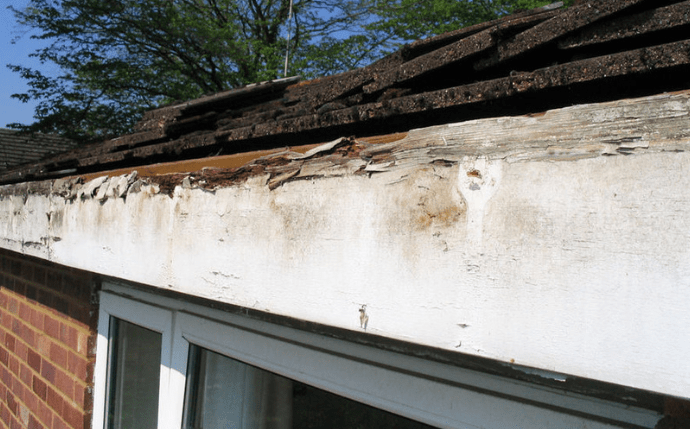
Skipping cleanings is rarely a money saver. It usually just delays the bill and makes it larger. Clogged gutters can cause fascia boards to stay wet, paint to peel, and soffit areas to deteriorate. Overflow near the foundation can contribute to basement moisture, especially where grading is already weak.
In winter, trapped water freezes and adds weight. Gutters are designed to handle water moving through them, not compacted debris mixed with ice. Hangers loosen. Seams open up. Entire runs can pull away from the house. At that point, you are no longer paying for maintenance. You are paying for repair or replacement.
Landscaping often takes a hit first. I have seen decorative beds carved out by repeat overflow from one clogged corner. Homeowners replaced mulch over and over without realizing the gutter above was the real culprit. Once the drainage was corrected, the bed finally stayed put.
Then there is the risk nobody likes to discuss until it happens, ladder work. The longer a gutter is neglected, the more tempting it becomes for a homeowner to climb up and deal with it quickly before guests arrive or before a storm rolls in. That is when rushed decisions lead to injuries. For two-story homes, steep slopes, or awkward rear elevations, professional service is usually the safer call.
Gutter guards help, but they do not make gutters maintenance-free
This is one of the most common misunderstandings. Guards can reduce how much large debris enters the gutter, and on some properties they work well enough to stretch the cleaning interval. But they do not eliminate maintenance.
Fine debris still gets in. Pine needles collect on top. Seeds sprout in surface buildup. Roof grit and shingle granules remain part of the system. Some guards also make inspection harder because clogs hide underneath until overflow reveals them. I have removed plenty of supposedly protected systems that were packed with sludge below the cover.
If your home has good-quality guards and moderate tree exposure, you may be able to reduce full cleanings. Even then, periodic inspection still matters. Think of guards as a tool that changes the maintenance pattern, not a permanent escape from maintenance altogether.
How to decide on the right schedule for your house
A sensible schedule comes from a mix of observation and prevention. Start with the standard two visits a year. Then adjust based on what your home tells you. If you see no overflow, no standing debris, and no trouble spots for a full year, that schedule may be enough. If one season consistently creates issues, add a targeted visit.
This is where a local provider earns their keep. Someone experienced in Gutter Cleaning Hackettstown will notice recurring regional patterns and property-specific weak points. They will know that a heavily wooded lot off a quiet residential street may behave very differently from a more open property in the same ZIP code. They will also know when the issue is not cleaning frequency at all, but pitch, downspout capacity, hanger failure, or buried drain blockage.
A good service schedule should feel preventative, not reactive. You should be cleaning before damage starts, not after water stains appear indoors or mulch washes into the sidewalk.
A practical homeowner check between appointments
You do not need to climb a ladder to stay ahead of problems. A few ground-level observations after strong rain can tell you a lot about whether your current schedule is working.
- Watch the gutters during a steady rain, looking for overflow or drips at seams.
- Check whether downspouts discharge freely and move water away from the house.
- Look for fresh soil erosion, displaced mulch, or splash marks near corners.
- Scan for sagging runs, detached elbows, or visible plant growth.
- Notice whether water lingers in one spot long after rainfall stops.
These checks take only a few minutes, and they often catch issues early. If everything performs cleanly through spring and summer, you have evidence your timing is close. If the same corner misbehaves after every storm, do not just keep cleaning it more often. Have someone figure out why.
Cost versus risk, and why the cheapest schedule is not always the least expensive
Homeowners naturally compare the price of service against the hope of stretching one more season. That makes sense. But gutter maintenance is one of those areas where trying to save a little can expose you to repairs that cost far more.
A single extra cleaning each year may feel unnecessary until you compare it with repainting stained siding, reattaching a sagging run, repairing fascia rot, or dealing with basement seepage near a problem corner. The economics shift quickly. Maintenance is predictable. Water damage rarely is.
That does not mean everyone needs quarterly service. It means your schedule should match the actual load on the system. Paying for unnecessary visits is wasteful. So is pretending a tree-heavy property can get by with the same routine as a house with almost no canopy.
The best timing for booking in Hackettstown
If you wait until the first major overflow, you may be calling at the exact moment everyone else is too. The busiest times for gutter companies tend to cluster around late fall and after stormy stretches. Booking in advance usually gives you better timing and more flexibility.
For many homeowners, late spring and late fall are the anchor points. If your property is heavily wooded, add a summer check or early winter cleanup depending on what your trees shed and when. The ideal plan is not always tied to the calendar date as much as the condition of the property. After a windy week, a system can go from manageable to blocked in a hurry.
If you are unsure where to begin, schedule an inspection and ask for an honest recommendation based on your lot, roof design, and debris load. A professional should be able to tell you whether you are a twice-a-year home, a three-visit home, or a candidate for quarterly maintenance.
For most properties in Hackettstown, that answer lands at two cleanings a year, minimum. For many tree-heavy homes, three is more realistic. And for houses under constant pine drop or with a history of clogging, four light visits can be smarter than two big emergency cleanouts. The goal is simple: keep water moving where it belongs, every season of the year.
Just Gutters LLC
Address: 262 Main St, Hackettstown, NJ 07840
Phone number: +12013319454
FAQ About Gutter Cleaning Hackettstown
How much should a gutter clean cost?
Professional gutter cleaning typically costs between $163 and $333, with a national average of around $210 to $250 for a standard-sized home.
What months should you clean gutters?
You should clean your gutters twice a year—once in late autumn (November to December) and once in late spring (April to May).
Is it worth paying for gutter cleaning?
Yes, paying for gutter cleaning is worth it because it prevents thousands of dollars in water damage, roof leaks, and structural repairs.
Public Last updated: 2026-11-16 04:56:51 AM