Unveiling the Beauty of Cultured Flagstone A Comprehensive Guide
Introduction
Flagstone is a popular choice for outdoor flooring and landscaping due to its natural beauty and durability. However, traditional flagstone can be expensive and difficult to work with. This is where cultured flagstone comes in. Cultured flagstone is a man-made alternative that offers the same aesthetic appeal as natural flagstone but with added benefits such as affordability, consistency, and ease of installation. In this comprehensive guide, we will delve into the world of cultured flagstone, exploring its origins, manufacturing process, benefits, applications, and maintenance.
Origins of Cultured Flagstone
Cultured flagstone, also known as manufactured or artificial flagstone, was developed as a more cost-effective and convenient alternative to natural flagstone. Natural flagstone is a type of sedimentary rock that is quarried from the earth's surface and cut into flat, irregularly shaped pieces. While natural flagstone is prized for its unique colors and textures, it can be expensive and labor-intensive to source, transport, and install.
Cultured flagstone was created to replicate the look and feel of natural flagstone while addressing some of the drawbacks of the natural product. By using a combination of cement, aggregates, and color pigments, manufacturers are able to produce flagstone-like pavers that are more affordable, uniform in size and shape, and easier to install.
Manufacturing Process
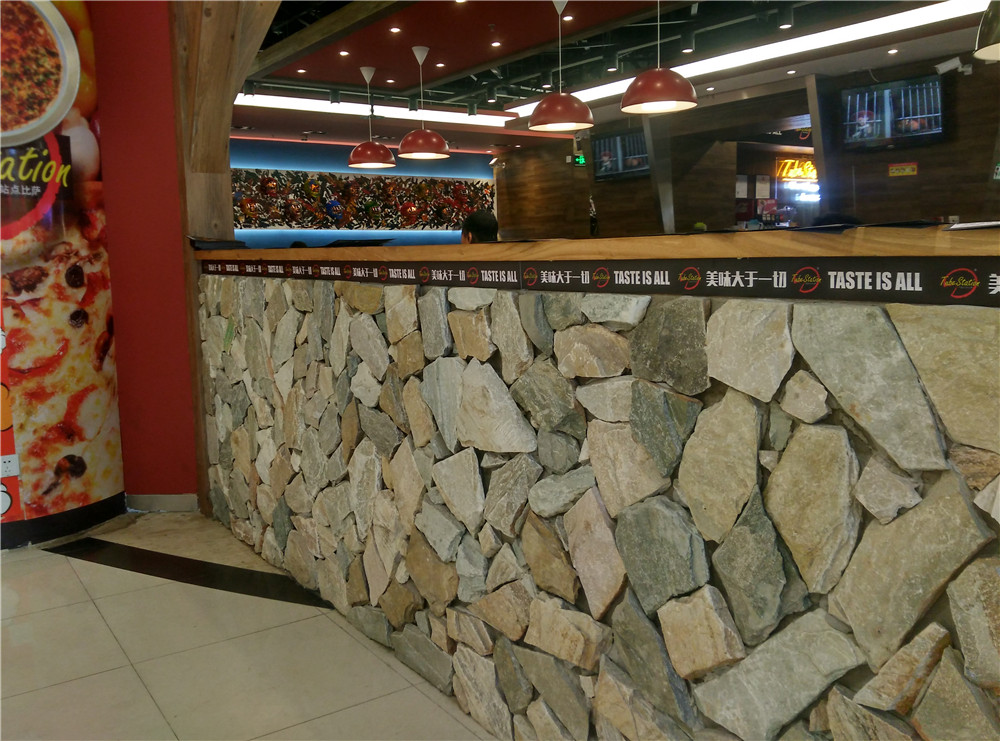
The manufacturing process of cultured flagstone involves several steps to create pavers that mimic the appearance of natural flagstone. Here is an overview of the typical manufacturing process:
1. Mixing: The base materials for cultured flagstone, including cement, aggregates (such as sand, gravel, or crushed stone), and color pigments, are mixed together in precise proportions. The mixture is designed to replicate the colors and textures of natural flagstone.
2. Molding: The mixed materials are poured into molds that are shaped like natural flagstone pieces. The molds can vary in size and shape to create different styles of flagstone pavers, such as irregular shapes or rectangular pieces.
3. Curing: Once the materials are poured into the molds, they are left to cure and harden. This process may involve air drying or the use of curing chambers to accelerate the curing process.
4. Finishing: After the pavers have hardened, they are removed from the molds and undergo finishing processes to enhance their appearance. This may include sanding, honing, or sealing to achieve the desired texture and finish.
Stone veneer patio designs of Cultured Flagstone
Cultured flagstone offers a range of benefits that make it an attractive choice for landscaping and outdoor flooring projects. Some of the key benefits of cultured flagstone include:
1. Affordability: Cultured flagstone is typically more affordable than natural flagstone, making it a cost-effective option for homeowners and landscapers on a budget. The manufacturing process allows for greater control over production costs, resulting in lower prices for consumers.
2. Consistency: Unlike natural flagstone, which can vary in color, thickness, and shape, cultured flagstone offers consistent quality and uniformity. This makes it easier to plan and execute landscaping projects, as all the pavers will have a similar appearance and dimensions.
3. Ease of Installation: Cultured flagstone is lighter and more manageable than natural flagstone, making it easier to transport and install. The uniform shape and size of cultured flagstone pavers also simplify the installation process, reducing the need for cutting or shaping on-site.
4. Variety: Cultured flagstone is available in a wide range of colors, textures, and finishes to suit different design preferences and aesthetic styles. Whether you prefer a rustic, weathered look or a sleek, contemporary finish, there is a cultured flagstone option to match your vision.
5. Durability: Cultured flagstone is designed to withstand the elements and heavy foot traffic, making it a durable option for outdoor applications. The materials used in the manufacturing process are engineered to resist cracking, fading, and staining, ensuring long-lasting beauty and performance.
Applications of Cultured Flagstone
Cultured flagstone can be used in a variety of landscaping and outdoor flooring applications to enhance the beauty and functionality of outdoor spaces. Some common applications of cultured flagstone include:
1. Patios: Cultured flagstone pavers can create a stunning patio area that is perfect for outdoor dining, entertaining, and relaxing. The wide range of colors and textures available allows you to customize your patio to suit your personal style and complement your home's architecture.
2. Walkways: Cultured flagstone is an ideal choice for creating meandering pathways that connect different areas of your outdoor space. Whether you prefer a formal, symmetrical design or a more natural, organic layout, cultured flagstone pavers can be arranged to create a unique and inviting walkway.
3. Pool Decks: Cultured flagstone is a popular option for pool decks due to its slip-resistant surface and durability in wet conditions. The pavers can be laid in a variety of patterns and colors to create a cohesive and stylish pool deck that complements your landscaping and outdoor decor.
4. Driveways: Cultured flagstone can be used to enhance the curb appeal of your home by creating a beautiful and durable driveway. The pavers are designed to withstand the weight of vehicles and regular traffic, making them a practical and attractive choice for residential driveways.
5. Garden Borders: Cultured flagstone pavers can be used to create attractive garden borders that define planting beds, pathways, and outdoor living areas. The versatility of cultured flagstone allows you to create custom shapes and patterns to complement your landscaping design.
Maintenance of Cultured Flagstone
To ensure the longevity and beauty of cultured flagstone, it is important to follow proper maintenance practices. Here are some tips for maintaining your cultured flagstone pavers:
1. Regular Cleaning: Cultured flagstone should be cleaned regularly to remove dirt, debris, and organic matter that can accumulate on the surface. Use a mild detergent, water, and a soft-bristled brush to scrub the pavers and rinse thoroughly with water.
2. Sealing: Depending on the type of cultured flagstone pavers you have, it may be necessary to apply a sealer to protect the surface from staining, fading, and moisture damage. Consult with the manufacturer or a professional landscaper to determine the appropriate sealer for your specific pavers.
3. Weed Control: To prevent weeds from growing between the joints of your cultured flagstone pavers, apply a weed barrier or use a weed killer to inhibit weed growth. Regularly inspect the pavers for any signs of weeds and remove them promptly to maintain a clean and tidy appearance.
4. Repairing Damage: In the event of cracks, chips, or other damage to your cultured flagstone pavers, it is important to address the issue promptly to prevent further deterioration. Contact a professional landscaper or contractor to assess the damage and recommend appropriate repair solutions.
5. Winter Protection: In regions with cold winters, it is important to protect your cultured flagstone pavers from frost damage by applying a de-icing agent or using a snow shovel with a plastic blade to remove snow and ice. Avoid using metal shovels or sharp objects that can scratch or damage the surface of the pavers.
Conclusion
Cultured flagstone offers a practical and stylish alternative to natural flagstone for landscaping and outdoor flooring projects. With its affordability, consistency, ease of installation, and durability, cultured flagstone is a versatile choice that can enhance the beauty and functionality of outdoor spaces. By understanding the origins, manufacturing process, benefits, applications, and maintenance of cultured flagstone, homeowners and landscapers can make informed decisions when selecting materials for their outdoor projects. Whether you are creating a patio, walkway, pool deck, driveway, or garden border, cultured flagstone pavers provide endless possibilities for designing unique and inviting outdoor environments.
Flagstone is a popular choice for outdoor flooring and landscaping due to its natural beauty and durability. However, traditional flagstone can be expensive and difficult to work with. This is where cultured flagstone comes in. Cultured flagstone is a man-made alternative that offers the same aesthetic appeal as natural flagstone but with added benefits such as affordability, consistency, and ease of installation. In this comprehensive guide, we will delve into the world of cultured flagstone, exploring its origins, manufacturing process, benefits, applications, and maintenance.
Origins of Cultured Flagstone
Cultured flagstone, also known as manufactured or artificial flagstone, was developed as a more cost-effective and convenient alternative to natural flagstone. Natural flagstone is a type of sedimentary rock that is quarried from the earth's surface and cut into flat, irregularly shaped pieces. While natural flagstone is prized for its unique colors and textures, it can be expensive and labor-intensive to source, transport, and install.
Cultured flagstone was created to replicate the look and feel of natural flagstone while addressing some of the drawbacks of the natural product. By using a combination of cement, aggregates, and color pigments, manufacturers are able to produce flagstone-like pavers that are more affordable, uniform in size and shape, and easier to install.
Manufacturing Process
The manufacturing process of cultured flagstone involves several steps to create pavers that mimic the appearance of natural flagstone. Here is an overview of the typical manufacturing process:
1. Mixing: The base materials for cultured flagstone, including cement, aggregates (such as sand, gravel, or crushed stone), and color pigments, are mixed together in precise proportions. The mixture is designed to replicate the colors and textures of natural flagstone.
2. Molding: The mixed materials are poured into molds that are shaped like natural flagstone pieces. The molds can vary in size and shape to create different styles of flagstone pavers, such as irregular shapes or rectangular pieces.
3. Curing: Once the materials are poured into the molds, they are left to cure and harden. This process may involve air drying or the use of curing chambers to accelerate the curing process.
4. Finishing: After the pavers have hardened, they are removed from the molds and undergo finishing processes to enhance their appearance. This may include sanding, honing, or sealing to achieve the desired texture and finish.
Stone veneer patio designs of Cultured Flagstone
Cultured flagstone offers a range of benefits that make it an attractive choice for landscaping and outdoor flooring projects. Some of the key benefits of cultured flagstone include:
1. Affordability: Cultured flagstone is typically more affordable than natural flagstone, making it a cost-effective option for homeowners and landscapers on a budget. The manufacturing process allows for greater control over production costs, resulting in lower prices for consumers.
2. Consistency: Unlike natural flagstone, which can vary in color, thickness, and shape, cultured flagstone offers consistent quality and uniformity. This makes it easier to plan and execute landscaping projects, as all the pavers will have a similar appearance and dimensions.
3. Ease of Installation: Cultured flagstone is lighter and more manageable than natural flagstone, making it easier to transport and install. The uniform shape and size of cultured flagstone pavers also simplify the installation process, reducing the need for cutting or shaping on-site.
4. Variety: Cultured flagstone is available in a wide range of colors, textures, and finishes to suit different design preferences and aesthetic styles. Whether you prefer a rustic, weathered look or a sleek, contemporary finish, there is a cultured flagstone option to match your vision.
5. Durability: Cultured flagstone is designed to withstand the elements and heavy foot traffic, making it a durable option for outdoor applications. The materials used in the manufacturing process are engineered to resist cracking, fading, and staining, ensuring long-lasting beauty and performance.
Applications of Cultured Flagstone
Cultured flagstone can be used in a variety of landscaping and outdoor flooring applications to enhance the beauty and functionality of outdoor spaces. Some common applications of cultured flagstone include:
1. Patios: Cultured flagstone pavers can create a stunning patio area that is perfect for outdoor dining, entertaining, and relaxing. The wide range of colors and textures available allows you to customize your patio to suit your personal style and complement your home's architecture.
2. Walkways: Cultured flagstone is an ideal choice for creating meandering pathways that connect different areas of your outdoor space. Whether you prefer a formal, symmetrical design or a more natural, organic layout, cultured flagstone pavers can be arranged to create a unique and inviting walkway.
3. Pool Decks: Cultured flagstone is a popular option for pool decks due to its slip-resistant surface and durability in wet conditions. The pavers can be laid in a variety of patterns and colors to create a cohesive and stylish pool deck that complements your landscaping and outdoor decor.
4. Driveways: Cultured flagstone can be used to enhance the curb appeal of your home by creating a beautiful and durable driveway. The pavers are designed to withstand the weight of vehicles and regular traffic, making them a practical and attractive choice for residential driveways.
5. Garden Borders: Cultured flagstone pavers can be used to create attractive garden borders that define planting beds, pathways, and outdoor living areas. The versatility of cultured flagstone allows you to create custom shapes and patterns to complement your landscaping design.
Maintenance of Cultured Flagstone
To ensure the longevity and beauty of cultured flagstone, it is important to follow proper maintenance practices. Here are some tips for maintaining your cultured flagstone pavers:
1. Regular Cleaning: Cultured flagstone should be cleaned regularly to remove dirt, debris, and organic matter that can accumulate on the surface. Use a mild detergent, water, and a soft-bristled brush to scrub the pavers and rinse thoroughly with water.
2. Sealing: Depending on the type of cultured flagstone pavers you have, it may be necessary to apply a sealer to protect the surface from staining, fading, and moisture damage. Consult with the manufacturer or a professional landscaper to determine the appropriate sealer for your specific pavers.
3. Weed Control: To prevent weeds from growing between the joints of your cultured flagstone pavers, apply a weed barrier or use a weed killer to inhibit weed growth. Regularly inspect the pavers for any signs of weeds and remove them promptly to maintain a clean and tidy appearance.
4. Repairing Damage: In the event of cracks, chips, or other damage to your cultured flagstone pavers, it is important to address the issue promptly to prevent further deterioration. Contact a professional landscaper or contractor to assess the damage and recommend appropriate repair solutions.
5. Winter Protection: In regions with cold winters, it is important to protect your cultured flagstone pavers from frost damage by applying a de-icing agent or using a snow shovel with a plastic blade to remove snow and ice. Avoid using metal shovels or sharp objects that can scratch or damage the surface of the pavers.
Conclusion
Cultured flagstone offers a practical and stylish alternative to natural flagstone for landscaping and outdoor flooring projects. With its affordability, consistency, ease of installation, and durability, cultured flagstone is a versatile choice that can enhance the beauty and functionality of outdoor spaces. By understanding the origins, manufacturing process, benefits, applications, and maintenance of cultured flagstone, homeowners and landscapers can make informed decisions when selecting materials for their outdoor projects. Whether you are creating a patio, walkway, pool deck, driveway, or garden border, cultured flagstone pavers provide endless possibilities for designing unique and inviting outdoor environments.

Public Last updated: 2025-03-21 05:10:31 AM