Exploring the Beauty and Versatility of Cultured Quartz
Cultured quartz, also known as engineered or synthetic quartz, is a fascinating material that has gained popularity in various industries due to its beauty, durability, and versatility. This man-made material is created through a combination of natural quartz crystals and resins, resulting in a product that boasts the aesthetic appeal of natural quartz while offering enhanced performance characteristics. In this article, we will delve into the world of cultured quartz, exploring its origins, properties, uses, and the ways in which it is transforming the design and construction industries.
Origins of Cultured Quartz
Quartz is a mineral that is abundant in nature and is known for its crystalline structure and unique properties. Natural quartz is widely used in various applications, including jewelry, countertops, and electronics, due to its hardness, durability, and aesthetic appeal. Cultured quartz, on the other hand, is a man-made product that is created by combining natural quartz crystals with resins and other additives.
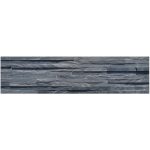
The process of creating cultured quartz begins with the selection of high-quality natural quartz crystals, which are then crushed and blended with resins and pigments to create a uniform mixture. This mixture is then poured into molds and subjected to high heat and pressure to form solid slabs or blocks of cultured quartz. The resulting material is then polished to a high shine, revealing the intricate patterns and colors that are characteristic of quartz.
Properties of Cultured Quartz
Cultured quartz exhibits a range of properties that make it an attractive choice for a variety of applications. One of the key advantages of cultured quartz is its durability and resistance to scratches, stains, and heat. This makes it an ideal material for use in high-traffic areas such as kitchen countertops, bathroom vanities, and flooring.
In addition to its durability, cultured quartz is also known for its versatility in terms of design options. Unlike natural stone, which is limited by the availability of specific colors and patterns, cultured quartz can be customized to create virtually any look desired. This is achieved through the addition of pigments and additives during the manufacturing process, allowing for a wide range of colors, patterns, and finishes to be created.
Furthermore, cultured quartz is non-porous, which means that it is resistant to moisture and bacteria growth. This makes it an excellent choice for use in areas where hygiene is a priority, such as kitchens and bathrooms. The non-porous nature of cultured quartz also makes it easy to clean and maintain, requiring only a simple wipe-down with a mild detergent to keep it looking its best.
Uses of Cultured Quartz
Cultured quartz is a versatile material that is used in a wide range of applications across various industries. One of the most common uses of cultured quartz is in the production of countertops and vanities. Cultured quartz countertops are highly popular due to their durability, resistance to stains and scratches, and wide range of design options. They are often used in residential kitchens, bathrooms, and commercial spaces such as restaurants and hotels.
Another popular application of cultured quartz is in flooring. Cultured quartz tiles are available in a variety of sizes, colors, and finishes, making them a versatile choice for both indoor and outdoor spaces. Cultured quartz flooring is known for its durability and resistance to wear and tear, making it an ideal choice for high-traffic areas such as lobbies, hallways, and retail spaces.
Cultured quartz is also used in the production of wall cladding, backsplashes, and shower surrounds. Its resistance to moisture and bacteria growth makes it an ideal choice for use in wet areas such as showers and backsplashes, where hygiene is a priority. Cultured quartz wall cladding is available in a variety of finishes, including polished, honed, and textured, allowing for endless design possibilities.
In addition to its use in residential and commercial applications, cultured quartz is also used in the production of furniture, lighting fixtures, and decorative accessories. Cultured quartz furniture pieces such as tables, countertops, and accent pieces are highly popular due to their durability and aesthetic appeal. Cultured quartz lighting fixtures, on the other hand, are prized for their ability to create a warm and inviting ambiance in any space.
Transforming the Design and Construction Industries
The rise of cultured quartz has had a significant impact on the design and construction industries, offering designers, architects, and homeowners a versatile and durable material that can be customized to suit any aesthetic preference. The ability to create custom colors, patterns, and finishes has opened up a world of design possibilities, allowing for the creation of unique and innovative spaces.
https://www.fs-slate.com/what-are-the-best-ledgestone/ has also revolutionized the way in which countertops and other surfaces are fabricated and installed. Unlike natural stone, which often requires on-site cutting and shaping, cultured quartz slabs are pre-fabricated to exact specifications in a controlled environment. This results in a faster and more efficient installation process, with minimal waste and disruption to the surrounding space.
Furthermore, the durability and low maintenance requirements of cultured quartz have made it a popular choice for homeowners and designers seeking a long-lasting and hassle-free material for their projects. Cultured quartz countertops, in particular, have become a staple in modern kitchens and bathrooms, offering a combination of beauty and functionality that is hard to beat.
In conclusion, cultured quartz is a versatile and durable material that offers a wide range of design options for various applications. From countertops and flooring to wall cladding and furniture, cultured quartz is transforming the way we think about design and construction. With its unique properties and aesthetic appeal, cultured quartz is sure to remain a popular choice for years to come.
Origins of Cultured Quartz
Quartz is a mineral that is abundant in nature and is known for its crystalline structure and unique properties. Natural quartz is widely used in various applications, including jewelry, countertops, and electronics, due to its hardness, durability, and aesthetic appeal. Cultured quartz, on the other hand, is a man-made product that is created by combining natural quartz crystals with resins and other additives.
The process of creating cultured quartz begins with the selection of high-quality natural quartz crystals, which are then crushed and blended with resins and pigments to create a uniform mixture. This mixture is then poured into molds and subjected to high heat and pressure to form solid slabs or blocks of cultured quartz. The resulting material is then polished to a high shine, revealing the intricate patterns and colors that are characteristic of quartz.
Properties of Cultured Quartz
Cultured quartz exhibits a range of properties that make it an attractive choice for a variety of applications. One of the key advantages of cultured quartz is its durability and resistance to scratches, stains, and heat. This makes it an ideal material for use in high-traffic areas such as kitchen countertops, bathroom vanities, and flooring.
In addition to its durability, cultured quartz is also known for its versatility in terms of design options. Unlike natural stone, which is limited by the availability of specific colors and patterns, cultured quartz can be customized to create virtually any look desired. This is achieved through the addition of pigments and additives during the manufacturing process, allowing for a wide range of colors, patterns, and finishes to be created.
Furthermore, cultured quartz is non-porous, which means that it is resistant to moisture and bacteria growth. This makes it an excellent choice for use in areas where hygiene is a priority, such as kitchens and bathrooms. The non-porous nature of cultured quartz also makes it easy to clean and maintain, requiring only a simple wipe-down with a mild detergent to keep it looking its best.
Uses of Cultured Quartz
Cultured quartz is a versatile material that is used in a wide range of applications across various industries. One of the most common uses of cultured quartz is in the production of countertops and vanities. Cultured quartz countertops are highly popular due to their durability, resistance to stains and scratches, and wide range of design options. They are often used in residential kitchens, bathrooms, and commercial spaces such as restaurants and hotels.
Another popular application of cultured quartz is in flooring. Cultured quartz tiles are available in a variety of sizes, colors, and finishes, making them a versatile choice for both indoor and outdoor spaces. Cultured quartz flooring is known for its durability and resistance to wear and tear, making it an ideal choice for high-traffic areas such as lobbies, hallways, and retail spaces.
Cultured quartz is also used in the production of wall cladding, backsplashes, and shower surrounds. Its resistance to moisture and bacteria growth makes it an ideal choice for use in wet areas such as showers and backsplashes, where hygiene is a priority. Cultured quartz wall cladding is available in a variety of finishes, including polished, honed, and textured, allowing for endless design possibilities.
In addition to its use in residential and commercial applications, cultured quartz is also used in the production of furniture, lighting fixtures, and decorative accessories. Cultured quartz furniture pieces such as tables, countertops, and accent pieces are highly popular due to their durability and aesthetic appeal. Cultured quartz lighting fixtures, on the other hand, are prized for their ability to create a warm and inviting ambiance in any space.
Transforming the Design and Construction Industries
The rise of cultured quartz has had a significant impact on the design and construction industries, offering designers, architects, and homeowners a versatile and durable material that can be customized to suit any aesthetic preference. The ability to create custom colors, patterns, and finishes has opened up a world of design possibilities, allowing for the creation of unique and innovative spaces.
https://www.fs-slate.com/what-are-the-best-ledgestone/ has also revolutionized the way in which countertops and other surfaces are fabricated and installed. Unlike natural stone, which often requires on-site cutting and shaping, cultured quartz slabs are pre-fabricated to exact specifications in a controlled environment. This results in a faster and more efficient installation process, with minimal waste and disruption to the surrounding space.
Furthermore, the durability and low maintenance requirements of cultured quartz have made it a popular choice for homeowners and designers seeking a long-lasting and hassle-free material for their projects. Cultured quartz countertops, in particular, have become a staple in modern kitchens and bathrooms, offering a combination of beauty and functionality that is hard to beat.
In conclusion, cultured quartz is a versatile and durable material that offers a wide range of design options for various applications. From countertops and flooring to wall cladding and furniture, cultured quartz is transforming the way we think about design and construction. With its unique properties and aesthetic appeal, cultured quartz is sure to remain a popular choice for years to come.

Public Last updated: 2025-05-28 05:03:33 AM