Owner-Occupied vs. Investment: Commercial Appraisals in Lambton County
The same concrete block building on Confederation Street can carry two very different values depending on who uses it and how. In Lambton County, where the market stretches from Sarnia’s petrochemical corridor to main street storefronts in Petrolia and Wyoming, understanding the split between owner-occupied and investment valuation is not just academic. It drives lending decisions, tax planning, purchase negotiations, and how you allocate capital for the next decade.
Grounding the conversation in Lambton County
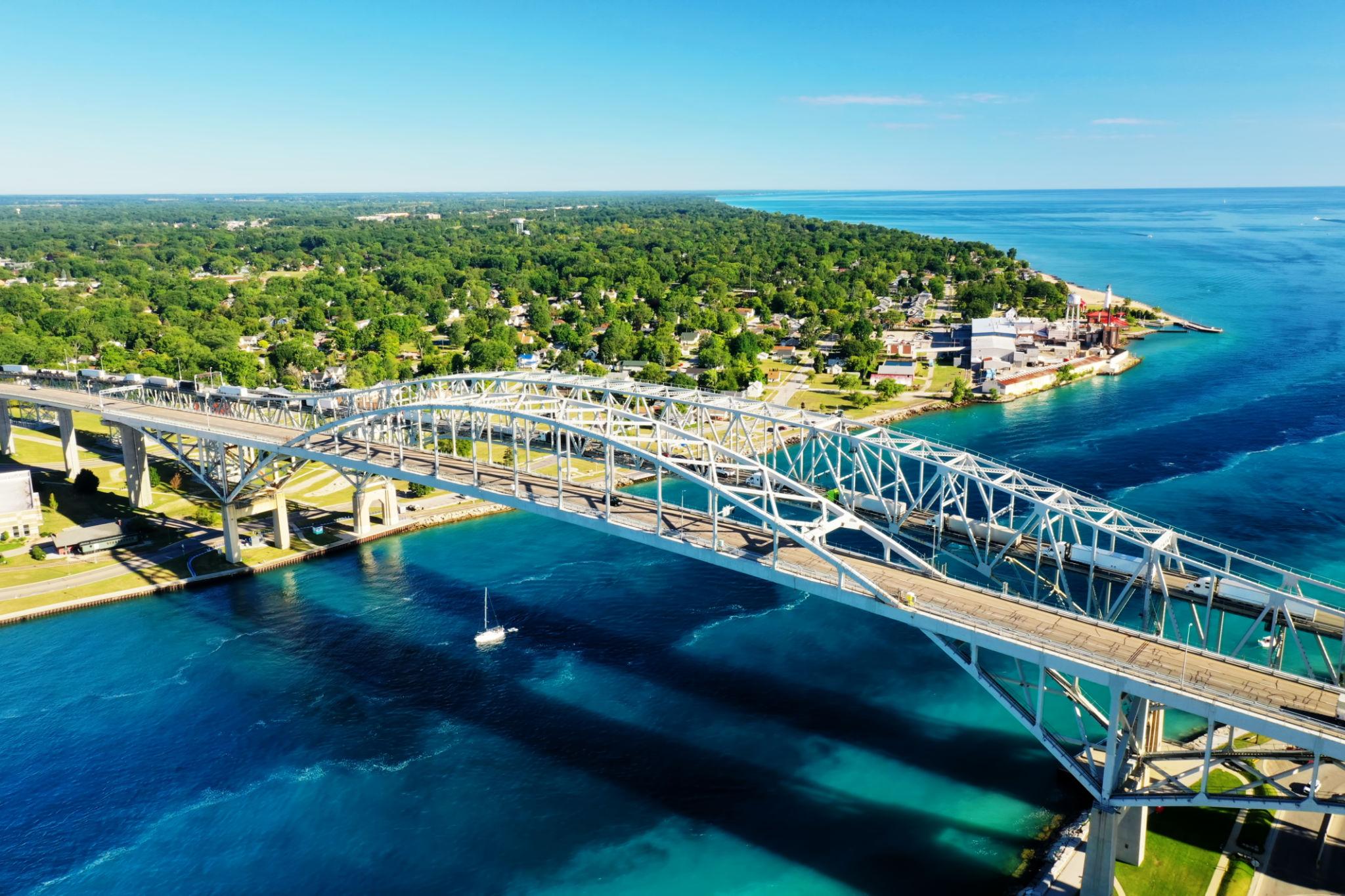
Commercial values in Lambton County hinge on a set of local realities that rarely show up in national reports. Sarnia’s Chemical Valley supports heavy and light industrial uses that have unique environmental and functional risks. The Blue Water Bridge brings cross-border logistics into play for some distribution properties, which affects tenant demand and loading requirements. The smaller downtowns in Petrolia, Corunna, Forest, and Watford behave differently from Sarnia’s Christina and Front Street corridors, with thinner sales and lease data and more owner-occupancy by local businesses.
These factors matter to a commercial appraiser in Lambton County because highest and best use, exposure time, and the evidence you can rely on are all influenced by the local demand story. A retail box on London Line that looks oversized for today’s tenants might be ideal for an owner-operator with specialized build-out, while the same box has a narrower tenant pool if the buyer expects passive rental income. The valuation answer must track that reality.
What is actually being valued: interest and premise of value
Before numbers hit the page, an appraiser makes two calls that shape the conclusion.
First, the property interest. For an income investment, the most common target is the leased fee interest, which reflects value subject to existing leases. For an owner-occupied building, lenders often ask for market value of the fee simple interest, typically interpreted as if vacant and available for lease at market terms, unless the assignment clearly calls for value in continued use.
Second, the premise of value. Market value assumes a typical exposure and a buyer who is not a special purchaser. Value in use can be higher or lower than market value if the current user benefits from synergies that the market would not pay for. Most commercial appraisal services in Lambton County revolve around market value, but certain going concern assets, like hotels and gas stations, require allocation between real estate, business, and equipment.
Clarity up front avoids mismatched expectations. An owner who invested $400,000 in cold storage improvements for their food distribution company may see that spend as value, while the market might treat much of it as specialized and not transferable to a typical tenant.
Owner-occupied valuation: when the building is part of your toolkit
In an owner-occupied scenario, the building is a production tool. The appraiser focuses on how that tool would appeal to the open market if it were vacant, or in some cases how it contributes to the going concern if the property is clearly special-purpose.
For standard industrial or office buildings, we favor the sales comparison and cost approaches, with the income approach used to backstop fee simple value by imputing market rent. The sales approach looks to comparable transfers of similar buildings, adjusted for size, age, quality, and location. In Sarnia’s industrial parks, a modern 20,000 square foot tilt-up with good clear height and dock loading may command a noticeably higher unit rate than a 1970s steel frame with low clear and limited power. In smaller towns, even one strong sale can set the tone for a year because there are fewer transactions.
The cost approach carries more weight for newer or highly specialized construction, or where sales are scarce. Replacement cost new, less physical, functional, and external depreciation, captures how buyers think when they face a short supply of suitable product. If it costs 275 to 350 dollars per square foot to replicate a modern medical office with high-end mechanical and partitioning, yet market evidence says older comparables trade near 180 to 225 dollars, the depreciation curve becomes the battleground. Local construction inflation since 2020, driven by materials and trades scarcity, complicates this, and the external obsolescence adjustment sometimes reflects not just the building, but the demand ceiling in a given Lambton submarket.
Owner-occupants often ask why their appraised value does not reflect their custom build-out to the dollar. The reason is transferability. A 3,000 square foot laboratory with acid-resistant finishes and fume hoods may be perfect for your firm, but the pool of buyers or tenants who pay a premium for that specificity is thin. An appraiser will parse base building value from specialized improvements, then test how much of those additions the market recognizes.
Investment valuation: when the income stream is the asset
When the buyer is expecting rent cheques, value rests on the stability and growth of net operating income, the reversions at lease expiry, and the risk profile embedded in those assumptions. In Lambton County, cap rates for small to mid-size commercial assets generally run higher than in the GTA, reflecting a smaller investor pool and thinner liquidity. For stabilized industrial with decent covenant tenants, I often see direct capitalization rates in the 6.75 to 8.5 percent range; for older retail in secondary nodes or mixed office above retail, 7.5 to 9.5 percent is common. These are ranges, not promises, and they flex with tenant strength, lease term, and building condition.
With investment property, the appraiser tests contract rent against market rent. A single-tenant building on a 10 year net lease to a national covenant at 14 dollars per square foot net will likely price off the security of that income even if the current market rent is 12 or 16. As the lease nears expiry or if there are outsized landlord responsibilities, the investor argument pivots toward what happens at rollover. In Sarnia’s office market, for instance, some older stock struggles to backfill without capital allowances. The appraiser will model that with downtime, inducements, and stabilization.
The sales comparison approach still matters, but the comps are underwritten on income terms. A plaza in Corunna that sold at an 8.2 percent going-in cap with average rent of 18 dollars net tells a different story than a petrolia main street property trading at 9.3 percent with partial vacancy. Context is everything, and the commercial appraiser in Lambton County will spend time interviewing brokers, landlords, and local municipalities to make sure the rent and expense assumptions reflect current deals, not last year’s brochure.
Approaches to value, side by side
It helps to see how the traditional approaches flex depending on occupancy.
-
Sales comparison. For owner-occupied buildings, adjustments focus on functional utility and age more than on in-place income. For investment, the sale’s income profile drives the comparison. Two identical buildings can diverge by hundreds of thousands of dollars if one has a AAA tenant and the other is month-to-month.
-
Income capitalization. For fee simple value, we impute market rent and typical stabilized expenses, then capitalize at a rate supported by similar unencumbered assets. For leased fee, we capitalize the actual or forecasted net operating income stream, sometimes with a discounted cash flow if there is lease-up ahead. This is where vacancy risk and tenant improvement allowances make or break the conclusion.
-
Cost approach. Stronger for newer, special-purpose, or lightly traded types. Less influential for older income assets where market participants rely on yields. In Lambton County, I still use cost frequently for municipal and medical buildings, and for owner-occupied industrial less than 12 years old.
The layer cake of expenses and leases
Lease structure matters as much as sticker rent. A triple net lease that passes through realty taxes, insurance, and most operating costs will deliver a more reliable net income than a gross lease that leaves variable costs with the landlord. Appraisers in this market will check the following: Are the HVAC units near end of life, and who replaces them under the lease? Are property taxes spiking due to MPAC reassessment? Are there roof warranties? Is there a management fee in expenses, and does it align with scale? If the lease has a cap on controllable expenses, how does that interact with current utility volatility?

In Lambton County’s older retail strips, I often see legacy leases that https://telegra.ph/Due-Diligence-Essentials-Commercial-Real-Estate-Appraisal-in-Lambton-County-05-06 read “net,” but exclude some soft costs and carry ambiguous maintenance language. From a valuation standpoint, that ambiguity means reserve allowances for capital items and sometimes a small risk premium in the cap rate. In contrast, new-build industrial on the outskirts of Sarnia with modern net leases is more predictable, and the market rewards that.
Environmental, condition, and stigma: local realities
A clean Phase I ESA is table stakes for most lenders here. The county’s oil heritage leaves a long memory, and even a hint of past contamination near Chemical Valley or on a former service station site requires careful treatment. I have seen appraisals adjust value via an extraordinary assumption when remediation is budgeted and evidence supports the cost and timeline. Where contamination is suspected but unquantified, market participants often widen cap rates or discount offers to reflect the unknown. That shows up as external obsolescence in the cost approach or as a higher required yield in the income approach.
Building condition also plays differently in a small market. A roof nearing the end of its service life can remove a chunk of buyer demand if many investors are private individuals who prefer low-touch assets. The appraiser will typically embed a capital reserve in stabilized expenses and, if warranted, an immediate adjustment for deferred maintenance not already captured.
Taxes, MPAC, and appeals
Realty taxes in Ontario are based on MPAC’s Current Value Assessment. In owner-occupied situations, some owners view a high assessment as “proof” of value. The market does not treat it that way. Appraisers use MPAC primarily to validate building data and tax load, not as a value benchmark. That said, hefty tax increases after a renovation can change net rent thresholds for a tenant and therefore affect investment value. If taxes on a 10,000 square foot flex building rise by 1.00 per square foot, the landlord either eats it under a gross lease or faces higher total occupancy cost for a tenant under a net lease, which can dampen demand.
Where an appeal is contemplated, a commercial property appraisal in Lambton County that separates land and improvement value, and that shows true comparables, is more persuasive than a general market letter. Timing matters, as MPAC cycles and municipality budgets add lags and leaps to the bill.
Market rent and cap rates: what I see on the ground
Rents and yields travel in bands, not points. Still, real numbers help frame expectations. For small bay industrial in Sarnia with basic office finish and 16 to 20 foot clear, net rents in the 8 to 12 dollars per square foot range are common, depending on power, loading, and location. Newer, clean product with 24 foot clear and multiple docks can press above that range. Retail along high-visibility corridors might post quoted rents in the low to mid 20s net for prime pads or end caps, with interior or secondary locations pulling lower. Office is more nuanced, with medical uses often paying mid to high teens net if the building quality and parking align.
As for cap rates, investors in Lambton County demand a premium to larger urban centres for liquidity risk and tenant depth. That is why a well-leased light industrial building with a strong regional covenant might transact around the high 6s to mid 7s, while a downtown mixed-use building with older systems and independent tenants might sit in the high 7s to low 9s. Properties with short weighted average lease terms, vacancy, or high capital needs can move into the 9 to 10 percent zone. When national investors look here, they usually target assets with above-average tenant quality or logistics advantages tied to the bridge and highway network.
Timing, exposure, and marketing period
Owner-occupied buildings in niche configurations can take longer to move unless priced at or below replacement cost. Exposure time for a clean, modern 15,000 square foot industrial condo with good access might be 2 to 6 months in a balanced market. A specialized facility, like a former food processing plant with ammonia systems, could sit for 9 to 18 months without a price concession or re-tenanting plan. For stabilized investment assets with strong tenants, I often see offers within 30 to 90 days once marketed properly, although due diligence extends timelines if environmental or building systems are complex.
These periods feed into the appraisal via the market’s expectations for liquidity. A longer marketing period for an owner-user asset is not a fatal flaw, but it supports the argument that the pool of buyers willing to pay a premium is smaller, which can compress the valuation difference between your cost and the market’s price.
Two short case sketches from recent years
A Sarnia manufacturer owned a 40,000 square foot plant built in 1998, with 22 foot clear height and heavy power. The owner hoped to refinance and argued the property was worth 8 million dollars based on what it would cost to replace today. Sales of similar plants in the Sarnia and Strathroy area during the prior 18 months clustered between 110 and 145 dollars per square foot depending on age and functionality. Local market rent supported 9 to 11 dollars net. Using the cost approach with realistic physical and functional depreciation landed in the 5.2 to 5.8 million dollar range. The income approach at 10 dollars net, 5 percent vacancy and non-recoverables, and a 7.5 to 8 percent cap supported 5.3 to 5.9 million. The sales approach aligned. The lender financed off 5.5 million. The owner was disappointed until we mapped the spread between specialized improvements and what the market would pay if the building were vacant. That conversation changed their capital plan and they invested in a sub-divisible layout to broaden exit options.
In Petrolia, a mixed-use building with two ground-floor retail tenants and four apartments above traded twice in five years. The first sale reflected a cap rate near 9.5 percent due to older leases and a soft retail line-up. The new owner cleaned up the façade, re-tenanted one bay on stronger terms, and normalized expenses. At resale, with a better rent roll and fewer capital surprises, the effective cap compressed to about 8.2 percent even though interest rates were higher. The lesson: in a smaller market, active management can move value more than macro factors if you change tenant risk and expense clarity.
Where owner-occupied and investment logic collide
Some properties live on a fence. Medical office is a good example. A clinic that owns its building may attract other practitioners as tenants, blurring the line between owner-occupied and investment. In those cases, the assignment must spell out whether the appraiser is to value the going concern including business intangibles, or just the real estate at market rent. Hotels, seniors housing, car washes, and fuel retail all raise the same question. In Ontario, lenders often want the real estate value isolated, but they still care deeply about the business because it pays the mortgage. A seasoned commercial appraiser in Lambton County will explain how they separate furniture, fixtures, and equipment, and how they treat management fees and franchise costs in a going concern analysis.
Practical prep for an appraisal
-
Provide current leases, amendments, and a rent roll with start dates, expiry, options, and recoveries. If owner-occupied, share your as-built drawings and a breakdown of specialized improvements.
-
Supply the last two years of operating statements, with line items for taxes, insurance, utilities, repairs and maintenance, management, and any capital expenditures.
-
If you have an environmental report, roof and HVAC service records, or recent capital work invoices, include them. These de-risk the assignment and can support a lower reserve.
-
Be ready to discuss parking counts, loading details, clear heights, power, and zoning permissions. In Lambton County’s rural fringes, clarify well and septic details.
-
Share context on tenant demand you are seeing. Broker opinions and recent offers, even if not consummated, can point to current market rent and inducements.
Choosing a commercial appraiser in Lambton County
Not every valuation firm knows the difference between Christina Street foot traffic and the dynamics around London Line, or how industrial users near Vidal Street think about access and heavy haul routes. When selecting a commercial appraiser in Lambton County, favour professionals who can point to recent, relevant assignments in Sarnia, Petrolia, Corunna, and the townships. Ask how they source lease comparables in thin markets, how they handle extraordinary assumptions around environmental risk, and whether they have experience with both owner-occupied and income-producing assets. A practitioner who routinely completes commercial building appraisal assignments in the county will be better positioned to defend the work with lenders and municipal bodies.
If you are pricing commercial appraisal services in Lambton County, watch for scope clarity. A desktop letter based on limited data may be cheap and fast, but it is rarely persuasive with a bank. A full narrative report that develops all applicable approaches, inspects the property, and assembles verified comparables takes longer, typically two to four weeks depending on complexity and data availability. Valuation is not a commodity, and what you pay in rigor you often earn back in financing terms or negotiating leverage.
You do not need to chase keywords to find qualified help, but if you are searching online you will see phrases like commercial real estate appraisal Lambton County, commercial property appraisal Lambton County, or commercial appraisal services Lambton County. These all describe the same core work. What matters is the fit between the appraiser’s experience and your asset’s story.
Common pitfalls I see, and how to avoid them
-
Relying on replacement cost as a proxy for market value for owner-occupied assets. The delta between what it cost you to build and what the next buyer will pay can be wide, especially for specialized improvements.
-
Ignoring soft landlord costs in net leases. Legal fees, management, and unrecoverable maintenance nibble at net income and shift cap rate expectations.
-
Treating MPAC assessment as value. It is useful, but it is not how buyers underwrite deals.
-
Underestimating rollover risk. A 12 month notice clause does not fill a vacant bay, and tenant inducements in Lambton County have risen for some property types. A good appraisal models downtime and allowances.
-
Skipping environmental updates. A stale Phase I traps deals in extended due diligence and spooks lenders. If a neighboring site is flagged, you want to know before you are negotiating price.
Lending dynamics and what your bank cares about
Local credit unions, national banks, and BDC all lend in this space, each with their own lens. For owner-occupied financing, debt service coverage from operating cash flow is primary, but collateral value matters. Lenders will scrutinize whether the appraisal reflects fee simple market value and whether the exposure time and marketing period line up with their risk appetite. For investment property, they will focus on the tenant roster, lease terms, and whether the appraiser’s market rent assumptions are supported by local evidence. Many ask for sensitivity analysis, explicit or implicit, around vacancy and cap rates. If your property is outside urban Sarnia, be prepared for conservative leverage, especially if the tenant mix is thin.
A strong report anticipates these questions. It will include a clear highest and best use analysis, transparent comparable grids, a rationale for cap and discount rates, and a coherent reconciliation that explains why the chosen approach carries the most weight.
The value of nuance
Two buildings can share a legal description, square footage, and zoning, yet diverge in value because one is a tool for a specific user and the other is a bond substitute for an investor. In Lambton County, where market evidence is often thin and property stories are personal, the difference between owner-occupied and investment appraisal frameworks has real consequences.
If you own and use your building, think about how transferable your improvements are, what the market rent would be if you left, and whether your site offers functional advantages another user would pay for. If you invest, focus on lease clarity, tenant quality, capital needs, and the local depth of backfill demand. In both cases, work with a commercial appraiser in Lambton County who speaks the local dialect of risk and opportunity. It will not just give you a number, it will give you a map for the decisions that follow.

Public Last updated: 2026-05-06 03:41:58 PM